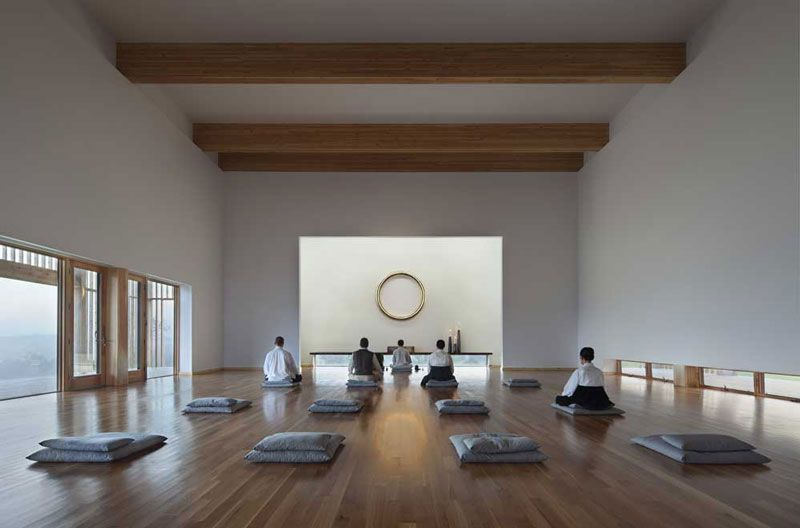
Have you ever walked into a room and instantly felt your shoulders drop. That is the magic of a space designed with real intention. For years, many of our shared spiritual and quiet spaces looked a lot like the classrooms we grew up in. Rows of chairs all facing forward, a single focus point at the front, and an unsaid rule that everyone needs to do the same thing at the exact same time.
But things are shifting quickly in 2026. People are tierd of the rigid, top-down setups that feel more like a lecture hall than a sanctuary. We are seeing a massive movement toward what experts call "library-style" design for sacred spaces. It is all about trading the noisy, forced energy of a classroom for the deep, self-guided peace of an old-school reading room.
The Trouble with the Old Classroom Setup
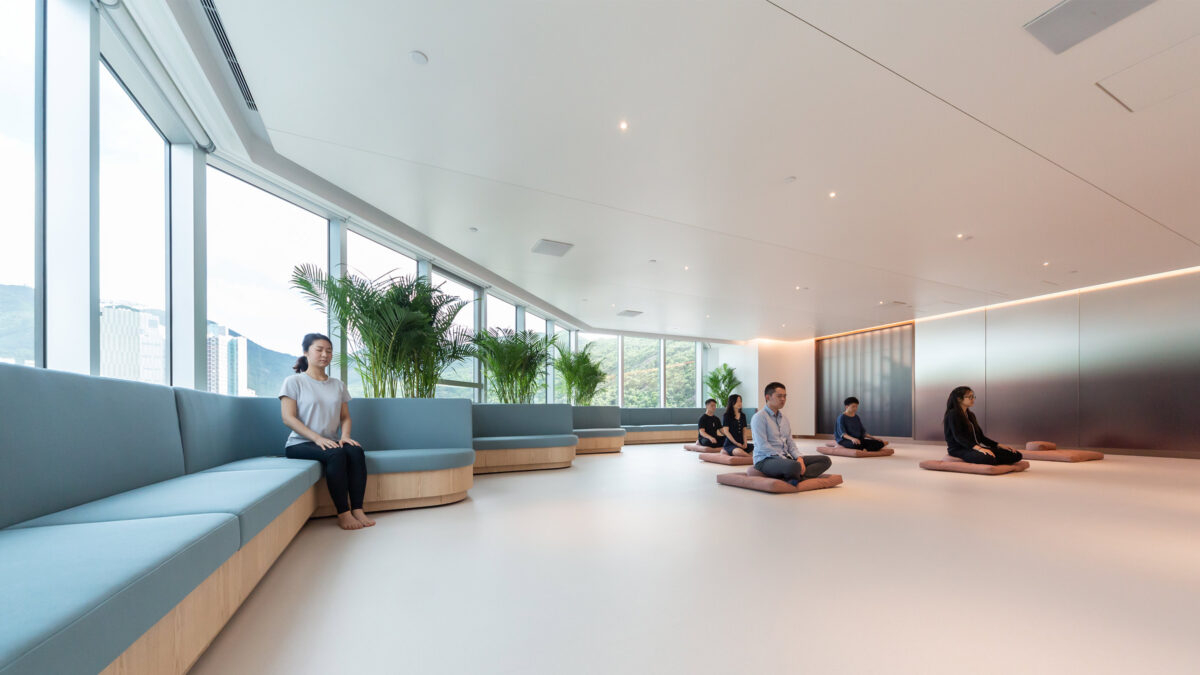
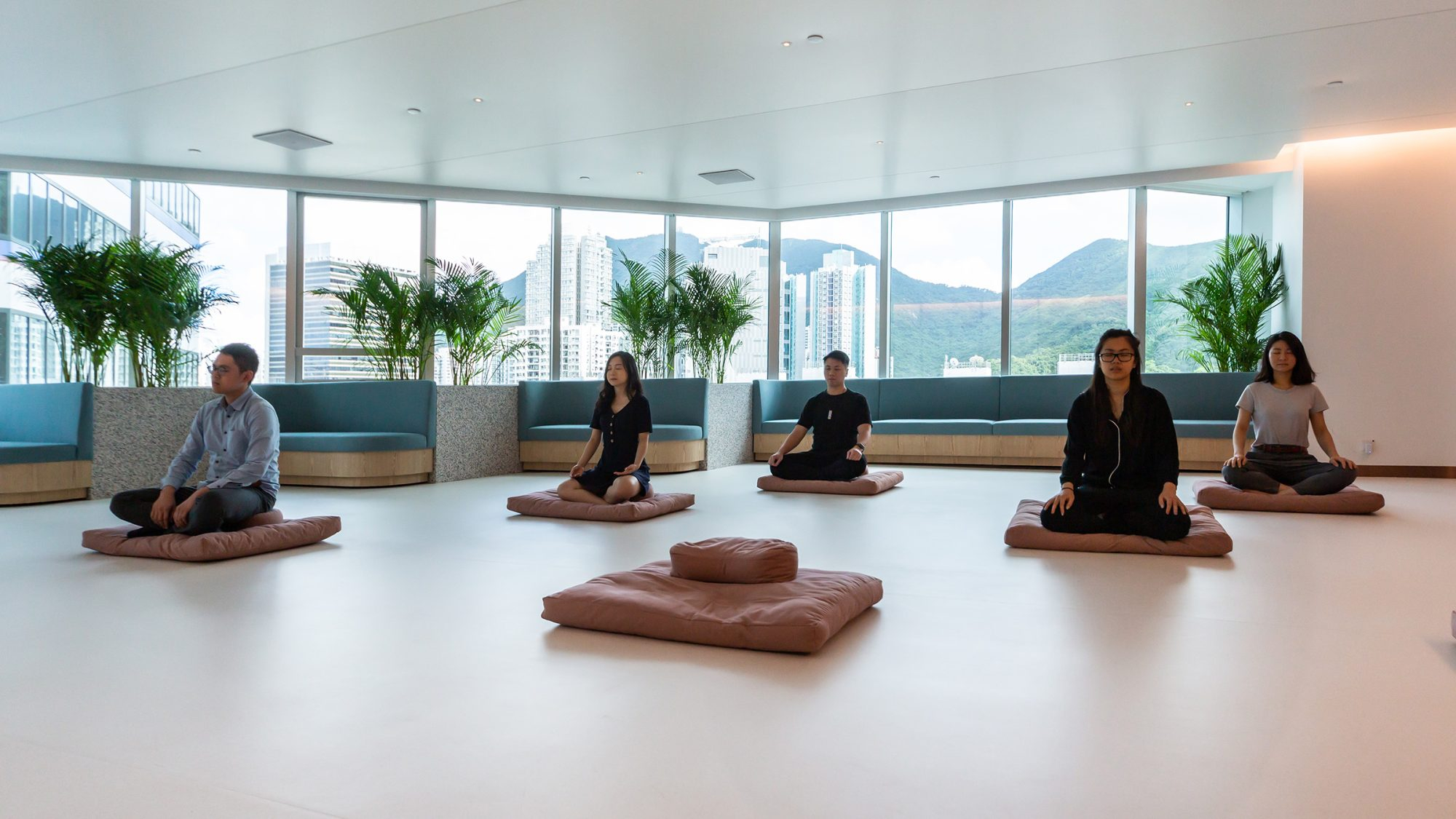
The classic classroom style has a specific goal, to direct everyone’s attention to a single leader. While that works great if you are trying to learn algebra, it does not always help you connect with your inner self. When chairs are lined up in strict rows, it creates a strange pressure. You become hyper-aware of the person sitting right next to you, wondering if you are breathing too loudly or sitting up straight enough.
This layout also creates a passive environment. You sit back and wait to be handed information or guided through a practice. In our fast-moving world, what people actually crave is a sense of agency. They want a space where they can step in and immediately choose their own adventure, whether that means journaling in a dark corner or sitting cross-legged on a giant floor pillow.
What Exactly is a Library-Style Sacred Space?
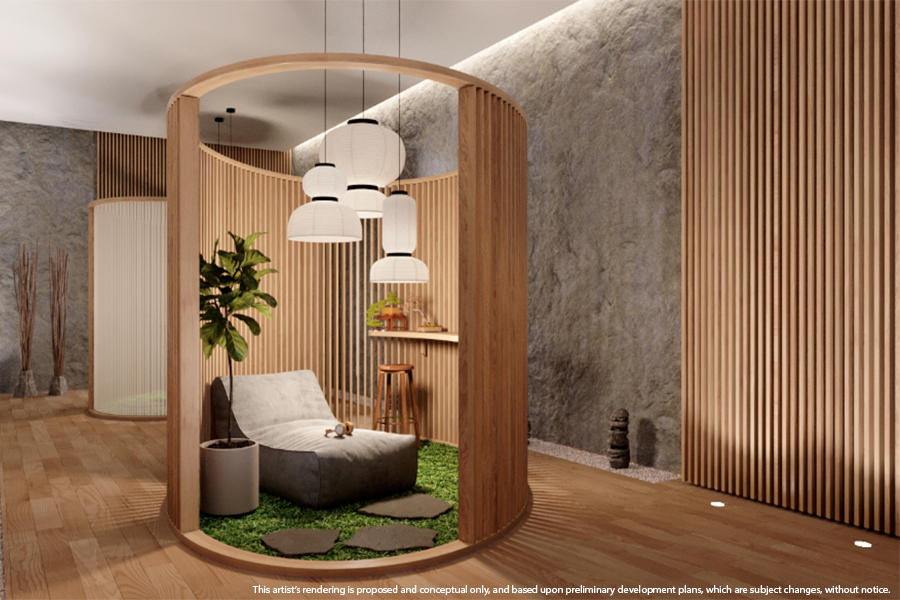
Think about the last time you walked into a beautiful, historic library. You probably noticed the soft lighting, the cozy nooks, and the gentle hum of people doing their own thing in total harmony. A library-style sacred space uses those exact same ideas. Instead of one big row of identical seating, the room is broken down into smaller, distinct zones.
In one corner, you might find a low table with a few journals and pens. In another, a stack of heavy blankets and yoga blocks near a sunlit window. The main goal is freedom. It allows multiple people to use the exact same room for entirely different practices—like prayer, reading, or simple silence—without getting in each other’s way.
Soft Lighting and Sound Control
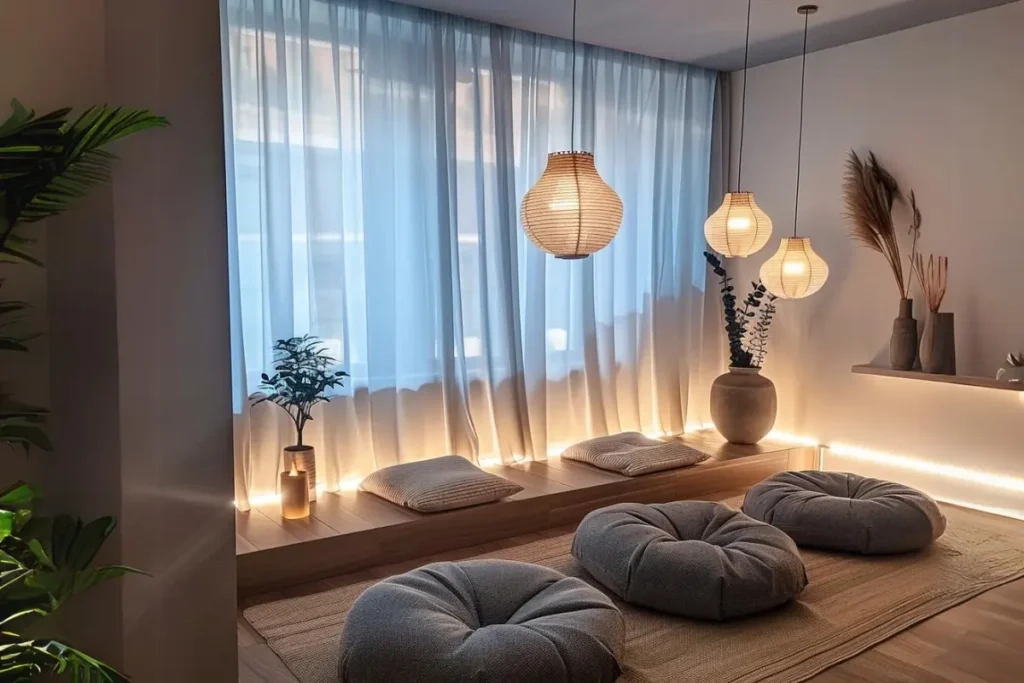
To make this shift work, you have to change how the room feels to your senses. Classrooms love bright, harsh overhead lights that keep everyone awake. Libraries, on the other hand, rely on layered, warm lighting. Bringing in small desk lamps, salt lamps, and dimmable floor lights instantly signals to your brain that it is time to slow down.
Sound is the other major piece of the puzzle. You don’t need expensive soundproofing to make a difference. Heavy curtains, thick area rugs, and plush cushions do an amazing job of absorbing echoes. Adding a small water fountain or a white noise machine can help mask outside traffic sounds, creating a quiet audio blanket for the room.
Creating Independent Nooks and Zones
The secret sauce of a library layout is the cozy nook. You can easily break up a large room by using open bookshelves or folding screens as lightweight dividers. This gives people a sense of privacy and safety, which is super important when you are trying to meditate or process big emotions.
Try setting up different stations based on what you like to do. A reflection station might just be a comfortable armchair with a basket of inspiring books. A movement zone could be an open patch of floor with a high-quality mat. By separating these areas, the energy of the room stays grounded and organized, even if a few people are using it at once.
Choosing Materials That Feel Alive
When you look at modern spaces in 2026, there is a huge focus on bringing nature indoors. Plastic chairs and synthetic fabrics feel sterile and cold, much like an old schoolhouse. Replacing them with natural materials like raw wood, linen, cotton, and stone makes the space feel alive and welcoming.
Plants are another easy way to bridge this gap. Not only do they clean the air, but their organic shapes break up the sharp, straight lines of a room. A couple of leafy pothos plants trailing down a shelf can instantly soften a space and make it feel like a hidden garden oasis.
Keeping the Space Clutter-Free
A true library style requires a bit of discipline when it comes to storage. Libraries have a lot of stuff, but everything has a specific home. If your sacred space is cluttered with random cushions, half-burned candles, and scattered papers, your mind will feel just as messy.
Invest in some nice baskets with lids or a wooden chest where blankets and tools can be tucked away when they aren’t being used. When the visual noise is dialed down, your brain doesn’t have to work hard to filter out distractions. It makes stepping into the room feel like a clean slate.
Ultimately, moving to a library-style setup is about honoring your personal journey. It recognizes that what brought you peace yesterday might not be what you need today. Some days you need to study and read, while other days require total stillness and a dark corner to cry or rest.
By designing a space that supports all of these different moods and needs, you create a truly resilient sanctuary. It stops being a place you visit only for a scheduled class and becomes a living, breathing extension of your daily life.