There’s a certain hush that falls over a room when you walk in and notice the walls aren’t just flat planes of drywall. Maybe it’s the way the light catches the subtle shadow lines of a raised panel. Or perhaps it’s the solid thud your hand makes when you lean against it, a reassuring reminder that this house was built with care. That’s the quiet confidence of wainscoting. It doesn’t shout for attention like a neon sign or a bold accent wall might. It simply exists, steady and sure, anchoring the space around it.
In a world where interior design trends cycle faster than smartphone updates, wainscoting has managed to stay relevant. It’s not chasing the new. It’s not trying to be viral. Instead, it offers something increasingly rare in our digital, disposable age: permanence. Whether you’re looking at a centuries-old cottage or a sleek, modern apartment in 2026, this architectural detail bridges the gap between history and now with remarkable ease. It’s more than just wood on a wall. It’s a statement of proportion, texture, and visual rhythm that speaks to our deep-seated desire for spaces that feel finished, grounded, and human.
From Practical Necessity to Design Staple
Let’s be honest, wainscoting didn’t start out as a pretty face. Originally, it was all about function. In the days before central heating and durable drywall, interior walls were often cold, damp, and prone to damage. Wainscoting—derived from the Middle Dutch word waghenscot, referring to high-quality oak boards—was installed to insulate rooms and protect the lower portions of walls from scuffs, kicks, and the general wear and tear of daily life. It was a luxury, sure, but a practical one. Danish Wainscot oak was particularly prized back then for being knot-free and easy to work with, making it a superior choice over the knottier British varieties.
As building methods evolved in the 19th and 20th centuries, walls became smoother, stronger, and better insulated. The urgent need for wainscoting as a protective shield faded. But instead of disappearing, it shifted gears. It moved from a necessity to a design element. Today, while it still offers that practical durability in high-traffic areas like hallways and dining rooms, its primary role is visual. It adds depth to otherwise flat surfaces. It breaks up large expanses of wall space. It introduces a sense of order and craftsmanship that feels both traditional and surprisingly fresh.
This evolution is key to understanding why it still matters. It’s not stuck in the past. It has adapted. In 2026, we see it used in bathrooms to resist moisture, in home offices to add a touch of seriousness, and in living rooms to create a cozy, enclosed feeling. The material might have changed from solid oak to MDF, PVC, or even sustainable composites, but the purpose remains the same: to elevate the room. It’s a testament to the idea that good design isn’t just about how something looks, but how it serves the people living within it.
The Psychology of Proportion and Scale
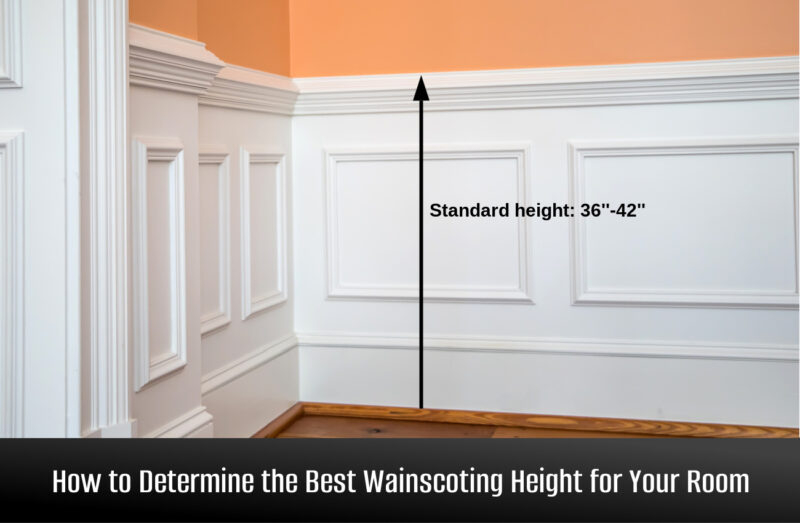
Why does a chair rail at 32 inches feel so right? Why do panels that are taller than they are wide create a sense of grandeur? It’s not magic. It’s proportion. Human beings have an innate sensitivity to scale. We notice when a ceiling is too low or a room is too vast. Wainscoting acts as a visual anchor, grounding the eye and creating a sense of balance. In a room with high ceilings, it can make the space feel more intimate and manageable. In a small room, vertical paneling can draw the eye upward, creating an illusion of height.
Think about it. When you walk into a room with bare walls, your eye tends to wander aimlessly. There’s no place to rest. But add wainscoting, and suddenly, there’s a horizon line. A structure. It divides the wall into distinct zones, allowing for different treatments above and below. Maybe you paint the top half a soft, airy blue and the wainscoting a crisp white. This contrast adds visual interest without overwhelming the senses. It creates a rhythm, a beat that the eye can follow. This is why designers love it. It’s a tool for controlling how a space is perceived.
In contemporary interiors, this control is crucial. Modern architecture often favors open plans and minimalism, which can sometimes feel sterile or cavernous. Wainscoting introduces warmth and texture without clutter. It adds a layer of complexity that invites closer inspection. It’s not just a wall; it’s a composition. By breaking down the vertical expanse, it makes large rooms feel cozier and small rooms feel more intentional. It’s a subtle psychological trick, one that has been used for centuries to make houses feel like homes. And in 2026, as we continue to seek comfort in our living spaces, that trick is more valuable than ever.
Styles That Speak Different Languages
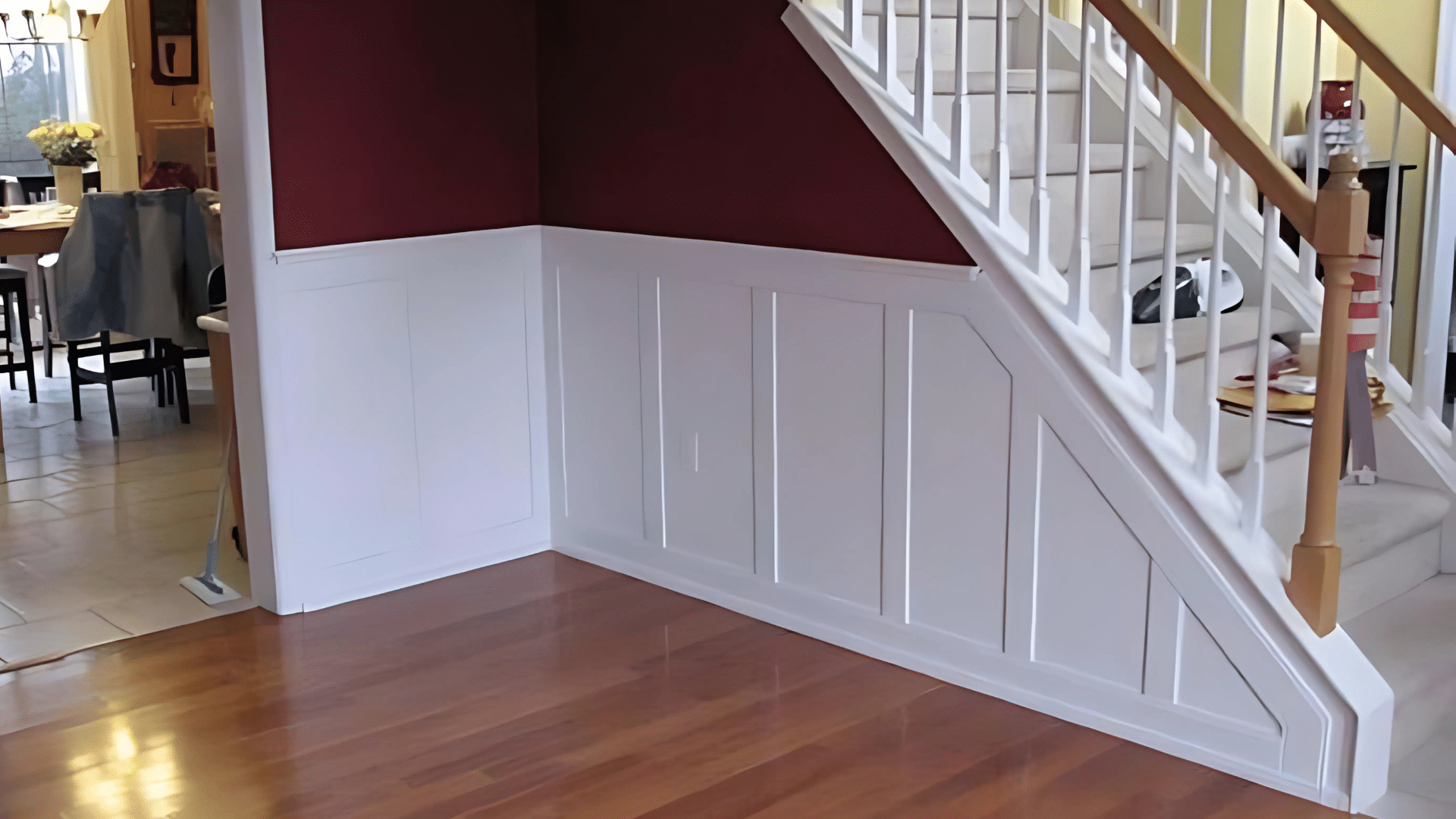
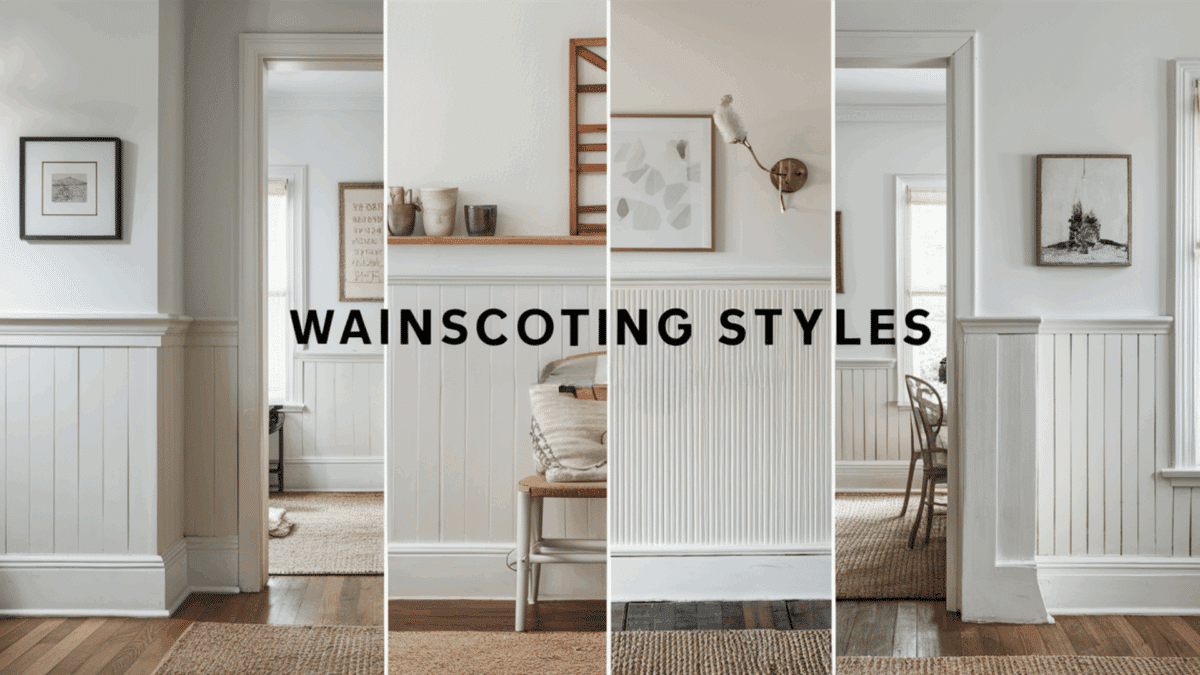
Not all wainscoting is created equal. The style you choose sends a specific message about the character of your home. Board and batten, for instance, is rustic and sturdy. It consists of wide boards with narrow strips (battens) covering the seams. It’s often associated with farmhouses and cottages, evoking a sense of simplicity and hardworking charm. It’s straightforward, unpretentious, and incredibly versatile. You’ll see it in modern farmhouse kitchens across the country, painted in muted greens or warm grays, adding texture without fuss.
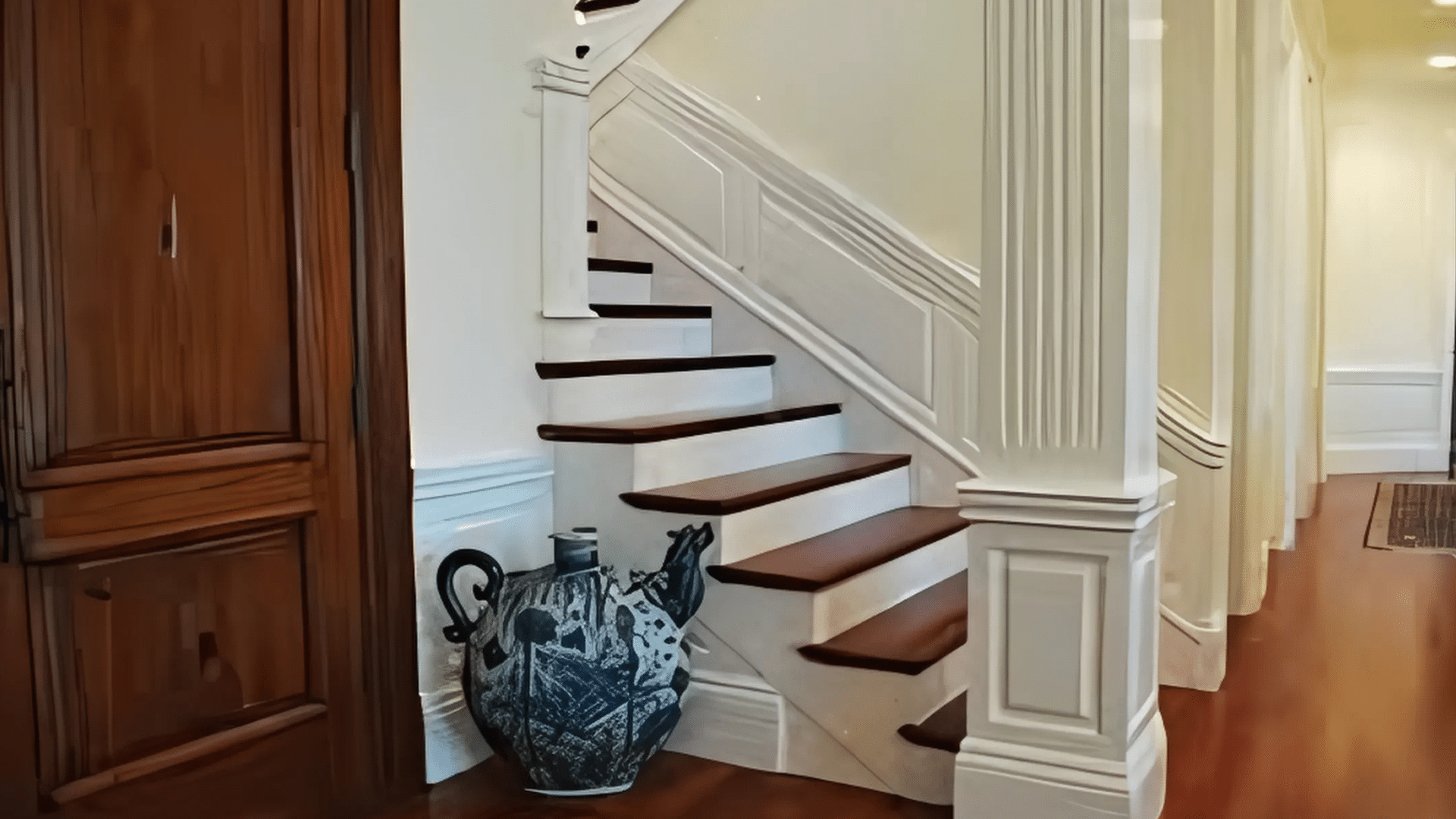
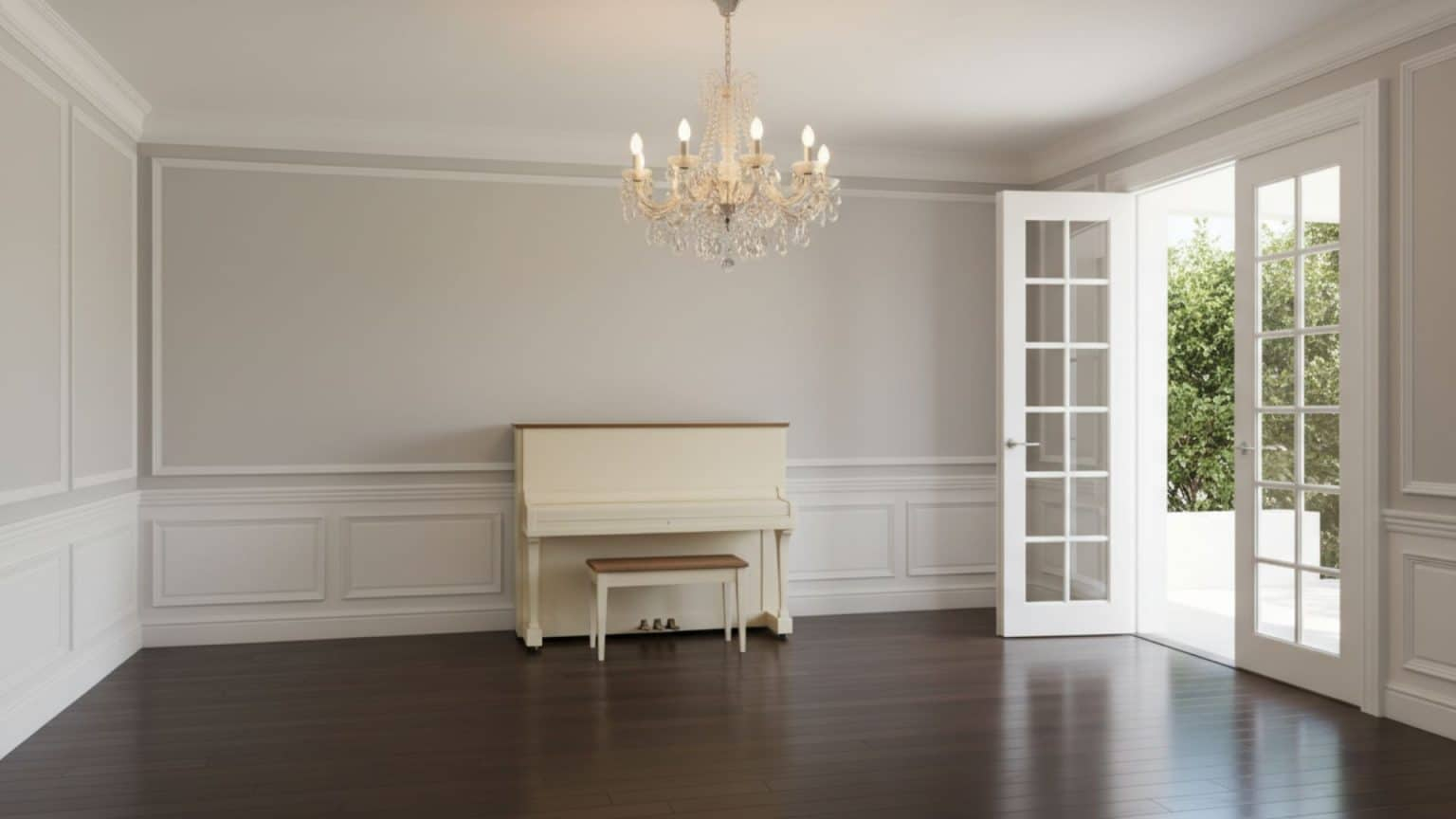
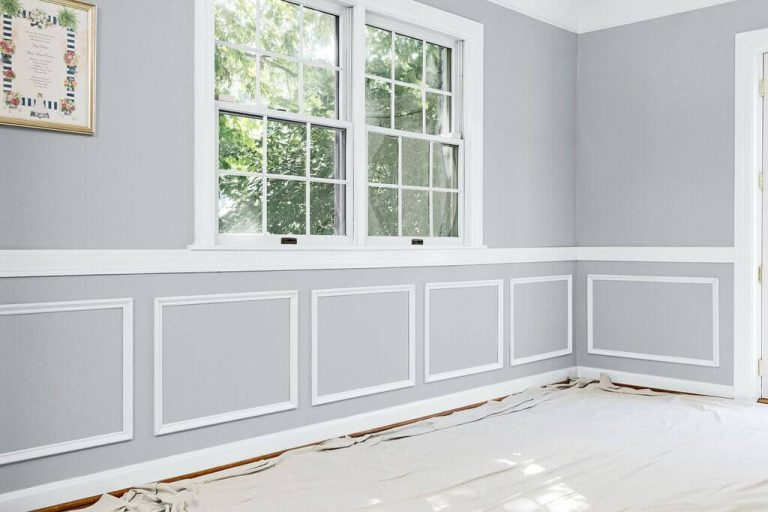
Then there’s raised panel wainscoting, the classic choice for formal dining rooms and libraries. This style features recessed panels framed by stiles and rails, creating a three-dimensional effect. It’s elegant, refined, and speaks to tradition. It says, “This is a place for gathering, for conversation, for slowing down.” Flat panel wainscoting, on the other hand, is simpler. It uses flat boards framed by molding, offering a cleaner, more modern look. It’s less ornate than raised panel but still provides that essential structure and depth. It works beautifully in contemporary spaces where clean lines are preferred.
Beadboard is another popular option, characterized by narrow planks with a distinctive “bead” or groove between them. It’s playful, casual, and often found in bathrooms, porches, and coastal homes. It adds a lot of visual texture and a touch of nostalgia. Each of these styles has its own language. Board and batten whispers of rural life. Raised panel declares sophistication. Beadboard chats about summer weekends. Choosing the right style isn’t just about aesthetics; it’s about aligning the architectural detail with the story you want your home to tell. In 2026, the trend is towards mixing these styles thoughtfully, perhaps using beadboard in a powder room and shaker-style panels in a hallway, creating a cohesive yet varied narrative throughout the house.
Material Choices in a Modern World
Gone are the days when wainscoting meant exclusively solid wood. While oak, pine, and poplar are still beloved for their natural beauty and durability, modern technology has expanded the palette significantly. Medium-density fiberboard (MDF) is now a go-to for many homeowners and builders. It’s stable, smooth, and doesn’t warp or crack like natural wood can. It takes paint beautifully, making it ideal for those crisp, clean lines seen in modern interiors. Plus, it’s often more affordable, allowing for the look of high-end millwork without the hefty price tag.
For areas prone to moisture, like bathrooms and laundry rooms, PVC and vinyl wainscoting have become increasingly popular. These materials are waterproof, resistant to mold and mildew, and incredibly easy to clean. They’ve come a long way in terms of appearance, with many options now mimicking the grain and texture of real wood so convincingly that you’d have to touch them to know the difference. This durability makes them a practical choice for families with young children or pets, where spills and splashes are a daily reality.
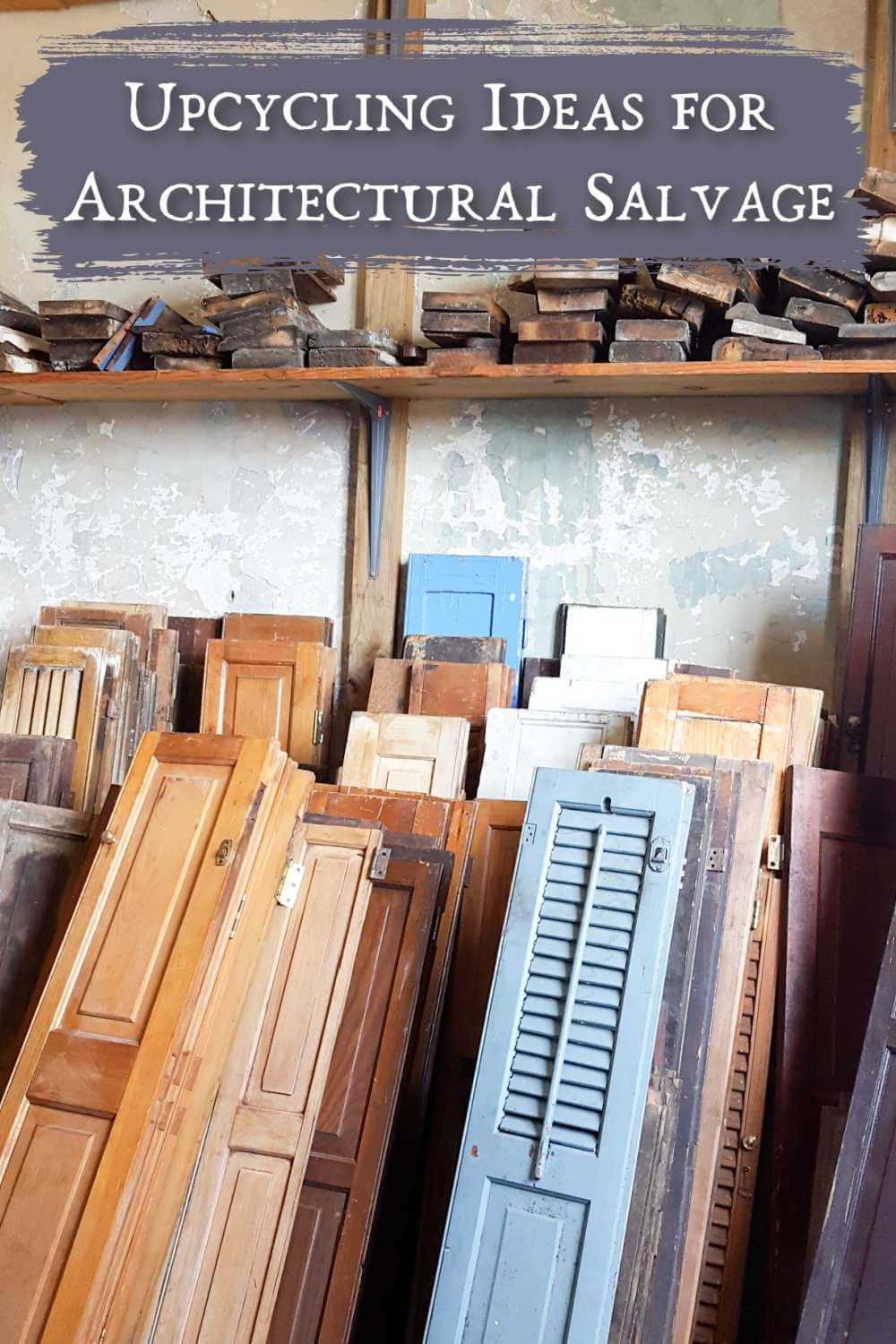
Sustainability is also driving innovation in materials. In 2026, we’re seeing more wainscoting made from reclaimed wood, bamboo, and other eco-friendly composites. These options appeal to environmentally conscious homeowners who want to reduce their carbon footprint without sacrificing style. Reclaimed wood, in particular, adds a unique character, with each board telling its own story through knots, nail holes, and weathered textures. It’s a way to bring history into the home, literally. The choice of material isn’t just about cost or looks anymore; it’s about values. It’s about choosing what fits your lifestyle, your budget, and your principles.
Installation and the DIY Appeal
One of the reasons wainscoting remains so popular is its accessibility. Unlike some architectural features that require specialized skills or heavy machinery, wainscoting is surprisingly DIY-friendly. With basic tools—a saw, a level, a nail gun, and some patience—many homeowners can tackle a wainscoting project themselves. There are countless tutorials online, from YouTube videos to detailed blog posts, guiding beginners through the process step-by-step. This democratization of craftsmanship has empowered people to take ownership of their spaces, adding personal touches that reflect their individual tastes.
Pre-fabricated panels and kits have also made installation easier. Instead of cutting and assembling each piece from scratch, you can buy panels that are ready to install. These kits often come with matching trim and molding, ensuring a cohesive look. For those who prefer a professional finish, hiring a carpenter is still an option, but the cost has become more manageable due to the efficiency of modern materials and methods. This flexibility means that wainscoting isn’t just for luxury homes; it’s accessible to a wide range of budgets and skill levels.
The act of installing wainscoting itself can be rewarding. There’s a tangible satisfaction in measuring, cutting, and fitting pieces together. It’s a slow, deliberate process that contrasts with the fast pace of modern life. It forces you to pay attention to detail, to measure twice and cut once. And when you step back and see the finished product, there’s a sense of pride. You didn’t just buy a decoration; you built a feature. This hands-on approach resonates with the growing maker movement, where people value creation and craftsmanship over consumption. In 2026, this desire to make and mend is stronger than ever, and wainscoting fits perfectly into that ethos.
Does wainscoting add value to a home? The short answer is yes. But it’s not just about resale price, though studies consistently show that well-executed architectural details can boost a home’s market appeal. It’s about the perceived quality of the space. Buyers notice wainscoting. It signals that the home has been cared for, that attention has been paid to the details. It creates an emotional connection, making the house feel more substantial and inviting. In a competitive real estate market, these small touches can make a big difference.
But the value extends beyond money. It’s about the daily experience of living in the space. Wainscoting protects walls from furniture scratches, dog paws, and toddler hands. It’s easier to clean than paint alone, especially in high-traffic areas. A quick wipe-down is often all it takes to keep it looking fresh. This practicality reduces the stress of maintenance, allowing homeowners to enjoy their spaces more fully. It’s a small thing, but in the grand scheme of daily life, these small conveniences add up.
Furthermore, wainscoting contributes to the longevity of a home’s design. Trends come and go, but classic architectural elements endure. A room with wainscoting won’t look dated in five years. It’s a timeless investment that continues to pay dividends in terms of beauty and function. It’s a reminder that good design isn’t about following the latest fad; it’s about creating spaces that stand the test of time. In 2026, as we become more mindful of sustainability and long-term value, this aspect of wainscoting is increasingly appreciated. It’s not just a decorative choice; it’s a wise one.
So, why does wainscoting still matter today? Because it offers more than just decoration. It offers proportion, texture, and a sense of permanence in a world that often feels transient. It bridges the gap between past and present, functionality and beauty. It’s a quiet confidence that doesn’t need to shout to be heard. Whether you’re drawn to its historical roots, its practical benefits, or its aesthetic appeal, wainscoting remains a relevant and powerful tool in interior design. It’s a detail that transforms walls into stories, and houses into homes. And in that transformation, we find a deeper connection to the spaces we inhabit. It’s not just about wood on a wall. It’s about creating a backdrop for life, one that is sturdy, beautiful, and enduring. That’s a value that never goes out of style.
[sps_html tag=”img” src=”https://cdn.northcarolinafinearchitecture.com/2026/05/9-wainscoting-styles-which-one-fits-your-home-best-opple-house-pertaining-to-how-to-choose-wainscoting-that-actually-fits-your-homes-personality-in-2026.png” alt=”9 Wainscoting Styles: Which One Fits Your Home Best? - Opple House pertaining to How to Choose Wainscoting That Actually Fits Your Home’s Personality in 2026″ style=”width: 100%; height: auto;”]
[sps_html tag=”img” src=”https://cdn.northcarolinafinearchitecture.com/2026/05/9-wainscoting-styles-which-one-fits-your-home-best-opple-house-in-wainscoting-design.png” alt=”9 Wainscoting Styles: Which One Fits Your Home Best? - Opple House in Wainscoting Design” style=”width: 100%; height: auto;”]
[sps_html tag=”img” src=”https://cdn.northcarolinafinearchitecture.com/2026/05/8-wainscoting-ideas-to-give-your-home-an-elegant-look-inside-wainscoting-design.jpg” alt=”8 Wainscoting Ideas To Give Your Home An Elegant Look inside Wainscoting Design” style=”width: 100%; height: auto;”]
[sps_html tag=”img” src=”https://cdn.northcarolinafinearchitecture.com/2026/05/what-is-wainscoting-types-benefits-and-how-to-choose-the-right-style-within-wainscoting-design.jpg” alt=”What Is Wainscoting? Types, Benefits, And How To Choose The Right Style … within Wainscoting Design” style=”width: 100%; height: auto;”]
[sps_html tag=”img” src=”https://cdn.northcarolinafinearchitecture.com/2026/05/how-to-determine-the-wainscoting-height-throughout-wainscoting-design.jpg” alt=”How To Determine The Wainscoting Height throughout Wainscoting Design” style=”width: 100%; height: auto;”]