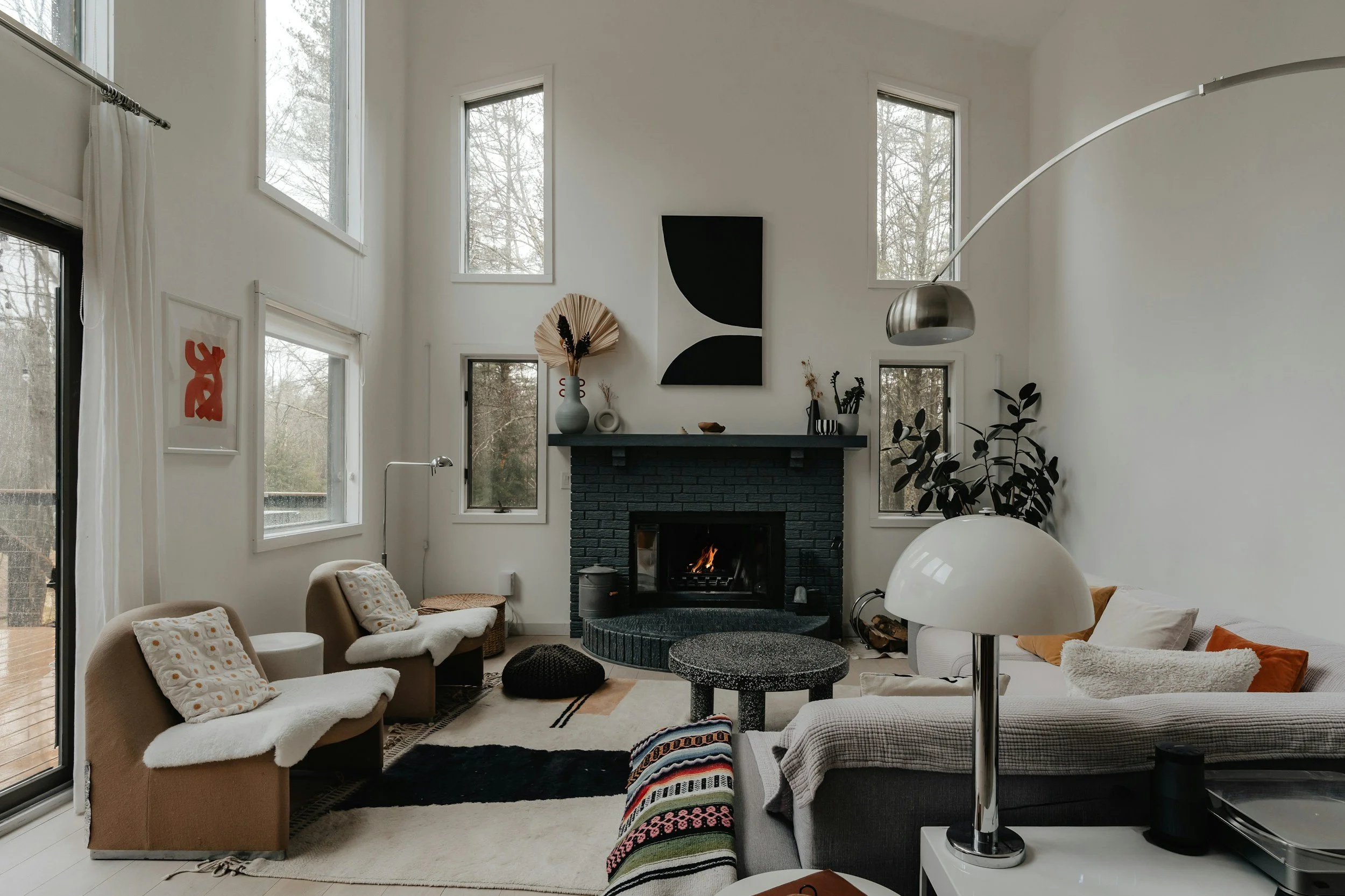
Picture stepping through your front door on a relentless Tuesday evening. Outside, a biting wind scrapes against the windowpanes, and the sky is the color of wet concrete. Inside, however, your foyer welcomes you not with a sterile, clinical glare, but with a low, amber embrace. Almost instantly, your shoulders drop an inch. Your breathing slows. The friction of the workday begins to dissolve, not because you have poured a glass of wine or sat on the couch, but because the photons hitting your retina are whispering a biological message of safety and rest.
Most of us treat home lighting as an afterthought—a mechanical utility akin to indoor plumbing. We buy whatever multipack of LED bulbs happens to be on sale at the hardware store, screw them into our fixtures, and live with whatever raw, unfiltered lumens spill out. Yet, interior lighting is perhaps the most potent, invisible architect of human emotion, hormonal balance, and cognitive performance in our living spaces. We are evolutionary creatures wired to read the sky. When we replace the infinite variability of natural sunlight with static, poorly calibrated indoor illumination, our brains and bodies pay a silent psychological tax.
The intersection of chronobiology, environmental psychology, and residential design reveals that the Correlated Color Temperature (CCT) measured in Kelvin (K) and illuminance measured in lux (lx) dictate far more than whether we can read a book after dark. They govern our cortisol curves, dictate our susceptibility to anxiety, influence our productivity during remote work, and dictate the quality of our restorative sleep. Understanding how to manipulate these two variables transforms a house from a collection of illuminated rooms into a finely tuned instrument for emotional well-being.
Decoding Kelvin and Lux: The Biological Language of Illumination
To understand why a kitchen feels like an operating theater or a bedroom feels like a sanctuary, you have to look past wattage and focus on two metrics: Correlated Color Temperature and illuminance. CCT refers to the visual warmth or coolness of a light source, measured on the Kelvin scale. Far from being a measure of actual heat, the Kelvin scale mimics the natural thermal radiation of a blackbody radiator. Ironically, in lighting design, lower numbers equal warmer colors. A cozy, flickering candle sits at around 1800K, emitting a rich, amber glow dominated by long wavelengths. A standard incandescent bulb hovers near 2700K. Neutral white sits around 3500K to 4000K, while crisp daylight stretches all the way from 5000K to 6500K, packed with short-wavelength blue light.
Illuminance, on the other hand, is measured in lux (the amount of luminous flux per unit area) or foot-candles. It quantifies how bright a surface actually appears when light hits it. While lux is heavily utilized in commercial office planning—where standards mandate at least 500 lux at a desk surface for optimal cognitive performance—its application in the home is deeply psychological. High illuminance paired with high CCT triggers an evolutionary alarm bell associated with midday sun, signaling high alertness, suppressed melatonin production, and elevated cortisol. Low illuminance paired with low CCT mimics dusk, signaling the mammalian brain that predators are less visible, the hunt is over, and it is safe to wind down.
The human eye is not merely an optical camera capturing images for the brain; it houses specialized non-visual photoreceptors known as intrinsically photosensitive retinal ganglion cells (ipRGCs). These cells contain a photopigment called melanopsin, which is exquisitely sensitive to short-wavelength blue light (roughly 460 to 480 nanometers). When melanopsin is stimulated by cool, intense light during the day, it sends direct electrical signals to the suprachiasmatic nucleus—the master circadian pacemaker in the hypothalamus. This neural pathway halts melatonin synthesis, increases core body temperature, and sharpens executive function. When that blue-enriched light is absent in the evening, the brain unlocks melatonin release, prepping the body for deep sleep. When we install blaring 5000K LED panels in our bedrooms, we short-circuit this ancient biological machinery, creating an internal state of perpetual circadian jet lag.
Environmental Psychology and Emotional Regulation Across Living Spaces
Different rooms in a home serve radically different psychological functions, demanding tailored lighting profiles that match our behavioral intentions. A living room is a zone of transition and socialization. It needs to accommodate everything from a high-energy game night with friends to a solitary, introspective evening reading session. If your living room relies on a single, blazing overhead ceiling fixture—a design sin colloquially known as the "landlord special"—the psychological effect is flattening and alienating. Overhead, omnidirectional glare forces the nervous system into a state of hyper-vigilance because, in nature, high-angle bright light equates to the open sky at noon, leaving us feeling exposed.
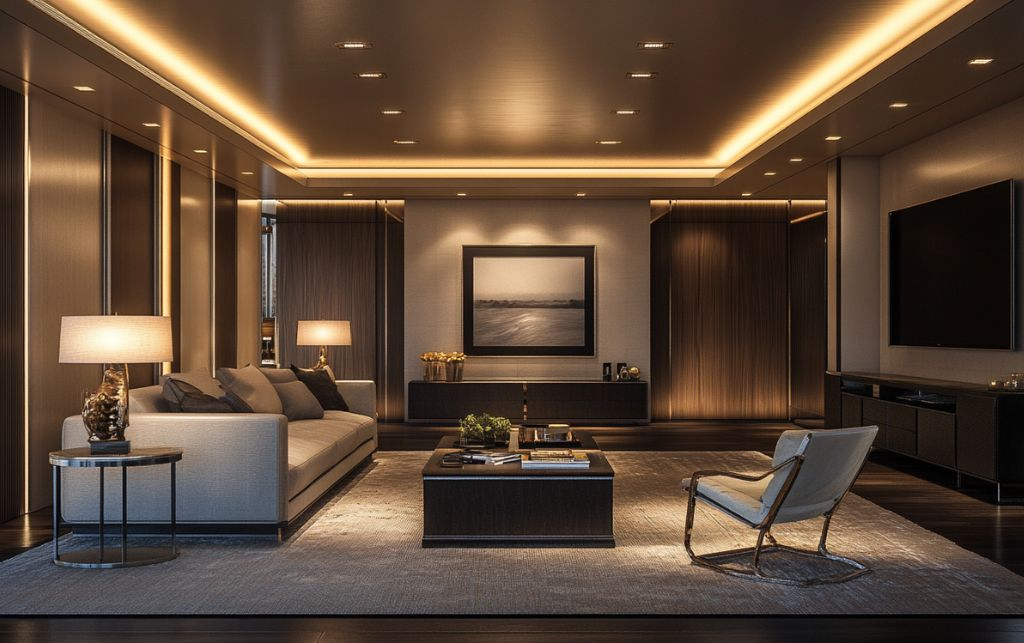
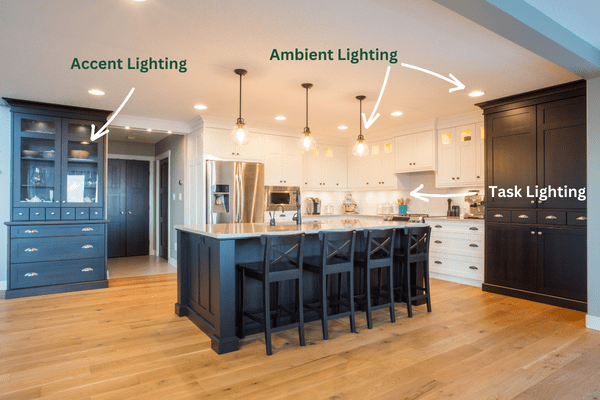
Layered lighting design solves this by respecting the three tiers of residential illumination: ambient, task, and accent lighting. By keeping ambient light low and warm (around 2400K to 2700K) and utilizing low-level floor lamps, wall sconces, and table lamps positioned at or below eye level, you mimic the psychological safety of a campfire or a shaded forest canopy. This encourages parasympathetic nervous system dominance, reducing heart rates and fostering interpersonal warmth and vulnerability during conversations. Conversely, spaces dedicated to labor—such as home offices or kitchen prep counters—require a completely different psychological framework.
In a workspace, the goal is sustained cognitive vigilance and working memory retention. Research in environmental psychology consistently shows that exposure to cooler color temperatures (4000K to 5000K) at moderate to high illuminance levels (300 to 500 lux at the work plane) reduces subjective fatigue during mentally demanding tasks. It prevents the afternoon slump by anchoring alertness. However, a critical design paradox emerges here: while cool light aids daytime focus, leaving those same 5000K fixtures blazing past 8:00 PM delays sleep onset latency by hours. The very light that helps you write a complex spreadsheet at 2:00 PM will wreck your REM cycles if left unchecked at night. Psychological adaptability—the ability of your home environment to shift its lighting character as the clock moves—is the ultimate hallmark of modern residential lighting design.
The Chronobiological Blueprint: Step-by-Step Implementation Guide
Transforming your home from a static luminous box into a dynamic, chronobiologically supportive environment requires a methodical, room-by-room strategy. You do not need to gut your electrical wiring; modern smart lighting ecosystems, tunable white LEDs, and physical zoning make this entirely accessible.
- Step 1 (Audit Your Existing CCT and Lumen Load): Walk through your home during your typical evening routine and catalog every lightbulb. Identify glaring offenders, such as harsh 5000K LEDs in bedside lamps or industrial cool-white bulbs in dining room chandeliers. Note where your spaces feel sterile versus where they feel inviting, and map out which areas need lower color temperatures.
- Step 2 (Establish the Circadian Anchor in Common Zones): Upgrade your kitchen and primary workspaces to smart tunable white bulbs or fixtures capable of outputting 2700K to 5000K. Program them to automatically shift throughout the day: bright and cool (4000K–5000K at 400 lux) during morning hours to anchor your circadian rhythm, shifting down to a neutral white (3500K) by mid-afternoon.
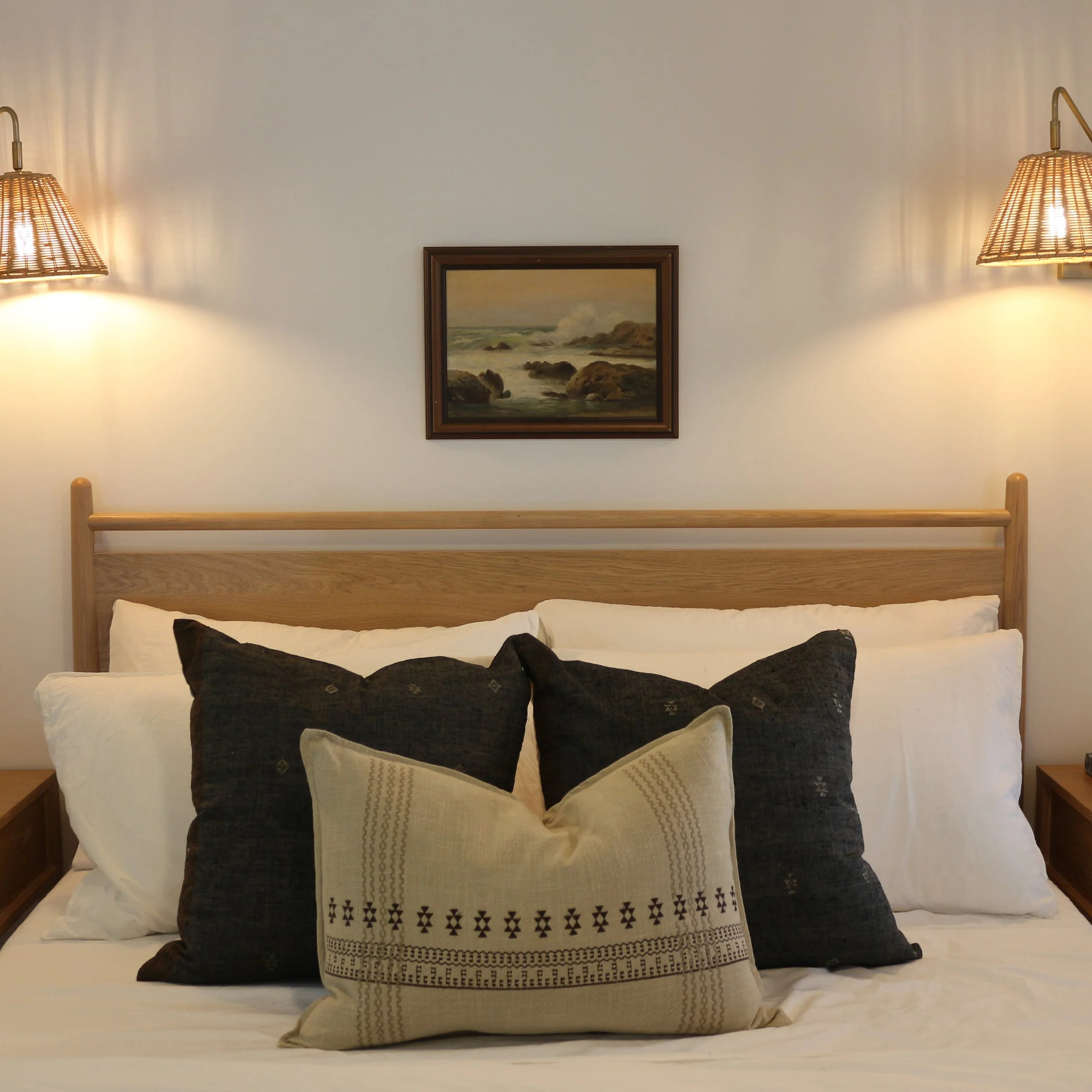
- Step 3 (Sanctify the Bedroom for Sleep): Strip all cool-toned light sources from bedrooms and nurseries. Install dimmable, ultra-warm LEDs (1800K to 2400K) or smart bulbs capped at low lumen outputs. Ensure that reading lights beside the bed utilize warm wavelengths that minimize melanopsin stimulation, preventing the midnight-scroll insomnia trap.
- Step 4 (Implement Low-Level Vertical Lighting): Ditch the reliance on harsh overhead central lighting. Instead, embrace multi-tiered illumination by placing floor lamps, cove lighting, and directional wall sconces that bounce light off vertical walls. Lighting vertical surfaces makes rooms feel larger, psychologically calmer, and visually softer than blasting light straight down onto the floor.
- Step 5 (Automate the Twilight Transition): Program your home automation system or smart switches to initiate a "sunset routine" starting two hours before your target bedtime. Gradually dim overall illuminance levels by 50% or more and drop color temperatures down to a warm 2200K amber glow, signaling your biological clock that the day is drawing to a close.
Common Lighting Mistakes and Field-Tested Practitioner Workarounds
Even with the best intentions, homeowners frequently stumble into architectural and psychological traps when upgrading their lighting. Recognizing these pitfalls prevents costly mistakes and ensures your space supports your mental health rather than undermining it.
- Pitfall 1 (The Lumens Arms Race): Homeowners often panic that a room is too dark and over-compensate by installing high-lumen, high-Kelvin bulbs in every socket, creating a clinical, anxiety-inducing environment resembling a hospital ward. Workaround: Focus on layered lighting rather than raw power. Use multiple low-lumen sources (e.g., three 400-lumen lamps instead of one 1600-lumen ceiling bulb) to create pool-like gradients of light and shadow, which feel psychologically comforting and rich.
- Pitfall 2 (Ignoring Color Rendering Index [CRI]): Buying cheap LEDs that boast high lumens and adjustable colors while ignoring CRI (Color Rendering Index). Poor CRI values below 80 make skin tones look sickly, food look unappealing, and wooden furniture look muddy, creating a subconscious sense of unease. Workaround: Strictly purchase LED bulbs with a CRI of 90 or higher (ideally 95+), ensuring that the spectrum of light accurately reflects true colors and fosters visual comfort.
- Pitfall 3 (Static Lighting All Day Long): Keeping the exact same color temperature and brightness blazing at 8:00 AM as you do at 10:00 PM, which confuses the pineal gland and disrupts sleep architecture. Workaround: Utilize astronomical timers or circadian lighting apps that automatically sync indoor bulb color temperatures with the natural arc of the sun outside your window.
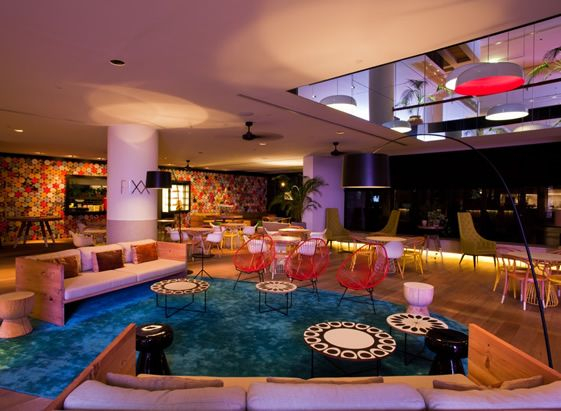
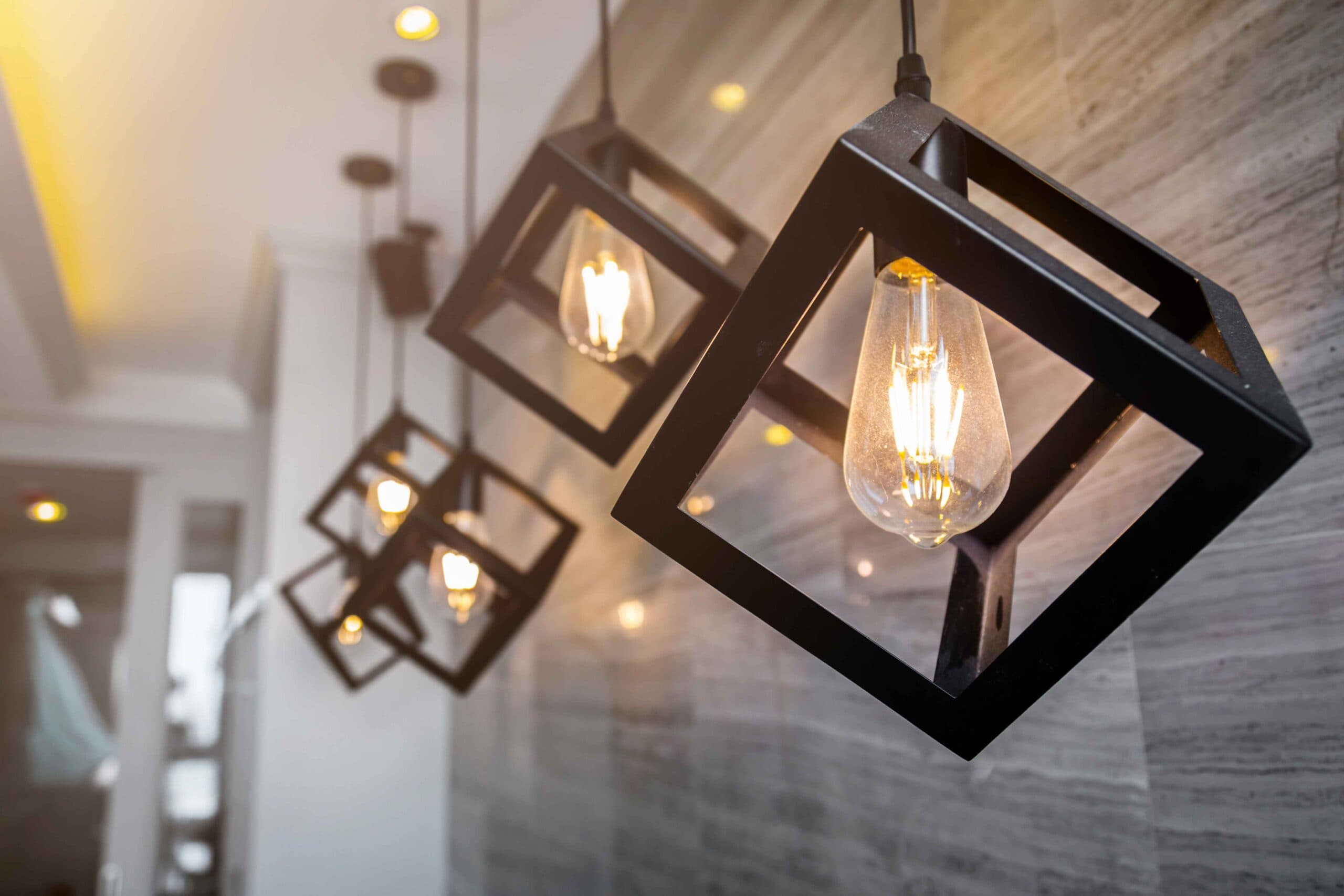
- Pitfall 4 (Exposed Glare Hazards): Installing transparent glass pendant lights or bare-bulb Edison fixtures right in the direct line of sight while sitting on a couch or dining chair, causing chronic visual fatigue and micro-stressors. Workaround: Ensure all light sources are shielded by frosted glass, shades, or deep-recessed baffles so the filament or diode is never directly piercing your retinas from a low angle.
- Pitfall 5 (Treating Dimmers as an Afterthought): Relying on non-dimmable switches or cheap dimmer switches that cause LED bulbs to flicker, hum, or abruptly cut out at low percentages, driving sensory irritation. Workaround: Invest in high-quality trailing-edge (ELV) LED dimmers matched specifically to your bulb drivers, allowing smooth, butter-soft dimming down to 1% intensity for late-night relaxation.
The Economic and Sustainable Dimensions of Intentional Illumination
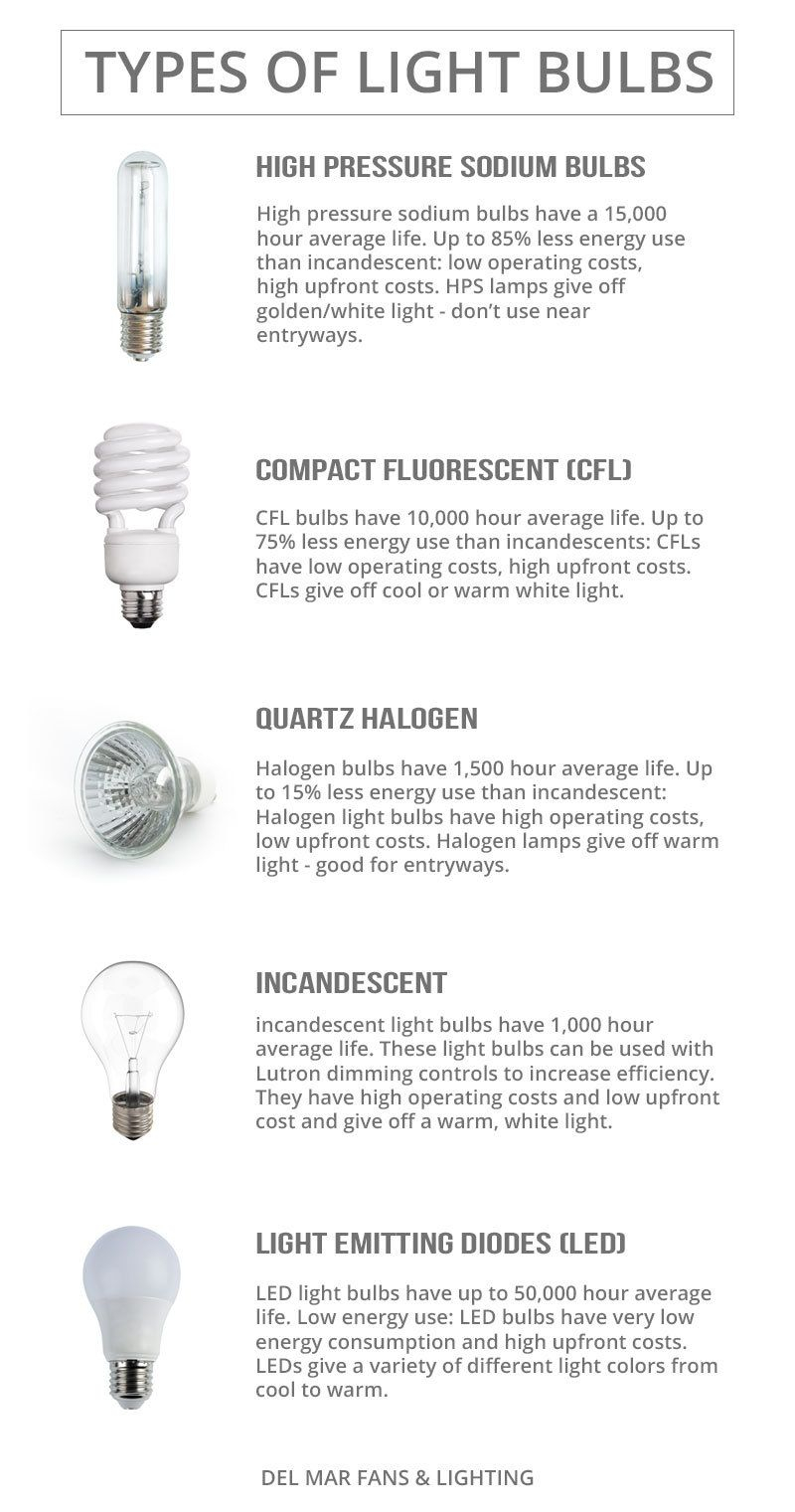
Beyond immediate psychological comfort and physiological health, designing your home lighting with intention carries profound economic and environmental benefits. For decades, the energy crisis of traditional incandescent lighting forced a crude binary choice between high electricity bills and poor-quality, yellowish light. The rapid maturation of solid-state LED technology has completely rewritten this equation. Modern high-CRI tunable LED systems consume a fraction of the energy of their legacy counterparts while offering unprecedented control over wavelength output.
When you calibrate your home lighting to respect natural human biology, you inadvertently reduce unnecessary energy consumption. By utilizing lower illuminance levels in the evening hours—ditching the blazing 100-watt equivalents for soft, 200-lumen accent lighting—you slash household electrical loads during peak evening grid hours. Furthermore, reducing artificial light pollution inside the home directly correlates with improved sleep efficiency. In financial terms, better sleep translates to enhanced cognitive resilience, lower healthcare costs, higher workplace productivity, and fewer sick days.
The sustainability argument extends to the lifespan of hardware as well. Cheap, unbranded LEDs degrade rapidly, shifting color temperatures awkwardly toward sickly green or purple hues within months of installation and ending up in landfills. Investing in commercial-grade, architectural-quality LED modules with replaceable drivers ensures a multi-decade lifespan. This approach treats residential lighting not as a disposable consumer commodity, but as a permanent architectural layer of the home that honors both planetary resources and human neurology.
Actionable Frameworks for Crafting Your Personal Light Sanctuary
As you begin translating these principles into your daily life, it helps to adopt a systematic framework for evaluating your home’s psychological atmosphere. Lighting design is not an immutable, one-size-fits-all formula; it must bend to your personal chronotype, architectural layout, and psychological needs. Night owls, shift workers, and early birds all require slightly different lighting schedules to achieve optimal emotional and cognitive balance.
- Framework 1 (The Horizon Rule): Keep your light sources at or below eye level during the evening hours to mimic the setting sun, and keep them above eye level during the morning to mimic the rising sun.
- Framework 2 (The 3-to-1 Contrast Ratio): Ensure that the contrast between your primary task area and the surrounding ambient background does not exceed a 3-to-1 ratio, preventing the visual fatigue caused by staring into a bright lightbox surrounded by pitch-black darkness.
- Framework 3 (The Color Temperature Bracket): Use 2700K as your baseline residential standard for living and resting spaces, reserve 4000K strictly for active workspaces and kitchens, and banish anything above 4000K from living areas entirely.
By implementing these boundaries, your home ceases to be a passive shelter and becomes an active participant in your mental health. You reclaim control over your circadian rhythms, foster deeper connections with family members in warm, inviting spaces, and protect your mind from the subtle, grinding fatigue of modern light pollution.
We spend upwards of ninety percent of our lives indoors, bathed in artificial spectra that our evolutionary ancestors never encountered. We have built magnificent, climate-controlled fortresses, yet we have often starved them of the dynamic, rhythmic vitality of natural light. Rectifying this oversight does not require moving to a glass cabin in the woods or tearing down your drywall. It requires a fundamental shift in how we perceive photons: not as dead energy that turns on a switch, but as biological nutrients that feed our brains and shape our souls.
When you take the time to tune your home’s color temperatures and dim your illuminance levels as dusk falls, you are engaging in an act of profound self-care. You are telling your nervous system that it is safe to let go of the day’s anxieties. You are creating a physical container that respects your biology, champions your rest, and sharpens your focus when it matters most. Look around your rooms tonight, grab a screwdriver or open a smart app, and begin the quiet work of turning your home into the sanctuary you deserve.