Have you ever looked out at a thirsty, manicured lawn and wondered if there is a better way? Maintaining traditional turf often feels like a never-ending chore filled with watering and endless mowing. Luckily, gardening habits are shifting across the board. People want outdoor spaces that look wonderful without demanding all their free time and resources.
Enter the world of sustainable native landscaping. By choosing plants that naturally belong in your region, you work with Mother Nature instead of fighting her. As we move through 2026, climate-ready gardens have become the ultimate standard for eco-friendly living. Let us dive into how you can transform your own piece of earth into a thriving sanctuary.
Assessing Your Yard Before You Dig
Before buying a single shrub, take a good look at your property. Every yard has unique characteristics like sunny spots, shady corners, and natural slopes. Understanding your soil type is just as crucial. Is it heavy clay or quick-draining sand? Knowing these details helps you pick greenery that will actually love living in your specific environment.
Site assessment forms the bedrock of any successful yard project. When you match plants to the conditions they evolved for, you instantly cut down on future headaches. You won’t need heavy fertilizers or constant fixes. Instead, you set the stage for a resilient outdoor space that handles local weather swings with ease.
Choosing the Right Plants for Your Region
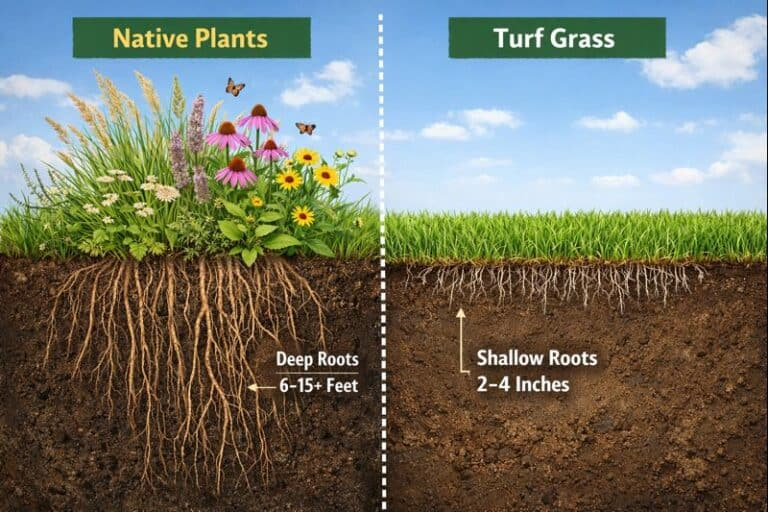
The secret sauce to a low-maintenance yard is regional selection. Native species have deep roots and natural defenses built over thousands of years. They know how to handle local droughts and chill winters because they grew up doing it. Whether you live near breezy coasts or dry inland plains, there is a whole palette of local flora waiting to shine.
Look for local nurseries specializing in regional flora rather than big box stores selling generic imports. Mixing different types of grasses, perennials, and small trees creates visual depth. Plus, this variety mimics actual natural communities like woodlands or prairies. Your yard stops looking like a plastic turf carpet and starts looking like a living ecosystem.
Designing for Water Conservation
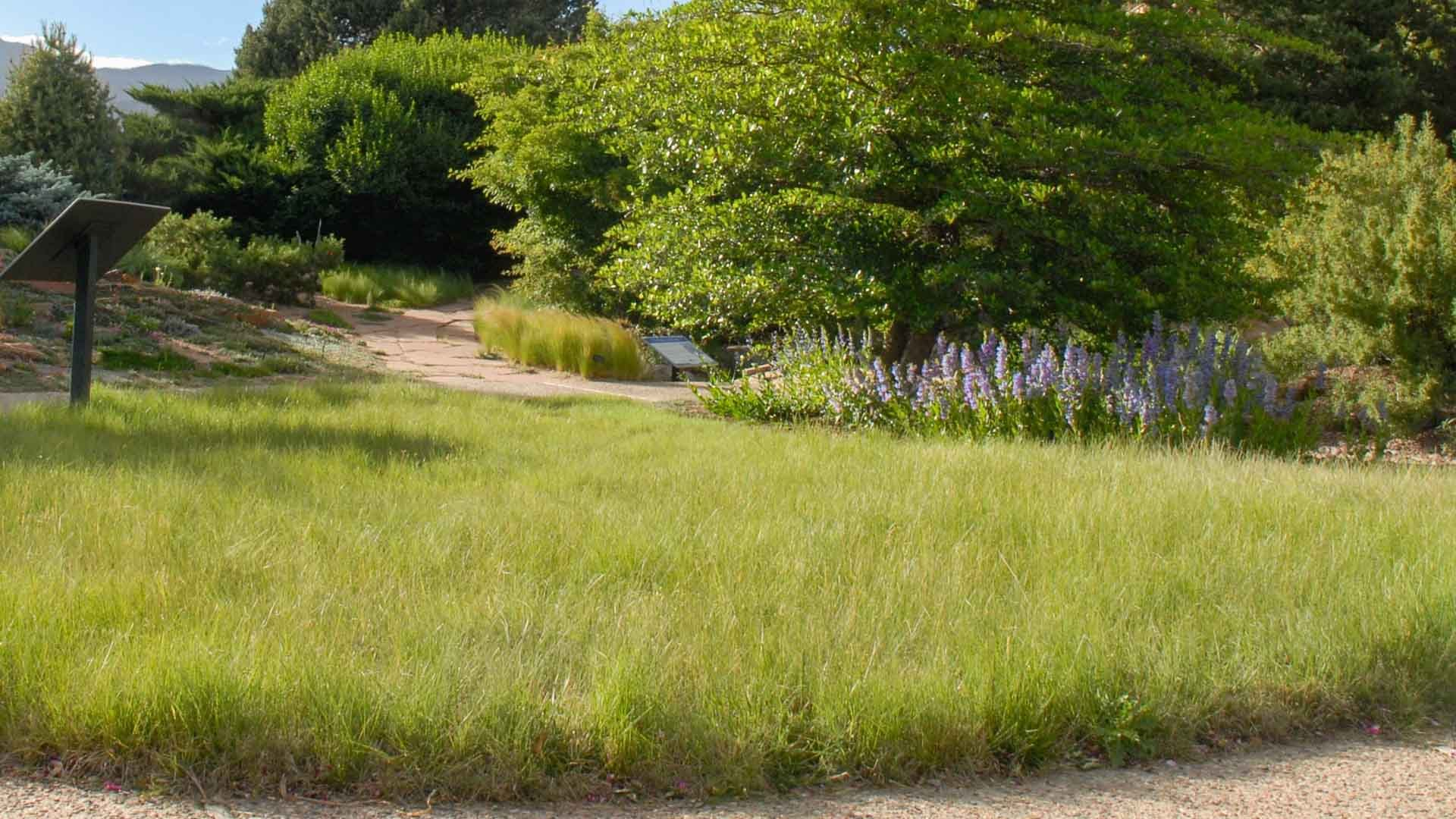
Water is precious, and modern landscape design reflects that reality. Traditional grass lawns drink massive amounts of municipal water just to stay green through July. Climate-ready gardens flip the script by utilizing drought-tolerant native plants that often survive entirely on rainwater once established.
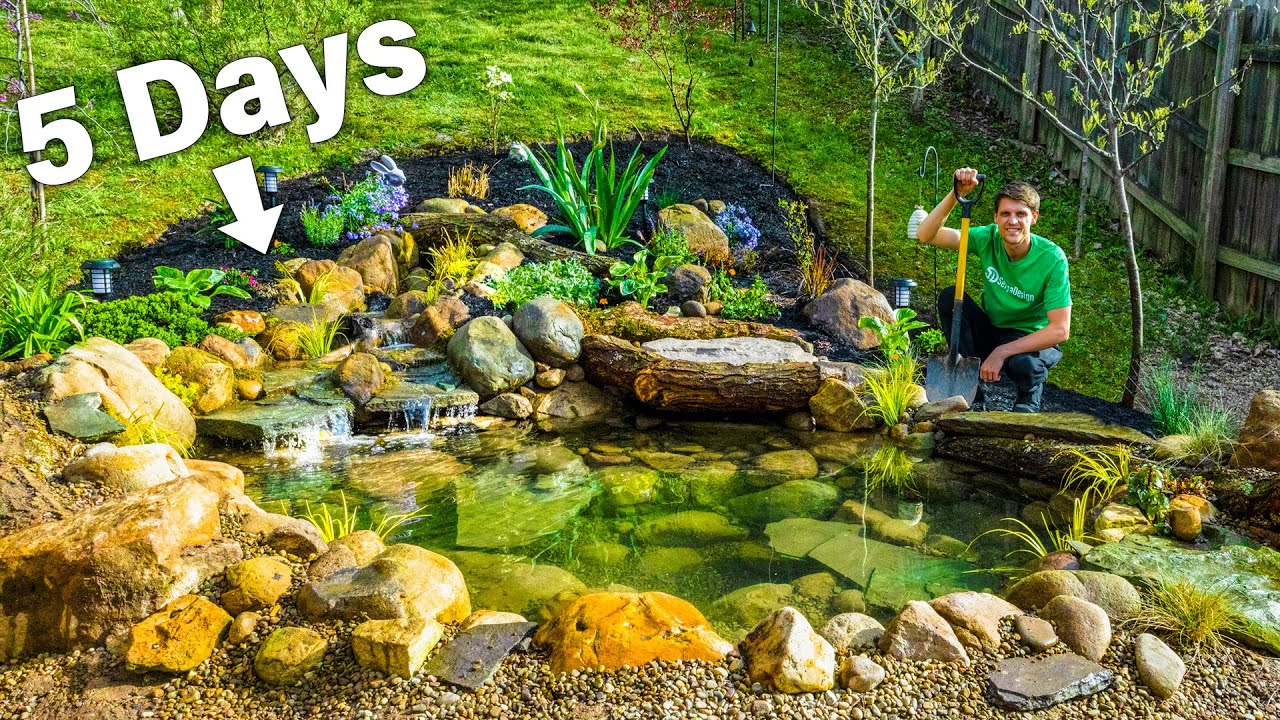
You can also shape your terrain to catch rainfall naturally. Creating small rain gardens or gentle swales allows runoff to sink into the ground instead of washing down the street. This smart water management protects local watersheds while keeping your garden lush. It is a win-win for both your water bill and the planet.
Supporting Local Wildlife and Pollinators
A truly sustainable yard is never empty. It buzzes with life. Native plants provide essential food and shelter for local bees, butterflies, and songbirds. Imported ornamental plants might look pretty, but local bugs often do not recognize them as a food source.
By building a habitat garden, you help rebuild fragmented local ecosystems. Watching goldfinches pluck seeds from coneflowers or watching native bees drift from bloom to bloom adds incredible joy to daily life. Biodiversity turns your backyard from a quiet plot of dirt into a vibrant theater of nature.
Slashing Maintenance and Labor
Let us talk about your weekends. Nobody wants to spend every Saturday pulling weeds or wrestling with broken sprinklers. Because native species adapt seamlessly to local soils, they generally require far less fuss. Once they settle in during their first growing season, they mostly take care of themselves.
Cutting back on synthetic fertilizers and chemical pesticides also keeps your soil healthy. Over time, organic matter builds up naturally through fallen leaves and decaying roots. You get a gorgeous, functional outdoor retreat that requires a fraction of the physical labor. More time to relax, less time sweating behind a lawnmower.
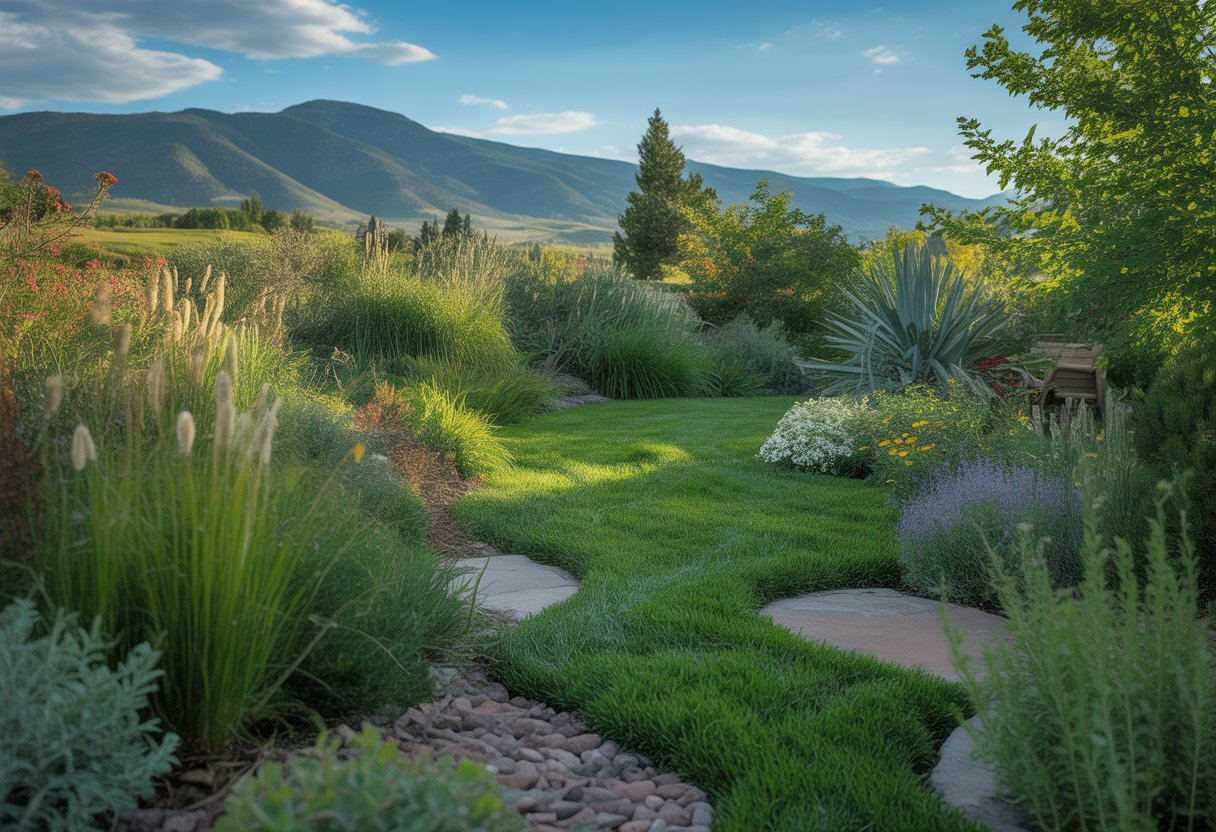
Some folks worry that native yards will look wild or messy, but that is a common myth. Thoughtful design brings elegance to wild spaces. Using neat borders, winding stone pathways, and intentional groupings keeps everything looking polished and intentional.
Contrast textures by pairing wispy native grasses with broad-leafed flowering perennials. Add a cozy bench or a rustic birdbath to anchor the space. When you blend wild ecology with clean design lines, you get a stunning landscape that turns heads in the neighborhood while staying deeply eco-friendly.
Designing a sustainable native landscape is one of the most rewarding projects you can tackle this year. It connects you deeply to the rhythm of the seasons and your local environment. By working alongside nature rather than against it, you create a gorgeous, resilient outdoor haven that gives back more than it takes.
So grab a shovel and start small if you need to. Replace just one patch of thirsty turf with a vibrant cluster of local perennials. Before you know it, your yard will transform into a buzzing, self-sustaining masterpiece that brings you peace and supports the world outside your window.