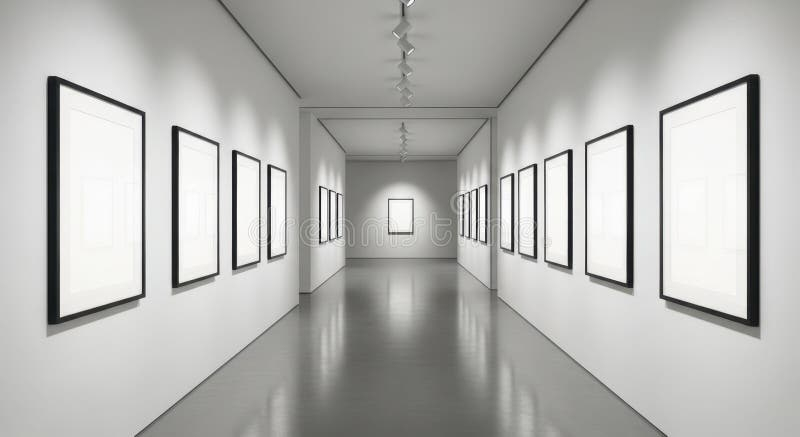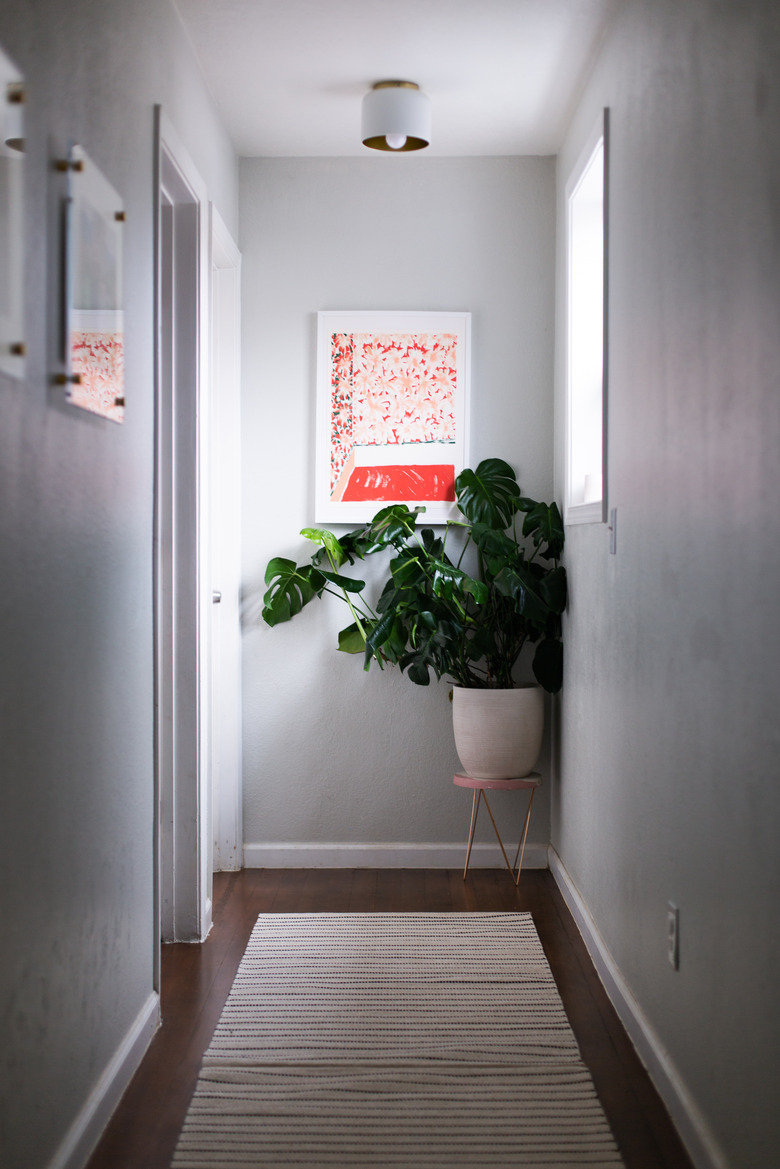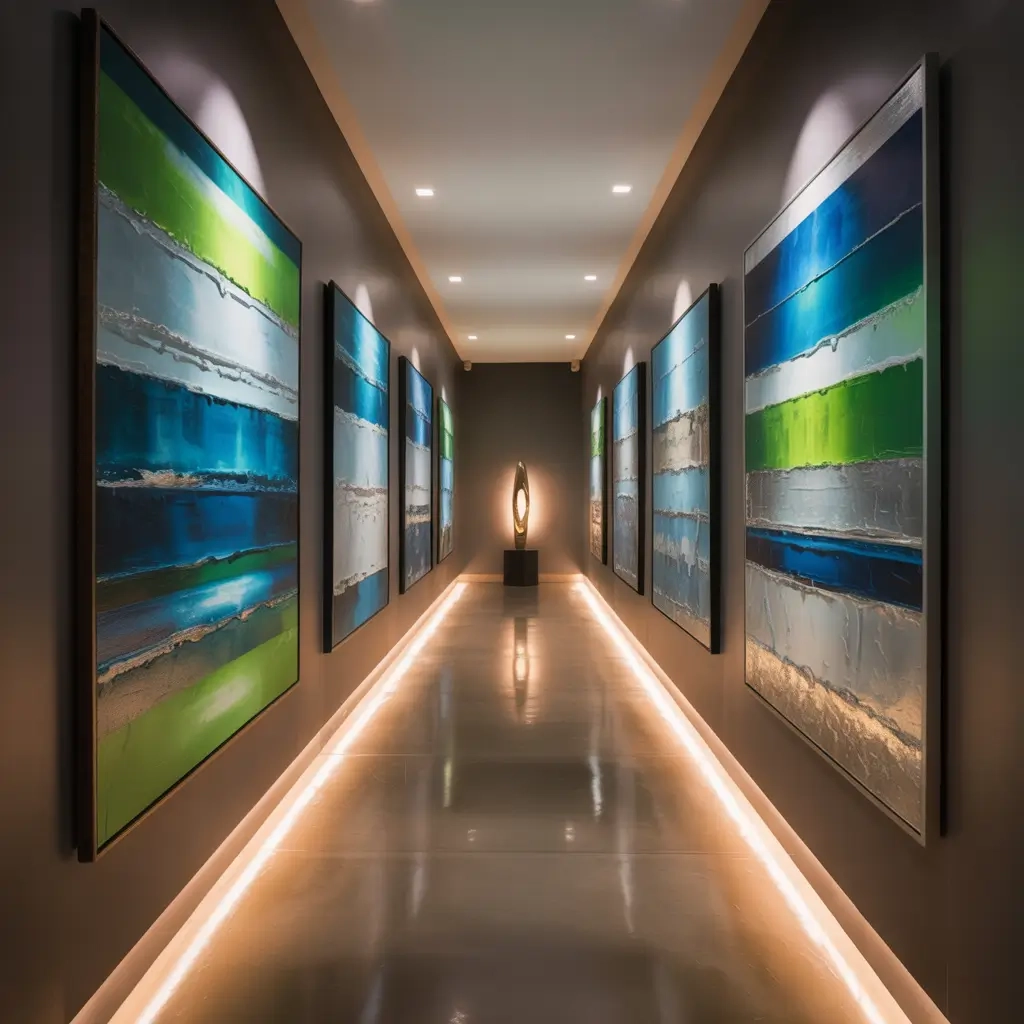
Have you ever stared at a stunning painting on a gallery wall and wondered why it feels so alive. The colors pop, the texture of the brushstrokes jumps out at you, and every little detail tells a story. But have you ever stopped to think about what is happening to that piece behind the scenes.
Lighting can make or break how we experience art. Yet, the very rays that bring a masterpiece to life can slowly destroy it over time. It is a quiet tug-of-war between display and preservation.
The Hidden Threat Lurking in Common Bulbs
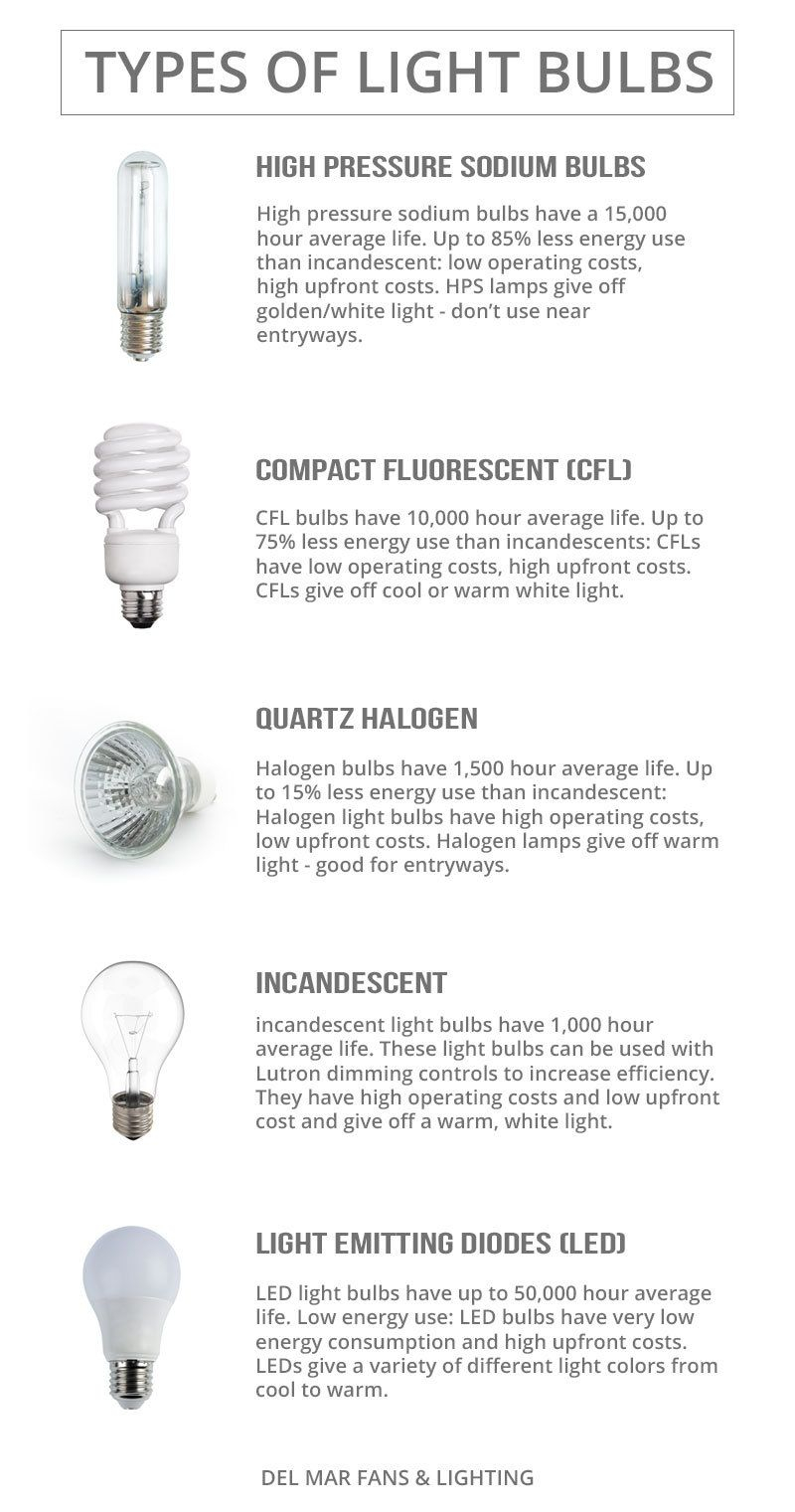
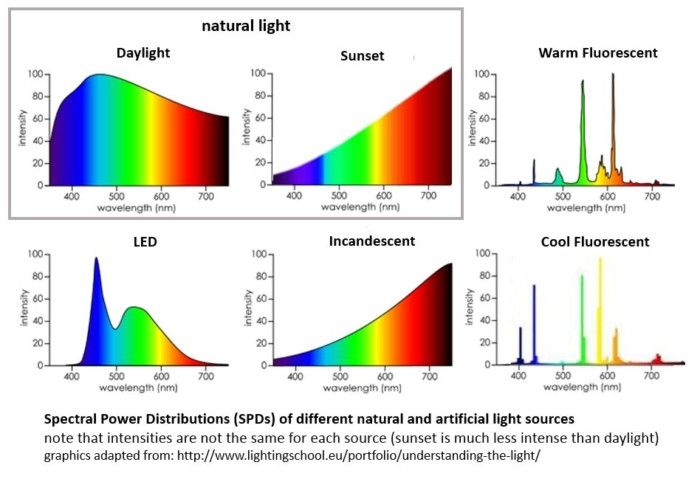
When we think about art damage, we usually picture humidity or accidental spills. But light itself carries invisible dangers. Traditional incandescent and halogen bulbs pump out massive amounts of heat alongside harsh ultraviolet rays.
Over the years, these hidden forces break down delicate pigments and dry out canvas fibers. Colors that once popped begin to fade and dull. It is a heartbreaking process that happens so slowly you might not notice until it is too late.
Why LEDs Became the Gold Standard for 2026 Art Displays
Thankfully, lighting technology has come a long way. By the year 2026, light emitting diodes have completely transformed how we protect and showcase our favorite pieces. Unlike old-school bulbs, modern LEDs run cool and emit virtually zero ultraviolet radiation.
This shift means you can keep your art illuminated for hours without cooking the paint layers. It gives collectors peace of mind. You get all the visual brilliance with none of the destructive baggage.
Finding the Sweet Spot with Placement and Angles
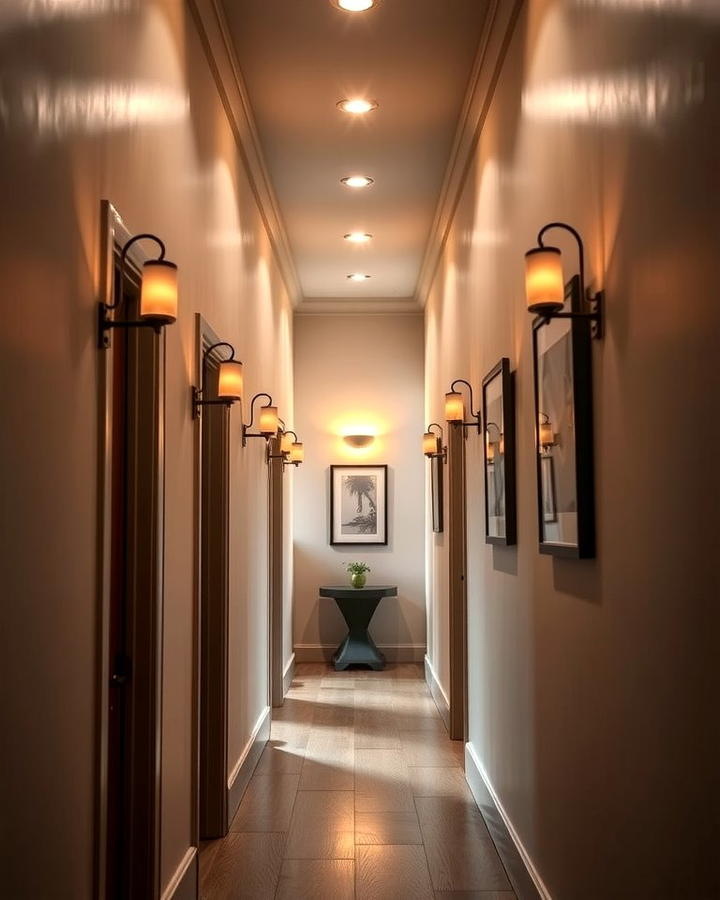
Even with the safest bulbs, positioning matters immensely. If you slap a light directly above a frame, you end up with harsh glares and uneven shadows. It flattens the visual depth and ruins the viewing experience.
Experts recommend mounting fixtures at a strict thirty degree angle. This simple trick washes the canvas in even illumination without creating annoying hotspots. Every corner gets the attention it deserves.
Color Temperature and Rendering True Hues
Have you ever bought a piece that looked totally different at home compared to the studio. That usually comes down to color temperature. Measured in Kelvin, it dictates whether a light looks warm and yellow or cool and blue.
For most canvas art, you want a rating between three thousand and thirty five thousand Kelvin. This range mimics natural daylight without washing out subtle earth tones. Your reds stay rich and your blues stay deep.
Managing Lumens and Brightness Levels
Brighness is another piece of the puzzle that many people overlook. Blasting a delicate watercolor with high lumen output is a recipe for disaster. Paper and delicate pigments simply cannot handle intense glare.
As a general rule of thumb, keep your lighting subdued. Galleries often limit exposure to low foot candles to ensure longevity. Treating your home collection with similar care keeps things vibrant for decades.
Even the best lights can cause harm if left on twenty four seven. Integrating smart timers and dimmers adds an extra layer of defense. You can program your display lights to turn off automatically when the room is empty.
Some advanced systems even adjust intensity based on ambient daylight streaming through windows. Technology now does the heavy lifting for us, balancing aesthetic beauty with strict conservation needs.
At the end of the day, lighting art is truly an art form in its own right. It requires patience, careful planning, and a little respect for the physics of light. By choosing the right fixtures and keeping an eye on placement, you ensure your favorite pieces survive and thrive.
Your walls deserve to look stunning. And the treasures hanging on them deserve a long, healthy life. With these simple strategies, you can enjoy the best of both worlds without compromise.