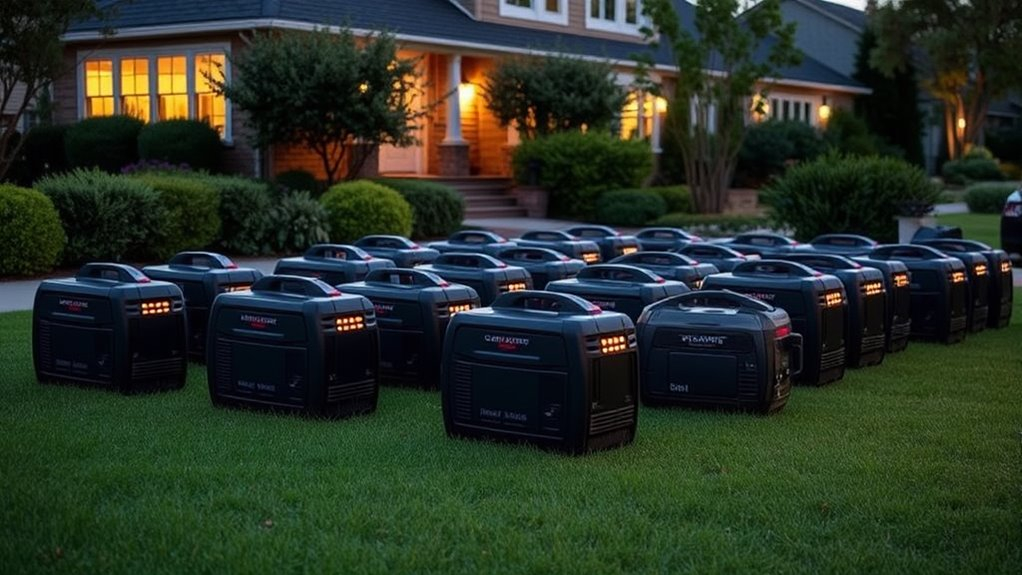
Remember the old storm drill. The wind starts howling, the lights flicker once, twice, & then total darkness. You sigh, grab a flashlight, and head out into the pouring rain to drag that heavy, gas-guzzling generator out of the shed. You pull the cord. Nothing. You pull it again, smelling the stale fuel, praying it catches. It is loud, dirty, & stressfull.
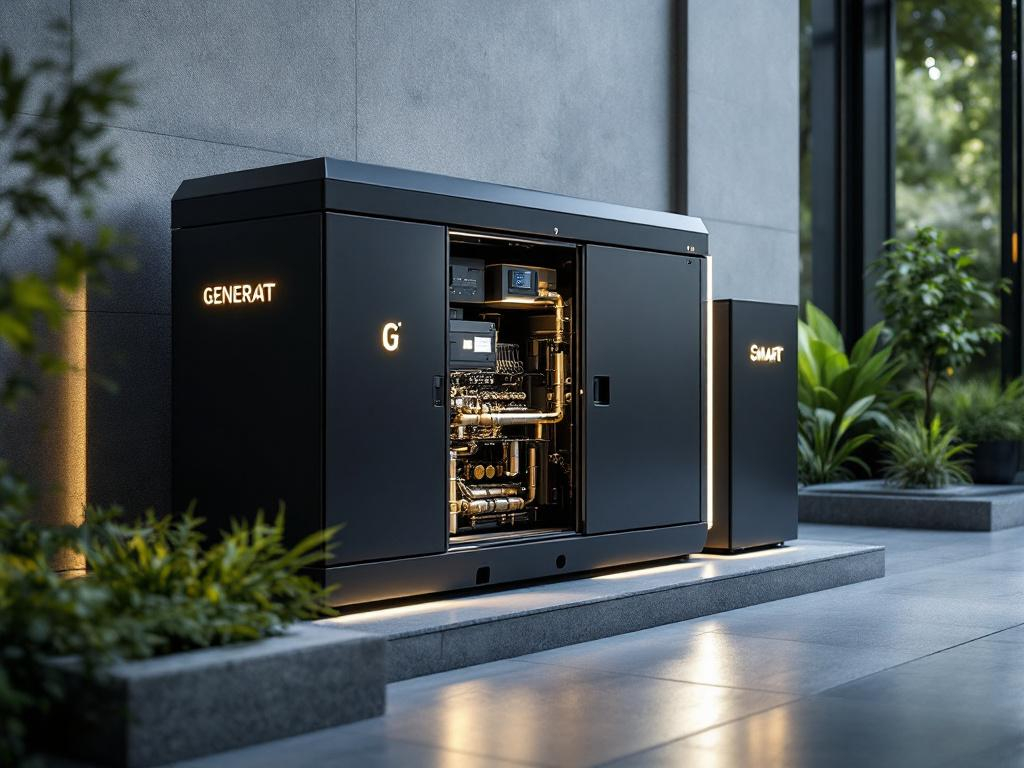
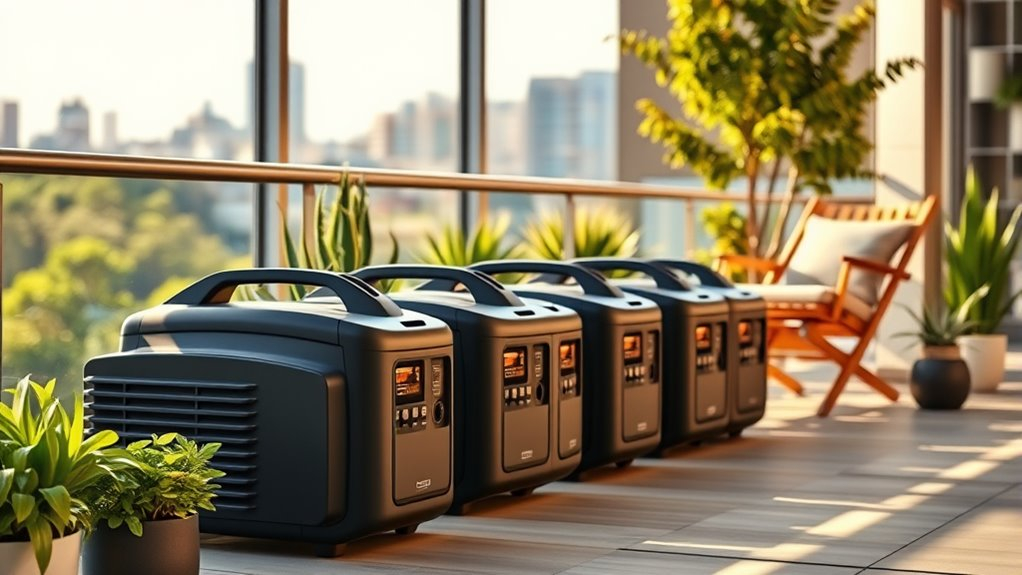
But things are changing fast in 2026. A quiet revolution is happening on the sides of our homes. Instead of those rumbling engines, people are mounting sleek, silent boxes on their garage walls. Battery storage is no longer just a luxury for tech-nerds or off-grid homesteaders. It is completely redefining how we plan for emergencies.
Out With the Loud, In With the Quiet
Let’s be honest, the classic backup generator has always been a bit of a hassle. They require constant maintenance, you have to store highly flammable gasoline in your garage, and they make enough noise to wake up the entire block. If a massive storm hits, you might find yourself waiting in long lines at the local gas station just to keep your fridge running.
Home batteries, like lithium iron phosphate systems, change that whole dynamic. They sit quietly on your wall, waiting for the power grid to fail. There are no moving parts, no engine oil to change, & absolutely zero toxic fumes. When the grid goes down, they just take over without you having to lift a finger. It is a completely different feeling of security.
The Magic of Instant Power
One of the biggest issues with older backup setups is the delay. Even with an automatic standby generator, there is usually a tense minute of darkness while the engine cranks up. Your computers shut down, your Wi-Fi drops, & all the digital clocks in your house start blinking 12:00. It is a minor annoyance that feels incredibly frustrating in our connected world.
With a modern battery backup, the switch happens in milliseconds. It is so fast that your television won’t even flicker. The secret lies in smart gateway switches that instantly isolate your home from the failing utility grid. This protects utility workers down the street while keeping your home running smoothly. You might not even realize the neighborhood lost power until you look out the window & see your neighbors’ dark houses.
Building Your Own Tiny Power Grid
On their own, batteries are great, but when you pair them with solar panels, they turn your home into a self-sustaining island. During a prolonged blackout—like the ones we have been seeing more often lately—solar panels can recharge the battery during the day while the battery keeps your lights & fridge running all night. It is an endless loop of clean power.
Without a battery, standard solar panels actually shut off during a blackout to prevent pushing electricity back into broken power lines. That means a solar-powered house without storage is just as dark as everyone else’s during a storm. Adding a battery unlocks the full potential of those panels, creating a true personal microgrid that can keep you comfortable for days, or even weeks.
More Than Just an Emergency Backup
Here is where things get really interesting. A traditional gas generator sits idle 99% of the year, rustting away until a big storm hits. It is a sunk cost. But a home battery works for you every single day, saving you money on your electric bill even when the weather is perfectly clear.
Most utility companies now charge more for electricity during "peak hours"—usually in the late afternoon and evening when everyone comes home from work. Smart batteries can charge up when electricity is cheap (like in the middle of the night) & discharge to power your home when rates spike. This process, called load shifting, means your emergency backup is actively paying for itself throughout the year.
The Move to Safer, Smarter Technology
When people think of batteries catching fire, they usually think of cheap phone chargers or older electric vehicles. But home battery technology has evolved leaps and bounds. Most modern residential batteries use Lithium Iron Phosphate (LFP) chemistry rather than Lithium Nickel Manganese Cobalt (NMC). LFP batteries are incredibly stable and almost impossible to overheat.
They also play nice with modern smart home ecosystems. You can open an app on your phone & decide exactly which appliances get power during an emergency. If you want to turn off the guest room AC to save energy for the refrigerator, you can do it with a quick tap. This level of control was unimaginable with old-school backup systems.
The Real Cost and Future Outlook
Now, we have to talk about the elephant in the room: the upfront price. Buying a home battery system is definitly an investment. However, in 2026, new tax credits and utility incentives have brought the cost down significantly. Many power companies are even paying homeowners to use their batteries during hot summer days to help balance the grid.
These programs, often called virtual power plants, mean your battery can actually earn you cash. When you add up the daily savings, the peace of mind, and the potential grid-sharing payments, the math starts to make a lot of sense. We are moving toward a future where every home is its own little power plant, making the entire community more resilient.
Designing emergency power for our homes is no longer about just surviving a rough weekend in the dark. It is about taking control of your own energy, living more sustainably, and having total peace of mind.
The era of the noisy, smelly generator is drawing to a close. As our weather gets wilder & our grids get older, home batteries are proving that the best way to handle an emergency is with a quiet, smart, and always-ready solution. It’s simply a better way to live.