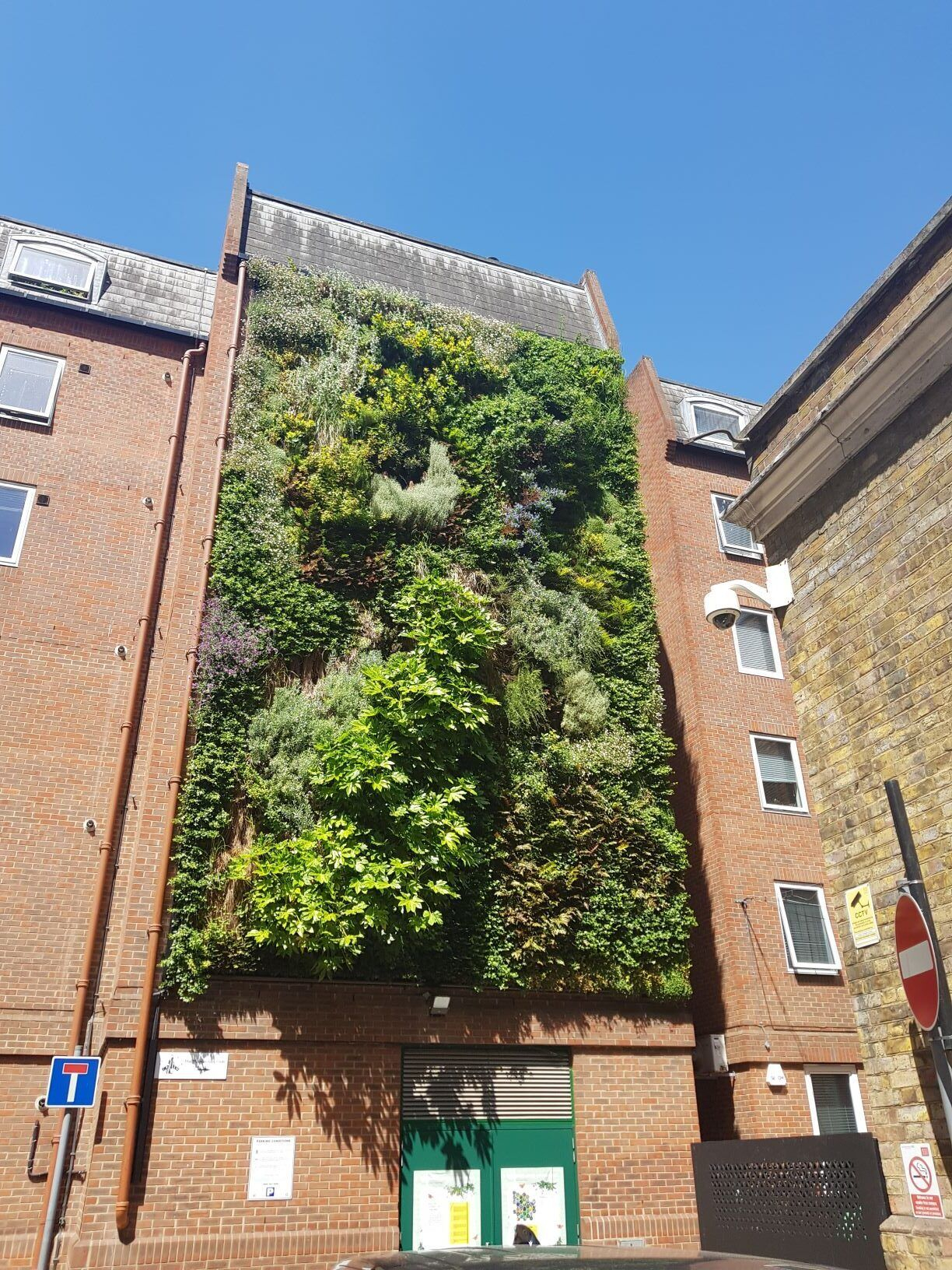
Have you ever walked past a massive concrete building in the middle of July and practically felt the heat radiating off it? It is like standing next to a giant radiator. For decades, our answer to this problem has been simple: crank up the air conditioning. But as we move through 2026, a much smarter, greener solution is literally climbing up our city walls.
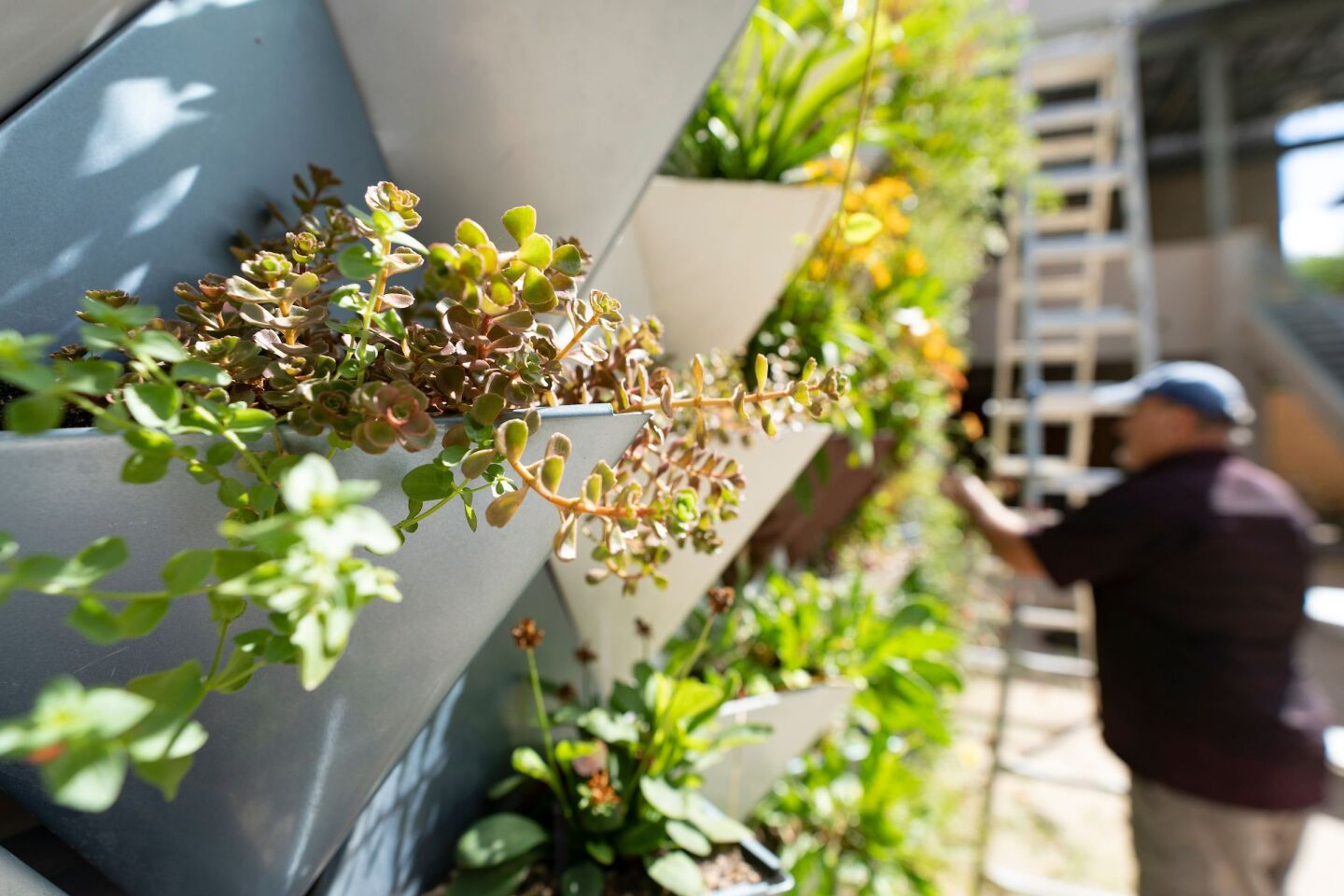
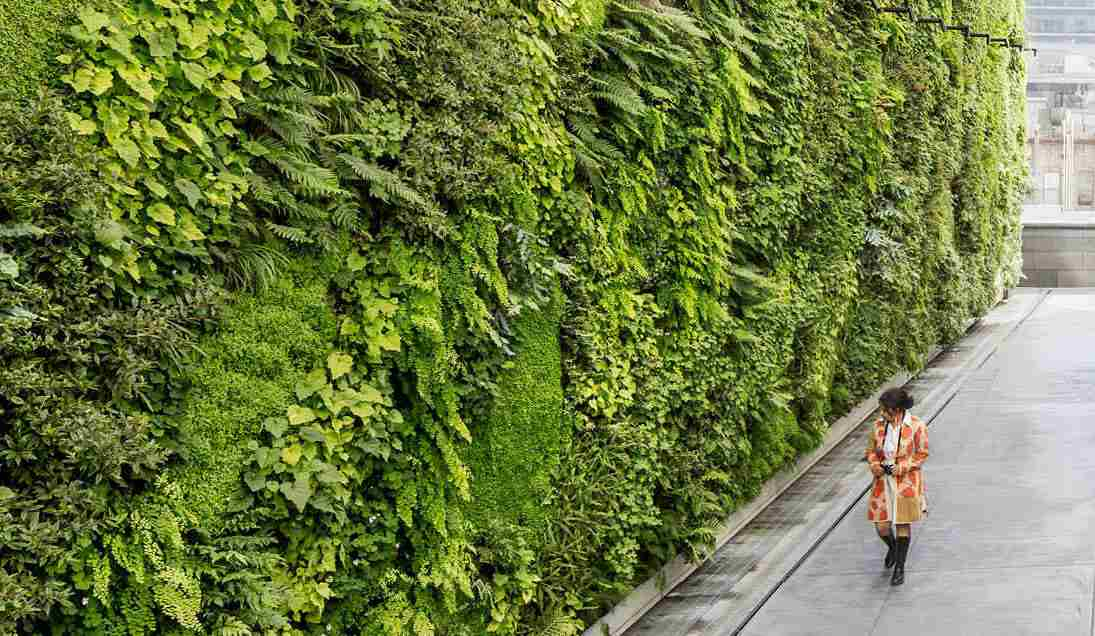
Vertical gardens, or living walls as they are often called, are transitioning from luxury design features into essential building gear. They are no longer just for aesthetics. By wrapping structures in a vibrant, living envelope, these systems are slashin utility bills by up to 30 percent. Let us dive into how these vertical ecosystems are changing the way our structures breathe and save money.
The Power of Natural Insulation
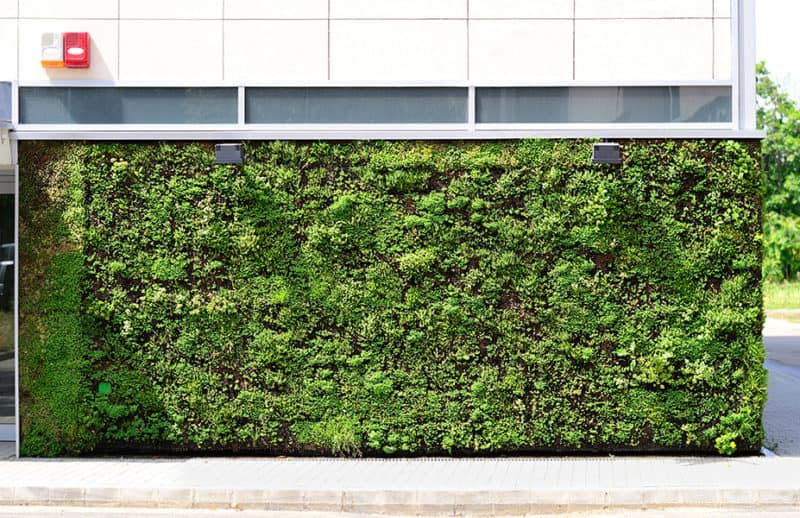
At its core, a modern green wall acts as a giant, protective blanket for a building envelope. During the freezing winter months, the thick layer of vegetation blocks icy winds from stealing heat directly from the masonry. It creates a pocket of stagnant air that locks warmth inside.
In the summer, it does the exact opposite. Traditional brick and concrete soak up solar radiation all day and bake everything inside. Green walls stop that sunlight before it ever touches the structural surface, keeping the interior naturally comfortable.
Cooling Down via Evapotranspiration
So, how do these plants chill the air without any mechanical motors? The secret weapon is a natural process called evapotranspiration. Plants basically sweat. As they absorb water through their roots, they release moisture back into the surrounding air through their leaves.
This moisture evaporation absorbs heat energy from the ambient air, dropping the local temperature significantly. Studies show that a living-walled urban block can cool down the entire surrounding microclimate. This means your air conditioning unit does not have to fight against blistering exterior heat.
Smart Sensors and Self-Healing Tech
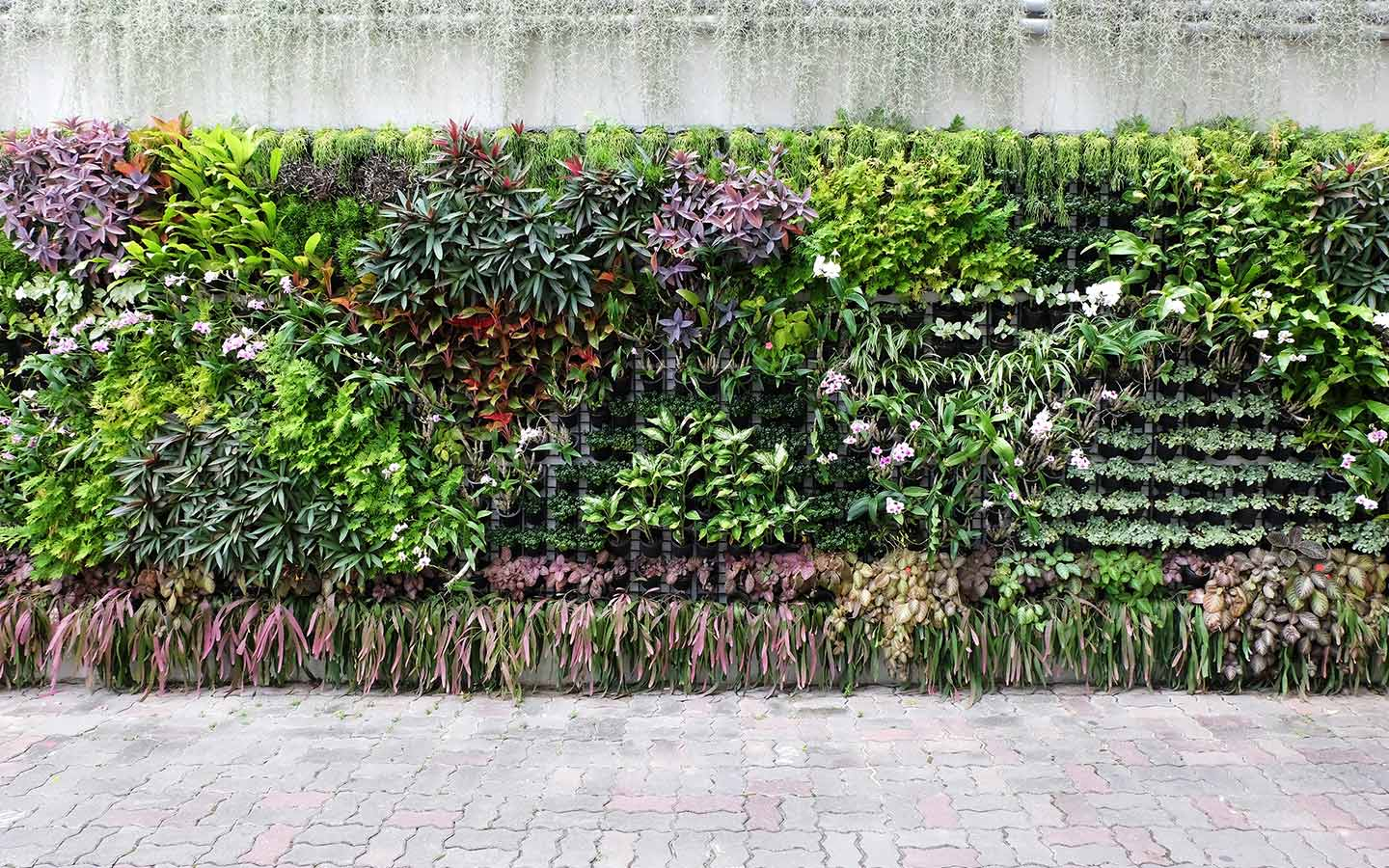
We have come a long way from just sticking some ivy on a brick fence. Today’s living walls are highly advanced. Engineers are now integrating smart technology directly into the plant panels. We are talking about built-in sensors that constantly monitor moisture levels, temperature, and structural stress.
If a section gets too dry, the system automatically adjusts the water flow. Some researchers are even testing self-healing components. This tech alerts maintenance crews to minor issues before they turn into costly problems, making the system incredibly reliable.
Hygromorphic Skins and Motorless Breathing
One of the most fascinating developments recently involves what scientists call hygromorphic skins. These are humidity-responsive geometries that breathe without any mechanical motors. Ventilation is historically one of the most energy-intensive functions of modern buildings.
By utilizing engineered living materials that physically open or curl up based on the humidity in the air, structures can manage airflow passively. It is a total game-changer for reducing reliance on heavy HVAC systems.
Biofilters and Cleaner Indoor Spaces
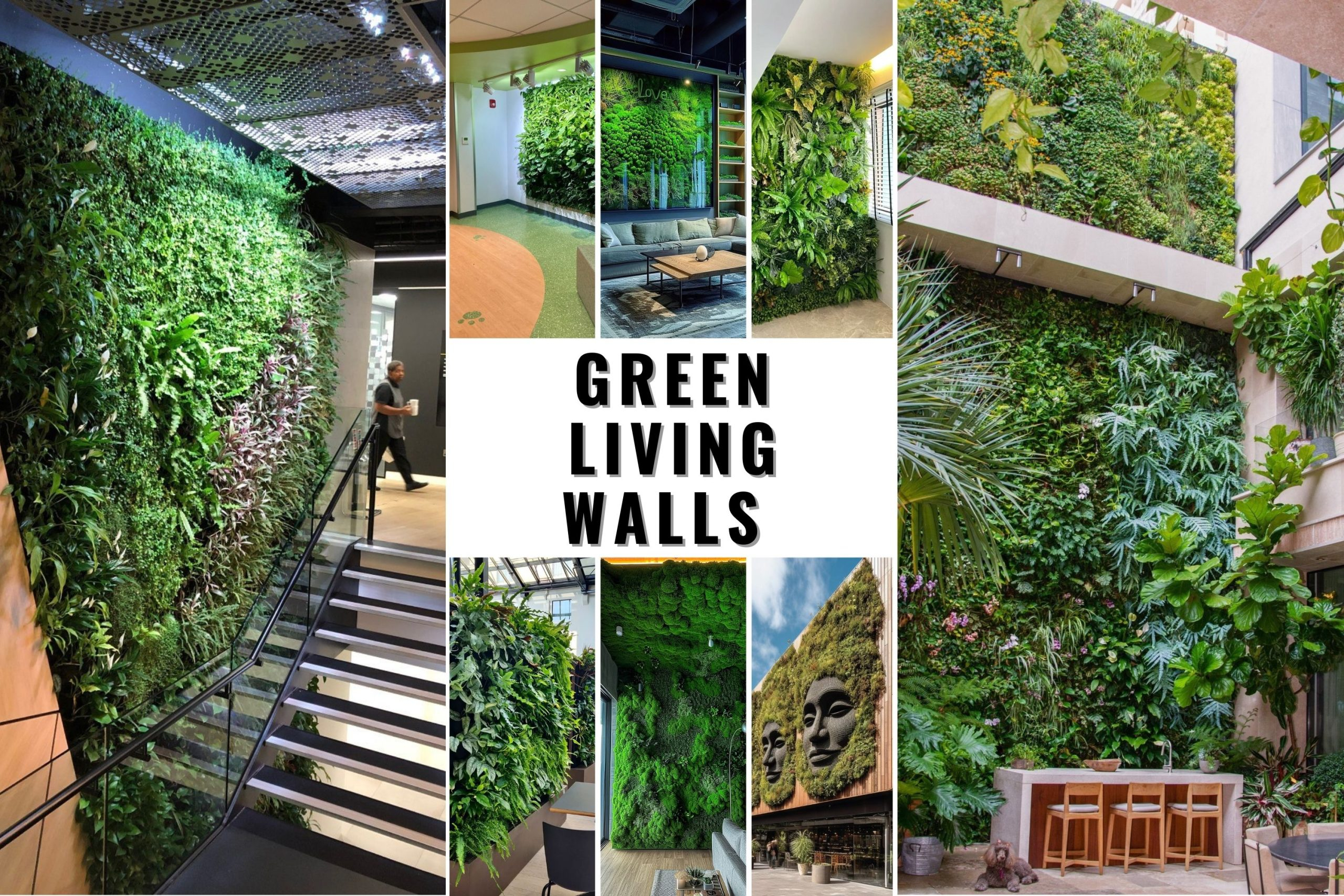
Living walls are not just limited to the outside of high-rises. Indoor vertical gardens are working overtime to lower energy costs too. When integrated into a building’s ventilation design as active biofilters, they do an incredible job cleaning the air.
Because the plants and microbes in the soil scrub out pollutants and carbon dioxide, the building does not need to constantly pump in fresh air from outside. It requires far less energy to recirculate pre-cooled or pre-heated indoor air that has been naturally refreshed by the plants.
Real World Savings on Your Utility Tabs
If this all sounds a bit sci-fi, the financial numbers bring it right back to reality. Homeowners and commercial building managers alike are seeing massive drops in their power bills. Incorporating these green retrofitting methods is proving to be one of the best investments for older properties.
With energy demands rising everywhere, lowering your cooling load by nearly a third is a massive win for both your wallet and the planet. It is rare to find a design choice that pays you back so beautifully while looking this good.
The era of treating buildings like sealed, static boxes is coming to an end. By turning our walls into living, breathing entities, we are tapping into millions of years of evolutionary design to solve modern energy crises.
As we look toward the future of urban architecture, living walls stand out as a practical, brilliant solution. They prove that sometimes, the best way to power our future is to let nature do what it does best.