Have you ever stood deep in the woods and just listened. If you look up into the canopy of an old oak tree, you might catch a glimpse of something spectacular: a wild honeybee colony thriving high above the ground. They don’t have human caretakers, chemical treatments, or plastic foundations. Yet, they manage just fine on their own.
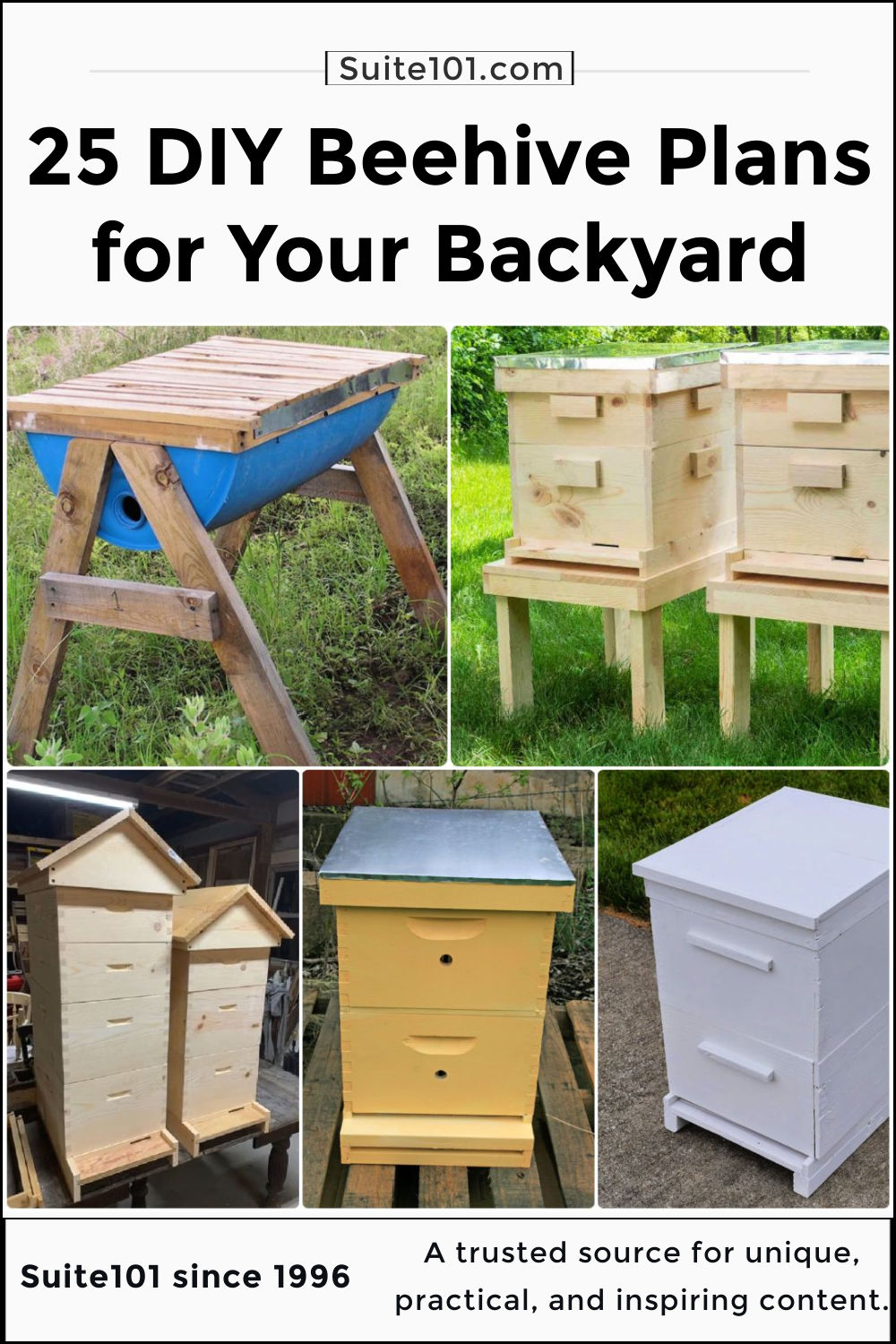
For decades, modern beekeeping has focused entirely on maximizing honey production and making life easier for the keeper. But lately, things have started shifting. In 2026, more and more backyard keepers are realizing that our standard wooden boxes might not be the dream homes we think they are. By looking closely at how bees choose and build their homes in nature, we can pick up some brilliant tricks to keep our own hives healthier and much more resilient.
The Power of Thick Wooden Walls
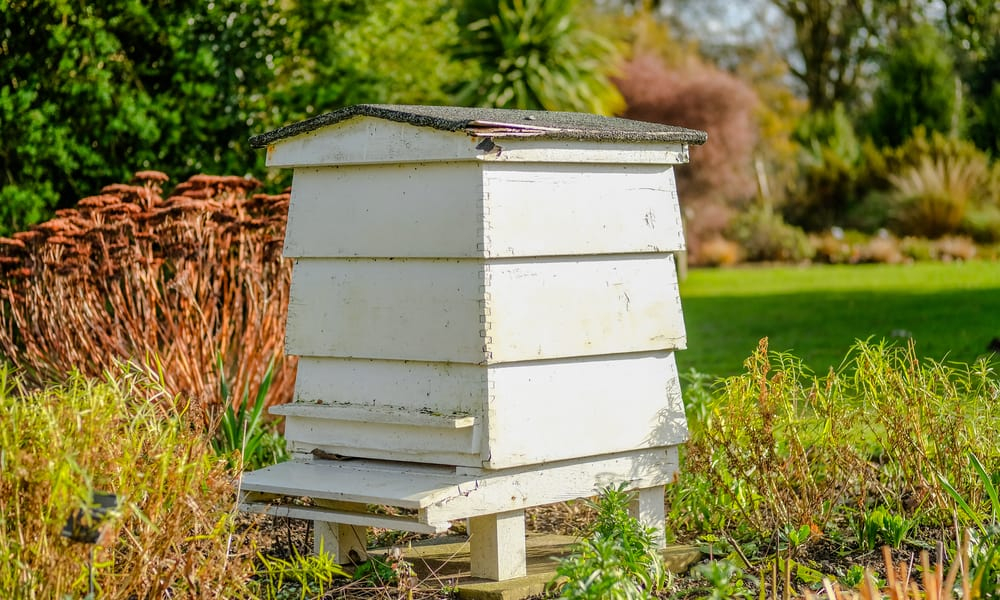
When bees choose a hollow tree trunk, they aren’t just looking for any old space. They usually pick living trees with incredibly thick walls—often four to eight inches of solid wood. Compare that to the standard Langstroth hive box used by most backyard keepers today, which is barely three-quarters of an inch thick. It’s like living in a stone castle versus a canvas tent.
This massive amount of wood provides what scientists call thermal mass. It shields the cluster of bees from severe winter chills and blazing summer heat waves. Because the thick wood absorbs temperature swings slowly, the bees inside don’t have to spend all their energy shivering to stay warm or fanning their wings to stay cool. They save precious honey stores and live much longer, less stressful lives.
Propolis: The Natural Immune Shield
If you have ever opened a standard hive, you know how sticky it gets. That gunk is propolis, a mix of tree resins and wax. Most keepers used to view it as an absolute nuisance that glues frames together. In nature, however, bees coat the entire interior wall of their tree hollow with a heavy layer of propolis, creating what researchers call a "propolis envelope."
This sticky coating is a powerful, natural anti-bacterial and anti-fungal shield. It keeps the damp wood from rotting and protects the colony from various nasty viruses and pests. In smooth, planed modern hive boxes, bees struggle to attach propolis to the walls. Some forward-thinking keepers are now roughing up the inside of their boxes with sandpaper or wire brushes just to encourage the colony to build this life-saving medicine cabinet.
Rethinking the Bottom Entrance
Most commercial hives feature a wide, gaping entrance right at the very bottom of the structure. It makes it easy to clean out dead bees, sure, but it is a total disaster for heat retention. Wild nests almost always have a single, tiny entrance hole located midway up or near the top of the living space.
A small entrance is way easier for a few guard bees to defend against invading wasps or robbing bees from other colonies. Plus, because warm air rises, a bottom entrance acts like an open front door in the winter, letting all the precious heat escape. By reducing our hive entrances or moving them higher up, we can help the bees maintain their perfect nest temperature with far less effort.
The Mystery of the Nest Shape
Have you ever noticed how a natural wild comb looks? It’s not a perfect square forced into a wooden frame; it’s a long, flowing catenary curve. Wild bees build their combs downward from the top of a cavity, creating a continuous, unbroken vertical column of wax.
This shape is critical for how air circulates within the cluster. In standard square boxes, cold air often gets trapped in the sharp corners, leading to dangerous mold growth during damp spring months. A cylindrical or rounded space allows the warmth from the winter cluster to move smoothly up and around the food stores, keeping everything dry and accessible when the colony needs it most.
Letting the Microclimate Balence Itself
Deep inside a hollow tree, a whole ecosystem exists. It isn’t just bees; there are tiny mites, beetles, fungi, and beneficial bacteria living in the debris at the bottom of the cavity. Many of these tiny organisms actually help the bees by eating harmful pests or cleaning up waste matter.
Modern beekeeping often strives for an sterile environment, frequently cleaning out the bottom boards and using chemical strips to kill off pests. Unfortunately, this often kills the good bugs too. Leaving a bit of natural debris or using a deep floor where organic matter can safely decompose can mimic that rich forest floor ecosystem, helping the hive defend itself naturally.