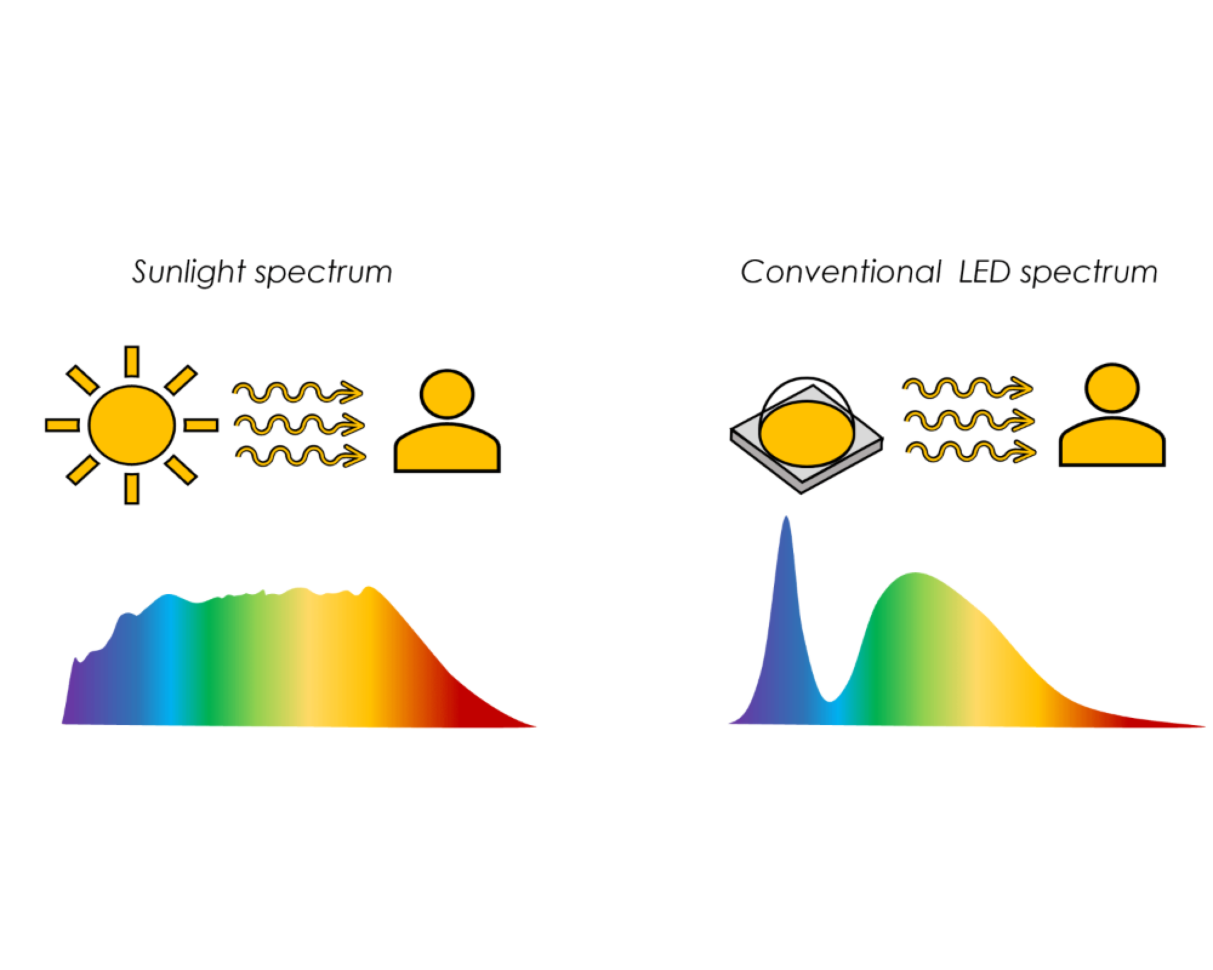
Ever notice how a simple walk outside during a crisp morning completely alters your mood. It is not just the fresh air. Our bodies are essentially wired to react to the sun in ways we are only just beginning to fully appreciate. For decades, we have shielded ourselves indoors, staring at glowing rectangles and wondering why we can’t sleep at night or why our energy craters by noon.
But lately, there is a massive shift happening. More people are realizing that the ultimate wellness life-hack isn’t a expensive supplement or a fancy app—it is simply steping outside. When you start living in harmony with natural daylight, your brain and body undergo a radical, positive transformation. Let’s look at what actually happens under the hood when you let the sun guide your day.
The Master Clock Inside Your Brain
Deep inside your head sits a tiny cluster of cells called the suprachiasmatic nucleus. Sounds complicated, right? Think of it simply as your body’s master clock. This little internal timer relies entirely on cues from the outside world, mostly sunlight, to understand what time it is. When morning light hits your eyes, it sends a massive wake-up call to this clock, telling your system to stop producing sleep hormones and start generating morning energy.
If you stay cooped up in a dark room with artificial lights, this master clock gets incredibly confused. It is like trying to navigate a new city without a map. By getting bright light early in the day, you set that clock perfectly, which dictates how every single cell in your body behaves for the next twenty-four hours.
The Melatonin and Cortisol Dance
Your body manages energy and rest through a delicate dance of two main hormones: cortisol and melatonin. Cortisol is your alertness hormone, which should peak right after you wake up. Melatonin is your sleep hormone, which needs to rise when the sun goes down.
[Morning Sun] ---> High Cortisol (Energy) ---> Low Melatonin
[Evening Dark] ---> Low Cortisol ---> High Melatonin (Deep Sleep)
When you live in sync with daylight, this dance happens flawlessly. Morning sunshine sparks a healthy surge of cortisol, giving you that natural buzz without needing three cups of coffee. Then, as daylight fades, your body naturally dials down cortisol and starts pumping out melatonin, preparing you for a deep, restorative night of rest.
Boosting Your Mood and Mental Clarity
Have you ever felt sluggish and grumpy on a week of constant overcast skies. That is because light directly impacts your brain chemistry. Natural sunlight triggers the release of serotonin, a chemical often called the "happy hormone" because it stabilizes our mood and helps us feel calm and focused.
- Higher Serotonin: Sharpens focus and lifts your spirit during the day.
- Better Vitamin D Production: Keeps your immune system strong and fends off seasonal blues.
- Reduced Stress: Daylight exposure helps lower overall anxiety levels naturally.
Without enough daylight, serotonin levels can drop, leaving you feeling foggy, irritable, and anxious. It is amazing how just twenty minutes of sitting by a sunny window or walking around the block can clear away the mental cobwebs.
Fixing Your Broken Sleep Cycles
Most people struggle to fall asleep because their evening environment mimics high noon. Think about it: bright overhead lamps, television screens, and phones blaring blue light right into your eyes at 10 PM. This tricks your brain into thinking it is still daytime, completely halting melatonin production.
By tracking with the sun, you change the game. You get bright light early, and you dim the lights as dusk approaches. This gradual transition tells your brain that the day is ending. The result? You fall asleep much faster, stay asleep longer, and actually reach those deep, healing phases of slumber that leave you feeling genuinely refreshed the next morning.
Boosting Daytime Productivity and Energy
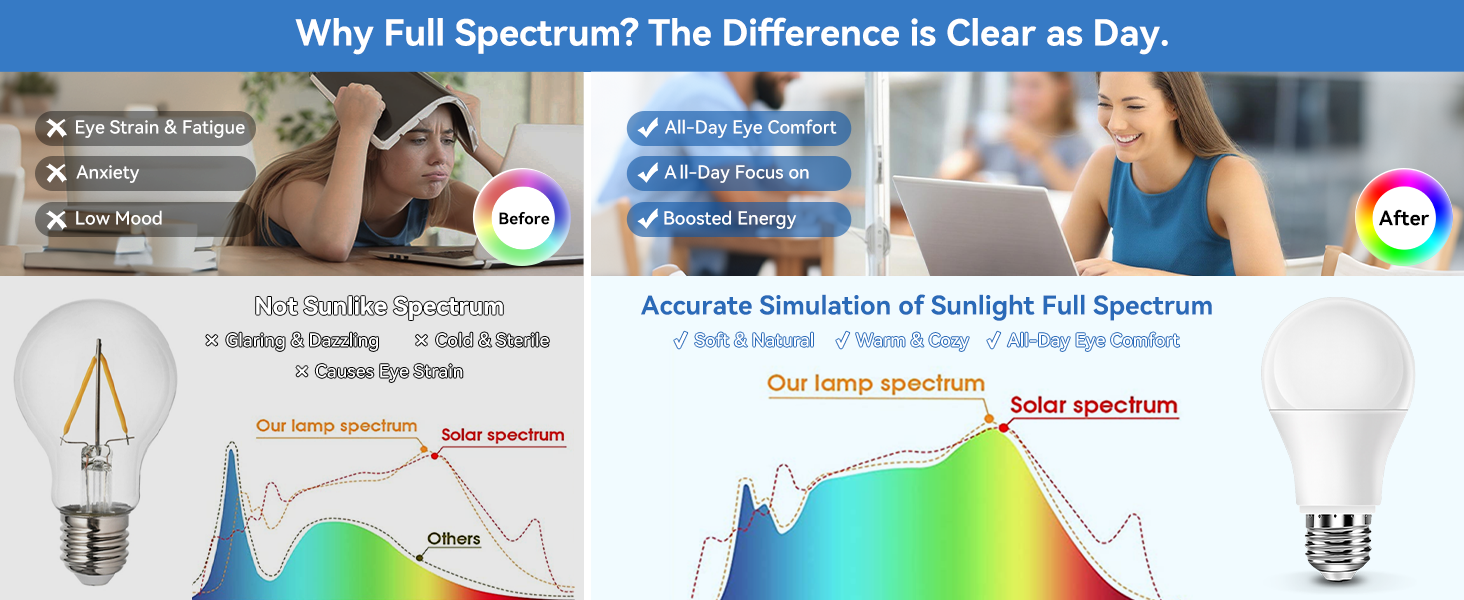
Living by the sun doesn’t just help you rest; it supercharges your waking hours too. Studies show that employees who sit near windows or get regular outdoor breaks focus significantly better than those under harsh fluorescent bulbs.
When your body knows it is daytime, your metabolism fires up, your reaction times quicken, and your brain processes info much faster. Instead of fighting against a mid-afternoon slump with sugary snacks, a quick dose of actual daylight can rewire your focus and give you a sustainable second wind.
You don’t need to quit your office job and live in a tent to reap these benefits. Making a few tiny adjustments to your daily routine can make a massive difference in how you feel.
- View morning light: Try to get 10-15 minutes of sun in your eyes within an hour of waking up.
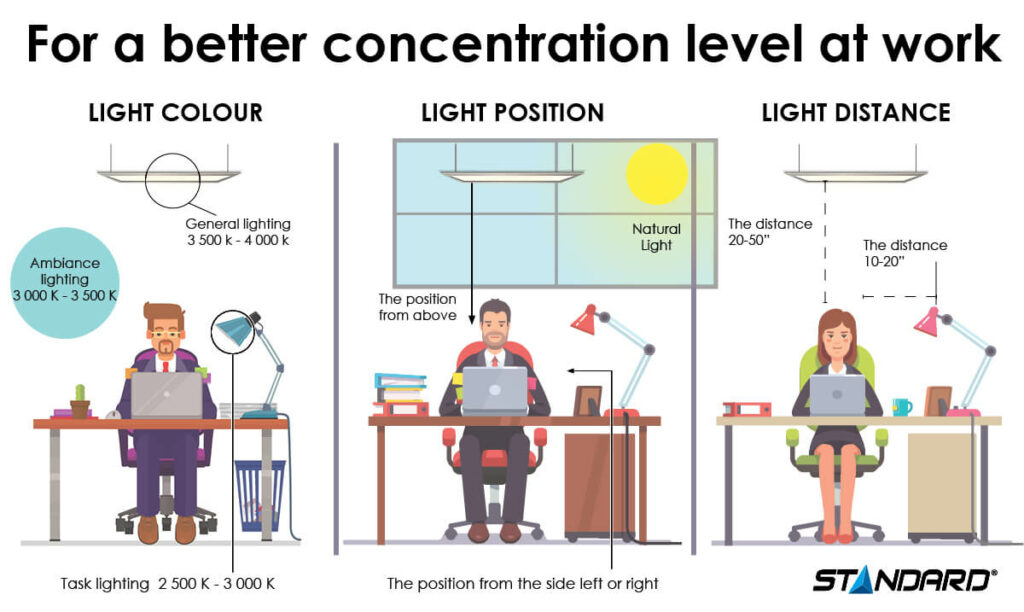
- Work near glass: Move your desk or chair closer to a window to catch indirect rays throughout the day.
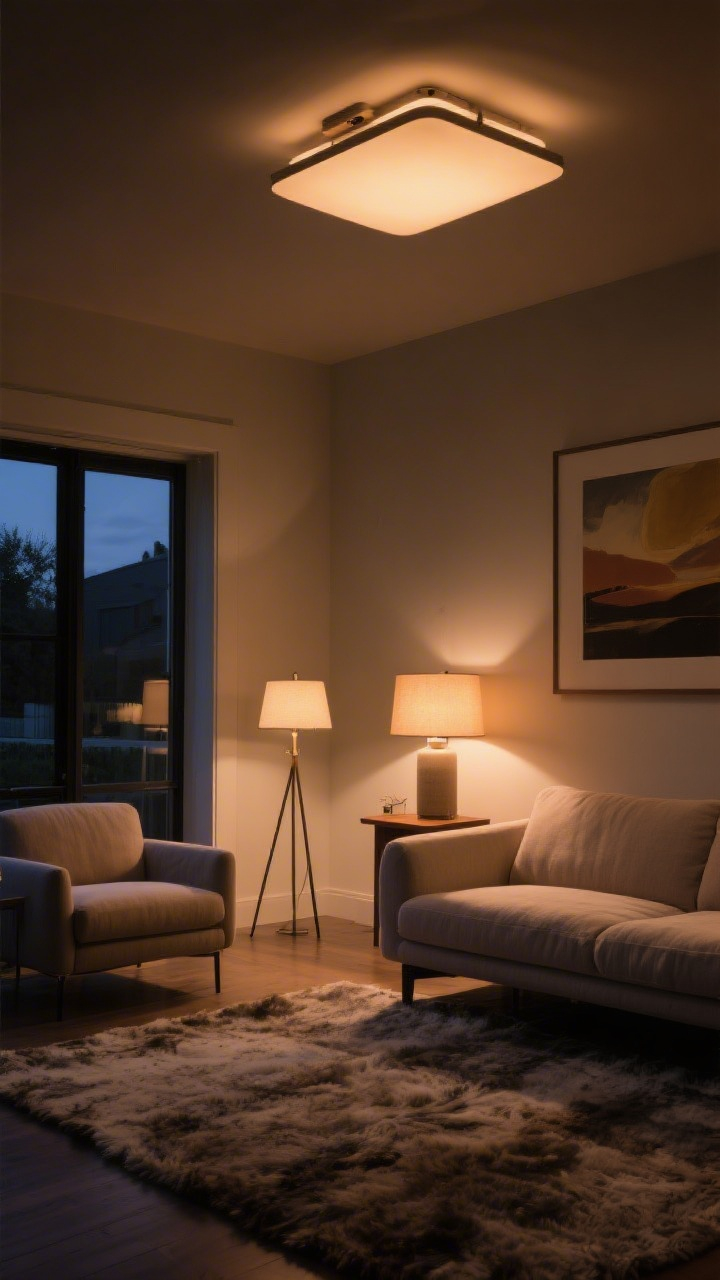
- Dim the nights: Turn down overhead lights after dinner and use low-level lamps instead.
- Take sunset walks: Watching the evening sky helps signal to your brain that it is time to wind down.
At the end of the day, our bodies are still biological machines designed to exist in nature. We can’t fully escape the modern world, but we can invite the sun back into our lives. By simply stepping outside a bit more and respecting the natural rhythm of day and night, you can unlock a level of health, clarity, and energy you might have forgotten was possible. It is a free, simple way to feel whole again.