Ever sat at your desk, staring at a blank canvas or a blinking cursor, feeling completely blocked. We usually blame ourselves. We take a walk, drink more coffee, or pull our hair out. But what if the real problem isn’t your brain? What if it’s the wall you’re staring at?
As it turns out, the way we arrange our furniture plays a massive role in how our minds wander and create. In recent years, researchers tracking brain activity have found that physical environments change our cognitive flexibility. Your messy corner or that neatly aligned desk isn’t just an aesthetic choice—it’s actively shaping your artistic flow.
The Ceiling Effect and Big Ideas
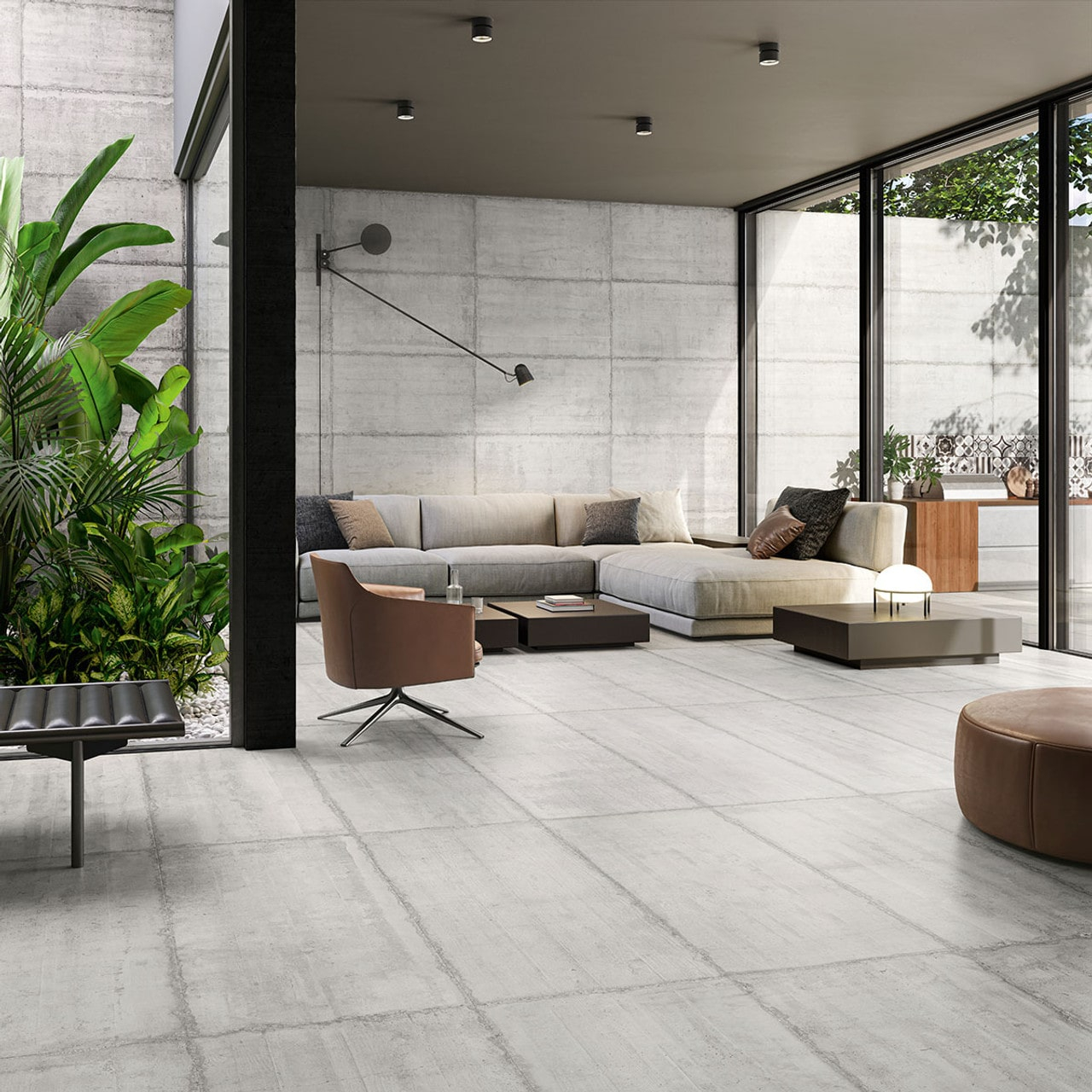
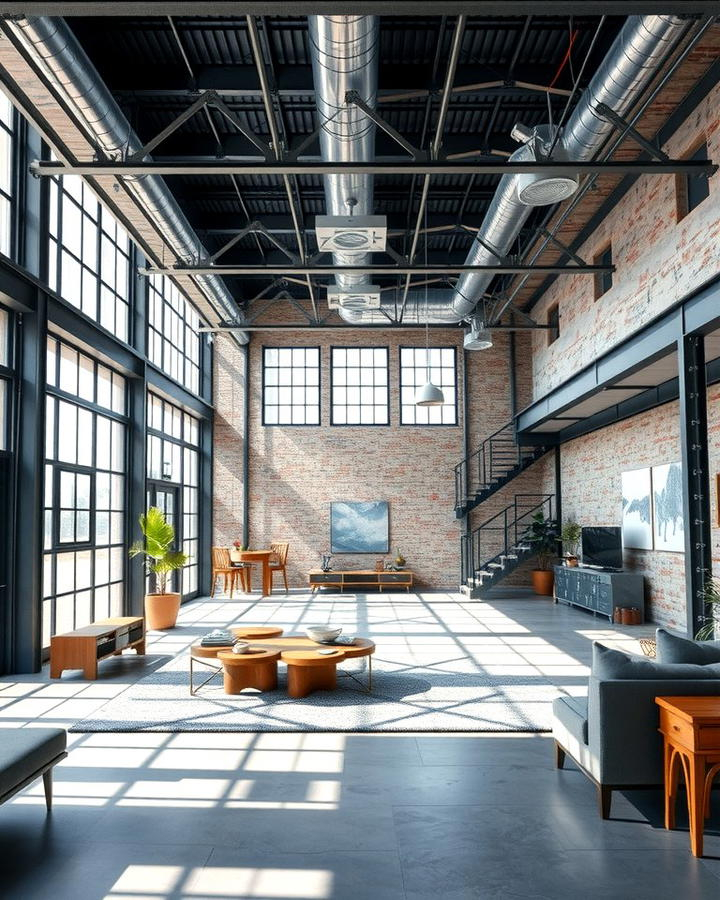
Have you ever noticed how different you feel in a high-ceilinged room compared to a cozy, cramped attic. This isn’t just in your head. Well, technically it is, but it’s triggered by your surroundings. Environmental psychologists call this the Cathedral Effect. When we are under high ceilings, our brains gravitate toward abstract, creative thinking.
On the flip side, lower ceilings make us focus on details and specific tasks. If you’re trying to brainstorm a completely new concept for a novel or a painting, working in a tight, confined space might actually be trapping your thoughts. You need visual space to get mental space.
The Power of the Prospect View
Where is your desk facing right now? If it is pushed flat against a blank wall, you might be draining your energy without realizing it. Humans have a deeply ingrained evolutionary need for what is called "prospect and refuge." We like to see what’s coming while feeling secure from behind.
Facing a wall cuts off your vision, which can subconsciously trigger a mild, constant state of alertness. Try turning your desk around so you can see the door or the rest of the room. This simple change gives your mind a sense of control, letting your subconscious relax enough to let the creative ideas bubble up.
Designing for the "Frictionless" Pivot
Let’s talk about physical friction. If you have to dig through a closet to find your paints, or untangle five cords just to plug in your MIDI keyboard, you’re killing your momentum before it even starts. The layout of your tools matters just as much as the layout of your furniture.
The best studios are setup for what experts call behavioral nudgeing. You want your primary creative tools to be within arm’s reach, always ready to go. Make the starting point effortless. If it takes more than thirty seconds to begin creating, your brain will often find an excuse to do something easier instead.
Color, Light, and Neurotransmitters
Lighting isn’t just about seeing what you are doing; it alters your body’s internal clock and mood. Natural sunlight is the ultimate energy booster for creative work, but the angle matters. Side-lighting reduces glare and creates soft shadows that help us perceive depth and texture better, which is great for visual artists.
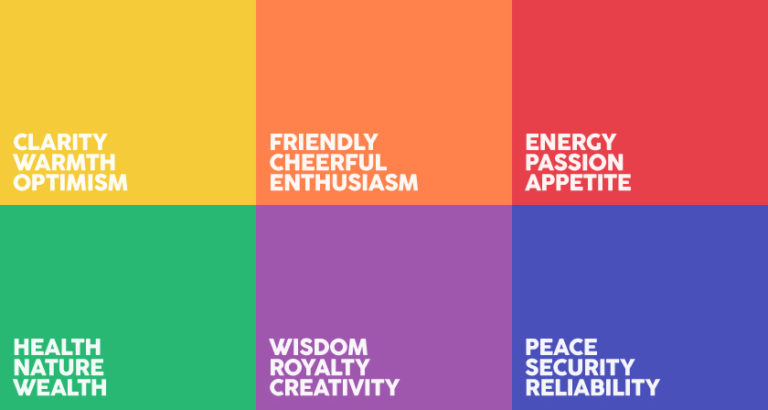
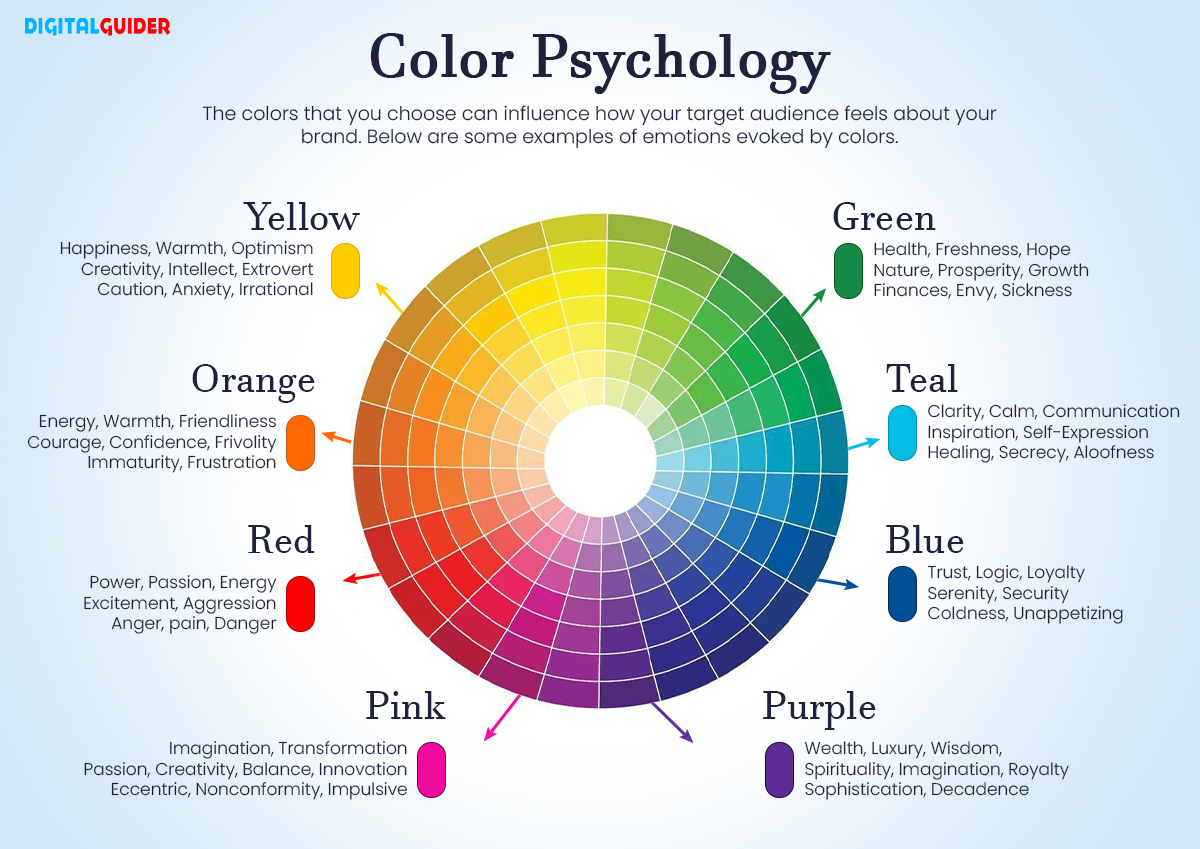
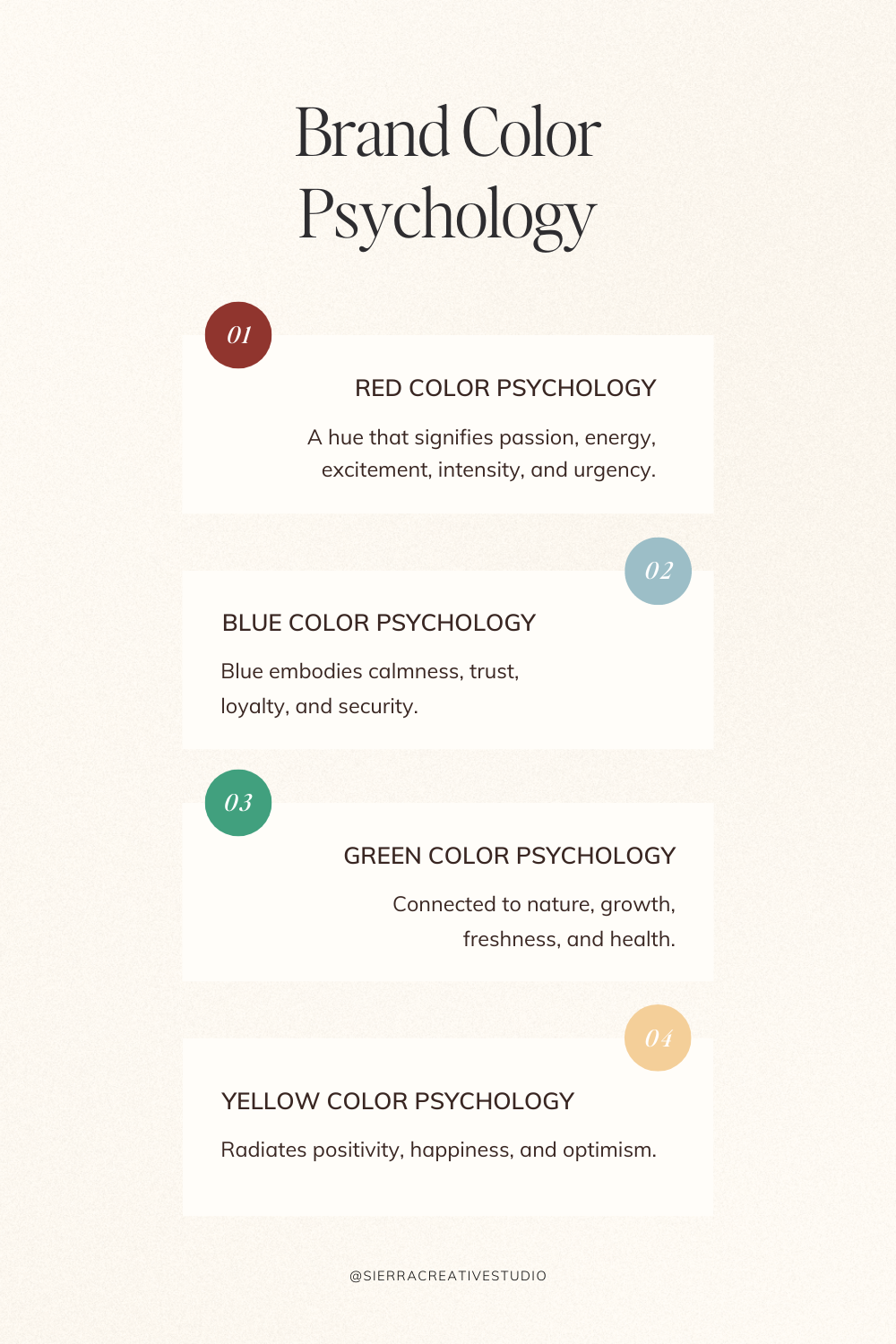
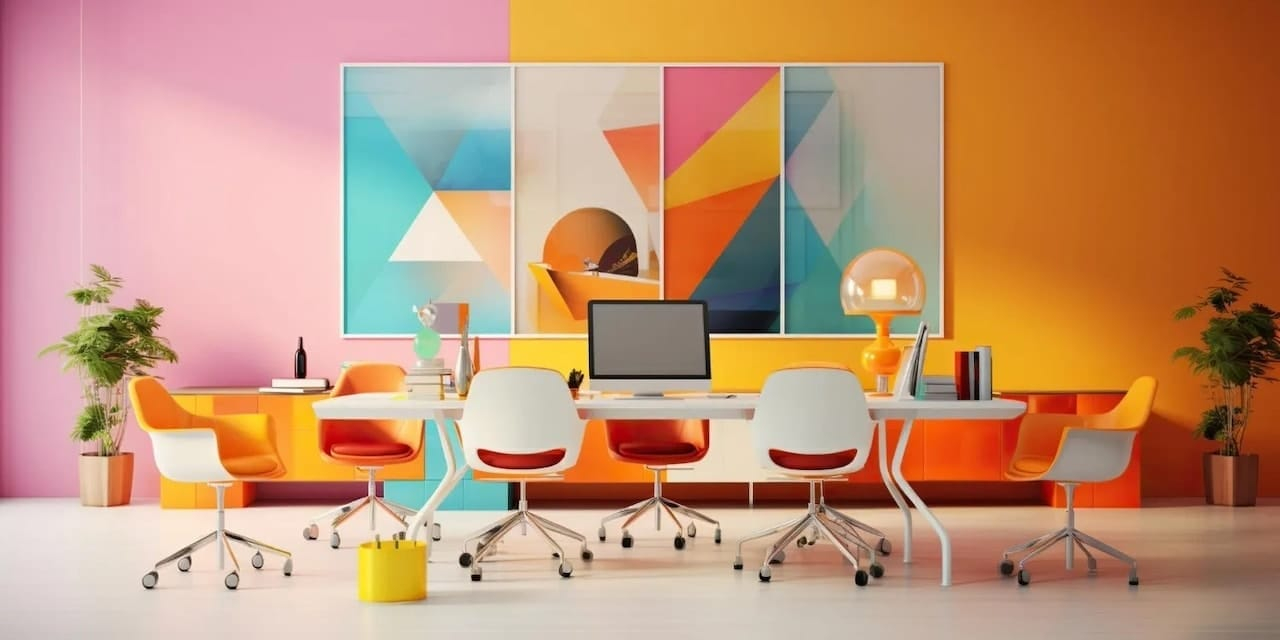
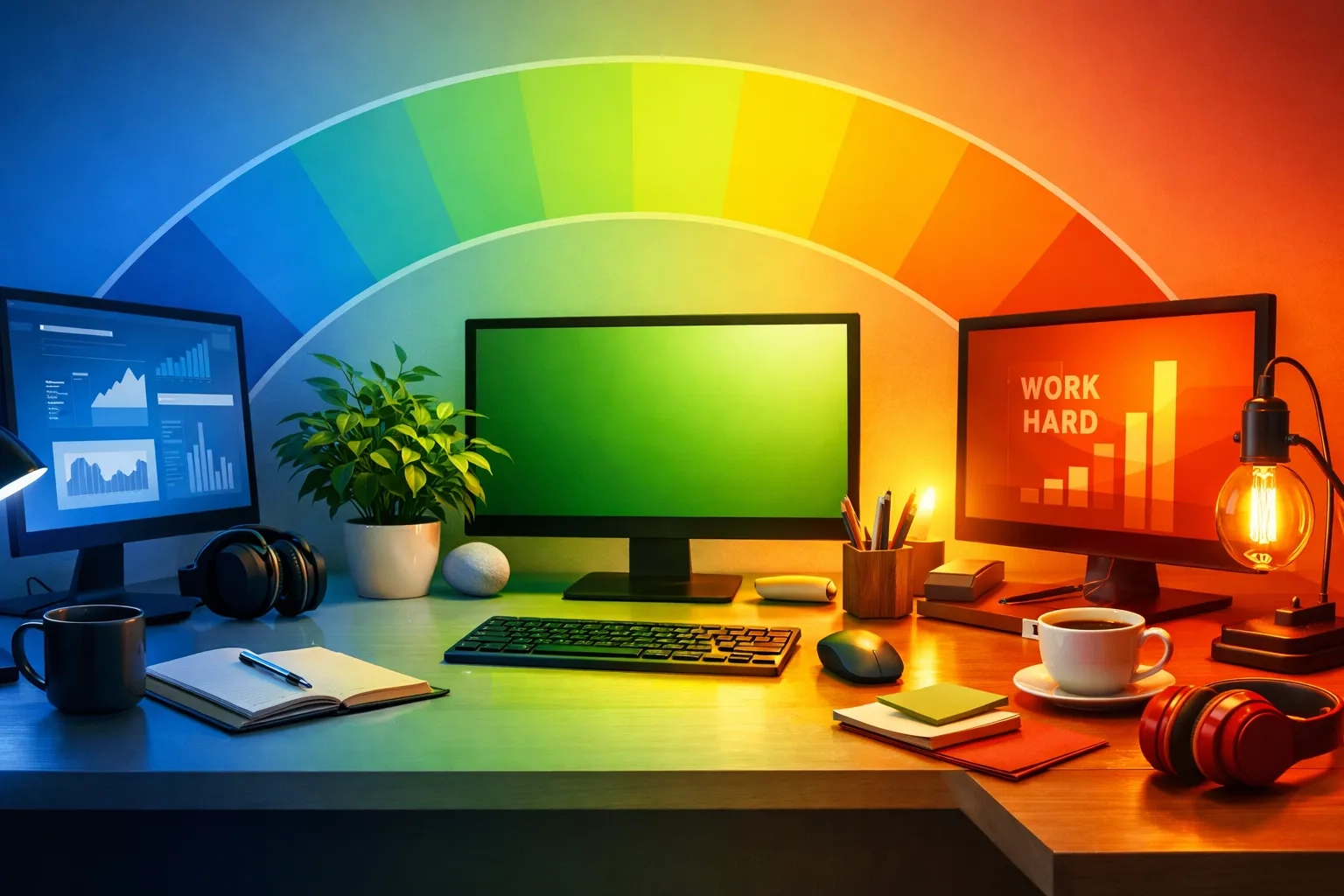
When it comes to colors, recent studies in 2026 show that soft greens and blues help with long-term focus and lower stress. But don’t banish bright colors entirely. A splash of warm orange or yellow near your active workspace can provide a quick burst of emotional energy when you feel a slump coming on.
Soundscapes and the Chaos Factor
Some people swear by total silence, while others need a loud coffee shop to get anything done. The science shows that a moderate level of ambient background noise—around 70 decibels—actually enhances performance on creative tasks. It forces your brain to abstractly process information because it has to work just a tiny bit harder to focus.
However, if your layout exposes you to sudden, sharp noises like a slamming door or street traffic, it breaks your focus completely. Using bookshelves or heavy curtains as acoustic dampeners can help shape the sound of your space, giving you a smooth blanket of audio comfort.
Creativity isn’t just one single action. It’s a cycle that involves research, intense focus, and then stepping away to rest. If you try to do all of these steps in the exact same chair, your brain gets confused about what state of mind it should be in.
Try creating distinct zones in your room, even if it is a small one. Have a chaotic zone where materials are messy and