You look up at a skyscraper and what do you see? Glass. Lots of it. Maybe some concrete bulkheads or sleek aluminum fins. You probably don’t think about the bones. But there they are, hidden behind the drywall and insulation, holding the whole thing together against wind, gravity, and time. For decades, we assumed that "strong" meant "heavy." Thick beams. Massive columns. The kind of steel that makes your back hurt just thinking about lifting it.
But something shifted. Quietly. Over the last few years, and especially by 2026, the narrative has flipped. The strongest part of many modern high-rises isn’t the thickest piece of metal; it’s the thinnest. We’re talking about cold-formed steel (CFS), often no thicker than a few sheets of paper stacked together. It sounds fragile, right? Like a soda can. Yet, this material is becoming the secret weapon for engineers who want to build higher, faster, and cleaner. It’s not just about saving money anymore. It’s about rethinking what strength actually looks like.
So why are we suddenly trusting our lives to metal that feels like foil? The answer lies in geometry, not just mass. And honestly, it’s a bit of a magic trick. Let’s pull back the curtain on the hidden strength of thin gauge steel and see why it’s taking over the vertical world.
The Myth of Mass
We have a deep-seated belief that heavy equals safe. It’s primal. If a rock falls on your foot, it hurts. If a feather falls, it doesn’t. So, when builders started swapping out thick hot-rolled steel for thin, cold-formed strips, people got nervous. Critics called it "tin buildings." They worried about durability. They worried about fire. But physics doesn’t care about our feelings. It cares about shape.
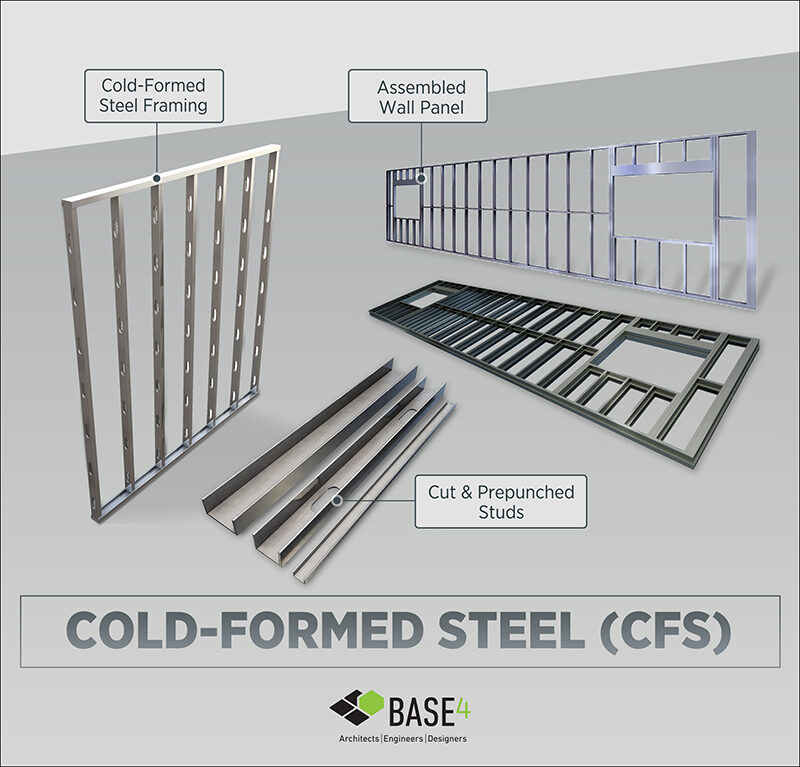
Thin gauge steel derives its power from profiling. When you take a flat sheet of steel and fold it into a C-shape, a Z-shape, or a complex hat channel, you increase its moment of inertia. In plain English? You make it really hard to bend without adding weight. Think of a piece of paper. Hold it flat between your hands, and it flops. Fold it into an accordion, and it can support a book. That’s the principle. By 2024, advanced computer modeling allowed engineers to optimize these shapes down to the millimeter, creating profiles that are incredibly stiff yet lightweight.
This shift wasn’t just theoretical. Look at the mid-rise residential boom in London and Toronto between 2022 and 2025. Projects that used to require massive crane lifts for heavy steel beams were suddenly being assembled with components that two workers could carry. The strength wasn’t in the thickness of the web; it was in the precision of the fold. This demystifies the "flimsy" argument. The steel isn’t weak; it’s just efficient. It puts material exactly where the stress is, and removes it where it isn’t.
Precision Meets Speed
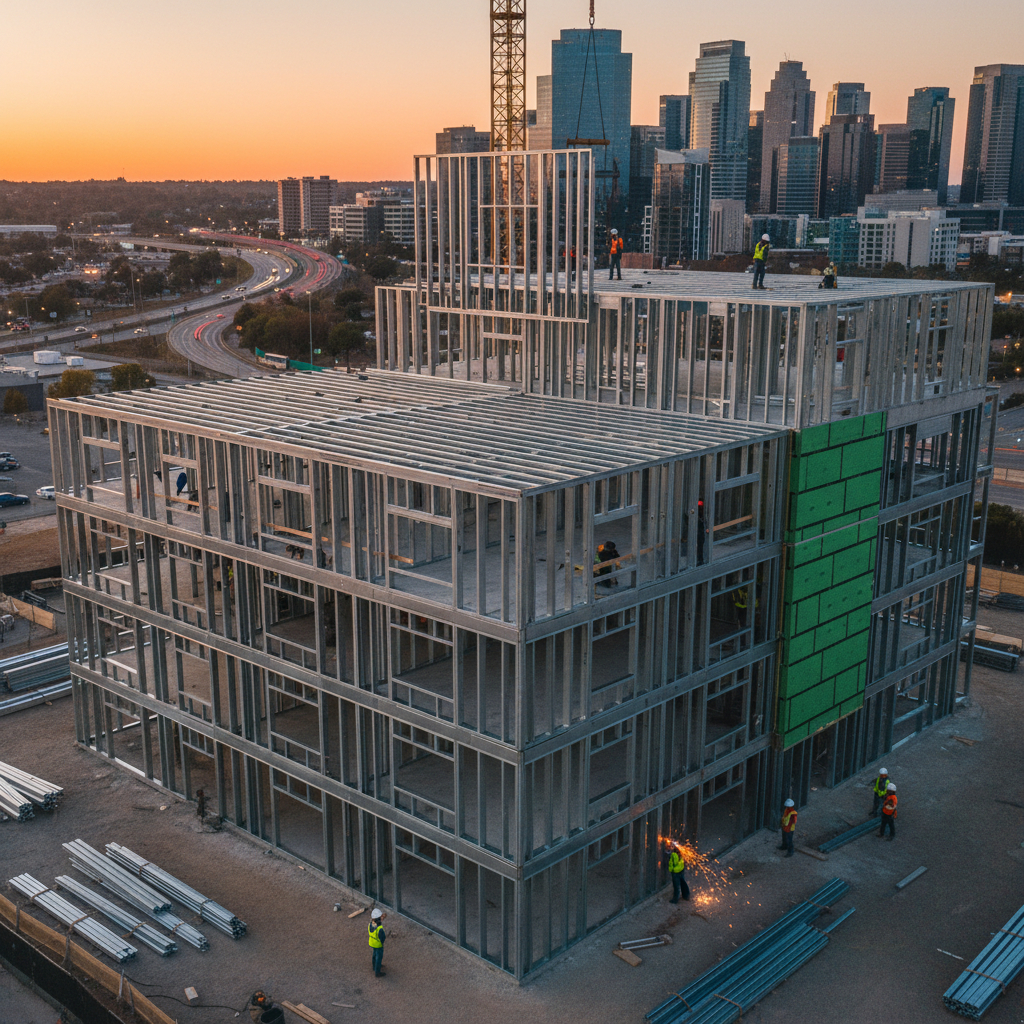
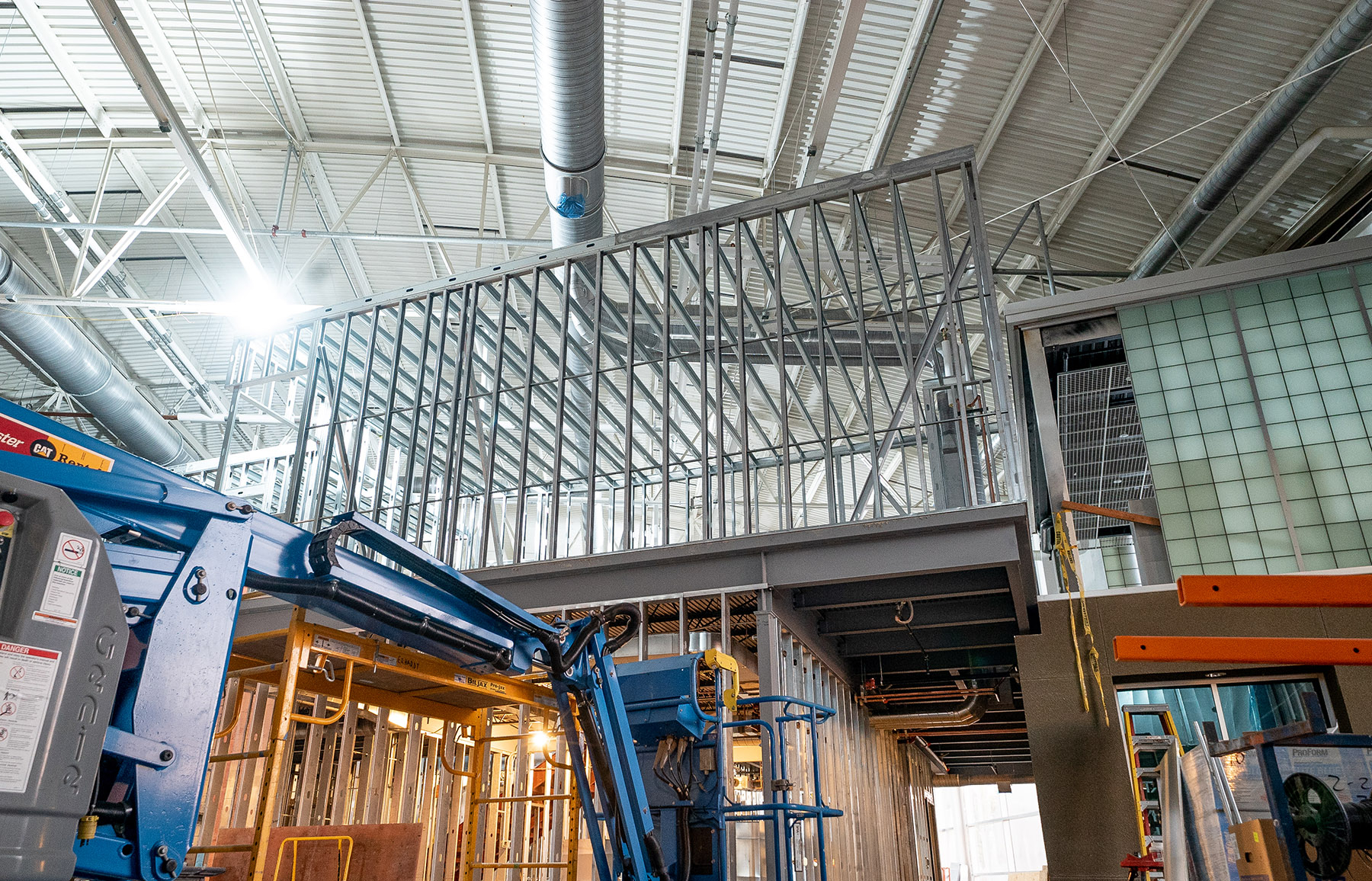
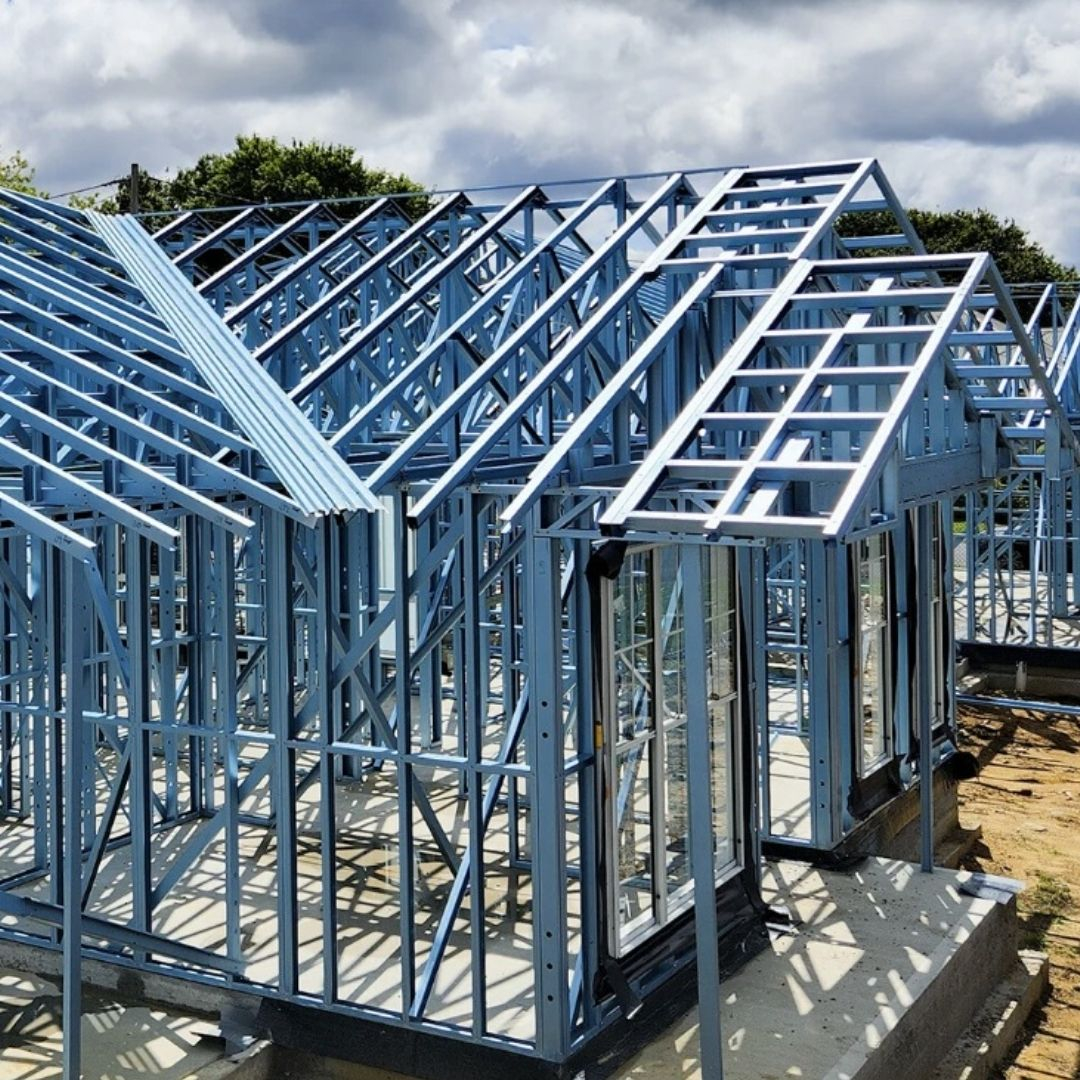
Time is money in construction, but it’s also a safety issue. The longer a site is active, the more room there is for error. Traditional steel construction is messy. It involves welding, bolting, and heavy machinery. It’s loud and slow. Thin gauge steel changes the rhythm entirely. Because it’s light, it’s prefabricated. Entire wall panels, floor cassettes, and roof trusses are built in factories with robotic precision, then shipped to the site.
In 2026, this off-site manufacturing is the norm for high-efficiency builds. A study from the University of Edinburgh published late last year showed that projects using cold-formed steel framing finished structural phases 30% faster than traditional concrete or hot-rolled steel equivalents. That’s not just a statistic; that’s months of rent saved, fewer days of noise for neighbors, and less exposure to weather delays. When it rains on a concrete pour, you wait. When it rains on a steel assembly site, you keep working under cover because the pieces are already made.
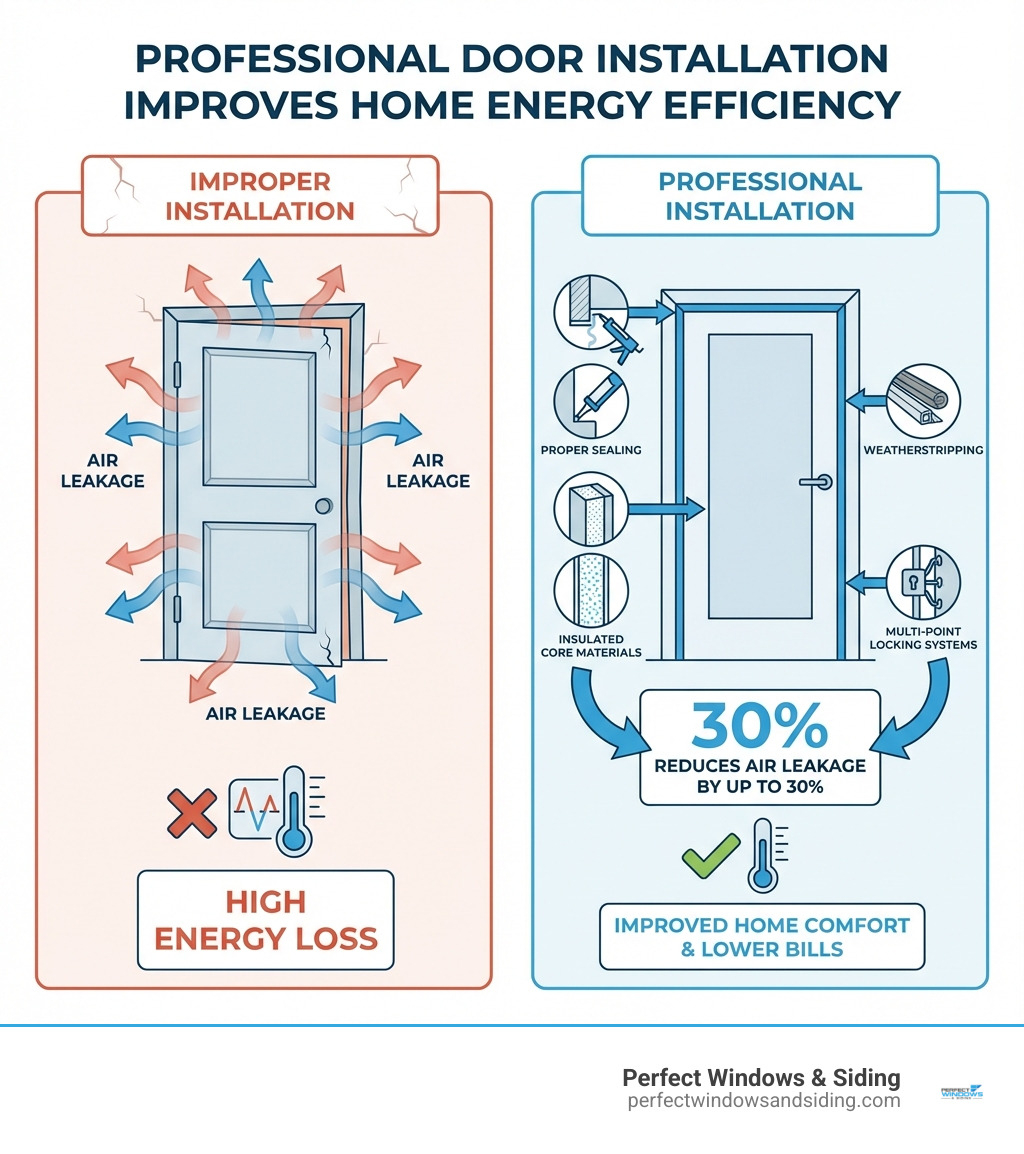
The accuracy is staggering. Laser-guided cutting machines ensure every stud and track is identical. There’s no warping, no shrinking concrete to wait for. This consistency means that when the cladding goes on, it fits perfectly. No gaps. No leaks. For the people living inside, this translates to better thermal performance and fewer drafts. It’s a quieter, smoother process that results in a tighter building envelope. And let’s be honest, who doesn’t want their new apartment to stop squeaking after the first windy night?
Dancing with the Wind
High-rises have a problem: they sway. If you’ve ever been on the top floor of a tall building during a storm, you’ve felt it. It’s subtle, but it’s there. Traditional heavy structures resist this movement through sheer mass. They fight the wind. Thin gauge steel does something smarter. It dances.
Because CFS systems are lightweight, they reduce the overall seismic mass of the building. In earthquake-prone zones like California or Japan, this is huge. Less mass means less force generated during a quake. But it’s not just about earthquakes. Wind loads are a constant pressure. The flexibility of thin steel allows it to absorb and dissipate energy rather than resisting it rigidly. Engineers use specialized bracing systems—often diagonal straps made of the same thin steel—to create a flexible yet robust skeleton.
Recent updates to the International Building Code in 2025 recognized these advantages, allowing for taller CFS structures than before. The key is connection. The steel itself might be thin, but the screws and bolts connecting them are high-tensile monsters. They hold tight. This system creates a "ductile" structure. Ductility is the ability to deform without breaking. Think of it like a willow tree versus an oak. The oak might snap in a hurricane; the willow bends and survives. Thin gauge steel is the willow of the construction world. It gives a little, so it doesn’t break.
The Green Backbone
Let’s talk about the elephant in the room: carbon. Construction is responsible for a massive chunk of global emissions. Concrete is a major culprit. Hot-rolled steel requires immense heat to produce. Cold-formed steel? It’s often made from recycled content. In fact, most CFS produced in 2026 contains at least 70% recycled steel. And at the end of the building’s life? It’s 100% recyclable again.
But the sustainability story goes deeper than just recycling. Because the material is light, transportation emissions drop significantly. You can fit more linear feet of steel on a truck than you can heavy beams. Fewer trucks mean less fuel burned. Also, the precision of factory fabrication means almost zero waste on site. With traditional framing, you might cut a dozen studs and throw away the scraps. With CFS, the computer optimizes the cut list from the coil. The scrap rate is often less than 2%.
There’s also the thermal bridge issue. Steel conducts heat, which can be bad for energy efficiency. But modern thin-gauge systems use thermal breaks—strips of non-conductive material that separate the interior and exterior steel layers. This stops the cold from creeping in. Combined with high-performance insulation, these buildings are incredibly energy efficient. In a world where energy costs are skyrocketing, a building that holds its temperature is a gift to its occupants. It’s not just green; it’s economical.
Fire and Fury
Here is the question that keeps everyone up at night: What happens if there’s a fire? Steel melts, right? Well, yes, but so does wood. And concrete spalls. Every material has its weakness. The perception that thin steel is vulnerable to fire is one of the biggest hurdles it faces. But the reality is quite different, thanks to modern protection methods.
Thin gauge steel doesn’t burn. It doesn’t feed the fire. That’s a huge advantage over timber framing. However, it loses strength at high temperatures. To combat this, engineers encase the steel in multiple layers of fire-rated gypsum board. This isn’t just regular drywall; it’s specialized stuff with glass fibers and other additives that hold together under heat. Tests conducted in 2024 showed that properly protected CFS walls can maintain structural integrity for over two hours in standard fire tests. That’s plenty of time for evacuation and firefighting.
Moreover, because the steel is thin, it heats up quickly, but it also cools down quickly. It doesn’t retain heat like concrete, which can explode or crack days after a fire. Post-fire assessments of CFS buildings show that repairs are often straightforward. You replace the damaged boards and check the steel. If the steel hasn’t warped beyond tolerance, you reuse it. It’s predictable. And in emergency services, predictability saves lives. Firefighters know what they’re dealing with. No hidden surprises.
The Human Scale
At the end of the day, buildings are for people. How does thin gauge steel affect the human experience? Surprisingly, it offers more freedom. Because the walls are thinner than concrete or heavy timber equivalents, you gain usable floor space. In a city where real estate is priced by the square foot, gaining 5% more usable area is a big deal. It means a slightly larger living room or a bigger balcony.
Acoustics used to be a concern. Light walls can sound drum-like. But modern designs use resilient channels and sound-dampening insulation between the studs. The result? Quieter apartments. Residents in the new "Skyline Lofts" in Chicago, completed in early 2026, reported higher satisfaction with noise levels compared to older concrete buildings. The steel frame doesn’t transmit impact noise as easily as rigid concrete slabs do, especially when floating floors are used.
There’s also an aesthetic flexibility. Architects love CFS because it can be curved. Want a rounded corner? A swooping ceiling detail? Thin steel can be roll-formed into shapes that would be impossible or prohibitively expensive with heavy steel or wood. This allows for softer, more organic interiors. It brings a sense of warmth and flow to spaces that might otherwise feel boxy. It’s subtle, but you feel it. The space breathes.
We are standing at a pivot point in construction history. The era of brute force is fading. We no longer need to pound the earth into submission with massive weights to create shelter. We have learned to work with materials, to understand their grain and their limits. Thin gauge steel represents this maturity. It’s not a compromise. It’s an evolution.
As we move further into 2026 and beyond, expect to see these invisible skeletons in even taller buildings. The technology is still improving. New alloys are stronger. Coatings are more resistant to corrosion. Software is smarter. But the core principle remains: strength comes from design, not just density. By embracing the light, we build heavier futures.
So next time you walk into a modern high-rise, take a moment to tap the wall. It might sound hollow, but don’t be fooled. Behind that surface is a marvel of engineering, a lattice of thin, folded steel holding the sky at bay. It’s quiet. It’s efficient. And it’s incredibly strong. We just had to learn how to listen to it.
[sps_html tag=”img” src=”https://cdn.northcarolinafinearchitecture.com/2026/05/fire-changes-everything-why-cold-formed-steel-is-reshaping-housing-inside-cold-formed-steel-design.jpg” alt=”Fire Changes Everything: Why Cold-Formed Steel Is Reshaping Housing … inside Cold Formed Steel Design” style=”width: 100%; height: auto;”]
[sps_html tag=”img” src=”https://cdn.northcarolinafinearchitecture.com/2026/05/advantages-of-cold-formed-steel-cfs-framing-in-modern-construction-for-cold-formed-steel-design.jpg” alt=”Advantages Of Cold-Formed Steel (Cfs) Framing In Modern Construction … for Cold Formed Steel Design” style=”width: 100%; height: auto;”]
[sps_html tag=”img” src=”https://cdn.northcarolinafinearchitecture.com/2026/05/cold-formed-steel-structures-form-example-download-intended-for-why-cold-formed-steel-is-winning-over-traditional-framing-in-2026.jpg” alt=”Cold Formed Steel Structures - Form Example Download intended for Why Cold-Formed Steel Is Winning Over Traditional Framing in 2026″ style=”width: 100%; height: auto;”]
[sps_html tag=”img” src=”https://cdn.northcarolinafinearchitecture.com/2026/05/why-cold-formed-metal-buildings-are-a-great-option-pros-and-cons-with-cold-formed-steel-design.png” alt=”Why Cold-Formed Metal Buildings Are A Great Option: Pros And Cons … with Cold Formed Steel Design” style=”width: 100%; height: auto;”]
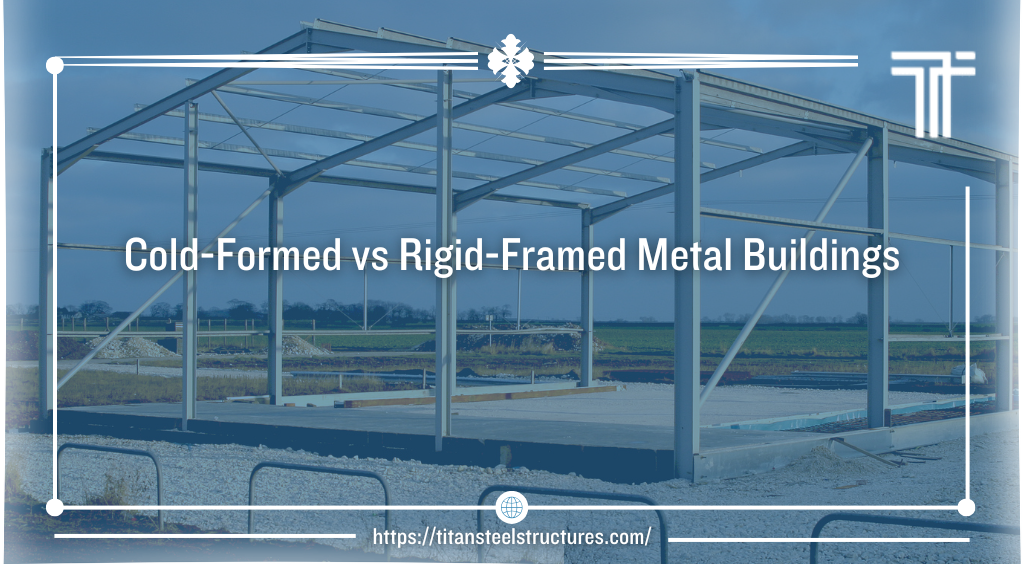
[sps_html tag=”img” src=”https://cdn.northcarolinafinearchitecture.com/2026/05/cold-formed-vs-rigid-framed-metal-buildings-titan-steel-structures-in-cold-formed-steel-design.png” alt=”Cold-Formed Vs Rigid-Framed Metal Buildings - Titan Steel Structures in Cold Formed Steel Design” style=”width: 100%; height: auto;”]