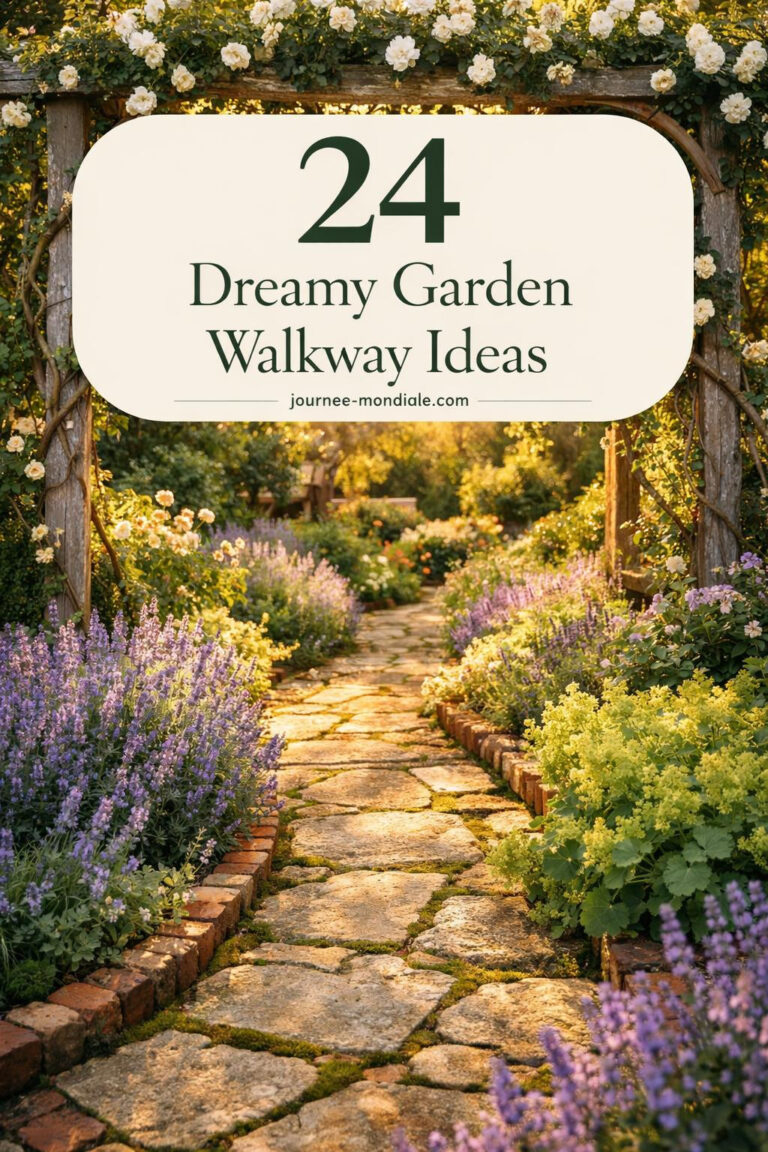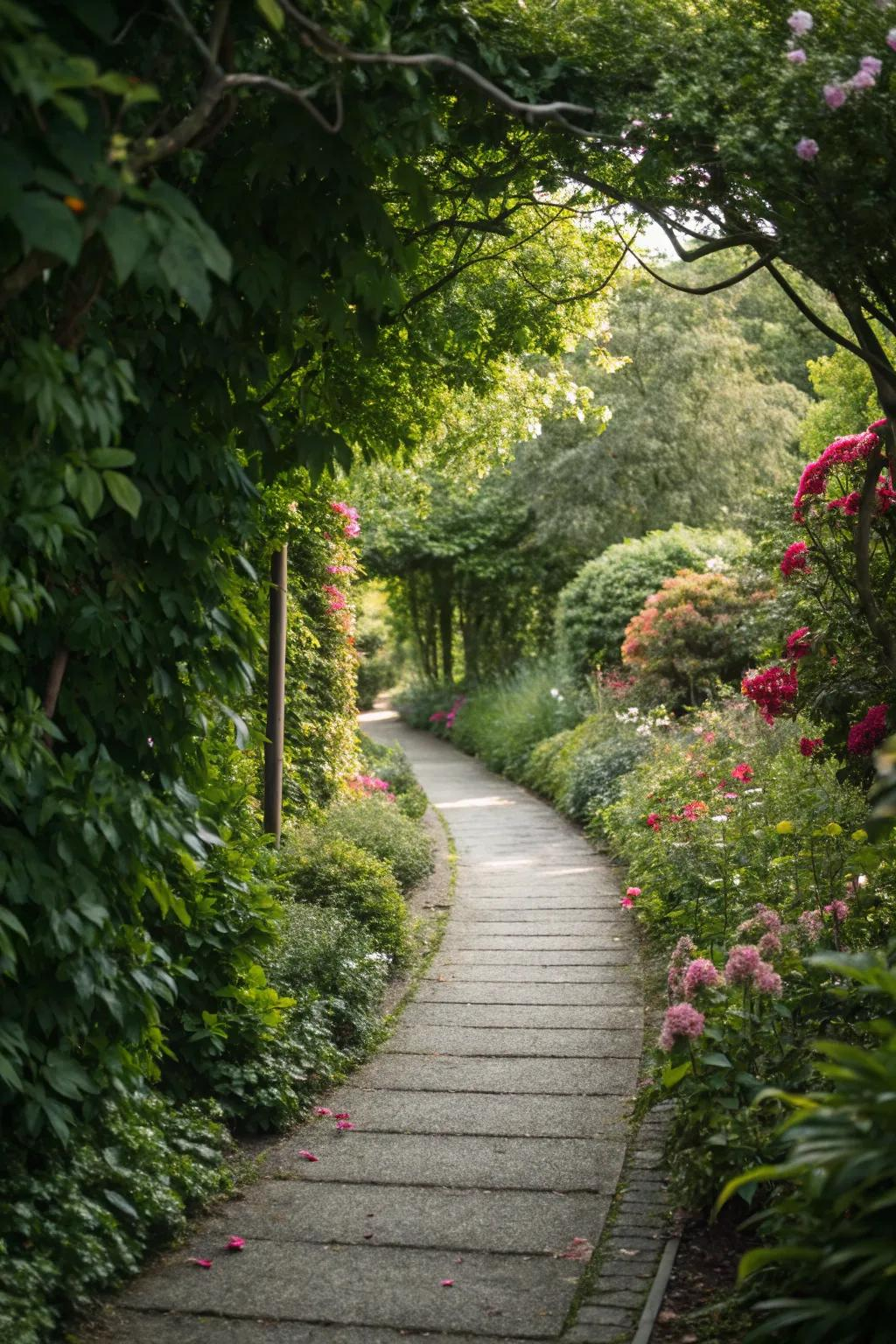
Ever looked at that muddy trail leading to your back door and thought, "There has to be a better way"? You are not alone. Most of us dream of those magazine-worthy gardens with crisp stone pathways winding through lush greenery. But then reality hits. The quotes from landscapers come in, and suddenly, that dream feels like it costs as much as a new car. It is frustrating. Really frustrating.
But here is the good news. You do not need a massive bank account to create something beautiful. In 2026, the trend is shifting away from expensive, perfect installations toward clever, personal, and affordable solutions. People are getting creative. They are mixing materials. They are doing the work themselves. And the results? Often better than what you would get from a pro because they have soul. Let’s talk about how you can turn that boring dirt path into a standout feature without emptying your wallet.
Rethinking Materials Beyond Traditional Stone
When most people hear "pavers," they think of expensive natural stone or high-end concrete blocks. But the market has changed. There are now incredible alternatives that look just as good but cost a fraction of the price. Recycled concrete pavers are huge right now. They are durable, eco-friendly, and often sold at a discount because they are made from crushed old pavement. You get that rustic, industrial chic look that is so popular in modern design, and you help the planet at the same time. Win-win.
Another option gaining traction is composite pavers made from recycled plastics and rubber. These are lightweight, easy to cut, and incredibly cheap. They might not have the same weight as stone, but for a garden path where heavy traffic isn’t an issue, they are perfect. Plus, they come in various colors and textures. You can find ones that mimic wood grain or slate. Just make sure to check the UV resistance if you live in a sunny area, as some cheaper composites can fade over time.
Don’t overlook reclaimed bricks either. Check local demolition sites, online marketplaces, or even ask neighbors who are renovating. Old bricks have character. They have history. A path made of mismatched, weathered bricks tells a story that brand-new pavers simply cannot. Cleaning them up takes some elbow grease, sure, but the savings are substantial. And the irregular shapes add a charming, organic feel to your landscape that rigid, uniform pavers lack.
Creative Layouts That Save Money
Here is a secret the pros might not tell you immediately: the pattern you choose impacts the cost significantly. Complex patterns like herringbone or basket weave require more cutting and waste more material. If you are on a tight budget, stick to simpler layouts. A running bond pattern (like standard brickwork) is easy to install and minimizes waste. You buy fewer pavers because you are not throwing away half-cut pieces. It sounds simple, but it adds up fast.
Consider using pavers as accents rather than covering the entire path. This is called "stepping stone" style. Instead of a solid walkway, place individual pavers spaced out along the path, filling the gaps with gravel, mulch, or creeping thyme. This approach uses maybe 30-40% of the material needed for a full path. It looks airy and modern. It also allows for better drainage, which is a big plus if you deal with rainy seasons. Plus, it is much easier to level individual stones than an entire solid surface.
Mixing sizes can also create visual interest without extra cost. Use larger pavers for the main walking area and smaller ones for borders or decorative inserts. This breaks up the monotony and makes the path look custom-designed. You can even create a "rug" effect by laying a central pattern of pavers and surrounding it with loose gravel. This defines the space clearly while keeping the material costs low. It is all about perception. A little bit of strategic placement goes a long way.
The Power of Gravel and Sand Bases
The foundation is where many DIYers cut corners, and that is a mistake. But you do not need expensive engineered bases for a simple garden path. For light foot traffic, a well-compacted layer of sand over native soil can work surprisingly well. The key is drainage. Make sure the path slopes slightly away from your house to prevent water pooling. A simple 1-2% slope is usually enough. Use a level and a long board to check this as you go.
Gravel is another fantastic, low-cost base material. It provides excellent drainage and stability. Use crushed stone (often called "crusher run" or "road base") for the bottom layer, then top it with finer gravel or sand for leveling. This method is forgiving. If a paver settles unevenly later, you can just lift it, add a bit more sand, and put it back. No need to tear up the whole path. This flexibility is a huge advantage for homeowners who want a low-maintenance solution.
Avoid using plain dirt as a base. It shifts, holds water, and invites weeds. Even a thin layer of landscape fabric under your sand or gravel can make a world of difference. It prevents the base material from sinking into the soil and keeps weeds from pushing up through the cracks. Landscape fabric is cheap and easy to find. Do not skip this step. It will save you hours of weeding and repair work down the line. Trust me on this one.
DIY Techniques for Professional Results
You do not need fancy tools to lay pavers. A rubber mallet, a level, a tape measure, and a string line are basically all you need. The string line is crucial. It acts as your guide to keep the path straight and level. Set it up at the desired height and follow it closely. Take your time with the first few pavers. If they are right, the rest will fall into place. If they are off, everything else will be off too. Patience is key here.
Cutting pavers can seem intimidating, but it is easier than you think. For concrete or clay pavers, a simple masonry chisel and hammer work fine for straight cuts. Place the chisel where you want the break, tap it gently to score the line, then give it a firm whack. It might take a couple of tries to get the hang of it, but it saves you from renting expensive saws. For curved cuts or harder materials, consider renting a wet saw for a day. It is worth the small fee for precision.
Finishing touches matter. Once the pavers are laid, sweep polymeric sand into the joints. This sand hardens when wet, locking the pavers in place and preventing weeds and ants from moving in. It is a small investment that makes the path look finished and professional. Regular sand works too, but it washes out over time. Polymeric sand lasts years. Just make sure to follow the instructions carefully. Too much water too soon can wash it all out before it sets.
Integrating Plants and Lighting on a Budget
A path does not exist in isolation. It interacts with the plants around it. Use this to your advantage. Plant low-growing, hardy ground covers between stepping stones. Creeping thyme, sedum, or Irish moss are great choices. They soften the hard edges of the pavers and add color and texture. They also help hold the soil in place. These plants are generally inexpensive and easy to propagate. You can often get starts from friends or divide existing plants in your garden.
Lighting transforms a path from functional to magical. But you do not need to hire an electrician. Solar-powered path lights are better than ever in 2026. They are brighter, last longer, and come in stylish designs that do not look cheap. Place them strategically along the edges of the path to guide the way. Mix heights and styles for a more dynamic look. Just make sure to clean the solar panels regularly so they charge properly.
Consider adding container plants at key points along the path. Large pots with ornamental grasses or seasonal flowers draw the eye and create focal points. You can move them around as seasons change, keeping the look fresh. Thrift stores and garage sales are goldmines for unique, cheap containers. A little paint can transform an old pot into a statement piece. This approach allows you to update the look of your path without redoing the hardscape.
Even the best-installed path needs some care. But it does not have to be a chore. Sweep it regularly to remove debris and leaves. This prevents staining and keeps the surface safe from slipping. If you used polymeric sand, you rarely need to do more than this. If you used regular sand, you might need to top it off once a year. It is a quick job that makes a big difference in appearance.
Watch for settling. Over time, especially after heavy rains, pavers might sink slightly. This is normal. Just lift the affected paver, add a bit of sand or gravel underneath, and tamp it back down. It takes five minutes. Ignoring it can lead to tripping hazards and water pooling. Addressing small issues early prevents bigger problems later. Keep an eye on the edges too. Grass and weeds love to creep in. Pull them out as soon as you see them.
Sealing is optional but recommended for certain materials. Concrete pavers benefit from a sealant every few years to prevent staining and fading. Natural stone might not need it, depending on the type. Check the manufacturer’s recommendations. A good sealant enhances the color and protects against the elements. It is an occasional expense, but it extends the life of your path significantly. Think of it as insurance for your hard work.
Creating a stunning outdoor path on a budget is entirely possible. It requires creativity, patience, and a willingness to get your hands dirty. But the reward is a space that reflects your personality and enhances your home’s curb appeal. You do not need to spend thousands to make an impact. Start small. Use what you have. Be resourceful. The journey of transforming your outdoor space is just as rewarding as the destination. So grab that shovel and start digging. Your beautiful path is waiting.
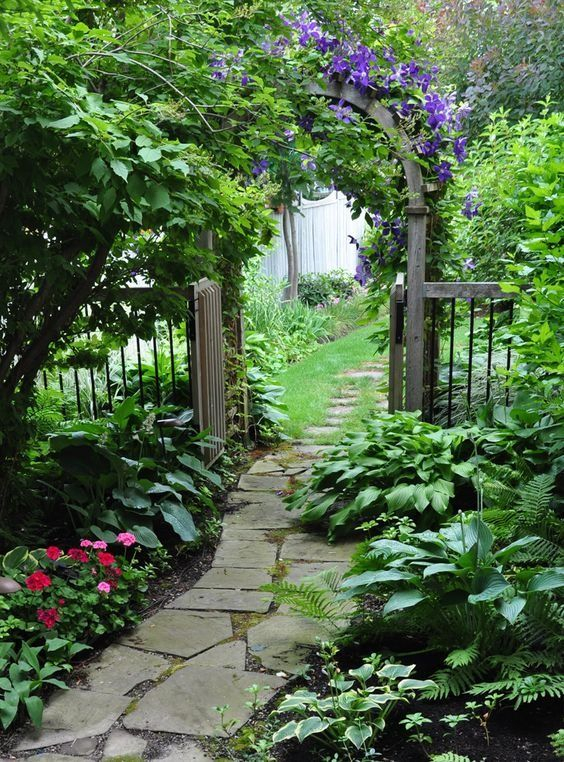
[sps_html tag=”img” src=”https://cdn.northcarolinafinearchitecture.com/2026/06/secret-garden-path-a-secret-garden-no-2-for-outdoor-walkway-design-scaled.jpg” alt=”Secret Garden Path A Secret Garden No 2 for Outdoor Walkway Design” style=”width: 100%; height: auto;”]
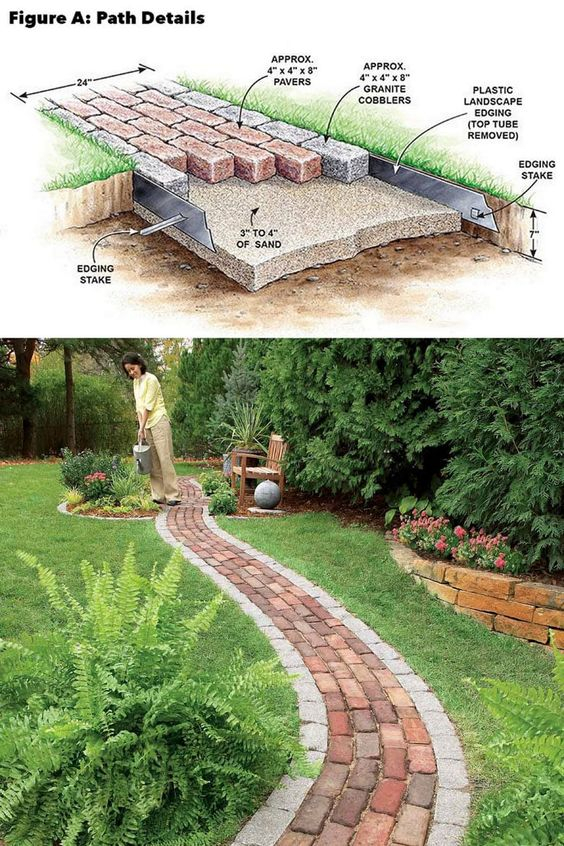
[sps_html tag=”img” src=”https://cdn.northcarolinafinearchitecture.com/2026/06/17-garden-path-ideas-great-ways-to-create-a-garden-walkway-artofit-within-how-to-design-a-backyard-walkway-that-feels-like-a-secret-garden-path.jpg” alt=”17 Garden Path Ideas Great Ways To Create A Garden Walkway – Artofit within How to Design a Backyard Walkway That Feels Like a Secret Garden Path” style=”width: 100%; height: auto;”]
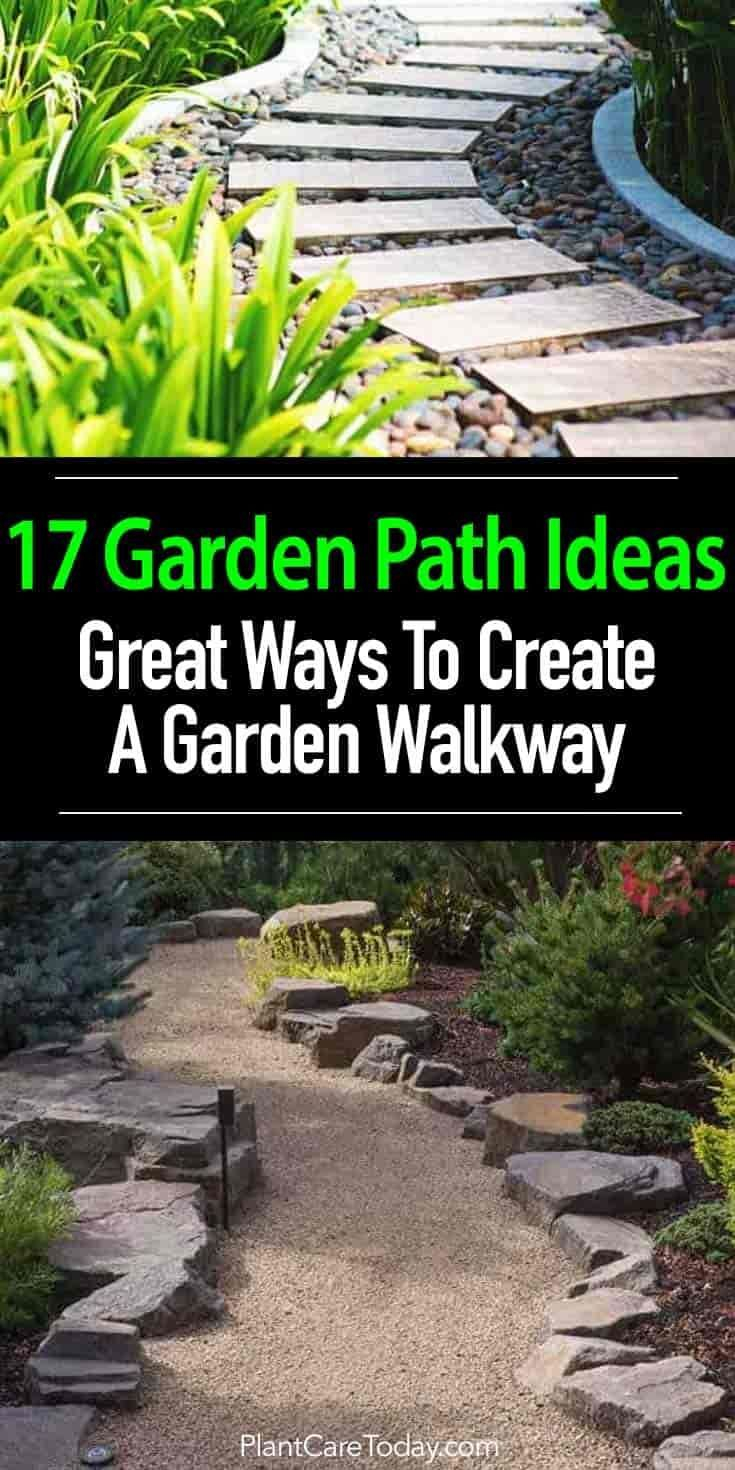
[sps_html tag=”img” src=”https://cdn.northcarolinafinearchitecture.com/2026/06/18-inspiring-garden-pathway-ideas-to-transform-your-yard-with-how-to-design-a-backyard-walkway-that-feels-like-a-secret-garden-path.jpg” alt=”18+ Inspiring Garden Pathway Ideas To Transform Your Yard with How to Design a Backyard Walkway That Feels Like a Secret Garden Path” style=”width: 100%; height: auto;”]
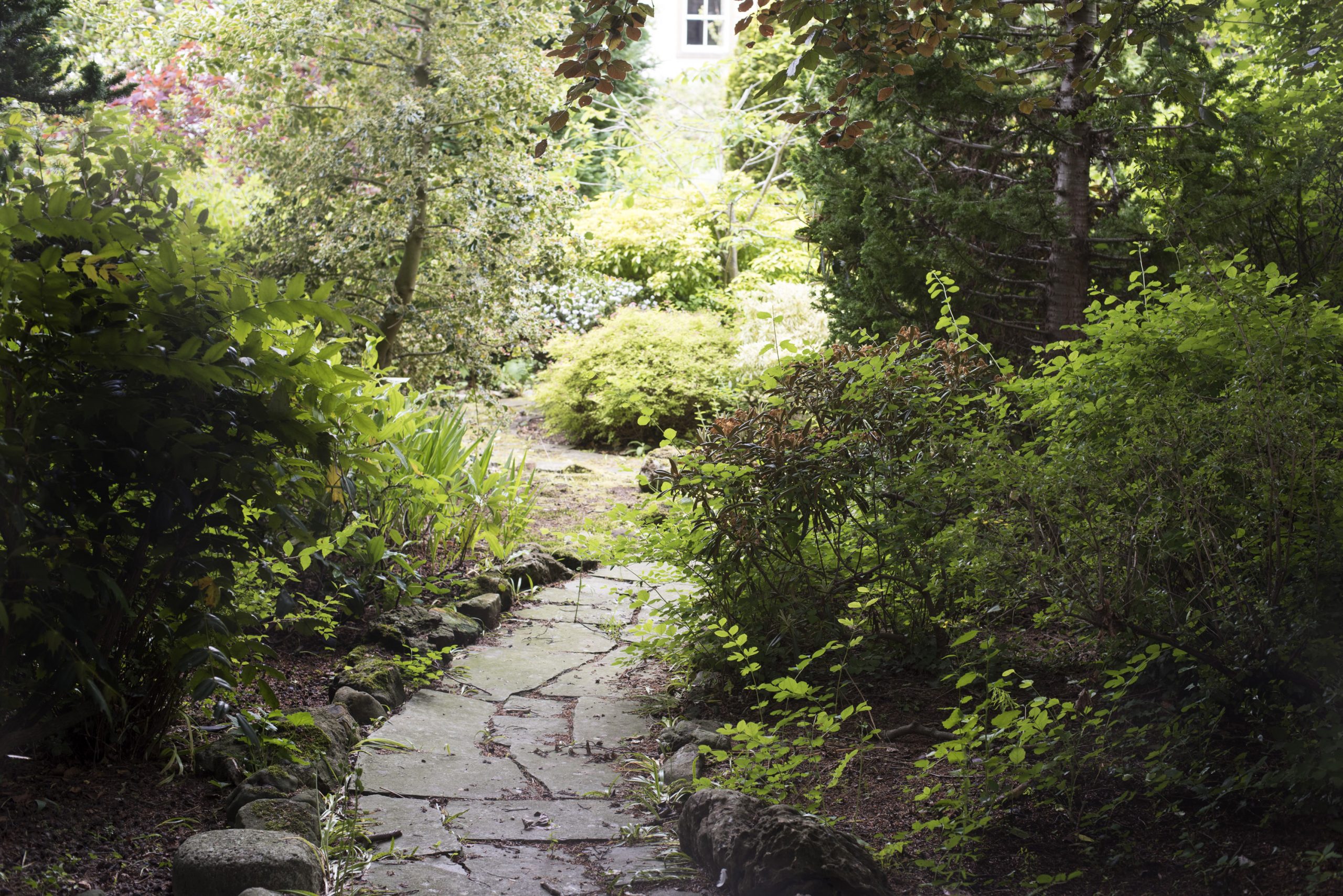
[sps_html tag=”img” src=”https://cdn.northcarolinafinearchitecture.com/2026/06/creating-a-secret-garden-walkway-landscaping-beautiful-gardens-pertaining-to-outdoor-walkway-design.jpg” alt=”Creating A Secret Garden | Walkway Landscaping, Beautiful Gardens … pertaining to Outdoor Walkway Design” style=”width: 100%; height: auto;”]
[sps_html tag=”img” src=”https://cdn.northcarolinafinearchitecture.com/2026/06/24-garden-walkway-ideas-that-feel-like-pure-magic-world-day-intended-for-outdoor-walkway-design.jpg” alt=”24 Garden Walkway Ideas That Feel Like Pure Magic – World Day intended for Outdoor Walkway Design” style=”width: 100%; height: auto;”]