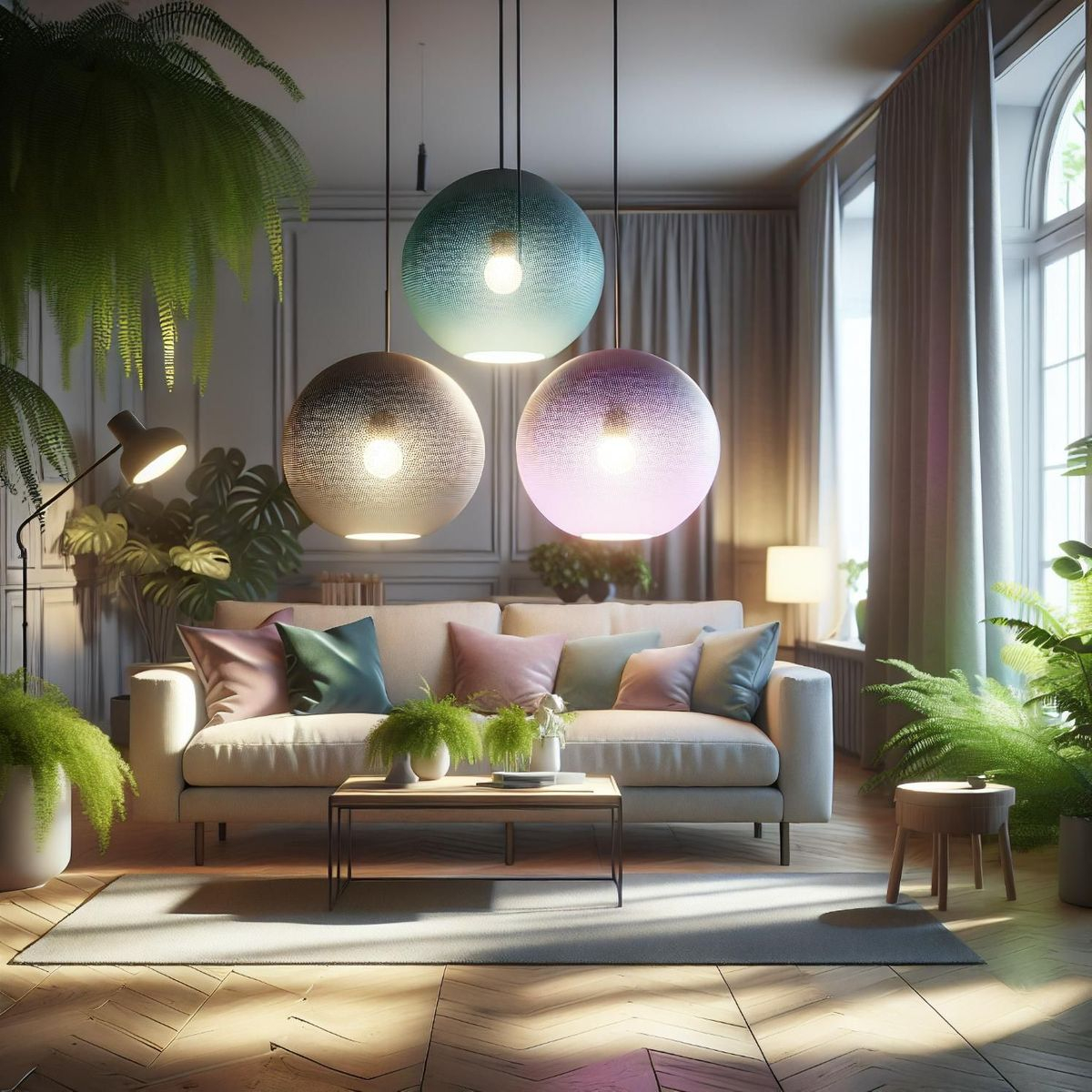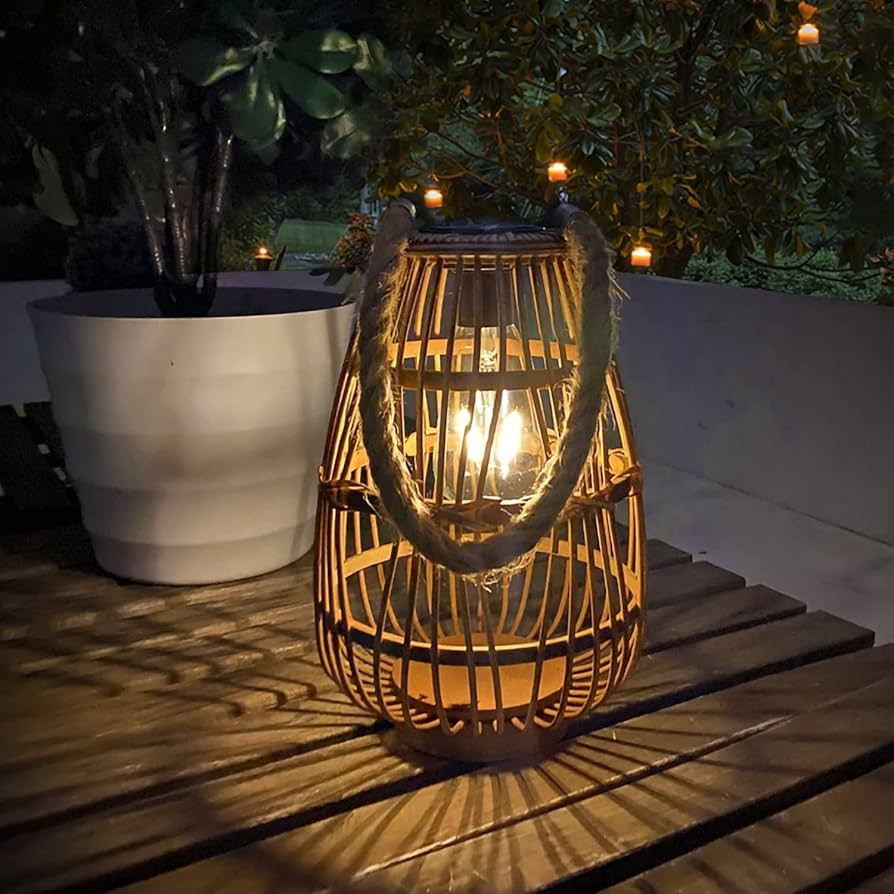
You walk into a room, look up, and there it is. That warm, golden glow filtering through woven strands. It feels organic. Grounded. Like a breath of fresh air in a world of cold steel and plastic. Rattan lighting has this magic way of making a house feel like a home. But then, a nagging thought creeps in. Will it last? Or is it just another trend destined for the landfill in a year or two?
It’s a fair question. We’ve all bought something "natural" that fell apart faster than a cheap umbrella in a storm. But here’s the thing about real rattan—it’s tougher than it looks. Much tougher. If you know its secrets. Most people treat it like fragile glass, tiptoeing around it, or worse, they ignore it until it’s dusty and brittle. Neither approach works. The truth lies somewhere in the middle. In understanding what this material actually is, and how to live with it, not just look at it.
Let’s clear the air. Rattan isn’t wicker. It’s not bamboo, though they’re cousins. It’s a solid vine from the palm family, mostly harvested in Southeast Asia. It bends without breaking. That’s its superpower. And when crafted into a light fixture, that flexibility translates into resilience. But resilience doesn’t mean invincibility. It means it needs the right kind of love. The kind that respects its nature. Over the last few years, especially heading into 2026, we’ve seen a huge surge in these fixtures. From modern farmhouses to sleek urban lofts. And with that popularity comes a lot of misinformation. Let’s fix that.
The Myth of Fragility vs. The Reality of Strength
There’s a common belief that natural materials are delicate. That they can’t handle real life. This is especially true for rattan. People assume it’s going to snap if you look at it wrong. But that’s just not how it works. Think about a basket. You toss keys in it. You move it around. It holds up. Why? Because the fibers are long and continuous. Unlike wood, which has grain that can split, rattan is more like a rope. It’s designed by nature to climb trees and withstand wind.
When artisans weave rattan into lampshades, they’re tapping into this inherent strength. The weaving pattern itself adds structural integrity. It distributes weight and stress evenly. So, when you see a large pendant light hanging from your ceiling, don’t worry about it collapsing under its own weight. It’s built for it. The issue isn’t usually physical impact—though you shouldn’t swing from it—it’s environmental. Dryness. Humidity. Dust. These are the silent killers. Not gravity.
Recent studies and expert insights from places like Woven Bamboo Light highlight that handmade construction plays a huge role here. Mass-produced stuff might use glue and weak joints. But quality rattan lighting relies on tension and weave. This means the fixture moves slightly with temperature changes instead of cracking. It breathes. That’s why a well-made piece can last decades. It’s not rigid. It adapts. And that adaptability is the first secret to its durability. You just have to let it do its thing.
Understanding the Enemy: Humidity and Heat
If rattan has a nemesis, it’s inconsistent humidity. Too dry, and the fibers become brittle. They shrink. Cracks appear. Too wet, and mold can set in. Or the material swells and warps. It’s a balancing act. Most homes in 2026 have climate control, which helps, but it also creates specific challenges. Heating systems in winter suck the moisture out of the air. Air conditioning in summer does the same. Your rattan light is sitting in a desert, essentially.
This is why placement matters more than you think. Don’t hang your beautiful rattan pendant directly over a radiator. Or right next to a heat vent. The constant blast of hot, dry air will cook the natural oils out of the vine. It’ll turn gray and flaky. Same goes for bathrooms. Yes, those spa-like vibes are trendy. But if your bathroom doesn’t have a great exhaust fan, the steam from showers will wreak havoc. Unless, of course, you’re using treated rattan. Some newer finishes, like the AquaWeave tech mentioned by Zepboo, are designed to repel water. But standard natural rattan? It needs a dry-ish spot.
Temperature swings are also tricky. A sunroom sounds lovely, right? Full of natural light. But if that room hits 90 degrees in the afternoon and drops to 60 at night, the expansion and contraction cycle will wear down the fibers over time. It’s like bending a paperclip back and forth. Eventually, it snaps. So, aim for stability. Rooms with consistent temperatures are your best friend. Living rooms, dining areas, bedrooms. Places where the climate is steady. Your light will thank you by staying supple and strong.
The Art of Gentle Cleaning
Dust is inevitable. It settles everywhere. And on rattan, it gets trapped in the nooks and crannies of the weave. If you leave it there, it builds up. It attracts moisture. It can even discolor the material. So, cleaning is non-negotiable. But here’s where most people mess up. They grab a wet rag. Or a harsh chemical spray. Big mistake. Water is not your friend here. And chemicals can strip the natural finish.
Start with the basics. A soft brush. Like a paintbrush or a makeup brush. Gently sweep away the surface dust. Do this once a week. It takes two minutes. Then, once a month, use a vacuum cleaner with a brush attachment. Set it to low suction. You don’t want to pull the fibers loose. Just hover over the surface. Let the brush agitate the dust while the vacuum sucks it up. This method, recommended by experts at Zest Lighting, is safe and effective. It gets deep into the weave without causing damage.
For tougher grime—maybe some kitchen grease if it’s near the stove—you can use a damp cloth. But emphasize on damp. Not wet. Wring it out until it’s almost dry. Add a tiny drop of mild soap if needed. Wipe gently. Then, immediately follow up with a dry cloth to remove any residual moisture. Never soak rattan. Never submerge it. And never use abrasive scrubbers. Steel wool is a hard no. Think of it like cleaning a fine leather bag. Gentle touches only. If you treat it with respect, it stays clean and vibrant.
Sunlight: Friend and Foe
We love natural light. It makes everything look better. Including rattan. In fact, new rattan often looks best in sunlight. The hues pop. The texture shines. But prolonged exposure is a different story. UV rays are powerful. They break down the lignin in the plant fibers. This causes fading. That rich honey color turns pale. Or worse, it turns gray and chalky. It’s not just cosmetic. UV damage weakens the structure too. The fibers lose their elasticity.
So, what’s the solution? Blackout curtains? No need to go that extreme. Just be smart about placement. If you have a west-facing window with intense afternoon sun, maybe don’t hang your prized rattan chandelier right in front of it. Rotate your fixtures occasionally if possible. This ensures even exposure. One side doesn’t get all the beat-down. Also, consider window treatments. Sheer curtains can diffuse the light. They filter out the harshest UV rays while still letting the room feel bright and airy.
There’s also a psychological aspect here. We associate sunlight with warmth and life. But for natural materials, it’s a slow burn. By managing exposure, you’re preserving the integrity of the piece. It’s not about hiding it away. It’s about moderation. A little sun is good. A lot is toxic. Keep an eye on the color. If you notice one side fading faster than the other, move it. Simple adjustments make a huge difference over the years. And remember, a slight patina is nice. It shows age. But brittle, faded rattan is just sad.
Repairing the Unavoidable Wear
Even with perfect care, things happen. A strand might loosen. A small section might fray. Maybe a pet got a bit too curious. Don’t panic. Rattan is surprisingly easy to repair. Unlike plastic or metal, which often need replacement when broken, rattan can be fixed. Often, you can do it yourself. For minor loose ends, a dab of wood glue is your best bet. Apply it carefully with a toothpick. Press the fiber back into place. Hold it for a minute. Let it dry. Done.
If a larger section is damaged, you might need to re-weave. Sounds scary, but it’s not. There are tons of tutorials online now. You can buy replacement rattan reeds online. They come in various thicknesses. Match the size to your fixture. Soak the new reed in water for a few minutes to make it flexible. Then, follow the existing pattern. It’s like puzzle solving. Take your time. If it’s a complex piece, or if you’re not handy, call a professional. There are craftsmen who specialize in wicker and rattan repair. It’s usually much cheaper than buying a new light.
Prevention is better, though. Check your fixtures every six months. Look for loose ends. Tighten them before they unravel. Inspect the mounting hardware too. Sometimes the issue isn’t the rattan, but the hook or chain holding it up. Ensure everything is secure. This proactive approach saves money and heartache. It keeps your lighting looking intentional, not neglected. And honestly, there’s something satisfying about fixing something with your own hands. It connects you to the object. To the craft. It makes it yours.
Not all rattan is created equal. This is the biggest secret of all. The market is flooded with cheap imitations. Paper rattan. Synthetic blends. Low-grade vines that haven’t been cured properly. When you buy a light fixture, you need to know what you’re getting. Real rattan feels solid. It has weight. It smells earthy, not chemical. The weave should be tight and uniform. No gaps. No sloppy glue spots.
Look for transparency from the seller. Where was it sourced? How was it treated? Reputable brands, like those highlighted in recent 2026 guides from Indochina Light and Rowabi, often share these details. They talk about sustainable harvesting. About skilled artisans. This isn’t just marketing fluff. It’s a sign of quality. Handmade pieces take longer to produce. But they last longer. The attention to detail means fewer weak points. Fewer chances for failure.
Also, consider the finish. Natural, untreated rattan is beautiful but high maintenance. Lacquered or varnished rattan is more resistant to moisture and dust. It’s easier to clean. For high-traffic areas or humid rooms, a finished piece is smarter. It seals the fibers. Protects them from the elements. It might cost a bit more upfront. But over ten years? It’s a bargain. You’re investing in longevity. In sustainability. And in beauty that doesn’t fade after one season. Choose wisely. Your future self will appreciate it.
So, there you have it. The secrets aren’t really secrets. They’re just common sense wrapped in a bit of knowledge. Rattan lighting is durable. It’s resilient. But it’s alive, in a sense. It reacts to its environment. Treat it with care. Keep it clean. Protect it from extremes. And choose quality from the start. If you do, that warm, golden glow will welcome you home for years to come. It’s not just a light. It’s a companion. And like any good companion, it thrives on attention.
Don’t let fear of maintenance stop you from bringing this natural beauty into your space. The effort is minimal. The reward is massive. A home that feels calm. Connected. Timeless. In a world that moves so fast, there’s something profoundly grounding about a material that has been used for centuries. It reminds us to slow down. To appreciate the craft. To care for the things we own. So go ahead. Hang that pendant. Turn it on. And enjoy the light.
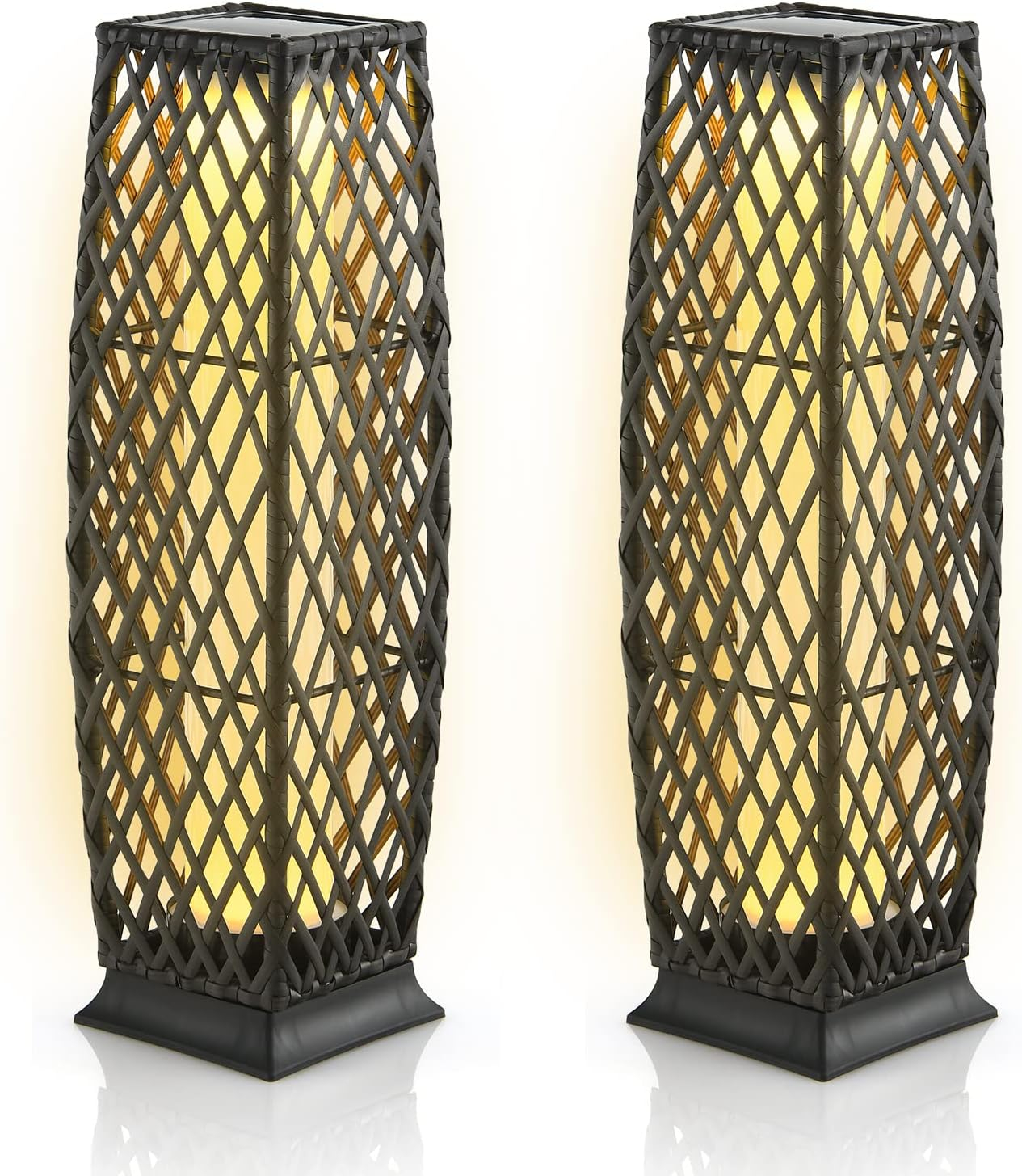
[sps_html tag=”img” src=”https://cdn.northcarolinafinearchitecture.com/2026/06/amazon-com-solar-floor-lamp-outdoor-floor-lamp-solar-lanterns-pertaining-to-transforming-outdoor-spaces-with-weather-resistant-wicker-lanterns.jpg” alt=”Amazon.com: Solar Floor Lamp, Outdoor Floor Lamp, Solar Lanterns … pertaining to Transforming Outdoor Spaces with Weather Resistant Wicker Lanterns” style=”width: 100%; height: auto;”]
[sps_html tag=”img” src=”https://cdn.northcarolinafinearchitecture.com/2026/06/rattan-lanterns-outdoors-ardara-rattan-weave-solar-lantern-regarding-wicker-light-fixture.jpg” alt=”Rattan Lanterns Outdoors Ardara Rattan Weave Solar Lantern regarding Wicker Light Fixture” style=”width: 100%; height: auto;”]
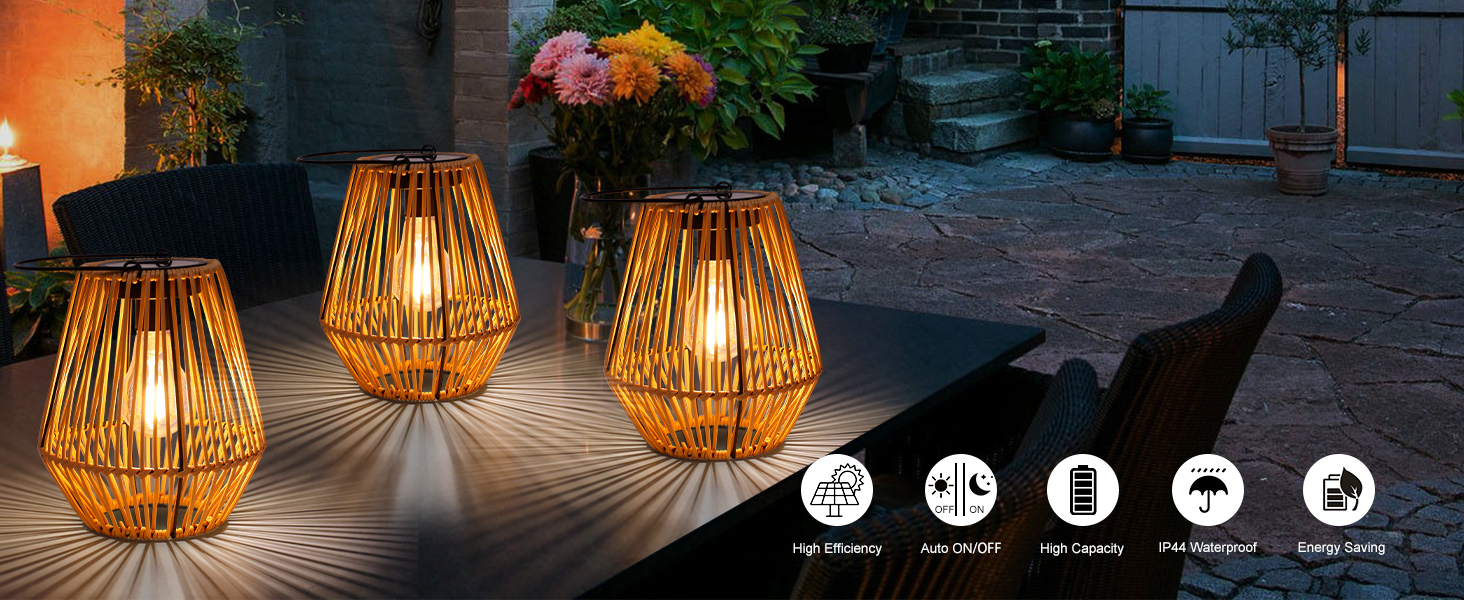
[sps_html tag=”img” src=”https://cdn.northcarolinafinearchitecture.com/2026/06/amazon-com-solar-lantern2-pack-solar-wicker-lanterns-outdoor-inside-wicker-light-fixture.jpg” alt=”Amazon.com: Solar Lantern,2 Pack Solar Wicker Lanterns Outdoor … inside Wicker Light Fixture” style=”width: 100%; height: auto;”]
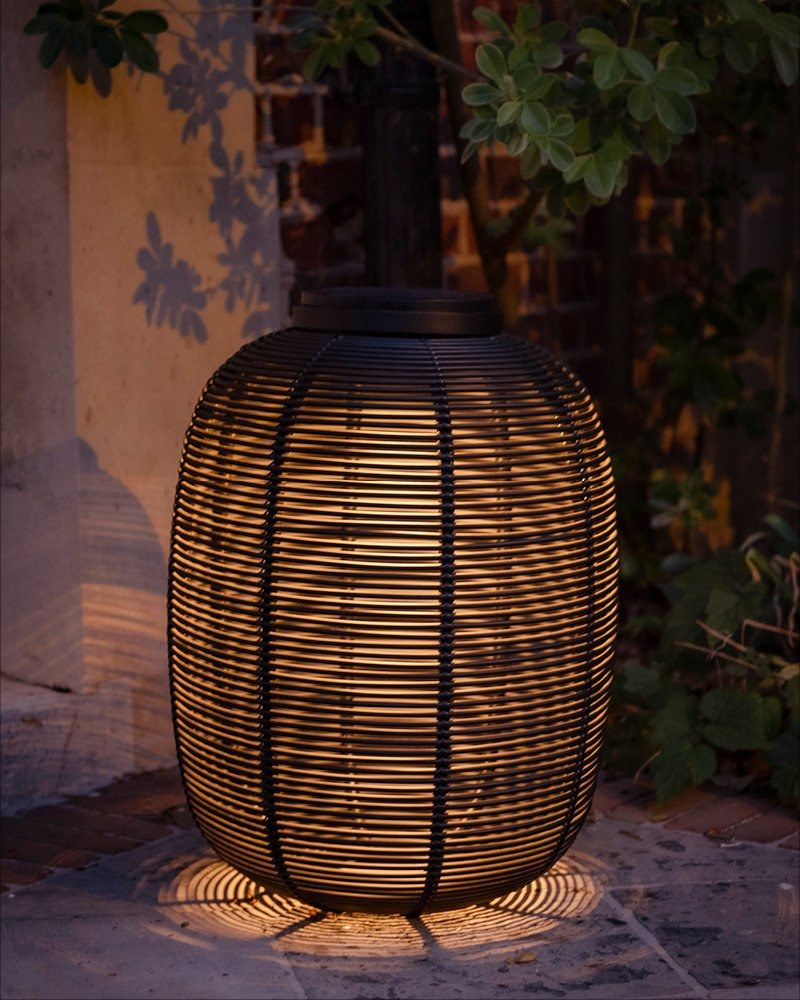
[sps_html tag=”img” src=”https://cdn.northcarolinafinearchitecture.com/2026/06/tika-solar-powered-wicker-lantern-by-vincent-sheppard-in-transforming-outdoor-spaces-with-weather-resistant-wicker-lanterns.jpg” alt=”Tika Solar Powered Wicker Lantern By Vincent Sheppard in Transforming Outdoor Spaces with Weather Resistant Wicker Lanterns” style=”width: 100%; height: auto;”]
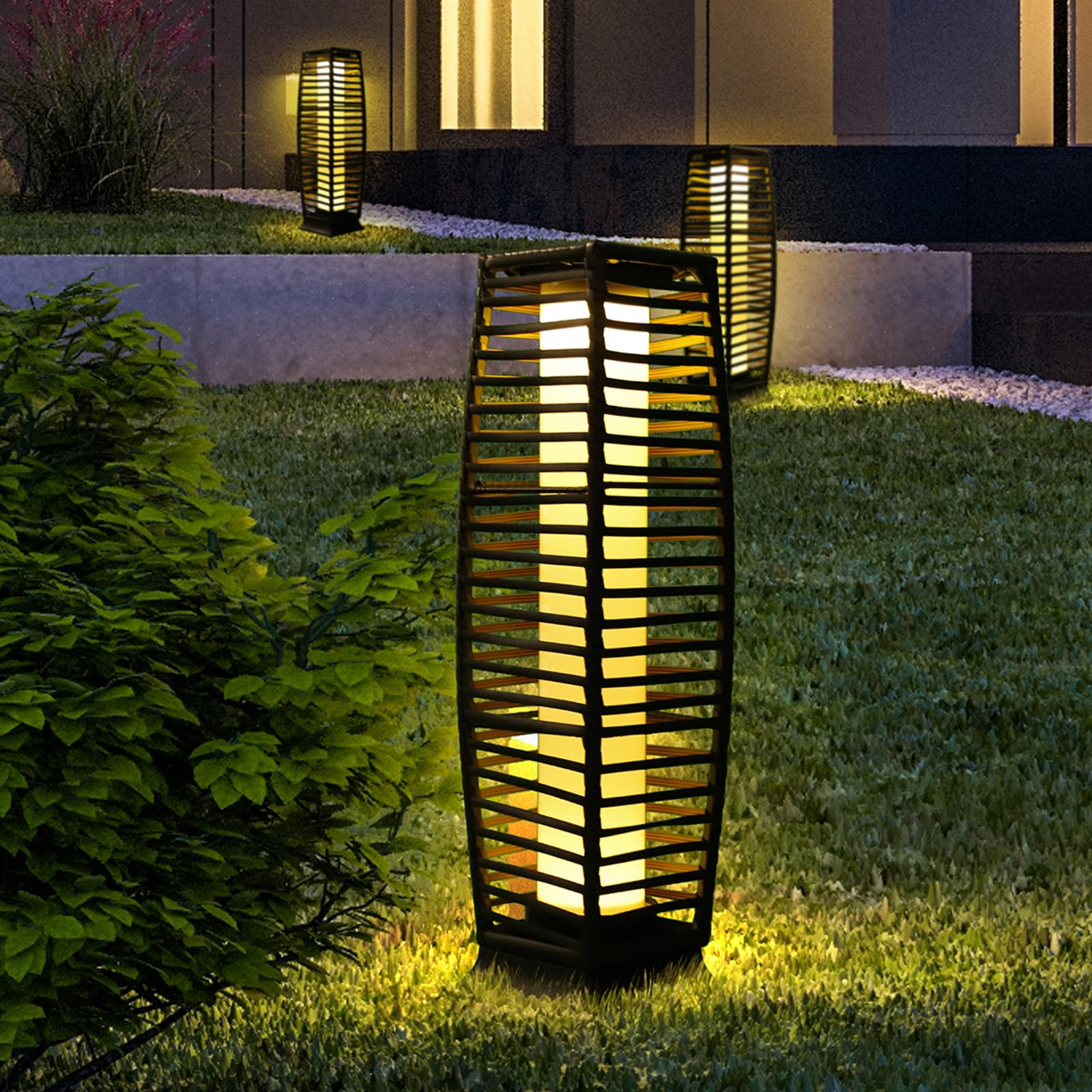
[sps_html tag=”img” src=”https://cdn.northcarolinafinearchitecture.com/2026/06/tangkula-2-pieces-outdoor-solar-powered-floor-lamps-ip65-waterproof-inside-transforming-outdoor-spaces-with-weather-resistant-wicker-lanterns.jpg” alt=”Tangkula 2 Pieces Outdoor Solar Powered Floor Lamps, Ip65 Waterproof … inside Transforming Outdoor Spaces with Weather Resistant Wicker Lanterns” style=”width: 100%; height: auto;”]