There’s something primal about sitting around a fire. It pulls people together. The crackle, the warmth, the way conversation seems to flow easier when you’re staring into flames. But if you’ve ever hosted a backyard bonfire on a wooden deck, you know that feeling of unease creeping in. Is that spark too close to the railing? Did an ember just land on the composite boards? Will I wake up tomorrow to a scorched patch of expensive Trex?
It doesn’t have to be that way. In 2026, the technology behind outdoor fire safety has gotten surprisingly good. We aren’t just talking about throwing down a piece of old carpet anymore. Today’s fire pit mats are engineered shields. They are designed to handle intense radiant heat, catch flying sparks, and resist the grease drips that happen when you’re cooking over the flames. Whether you have a sleek gas table on a stone patio or a rugged wood-burning bowl on a cedar deck, there is a mat out there that fits your vibe and keeps your home safe.
Let’s talk about how to build that safe zone. Because the goal isn’t just to avoid disaster. It’s to relax. Truly relax. You want to be thinking about the marshmallows, not the insurance deductible.
Understanding the Heat Threat
First off, we need to respect the fire. A lot of folks think the danger is just the direct flame touching the deck. That’s part of it, sure. But the real silent killer is radiant heat. Think of it like standing next to a hot oven with the door open. You don’t have to touch the heating element to get burned. The heat travels through the air.
Wood decks are vulnerable. Composite decking, which is huge right now in 2026 because it looks great and lasts long, is actually more sensitive to high heat than natural wood in some ways. It can warp, melt, or discolor if the temperature gets too high underneath a fire pit. Even concrete pavers can crack if the heat is concentrated in one spot for too long. And let’s not forget the embers. Wind is unpredictable. One gust can carry a glowing piece of charcoal ten feet away, landing right in a dry leaf pile or on a cushion.
This is why a barrier is non-negotiable. It’s not just about catching what falls; it’s about insulating what’s below. A good mat creates an air gap or uses materials that reflect heat back up, away from your flooring. It’s a simple concept, but the execution matters. You aren’t just buying a rug. You are buying peace of mind. Without it, you’re gambling with your outdoor investment every time you light a match.
Material Matters: Fiberglass vs Silicone vs Stone
So, what are these things made of? In 2026, the market has settled into a few key players. The most common material you’ll see is fiberglass. Specifically, silicone-coated fiberglass. This stuff is tough. It can withstand temperatures well over 1000 degrees Fahrenheit. It’s flexible, which makes it easy to roll up and store when winter hits. Plus, it’s naturally resistant to water and oils. If you spill some burger grease on it, a quick wipe-down usually does the trick.
Then there’s the newer wave of silicone-only mats. These are often heavier and feel more premium. They don’t fray like fiberglass can over time if the edges aren’t stitched well. Silicone is also incredibly easy to clean. It’s non-porous, so stains don’t set in. However, they can be pricier. For those who want a more permanent, aesthetic solution, stone or ceramic tiles are making a comeback. These aren’t "mats" in the traditional sense, but modular tile systems that interlock. They look like part of the patio design but offer superior heat protection.
Each material has its place. Fiberglass is the workhorse. It’s affordable and effective. Silicone is the low-maintenance luxury option. Stone tiles are for the person who wants the protection to look like decor. When you’re looking at specs, check the heat rating. Anything under 1000°F is probably skirting it for a wood-burning pit. Aim higher. You want that buffer. Also, look for double-sided designs. Why? Because if one side gets stained or worn, you can flip it over. It doubles the life of the product. Smart, right?
Sizing It Right for Your Setup
Here is where people mess up. They buy a mat that’s exactly the same size as their fire pit. Bad idea. You need overhang. Think of the mat as a safety zone, not just a coaster. The general rule of thumb in 2026 is to have at least 6 to 12 inches of mat extending beyond the widest part of your fire pit on all sides. If you have a 36-inch pit, you want a mat that’s at least 48 to 60 inches wide.
Why the extra space? Sparks don’t fall straight down. They bounce. They roll. If your mat ends right at the edge of the pit, a rolling ember can hop off the mat and onto your deck before you even notice it. The overhang catches those stragglers. It also accounts for the radiant heat zone. The area immediately surrounding the pit gets hot too. By extending the mat, you’re protecting that perimeter from discoloration.
Also, consider your seating arrangement. Are people going to be standing around the fire? Maybe leaning in? If you have a larger gathering spot, you might want a "zone" mat. These are larger, rug-like protectors that cover the entire seating area. They protect against dropped drinks, food spills, and yes, the occasional stray spark. For a standard solo stove or small bowl, a circular mat works best. For rectangular fire tables, go square or rectangular. Match the shape, but exceed the size. Always err on the side of bigger. You can’t have too much protection, but you can definitely have too little.
Placement and Surface Prep
You’ve got the mat. You’ve got the pit. Now, where does it go? It seems obvious, but placement is key. First, make sure the surface underneath is clean and dry. Dirt or debris trapped between the mat and the deck can scratch the finish or create uneven pressure points. On wood decks, ensure there are no loose boards or protruding nails that could puncture the mat from below.
Ventilation is another big one. Some mats are solid sheets. Others have a raised mesh or dimpled design. The raised designs are better for airflow. They allow heat to dissipate rather than getting trapped underneath. If you’re using a flat mat on a wood deck, consider adding small, heat-resistant feet to your fire pit itself to create a gap between the pit bottom and the mat. This air gap is a lifesaver. It stops the heat from building up in one concentrated spot.
Don’t place your mat near flammable walls or overhanging branches. The mat protects the floor, not the ceiling. Keep a clear zone above the fire too. And if you’re on grass, make sure the ground is level. A wobbly fire pit is a dangerous one. Some people lay down a layer of paver base or sand under the mat on grass to keep it stable and prevent moisture from wicking up. It’s a small step that makes a big difference in longevity. Remember, the mat is part of a system. The pit, the mat, and the environment all need to work together.
Maintenance and Longevity Tips
Let’s be real. Nobody wants to spend their Sunday scrubbing a fire pit mat. The good news is, most modern mats are pretty low maintenance. After a night of use, wait for everything to cool down completely. Then, shake it out. Literally. Take it outside and give it a good shake to dislodge ash and cold embers. For silicone mats, a hose-down is usually enough. Use a mild soap if there’s grease, but avoid harsh chemicals. They can break down the coating over time.
Fiberglass mats can be trickier. If the coating gets damaged, the fibers can start to fray. Inspect the edges regularly. If you see fraying, you can sometimes seal it with a high-heat resistant tape or glue, but eventually, it might be time to replace. Store your mat properly during the off-season. Don’t just leave it rolled up tight in a damp corner. Let it breathe. Hang it up or store it flat in a dry shed. Moisture is the enemy of longevity, especially for the metal grommets or stitching.
One pro tip: rotate your mat. If you always place the fire pit in the exact same spot, that center area will take the most beating. By shifting the mat slightly or flipping it over occasionally, you distribute the wear and tear. It’s like rotating your tires. It extends the life of the product significantly. And if you do get a stubborn stain, don’t panic. Most heat-resistant materials are surprisingly forgiving. A little elbow grease and warm water usually do the job. Just avoid wire brushes. They can scratch the protective surface.
So, which one should you buy? It depends on how you live. If you’re a casual user who lights the fire once a month for s’mores, a standard fiberglass mat from a reputable brand will serve you well. It’s cost-effective and does the job. Look for ones with reinforced edges and grommets for easy handling. Brands in 2026 are focusing on eco-friendly coatings too, so check for those certifications if that matters to you.
If you’re a weekly host, maybe you cook over the fire often, go for the heavy-duty silicone or a double-layered composite mat. You need something that can handle frequent cleaning and higher heat loads. The extra cost pays off in durability. For the design-conscious homeowner who hates the look of industrial grey mats, look into the patterned options. In 2026, manufacturers are printing heat-resistant designs that mimic stone, wood, or geometric patterns. They blend into the patio decor instead of sticking out like a sore thumb.
And don’t forget the specific needs of your fire type. Gas pits run cooler and cleaner, so you have more flexibility. Wood burners are messy and hot. They demand the highest rating. If you have a Solo Stove or similar smokeless fire pit, check if the manufacturer recommends a specific accessory. Sometimes the airflow design of the pit requires a specific type of base to function correctly. Read the manual. It’s boring, but it saves headaches. Ultimately, the best mat is the one you’ll actually use. If it’s too ugly, you’ll leave it in the garage. If it’s too hard to clean, you’ll stop maintaining it. Find the balance between function and form that fits your life.
Creating a safe outdoor space isn’t about killing the vibe with rules and regulations. It’s about setting the stage so the vibe can thrive. When you know your deck is protected, you stop watching the embers and start watching the faces of your friends. You stop worrying about the heat and start enjoying the warmth. The right fire pit mat is a small investment for a huge return in relaxation.
Take the time to measure. Choose the right material for your habits. Keep it clean. It’s simple stuff. But in 2026, with so many options available, there’s no excuse for risking your home for the sake of convenience. Your backyard is an extension of your living room. Treat it with the same care. Protect the foundation, and the memories will follow. So go ahead. Light that fire. Sit back. And enjoy the night, knowing you’ve got it covered. Literally.
[sps_html tag=”img” src=”https://cdn.northcarolinafinearchitecture.com/2026/06/beyond-r-value-what-most-homeowners-get-wrong-about-insulation-foam-pertaining-to-what-most-homeowners-get-wrong-about-fire-pit-heat-protection.jpg” alt=”Beyond R-Value: What Most Homeowners Get Wrong About Insulation | Foam … pertaining to What Most Homeowners Get Wrong About Fire Pit Heat Protection” style=”width: 100%; height: auto;”]
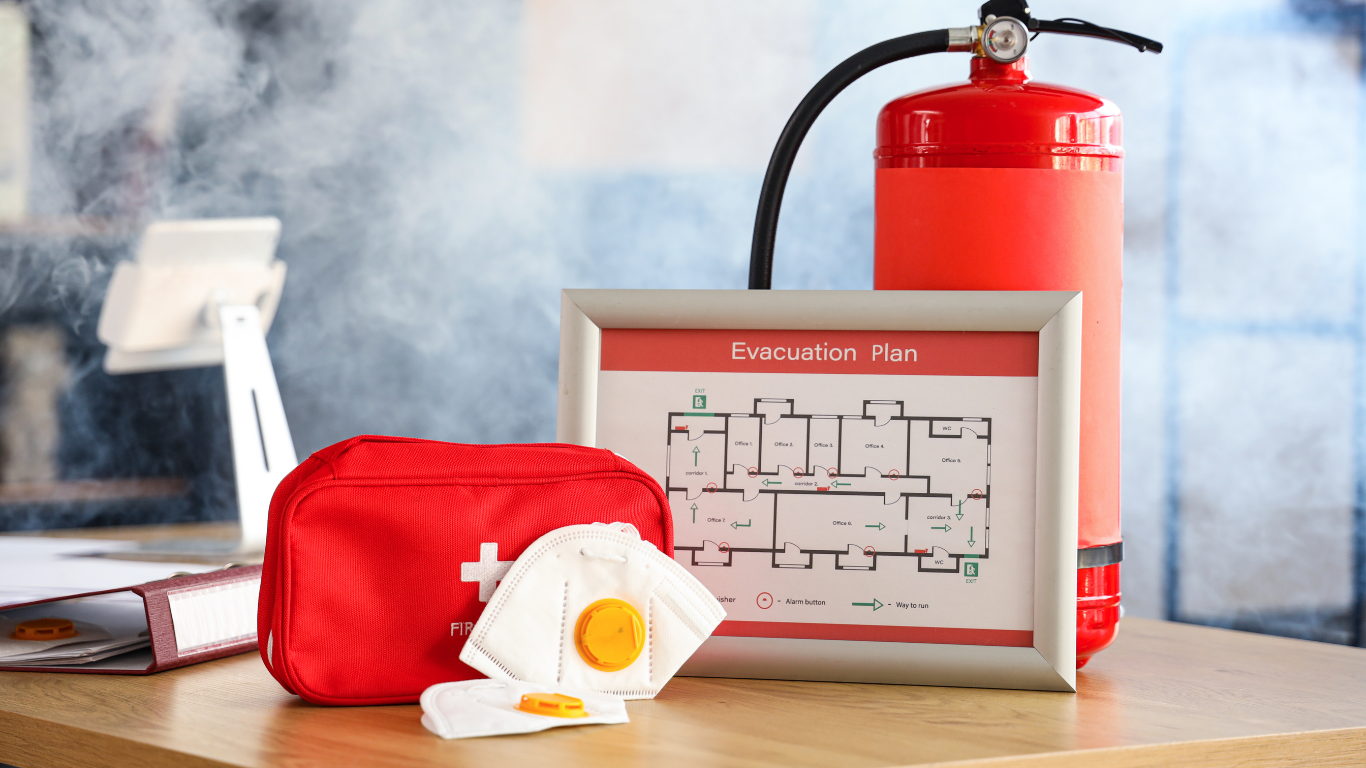
[sps_html tag=”img” src=”https://cdn.northcarolinafinearchitecture.com/2026/06/fire-safety-myths-in-offices-what-businesses-often-get-wrong-intended-for-what-most-homeowners-get-wrong-about-fire-pit-heat-protection.png” alt=”Fire Safety Myths In Offices: What Businesses Often Get Wrong intended for What Most Homeowners Get Wrong About Fire Pit Heat Protection” style=”width: 100%; height: auto;”]
[sps_html tag=”img” src=”https://cdn.northcarolinafinearchitecture.com/2026/06/the-fireplace-comfort-myth-what-homeowners-get-wrong-about-hvac-with-what-most-homeowners-get-wrong-about-fire-pit-heat-protection.jpg” alt=”The Fireplace Comfort Myth — What Homeowners Get Wrong About Hvac … with What Most Homeowners Get Wrong About Fire Pit Heat Protection” style=”width: 100%; height: auto;”]
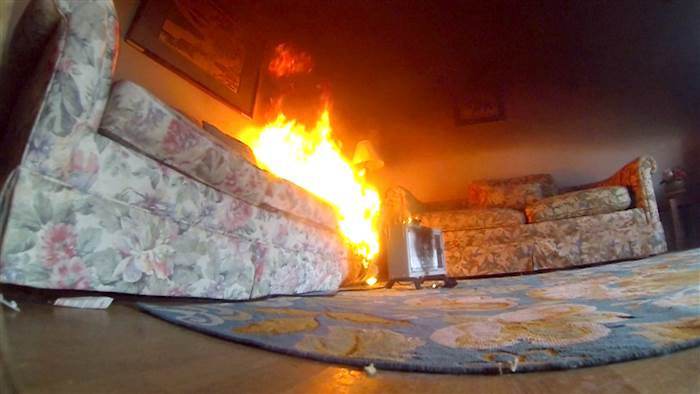
[sps_html tag=”img” src=”https://cdn.northcarolinafinearchitecture.com/2026/06/space-heater-safety-what-most-people-get-wrong-puroclean-of-hoboken-with-regard-to-what-most-homeowners-get-wrong-about-fire-pit-heat-protection.jpeg” alt=”Space Heater Safety: What Most People Get Wrong - Puroclean Of Hoboken with regard to What Most Homeowners Get Wrong About Fire Pit Heat Protection” style=”width: 100%; height: auto;”]
[sps_html tag=”img” src=”https://cdn.northcarolinafinearchitecture.com/2026/06/11-pest-control-myths-most-homeowners-get-wrong-pest-czar-inside-outdoor-fire-mat-design.png” alt=”11 Pest Control Myths Most Homeowners Get Wrong | Pest Czar inside Outdoor Fire Mat Design” style=”width: 100%; height: auto;”]