We’ve all been there. Stuck in a sterile conference room, staring at a whiteboard that hasn’t seen a fresh marker in three hours. The air is stale. The energy is lower than a phone battery at 1%. Someone asks for "blue sky thinking," but everyone is just thinking about lunch. It’s painful. And honestly? It’s outdated.
In 2026, the rules have changed. We aren’t just gathering people to brainstorm anymore. We are curating experiences. The gap between a boring meeting and a breakthrough session isn’t luck. It’s design. It’s about understanding how humans actually think, feel, and create when they are supported by the right tools and environment. If you want to spark real creativity, you have to stop treating participants like data processors and start treating them like people.
Setting the Stage Before Anyone Arrives
Creativity doesn’t start when the facilitator says "hello." It starts weeks before. Most workshops fail because the foundation is shaky. You can’t build a skyscraper on sand, and you can’t build innovation on vague objectives. In 2026, attendees are picky. They value their time more than ever. If they smell a waste of hours, they check out mentally before they even walk in the door.
Start by defining the "why" with brutal clarity. Are you solving a specific problem? Generating new product ideas? Or just trying to get teams to talk to each other? Be honest. Then, look at your participant list. Diversity isn’t just a buzzword; it’s a creative engine. Mix departments. Mix seniority levels. But also, mix thinking styles. You need the dreamers and the doers. The skeptics and the optimists. When these groups collide in a safe space, magic happens.
Don’t forget the pre-work. But keep it light. Nobody wants a five-page reading assignment. Send a short video persona or a quick AI-assisted research summary that highlights the current landscape. Give them a taste of the problem without giving them the solution. This primes their brains. It gets them curious. Curiosity is the fuel for creativity. If they arrive bored, you’ve already lost.
Designing the Physical and Digital Space
The environment shapes the behavior. This is old news, but in 2026, we have new tools to manipulate that environment. If you are meeting in person, ditch the boardroom table. Seriously. Tables create barriers. They encourage hierarchy. Use round tables or no tables at all. Let people stand. Move around. The physical act of moving stimulates blood flow and, consequently, brain activity.
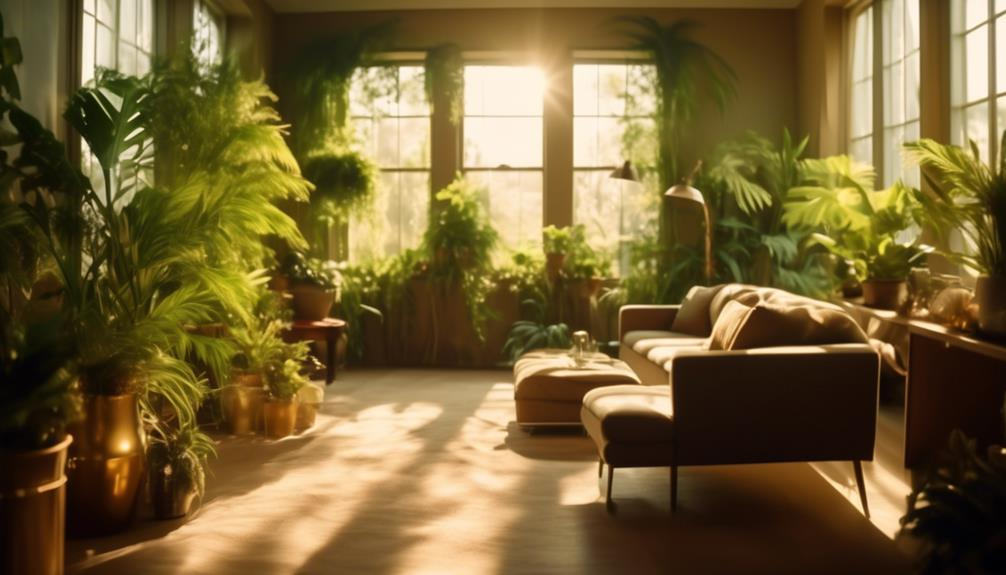
Lighting matters more than you think. Harsh fluorescent lights kill vibe. Soft, warm lighting encourages relaxation and open-mindedness. Add plants. Biophilic design isn’t just for Instagram; it reduces stress. And if you are hybrid or remote, your digital space needs just as much care. Don’t just dump everyone into a generic Zoom call. Use platforms that allow for spatial audio or virtual whiteboards that feel tactile.
In 2026, AI tools are part of the furniture. Imagine a room where an AI assistant is silently synthesizing conversations in real-time, projecting key themes on a wall screen. This isn’t science fiction. It’s here. But use it wisely. The tech should be invisible. It should support the human connection, not replace it. If people are fighting with the software, they aren’t creating. Keep the interface simple. Keep the focus on the faces, not the screens.
The Art of the Warm-Up (No Icebreakers Allowed)
Please, I beg you, stop doing trust falls. Stop asking people to share their favorite animal. These forced icebreakers create awkwardness, not connection. In 2026, we use "warm-ups" that are relevant to the work. The goal is to shift gears from "daily grind mode" to "creative mode." It needs to be low stakes but high engagement.
Try a "Crazy 8s" variation. Give everyone eight minutes to sketch eight rough ideas related to a simple prompt. It’s fast. It’s messy. It bypasses the inner critic. Or use AI-generated image prompts to spark visual thinking. Show a weird, abstract image generated by an AI and ask, "What problem does this solve?" It’s silly, sure. But it loosens the mental muscles. It signals that this is a safe place to say weird things.
Another great tactic is the "failure resume." Ask everyone to share a small professional failure and what they learned. It normalizes mistakes. Creativity requires risk. If people are afraid to look stupid, they will never share their best ideas. By sharing failures early, you build psychological safety. You show that vulnerability is a strength here. This sets the tone for the rest of the day. It tells everyone: we are here to explore, not to perform.
Structuring the Flow for Maximum Energy
A workshop is a journey. It has peaks and valleys. If you keep the intensity high for six hours, people will burn out. If you keep it low, they will fall asleep. You need to design the rhythm. Think of it like a movie. You need action scenes, quiet moments, and plot twists. In 2026, attention spans are shorter. Break your content into bite-sized chunks. No lecture should last longer than 15 minutes.
Use the "diverge and converge" model. First, let people generate as many ideas as possible (diverge). Encourage quantity over quality. No judgment. Then, switch gears and start narrowing down (converge). This shift needs to be explicit. Tell people, "Now we are switching hats. We are no longer dreaming; we are editing." This clarity reduces anxiety. People know what is expected of them at each stage.
Incorporate movement breaks. Not just coffee breaks. Active breaks. A five-minute walk. A stretching session. Something that gets blood flowing to the brain. Research shows that physical activity boosts cognitive function. Also, vary the group sizes. Start with individual work. Move to pairs. Then small groups. Then the whole room. This prevents social loafing. Everyone has to contribute. It keeps the energy dynamic and fresh.
Integrating AI as a Creative Partner
AI is the elephant in the room. Some fear it. Others love it. In 2026, the best workshops treat AI as a co-pilot, not the pilot. It’s a tool for augmentation. Use it to handle the boring stuff. Let AI summarize the sticky notes. Let it find patterns in the data. This frees up humans to do what humans do best: empathize, judge, and connect dots in unexpected ways.
One powerful technique is "AI-assisted roleplay." Create video personas using AI avatars that represent different customer types. Let participants interview these avatars. It’s faster than recruiting real users and allows for rapid iteration. You can test ideas against ten different personas in an hour. It adds depth to the empathy phase of design thinking. It makes the abstract concrete.
But be careful. Don’t let AI dominate the conversation. The human element is the secret sauce. Creativity comes from friction, from emotion, from lived experience. AI doesn’t have lived experience. Use it to expand the horizon, but keep the decision-making human. Remind participants that the AI suggestions are starting points, not final answers. Encourage them to push back. To tweak. To make it their own. This balance is key to modern creative work.
The workshop ends, but the work doesn’t. Most creativity dies in the parking lot. People leave excited, then go back to their desks and get buried in emails. To prevent this, you need a strong closing ritual. Don’t just wrap up. Commit. Have every participant write down one action they will take in the next 48 hours. Make it specific. Make it public. Share it with the group. This creates accountability.
Follow-up is crucial. Send a summary within 24 hours. Not a novel. A punchy, visual recap. Highlight the top ideas. List the next steps. Tag the people responsible. Keep the momentum alive. In 2026, we also measure success differently. It’s not just about "did they like it?" Use surveys, yes. But also track the outcomes. Did any ideas get prototyped? Did new collaborations form? Did the team solve the problem?
Create a feedback loop. Ask participants what worked and what didn’t. Be open to criticism. Use this data to refine your next workshop. Creativity is iterative. Your facilitation style should be too. Treat each workshop as a prototype. Learn from it. Improve it. Over time, you’ll build a repertoire of techniques that work for your specific context. You’ll become a master of sparking innovation. And that’s worth far more than a perfect agenda.
So, where do you start? Pick one thing from this article. Maybe it’s the warm-up. Maybe it’s the room setup. Try it. See what happens. Tweak it. The goal isn’t perfection. It’s progress. It’s creating spaces where people feel alive, engaged, and capable of amazing things. In a world that’s increasingly automated, that human spark is more valuable than ever. Go light it.
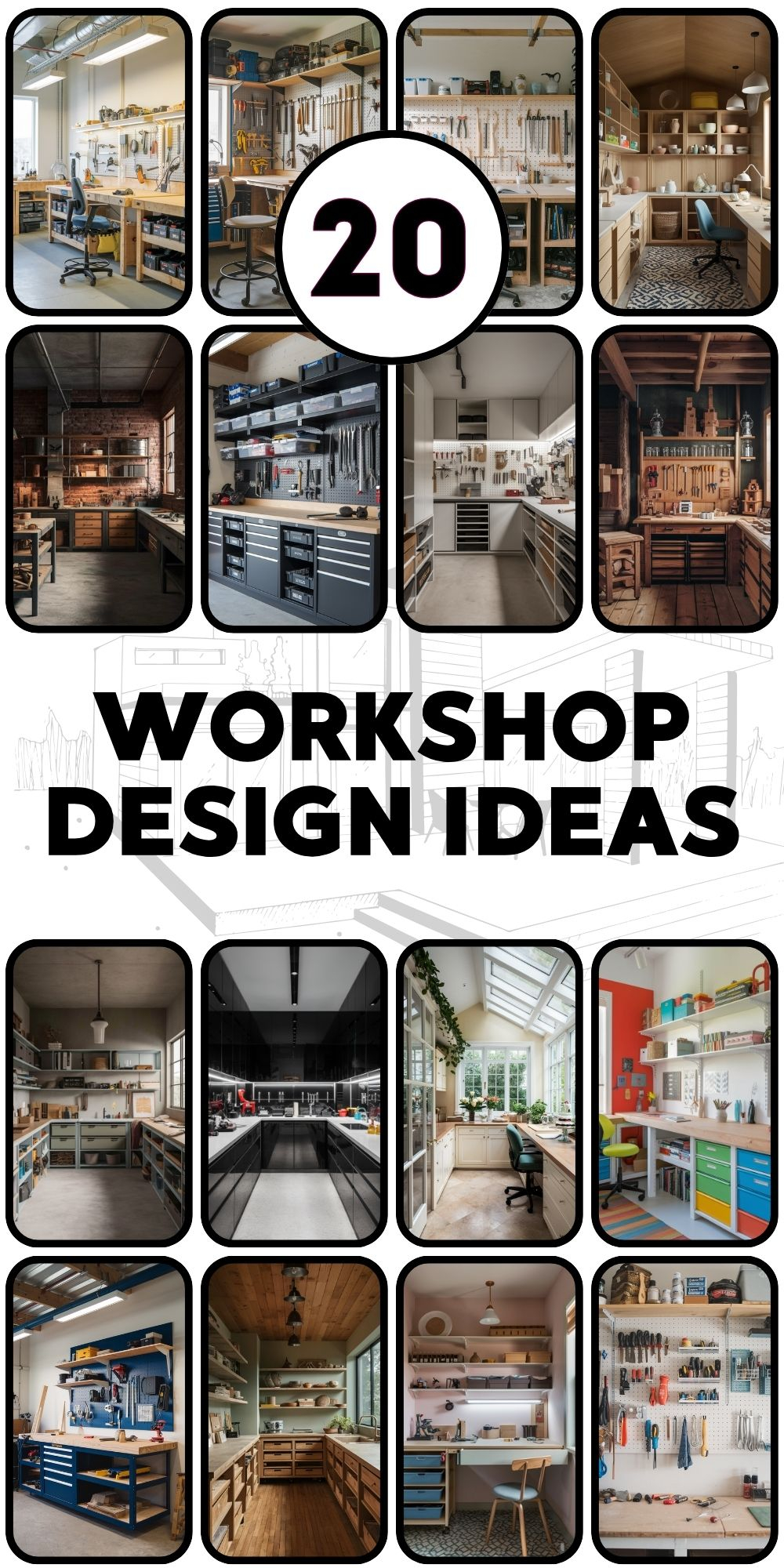
[sps_html tag=”img” src=”https://cdn.northcarolinafinearchitecture.com/2026/06/20-creative-workshop-design-ideas-for-small-spaces-art-studios-and-for-workshop-design.jpg” alt=”20 Creative Workshop Design Ideas For Small Spaces, Art Studios, And … for Workshop Design” style=”width: 100%; height: auto;”]
[sps_html tag=”img” src=”https://cdn.northcarolinafinearchitecture.com/2026/06/44-workshop-design-ideas-to-maximize-space-efficiency-and-creativity-pertaining-to-how-to-design-a-workshop-that-actually-sparks-creativity-in-2026.png” alt=”44 Workshop Design Ideas To Maximize Space, Efficiency, And Creativity pertaining to How to Design a Workshop That Actually Sparks Creativity in 2026″ style=”width: 100%; height: auto;”]
[sps_html tag=”img” src=”https://cdn.northcarolinafinearchitecture.com/2026/06/20-inspiring-workshop-design-ideas-to-boost-creativity-intended-for-workshop-design.jpg” alt=”20 Inspiring Workshop Design Ideas To Boost Creativity intended for Workshop Design” style=”width: 100%; height: auto;”]
[sps_html tag=”img” src=”https://cdn.northcarolinafinearchitecture.com/2026/06/2026-design-trends-that-actually-matters-yes-im-a-designer-inside-how-to-design-a-workshop-that-actually-sparks-creativity-in-2026.jpg” alt=”2026 Design Trends (That Actually Matters!) - Yes I'm A Designer inside How to Design a Workshop That Actually Sparks Creativity in 2026″ style=”width: 100%; height: auto;”]
[sps_html tag=”img” src=”https://cdn.northcarolinafinearchitecture.com/2026/06/44-workshop-design-ideas-to-maximize-space-efficiency-and-creativity-throughout-how-to-design-a-workshop-that-actually-sparks-creativity-in-2026.png” alt=”44 Workshop Design Ideas To Maximize Space, Efficiency, And Creativity … throughout How to Design a Workshop That Actually Sparks Creativity in 2026″ style=”width: 100%; height: auto;”]