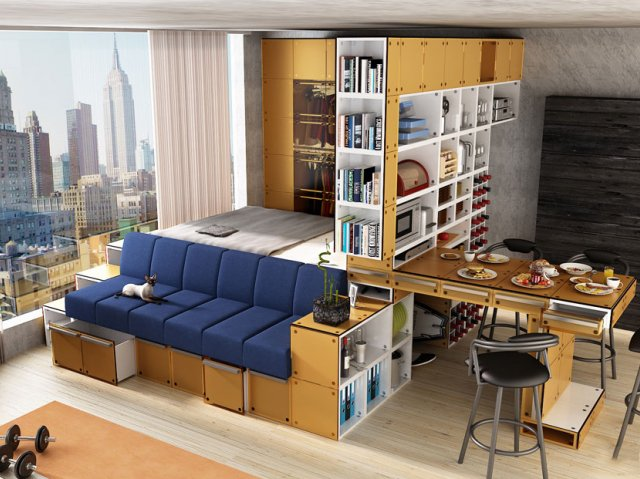
Ever walked into a house that just felt right. The air feels crisp, the sunlight hits the floor perfectly, and everywhere you look, there is a beautiful view waiting for you. It is not magic—it is all about how the rooms and windows are set up.
Most people don’t think about it until they move in and realize their bedroom feels like an oven by 4 PM. Or maybe the living room looks directly into the neighbor’s garage instead of that pretty backyard tree line. Planning where things go before you build or renovate makes a massive difference in how you enjoy your home every single day.
Mapping the Sun and Choosing Your Rooms
Before you even think about windows, you have to look at the sky. The sun rises in the east and sets in the west, which sounds simple enough, but it changes how your rooms feel throughout the day. In 2026, smart home design focuses heavily on utilizing this natural cycle to save on energy bills.
For instance, putting your kitchen or breakfast nook on the east side means you get to wake up with natural morning light. On the other hand, bedrooms usually do better facing north or south. A south-facing bedroom might get too hot during the day, making it tough to sleep at night. If you love a cozy, dark space to unwind, keeping the bedrooms away from the harsh afternoon west sun is a game changer.
The Secret to Passive Cooling and Airflow
Getting a good breeze through your house isn’t just about opening a single window. If you only open one window, the air just bumps against it and stays trapped inside. You need an entrance and an exit for the air to actually move. This is called cross-ventilation.
To make this work, try to place windows on opposite sides of a room, or even diagonally across from each other. When the wind hits one side of the house, it pushes the old, stale air out the other side. If your room only has one outside wall, you can place two windows far apart on that same wall to help scoop the air inside.
Catching the Best Views Without Losing Privacy
We all want a room with a view, but nobody wants to feel like they are living in a fishbowl. The trick is balancing big glass panels with your daily privacy. Think about what you will actually be doing in that room before you install a massive floor-to-ceiling window.
In a living area, a large picture window that frames a garden or a distant hill is amazing. But in a bathroom or a street-facing bedroom, you have to get creative. Try using high transom windows—these are narrow, horizontal windows placed way up high on the wall. They let in tons of beautiful sky views and daylight, but keep your private spaces hidden from passersby.
Using High and Low Windows for the Stack Effect
Hot air rises. It is a simple rule of physics, but we often forget to use it to our advantage when designing homes. If you have a two-story home or high ceilings, you can use something called the stack effect to cool your house down without turning on the AC.
By placing a few windows down low to let cool air in, and pairing them with operable windows up high (like in a stairwell or clerestory), you create a natural chimney. The hot air escapes through the top windows, which naturally pulls the cooler air from the bottom windows up through the living spaces. It is an easy, free way to keep things fresh.
Choosing the Right Window Styles for Air Movement
Not all windows are built the same when it comes to catching a breeze. Some styles are great for looks but terrible for airflow. For example, traditional double-hung windows only open halfway at most, which cuts your potential air intake in half.
- Casement Windows: These crank outward like a door. They act like sails on a boat, catching breezes that move parallel to your house and scooping them right inside.
- Awning Windows: These push out from the bottom. They are perfect for rainy climates because you can leave them open for fresh air even during a light shower without ruining your floors.
- Louvers or Jalousies: These consist of parallel glass slats that tilt open. They offer the maximum amount of airflow because the entire opening becomes ventilated.
Adapting to Your Local Climate and Surroundings
Every piece of land is different, so a plan that works for a house on a hill might not work for a house in a crowded suburban neighborhood. You have to look at the local wind patterns in your area, which can change depending on nearby trees, fences, or other buildings.
If you have a big tree on the west side of your home, use it. Deciduous trees are great because they block the hot summer sun but drop their leaves in the winter, letting the welcome winter warmth seep through your windows. Look at the natural elements around your property and let them guide your placement choices.
Designing a house that breathes naturally and looks great takes a little bit of patience, but the payoff is worth it. When you align your rooms with the daily path of the sun and arrange your windows to encourage cross-breezes, your home instantly becomes a more relaxing place to live.
Take some time to walk around your space or look at your blueprints with these ideas in mind. Notice where the wind comes from and where the best views hide. With a few intentional choices, you can create a beautiful, bright, and breezy sanctuary that keeps you connected to the outdoors every day.