You drive over them every day. Maybe you’re stuck in traffic on one right now, tapping your steering wheel, wondering why the commute takes so long. You look out the window at the concrete barriers and the steel girders below, but you don’t see the real magic happening. It’s not in the massive concrete slab under your tires or the towering steel beams supporting the weight. It’s in the tiny, often overlooked pieces of steel welded between them.
These are shear connectors. And honestly? They don’t get enough credit.
Think of a composite bridge like a sandwich. You’ve got the bread (the concrete deck) and the filling (the steel girders). If you just stack them on top of each other, they’ll slide around when you try to lift the sandwich. The bread slips, the filling shifts, and the whole thing falls apart. But if you stick a toothpick through the center, locking the layers together, suddenly you have a single, strong unit. That toothpick is the shear connector. It’s small, sure. But without it, the bridge isn’t a bridge. It’s just a pile of expensive materials waiting for a disaster.
In 2026, as our infrastructure ages and the demand for smarter, more sustainable construction grows, understanding these components is more critical than ever. They are the silent guardians of our daily safety, working tirelessly against gravity, traffic loads, and the relentless passage of time.
The Magic of Composite Action
So, what exactly is "composite action," and why do engineers obsess over it? It’s a fancy term for a simple idea: two materials working together as one. Steel is incredibly strong in tension—it likes to be pulled. Concrete is great in compression—it likes to be squashed. By combining them, we get the best of both worlds. But here’s the catch: they only work together if they can’t slide past each other.
That’s where the shear connector steps in. When a truck drives over a bridge, the top part of the beam gets compressed, and the bottom part gets stretched. Without connectors, the concrete deck would just slide horizontally along the top of the steel girder. This slippage reduces the bridge’s stiffness and strength significantly. It’s like trying to run with untied shoelaces; you might move, but you’re inefficient and likely to trip.
Research from recent studies highlights that the selection of an optimal shear connector is a critical design decision. It’s not just about sticking things together; it’s about maximizing strength and stiffness under both static loads (like the weight of the bridge itself) and fatigue loading (the constant pounding of traffic). When designed correctly, the concrete and steel act as a single, monolithic unit. This integration allows for longer spans, lighter structures, and ultimately, safer crossings for everyone.
Meet the Workhorse: The Headed Stud
If you were to peek under the deck of most modern highway bridges, you’d likely see rows of small, mushroom-shaped steel rods welded to the top flange of the girders. These are headed stud connectors, the absolute workhorses of the industry. They’ve been around for decades, and for good reason. They’re reliable, relatively easy to install, and their behavior is well-understood.
The "head" on the stud is key. It prevents the concrete from pulling away vertically, while the shank of the stud resists the horizontal sliding force. It’s a simple mechanical lock. According to standards like AASHTO LRFD, the design of these studs involves careful calculations of pitch (how far apart they are) and layout. In negative flexure regions—where the bridge bends upward over a support—the connectors play an even more vital role in keeping the reinforced concrete attached to the steel.
But they aren’t perfect. Welding thousands of studs onto girders is labor-intensive. And once they’re welded, they’re there forever. You can’t easily take them out. This permanence has become a bit of a headache in recent years as we face the reality of aging infrastructure. What happens when the concrete deck wears out after 50 years, but the steel girders are still good? With traditional studs, replacing the deck is a messy, destructive process. You have to grind or cut the studs off, which can damage the steel. It’s a limitation that researchers have been eager to solve.
The Rise of Demountable Connectors
Here’s where things get interesting. In 2026, sustainability isn’t just a buzzword; it’s a necessity. We can’t keep tearing down entire bridges and sending tons of steel and concrete to landfills. This has sparked a surge in research into "demountable" shear connectors. Imagine a connector that works just as well as a welded stud but can be unbolted or removed without damaging the steel girder.
Recent developments in demountable H-section steel shear connectors are showing promising results. These innovative designs allow for the detachability between steel girders and concrete bridge panels. This is a game-changer for maintenance. Instead of demolishing a bridge, crews could simply unbolt the old, cracked concrete deck, replace it with a new precast one, and bolt it back down. The steel girders remain untouched and ready for another 50 years of service.
This shift towards disassembly and reuse is gaining traction globally. Studies indicate that demountable connectors facilitate the dismantlement and replacement of precast slabs, promoting a circular economy in construction. While welded headed studs are still the standard in many design codes, including those in Korea and Europe, the momentum is clearly shifting. Engineers are now designing bridges with the end of their life in mind, not just the beginning. It’s a mature approach to infrastructure that respects both resources and future generations.
Performance Under Pressure
It’s not enough for a connector to just hold things together; it has to survive the chaos of real-world use. Bridges vibrate. They expand in the summer and contract in the winter. They endure the shock of heavy trucks hitting expansion joints. This is where fatigue performance becomes crucial. Fatigue is the weakening of a material caused by repeatedly applied loads. A connector might hold a million pounds statically, but if it cracks after ten thousand cycles of traffic, it’s useless.
Experimental tests on push-out specimens—lab setups that simulate the forces between steel and concrete—have revealed a lot about how different connectors behave. For instance, research into corrugated steel-concrete composite decks has shown that the geometry of the deck itself can influence connector performance. The interaction is complex. It’s not just about the strength of the steel stud; it’s about how the concrete crushes around it, how the weld holds up, and how the whole system distributes stress.
Newer composite connectors, which might combine welded studs with perforated holes or end-bearing concrete features, are showing significantly better shear behavior than traditional options. By increasing the number of engagement points, these hybrid designs distribute the load more evenly. This reduces the stress concentration on any single point, making the bridge more resilient to fatigue. It’s a subtle improvement, but in engineering, subtle improvements often mean the difference between a routine inspection and a catastrophic failure.
The Human Element in Design
Let’s step back from the equations for a second. Why does any of this matter to you? Because behind every design specification and every lab test, there are people. People who drive their kids to school on these bridges. People who commute to jobs that keep the economy running. People who rely on emergency services that need safe, open roads.
When a shear connector fails, it doesn’t usually happen in isolation. It starts with micro-cracks. Then slippage. Then excessive deflection. If caught early, it’s a repair job. If ignored, it can lead to partial or total collapse. The history of bridge engineering is littered with lessons learned the hard way. Today, thanks to better understanding of shear connection behavior, we have safer structures. But complacency is the enemy.
Engineers and inspectors are the frontline defenders. They use advanced simulation tools and non-destructive testing to assess the health of these connections. In 2026, sensor technology is even being embedded into some newer bridges to monitor shear connector performance in real-time. This data allows for predictive maintenance, fixing problems before they become visible to the naked eye. It’s a proactive approach that saves money and, more importantly, saves lives.
Looking Ahead: Smarter and Greener
As we look toward the future of bridge construction, the role of the shear connector will continue to evolve. We’re seeing a move towards prefabrication, where entire deck sections with connectors already attached are built in factories and shipped to the site. This improves quality control and speeds up construction, reducing traffic disruptions. Nature-published research on prefabricated steel-concrete connectors highlights how this method ensures consistent shear connection quality, which is harder to achieve in the variable conditions of a construction site.
Furthermore, the push for green construction materials is influencing connector design. Researchers are exploring how high-performance concretes and recycled steel aggregates interact with shear connectors. The goal is to reduce the carbon footprint of bridge construction without compromising safety. It’s a delicate balance, but one that the industry is actively pursuing.
The next generation of connectors might even be "smart." Imagine studs that change color when they reach a certain stress level, or sensors that transmit data wirelessly to a maintenance hub. While this sounds like science fiction, the foundational tech is already being tested. The humble shear connector is becoming a node in a larger digital network, helping us manage our infrastructure with unprecedented precision.
We often marvel at the grand scale of bridges—their soaring arches, their massive cables, their sleek lines. But the true heroism lies in the details. The shear connector is a small, unglamorous piece of steel. It doesn’t have the aesthetic appeal of a suspension cable or the imposing presence of a concrete pier. Yet, it is the linchpin of composite bridge safety.
Without these unsung heroes, the synergy between steel and concrete would vanish. The bridges we rely on would be weaker, less efficient, and far more dangerous. As we continue to innovate with demountable designs and smart monitoring systems, we are honoring the critical role these components play. They are the invisible glue holding our modern world together.
So, the next time you cross a bridge, take a moment to appreciate the unseen engineering beneath your wheels. Think of the thousands of small steel studs working in unison, bearing the load, resisting the slip, and keeping you safe. They may be silent, but their message is clear: we’ve got this. And thanks to the ongoing advancements in connector technology, they’ll keep holding strong for decades to come.
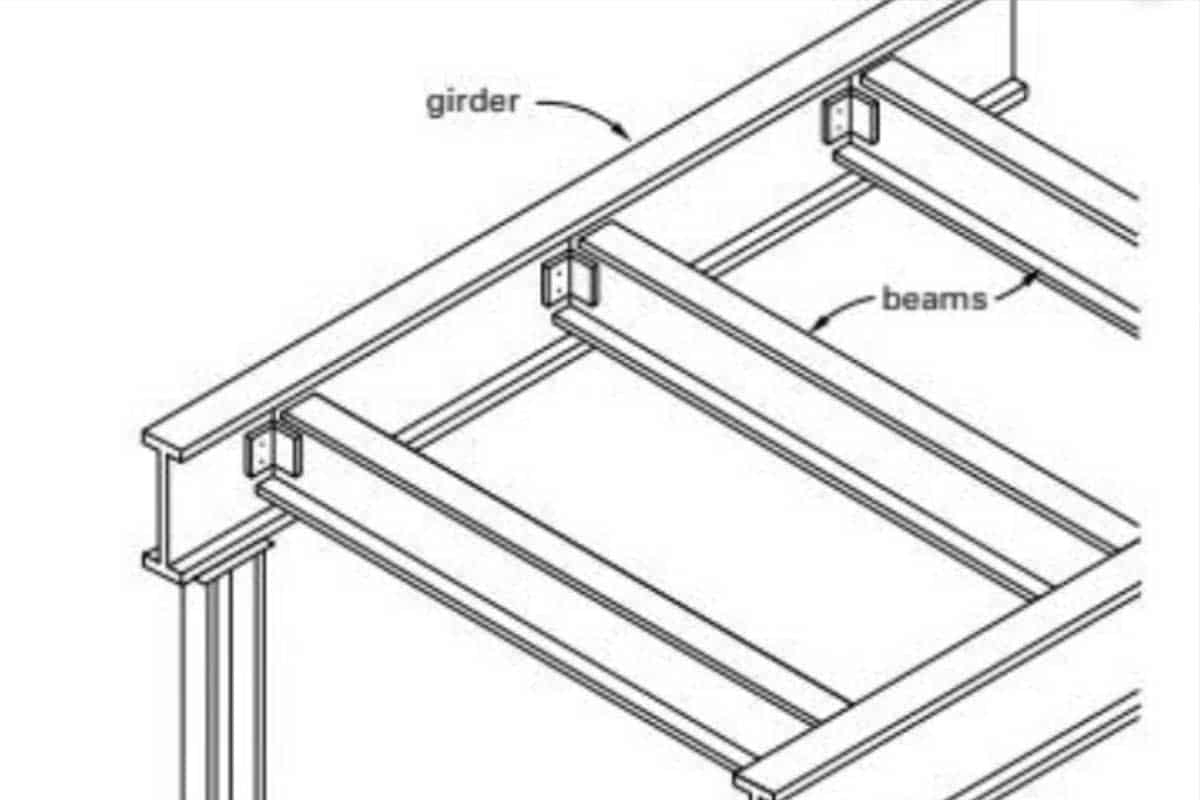
[sps_html tag=”img” src=”https://cdn.northcarolinafinearchitecture.com/2026/06/what-is-the-difference-between-beam-and-girder-with-regard-to-girder-design.jpg” alt=”What Is The Difference Between Beam And Girder with regard to Girder Design” style=”width: 100%; height: auto;”]
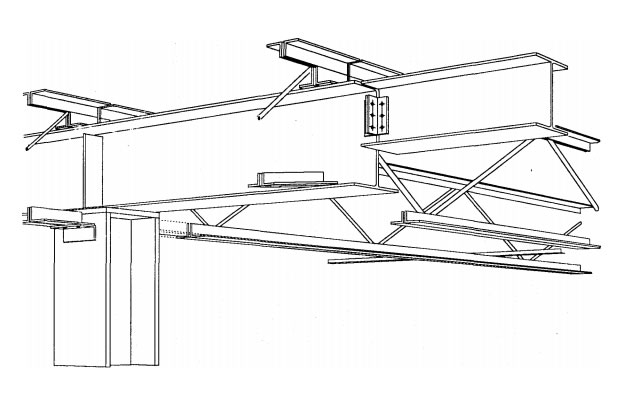
[sps_html tag=”img” src=”https://cdn.northcarolinafinearchitecture.com/2026/06/jonathan-ochshorn-arch-2615-5615-building-technology-ii-structural-with-girder-design.jpg” alt=”Jonathan Ochshorn—Arch 2615-5615 Building Technology Ii: Structural … with Girder Design” style=”width: 100%; height: auto;”]
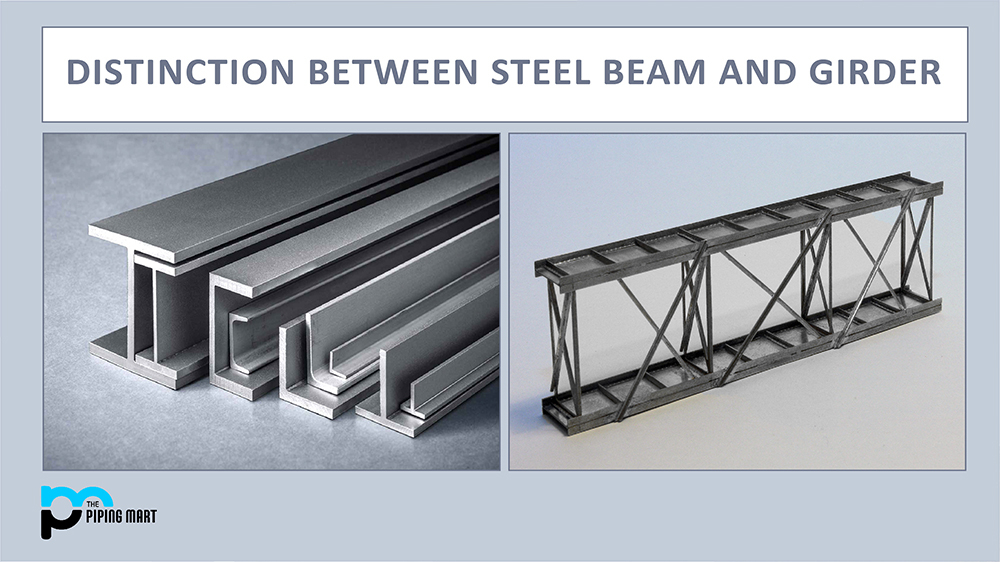
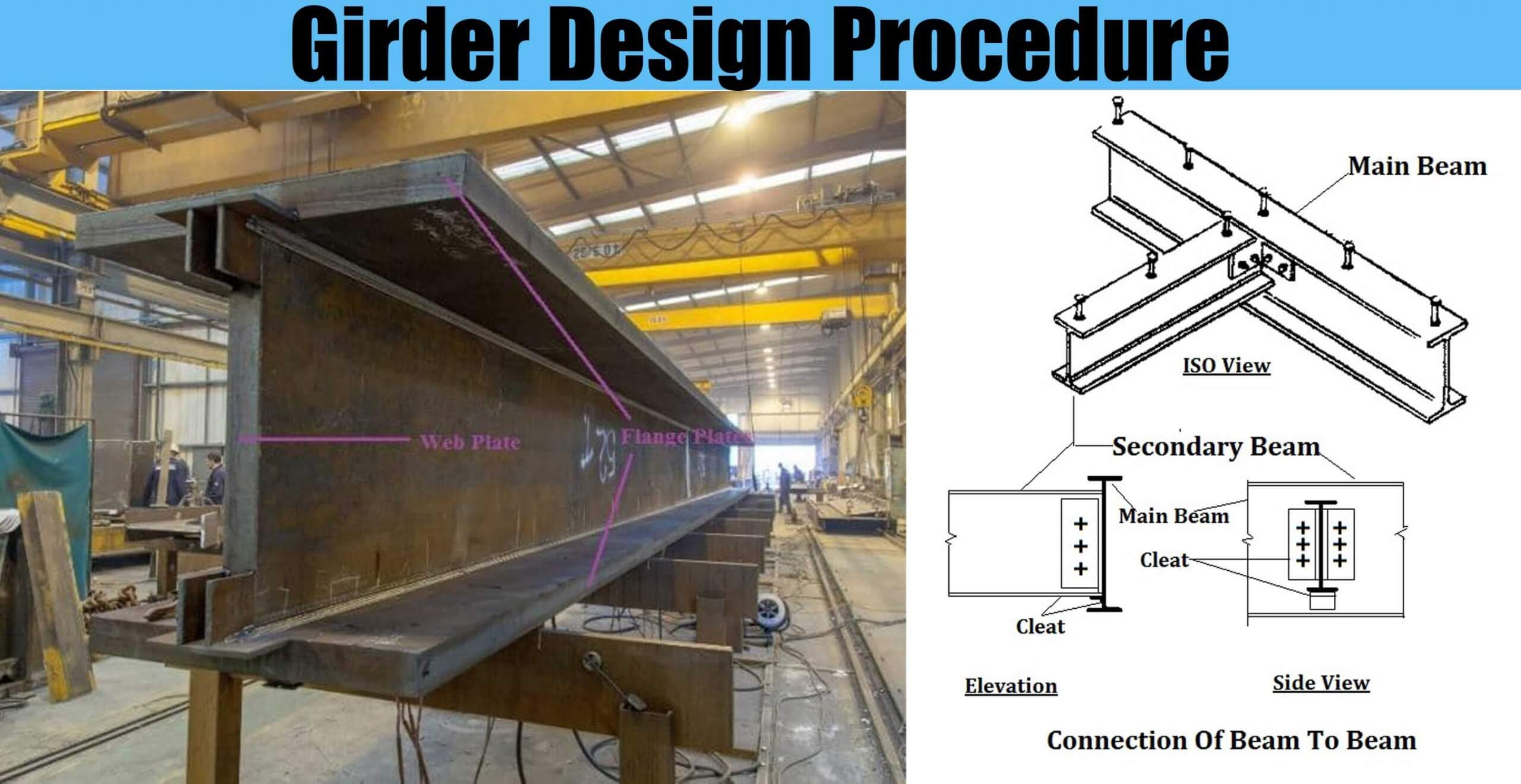
[sps_html tag=”img” src=”https://cdn.northcarolinafinearchitecture.com/2026/06/girder-design-procedure-engineering-discoveries-with-regard-to-girder-design.jpg” alt=”Girder Design Procedure | Engineering Discoveries with regard to Girder Design” style=”width: 100%; height: auto;”]
[sps_html tag=”img” src=”https://cdn.northcarolinafinearchitecture.com/2026/06/girder-and-beam-diagram-beams-with-girder-design.jpg” alt=”Girder And Beam Diagram Beams with Girder Design” style=”width: 100%; height: auto;”]
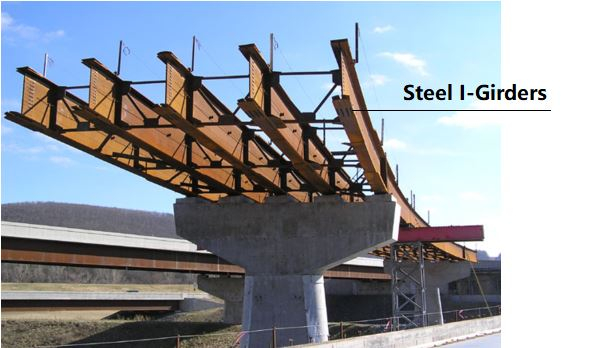
[sps_html tag=”img” src=”https://cdn.northcarolinafinearchitecture.com/2026/06/steel-beam-bridge-for-girder-design.jpg” alt=”Steel Beam Bridge for Girder Design” style=”width: 100%; height: auto;”]