You know that feeling. You’re trying to focus on a report, or maybe just unwind with a book after a long day. Then, it happens. A muffled conversation through the wall. The thud of footsteps above. The distant hum of traffic that never seems to stop. It’s not loud enough to scream about, but it’s there. Always there. It chips away at your patience, bit by bit.
We often think of our homes and offices as visual spaces. We pick paint colors, choose furniture, and hang art. But we rarely think about what we hear. Or rather, what we can’t help but hear. In 2026, as cities get denser and workspaces become more open, this invisible intruder is causing a crisis. It’s not just an annoyance. It’s a health hazard. And it’s costing us far more than we realize.
The Productivity Plunge
Let’s talk numbers, because they are startling. You might think you can "power through" the noise. Maybe you put on headphones. Maybe you just grit your teeth. But your brain is working overtime to filter out the distraction. Research from the British Journal of Psychology found something shocking: productivity can drop by up to 66% due to noise in the workplace. That’s not a small dip. That’s a crash.
Imagine losing two-thirds of your work capacity. It’s like showing up for a three-day week every single week. In open-plan offices, which are still popular despite the backlash, this is the norm. Noise distractions are consistently one of the top complaints among employees. It’s hard to concentrate when you can hear your colleague’s phone call clearly. It’s hard to be creative when your train of thought is derailed every ten minutes by a slamming door.
This isn’t just about getting less done. It’s about the quality of what gets done. Mistakes happen more often. Complex problem-solving becomes nearly impossible. The cognitive load of ignoring sound drains the mental energy you need for deep work. So, while the office might look modern and collaborative, the acoustic reality is often a barrier to actual collaboration. People stop talking because they don’t want to be overheard, or they wear noise-canceling headphones all day, isolating themselves further. It’s a paradox. We build spaces to connect, but the noise pushes us apart.
The Mental Health Toll
Beyond the spreadsheet, there’s a human cost. Chronic noise exposure is linked to higher levels of stress and anxiety. It triggers our body’s fight-or-flight response. Even if you don’t feel "scared," your cortisol levels rise. Your heart rate might tick up. Over time, this constant low-level alarm state wears you down. It’s exhausting.
Sleep is another major victim. If you live in an apartment with poor sound insulation, nighttime noises—neighbors watching TV, elevators moving, pipes clanking—can disrupt your sleep cycles. You might not wake up fully, but your sleep becomes lighter, less restorative. Poor sleep leads to irritability, mood swings, and a lower threshold for stress the next day. It’s a vicious cycle. The noise keeps you awake, the lack of sleep makes you more sensitive to noise, and your mental well-being takes a hit.
Studies continue to highlight these adverse effects on mental well-being. It’s not just about being annoyed. It’s about feeling unsafe or unsettled in your own space. Home should be a sanctuary. When sound leaks through walls and windows, that sense of privacy vanishes. You feel exposed. This lack of acoustic privacy can lead to feelings of vulnerability and even depression in severe cases. The mind needs quiet to process emotions and recover from the day. Without it, we are constantly on edge.
The Hidden Financial Drain
Companies often hesitate to invest in soundproofing because it seems expensive. Upfront costs for acoustic panels, better insulation, or sound masking systems can look high on a budget sheet. But here’s the thing: the cost of doing nothing is much higher. The drain on productivity and worker wellbeing has real impacts on the bottom line. These impacts are likely many times more expensive than addressing interior noise with proper acoustic solutions.
Think about turnover. Employees who are stressed, exhausted, and unable to focus are more likely to quit. Recruiting and training new staff is incredibly costly. If poor acoustics are driving people away, that’s a massive financial leak. Then there’s the issue of sick days. Stress-related illnesses and sleep disorders lead to more absenteeism. Every day an employee is out is a day of lost revenue.
There are also compliance risks and operational inefficiencies. In healthcare facilities, noise can affect patient recovery rates. In call centers, background noise reduces call quality and customer satisfaction. Even energy usage can be higher in poorly designed buildings where HVAC systems have to work harder to compensate for bad insulation, which often goes hand-in-hand with poor acoustic performance. When you look at the total cost of ownership, good acoustics aren’t an expense. They’re an investment with a high return.
Where We Live Matters Too
It’s not just offices. Our homes are suffering too. In today’s urban environments, sound insulation between apartments and offices remains a common issue. As cities grow vertically, we are living closer together than ever before. Yet, building codes in many places still lag behind when it comes to acoustic standards. We prioritize fire safety and structural integrity, which are crucial, but we often treat sound as a luxury rather than a necessity.
This leads to excessive noise disturbances that affect overall quality of life. You might love your neighborhood, but if you can hear your neighbor’s argument every night, your home doesn’t feel like yours. This is especially tough for remote workers. Since the shift to hybrid and remote work accelerated in the early 2020s, millions of people are trying to work from spaces that were never designed for it. A kitchen table is not a soundproof booth.
The problem extends to multi-use buildings too. Living above a restaurant or next to a gym can make life difficult. The vibration from bass-heavy music or the clatter of weights can travel through structures in ways that are hard to block. For families with young children or elderly relatives, this constant intrusion can be overwhelming. It affects relationships, rest, and the simple joy of being at home. We need to demand better construction practices that prioritize acoustic comfort as a basic right, not an upgrade.
Simple Fixes and Smart Design
So, what can we do? The good news is that we don’t always need to tear down walls. There are practical steps to improve acoustic conditions. For existing spaces, adding soft materials can help. Rugs, curtains, and upholstered furniture absorb sound. Bookshelves filled with books break up sound waves. These are small changes, but they add up.
For more serious issues, sound masking systems can be a game-changer. These systems add a subtle, unobtrusive background sound (like airflow) that raises the ambient noise level slightly. This makes speech less intelligible from a distance, reducing distractions. It’s counterintuitive, but adding a little sound can make a space feel quieter. Sound absorbing panels on ceilings and walls are another effective option. They come in various designs now, so they don’t have to look like ugly foam squares. They can be art.
Proper design and construction practices are key for new builds. Using dense insulation materials, decoupling walls (so sound doesn’t travel through studs), and sealing gaps around doors and windows are fundamental steps. Architects and designers need to prioritize acoustics from the start, not as an afterthought. Facility managers should also regularly assess noise levels and address complaints proactively. It’s about creating a holistic environment where people can thrive. Small interventions can boost productivity and ensure the wellbeing of everyone in the space.
We need to change how we think about sound. It’s not just background noise. It’s a critical part of our environment that shapes our health, happiness, and success. In 2026, we have the technology and the knowledge to build quieter, healthier spaces. The question is whether we value silence enough to pay for it. Do we value our mental health enough to demand better insulation?
Businesses need to see acoustic design as a core part of their strategy, not a nice-to-have. Homeowners and renters need to ask questions about soundproofing before signing leases or buying properties. We need to normalize the conversation about noise. It’s okay to say, "This is too loud." It’s okay to ask for changes.
By reducing unwanted sounds, individuals can achieve deeper, more restorative sleep, improving mood and cognitive function. It enhances overall well-being. Imagine a world where you can focus without effort. Where your home feels truly private. Where work doesn’t leave you mentally drained by noon. That world is possible. It starts with recognizing the real cost of poor sound insulation. And it ends with us choosing to build better. Let’s listen to the silence. It’s worth it.
[sps_html tag=”img” src=”https://cdn.northcarolinafinearchitecture.com/2026/06/does-fiberglass-insulation-effectively-block-sound-a-comprehensive-inside-sound-insulation-design.webp” alt=”Does Fiberglass Insulation Effectively Block Sound? A Comprehensive … inside Sound Insulation Design” style=”width: 100%; height: auto;”]
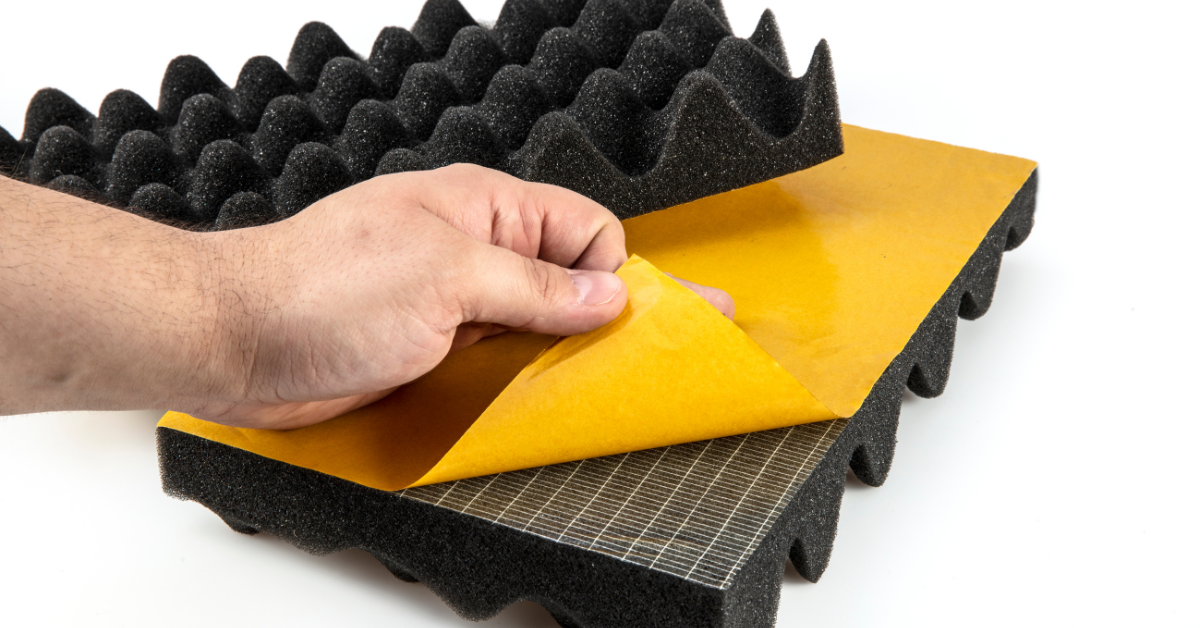
[sps_html tag=”img” src=”https://cdn.northcarolinafinearchitecture.com/2026/06/mineral-wool-or-fiberglass-a-project-based-guide-in-sound-insulation-design.jpg” alt=”Mineral Wool Or Fiberglass: A Project-Based Guide in Sound Insulation Design” style=”width: 100%; height: auto;”]
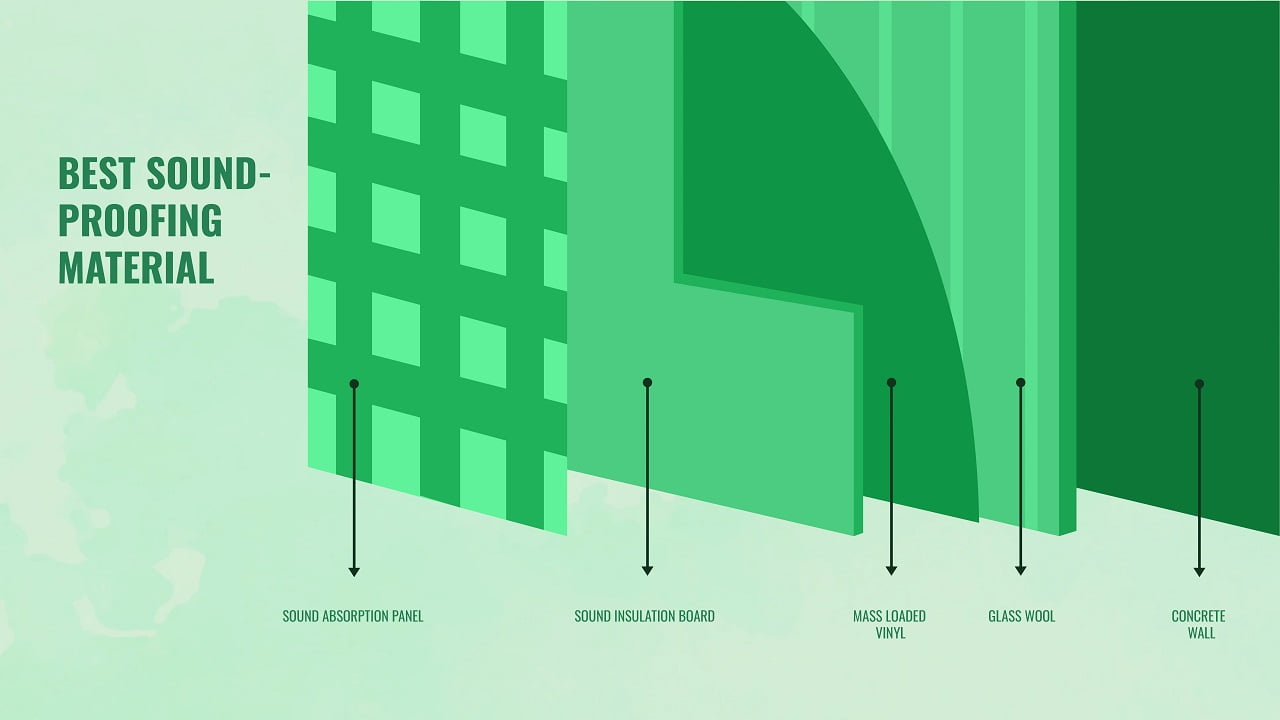
[sps_html tag=”img” src=”https://cdn.northcarolinafinearchitecture.com/2026/06/18-best-soundproofing-materials-for-effective-noise-reduction-with-regard-to-beyond-mineral-wool-and-fiberglass-what-advanced-materials-actually-block-sound-waves-effectively.jpg” alt=”18 Best Soundproofing Materials For Effective Noise Reduction with regard to Beyond Mineral Wool and Fiberglass What Advanced Materials Actually Block Sound Waves Effectively” style=”width: 100%; height: auto;”]
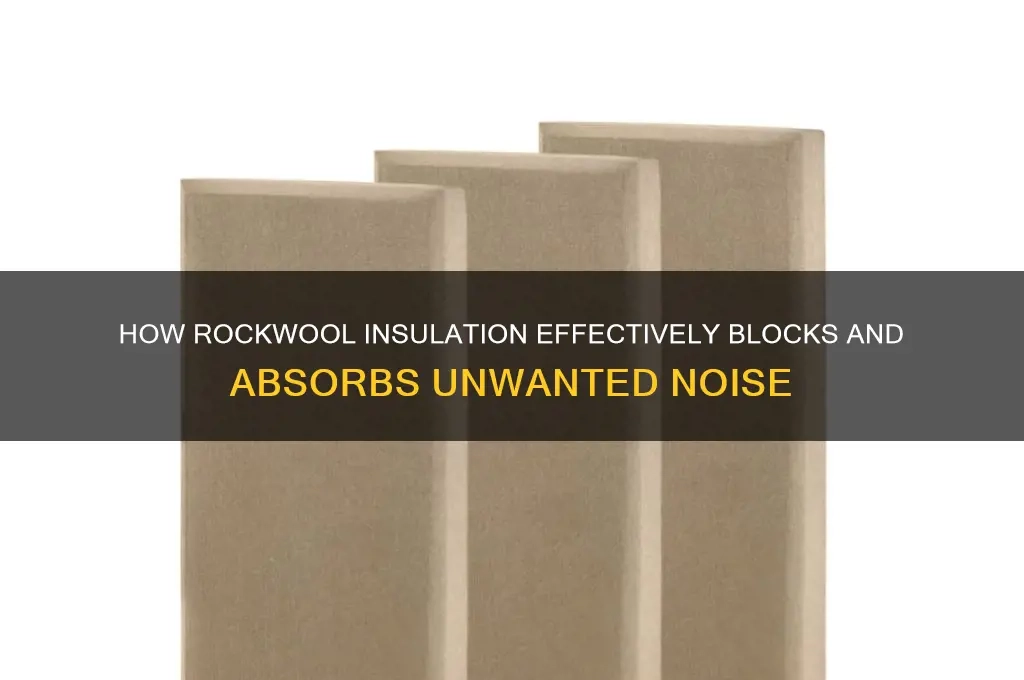
[sps_html tag=”img” src=”https://cdn.northcarolinafinearchitecture.com/2026/06/how-rockwool-insulation-effectively-blocks-and-absorbs-unwanted-noise-pertaining-to-sound-insulation-design.webp” alt=”How Rockwool Insulation Effectively Blocks And Absorbs Unwanted Noise … pertaining to Sound Insulation Design” style=”width: 100%; height: auto;”]
[sps_html tag=”img” src=”https://cdn.northcarolinafinearchitecture.com/2026/06/what-are-the-best-sound-absorbing-materials-with-regard-to-beyond-mineral-wool-and-fiberglass-what-advanced-materials-actually-block-sound-waves-effectively.png” alt=”What Are The Best Sound Absorbing Materials? with regard to Beyond Mineral Wool and Fiberglass What Advanced Materials Actually Block Sound Waves Effectively” style=”width: 100%; height: auto;”]