Your home’s exterior is more than just a shell. It’s the first thing neighbors see. It’s the backdrop for family photos. And let’s be honest, it takes a beating. Rain, snow, scorching sun, and wind don’t care about your aesthetic vision. They just keep coming. So, when you’re standing there looking at a blank wall or planning a renovation, the pressure feels real. You want something that won’t peel after two winters. You want something that doesn’t look like plastic. But you also don’t want to spend every weekend scrubbing mold off the siding.
It’s a tricky balance. In 2026, the options are better than ever, but that also means the choices are overwhelming. Do you go with the classic charm of brick? The sleek modernity of porcelain slabs? Or maybe the low-maintenance promise of fiber cement? Each material has its own personality. Its own strengths. And its own quirks. Making the wrong choice can cost you thousands in repairs down the line. But getting it right? That’s an investment that pays off in curb appeal and peace of mind every single day.
Let’s cut through the noise. We’re going to look at what actually works. Not just what looks good in a brochure, but what stands up to real life. Because at the end of the day, your outdoor walls should protect your home and make you proud to pull into the driveway.
Understanding Your Local Climate Challenges
Before you even look at a sample swatch, you need to look at the sky. Seriously. The biggest mistake people make is picking a material because it’s trendy, without considering where they live. What works in dry Arizona will fail miserably in humid Florida. Your local climate is the boss here. It dictates everything.
If you’re in a region with heavy rainfall or high humidity, moisture is your enemy. You need materials that breathe or repel water effectively. Stucco, for instance, can be great, but if it’s not sealed properly or if it cracks, water gets trapped behind it. That leads to mold and structural damage. In these areas, fiber cement or vinyl siding often performs better because they resist rot and don’t absorb water like wood does. You want something that sheds water quickly.
On the flip side, if you’re dealing with extreme heat and UV exposure, you’ve got a different battle. Sun can fade colors and warp materials over time. Metal siding, like aluminum or steel, reflects heat well, which can help with energy efficiency. But it needs a good coating to prevent fading. Natural stone is incredibly resilient here, absorbing heat during the day and releasing it slowly, but it can get expensive. Think about the temperature swings too. Freeze-thaw cycles in colder climates can crack porous stones or bricks if they aren’t rated for frost resistance. Always check the manufacturer’s specs for your specific zone.
The Timeless Appeal of Natural Stone and Brick
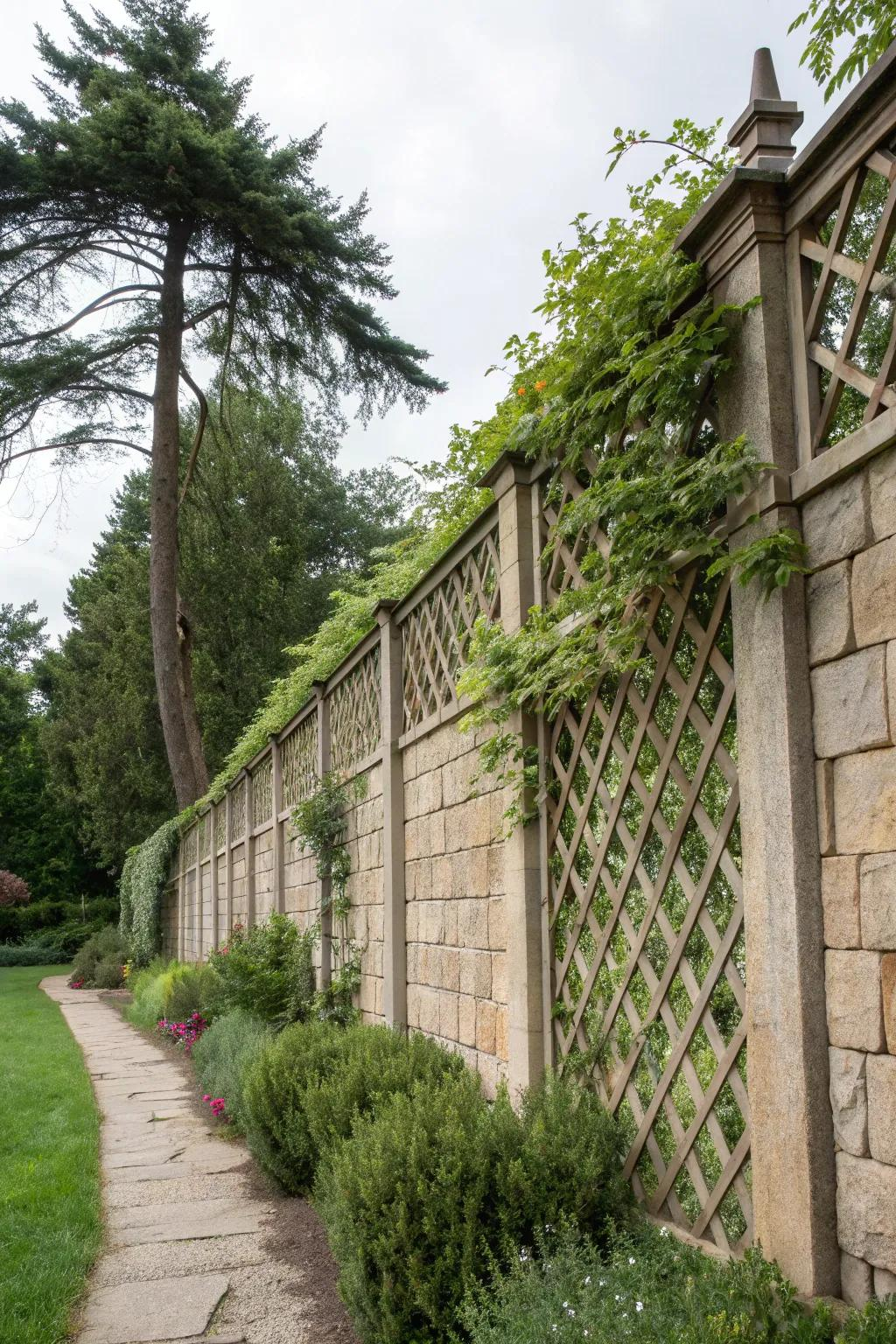
There’s something about stone and brick that just feels permanent. Maybe it’s because humans have been building with them for thousands of years. They carry a weight, both literally and figuratively. In 2026, natural stone remains a top choice for those who want luxury and unmatched durability. Granite, limestone, and slate are among the toughest options out there. They don’t rot. They don’t burn. And they certainly don’t fade.
But stone isn’t perfect. It’s heavy, which means your foundation needs to be up to the task. Installation is labor-intensive, driving up the cost. Plus, some stones are porous and need sealing to prevent staining from rain or dirt. If you live in an area with acid rain, certain types of limestone can erode over decades. It’s a long game. Brick offers similar benefits but with a more uniform look. It’s excellent for fire resistance and requires almost zero maintenance once it’s installed. Just watch out for mortar joints, which can degrade faster than the bricks themselves.
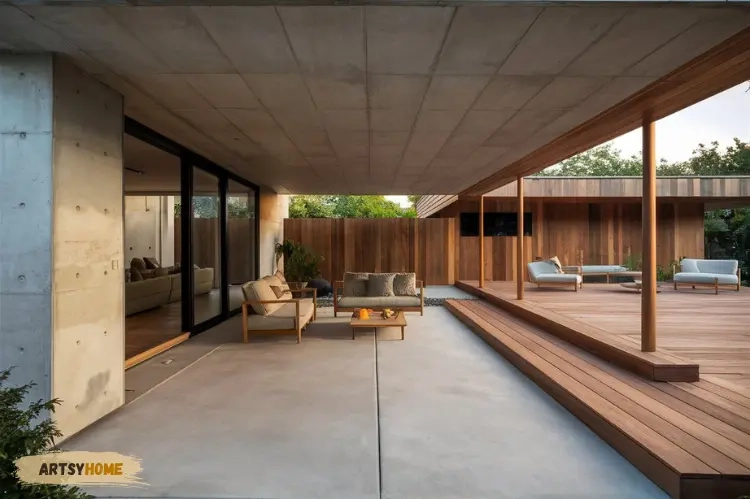
The aesthetic payoff is huge. Stone and brick add texture and depth that synthetic materials struggle to mimic. They age gracefully, developing a patina that many homeowners find charming. If budget is a concern, consider stone veneers. Modern manufacturing has made thin stone veneers look incredibly realistic. They offer the same visual impact as full stone but at a fraction of the weight and cost. It’s a smart compromise for many projects.
Modern Marvels: Fiber Cement and Porcelain Slabs
If you love the look of wood or stone but hate the maintenance, modern engineered materials are your best friends. Fiber cement has been around for a while, but it’s evolved significantly. Today’s fiber cement boards are tough. They resist termites, rot, and fire. They can be manufactured to look like wood grain, stucco, or even stone. The key advantage here is consistency. You don’t have to worry about knots or warping like you do with real wood.
However, fiber cement isn’t entirely maintenance-free. It usually needs painting or sealing every few years to keep it looking fresh and to prevent moisture absorption at the edges. Cutting it creates silica dust, so installation requires proper safety gear. But once it’s up, it’s solid. It handles wind and impact well, making it a great choice for storm-prone areas. It’s a middle-ground option that balances cost, durability, and aesthetics pretty well.
Then there’s the rising star: porcelain slabs. Originally used for floors and countertops, large-format porcelain panels are now being used for exterior cladding. They are incredibly dense, non-porous, and resistant to scratches, frost, and UV rays. You can get them in designs that mimic marble, concrete, or wood with startling accuracy. Because they’re so thin and light compared to stone, they’re easier to install on existing structures. They’re also easy to clean—usually, just a hose-down is enough. The downside? They can be brittle during transport and installation, requiring skilled hands. But for a sleek, modern look that lasts decades, they’re hard to beat.
The Low-Maintenance Contenders: Vinyl and Metal Siding
Let’s talk about practicality. Sometimes, you just want to put it up and forget it. That’s where vinyl and metal siding shine. Vinyl has come a long way from the cheap, brittle stuff of the past. Modern vinyl siding is thicker, more flexible, and comes in a wider range of colors and textures. It’s affordable, easy to install, and resists moisture and insects perfectly. It doesn’t need painting. Ever. For many homeowners, that’s the ultimate selling point.
But vinyl has limits. It can warp in extreme heat if it’s dark-colored. It can crack in extreme cold if hit by something hard. And some people still dislike the "plastic" look, although textured options help. It’s not as premium feeling as stone or wood. Still, for a budget-friendly, durable solution, it’s a strong contender. It’s particularly popular in suburban neighborhoods where uniformity and low upkeep are valued.
Metal siding, typically aluminum or steel, offers a different vibe. It’s industrial, sleek, and incredibly durable. Steel is stronger and more dent-resistant than aluminum, but it can rust if the coating is compromised. Aluminum is lighter and naturally rust-resistant, but it dents more easily. Both are fireproof and recyclable, which appeals to eco-conscious builders. Metal reflects solar heat, which can lower cooling costs in hot climates. It’s often used in modern architectural designs for a clean, minimalist look. Just be aware that it can be noisy during rainstorms if not properly insulated.
Wood and Composite Options for Warmth and Character
Wood is the original exterior material. It brings warmth and natural beauty that nothing else can quite replicate. Cedar and redwood are naturally resistant to rot and insects, making them popular choices for siding and accents. When maintained, wood ages into a beautiful silver-gray. It breathes, allowing moisture to escape, which is good for the health of the wall assembly. But let’s be real: wood is high maintenance. It needs staining or painting every few years. It can warp, split, or attract pests if neglected.
If you love the look of wood but dread the upkeep, composite wood products are worth a look. These are made from a mix of wood fibers and plastics. They resist rot, insects, and moisture much better than natural wood. They don’t splinter or crack easily. Many come with pre-finished colors that last longer than traditional paint. However, they can be more expensive than vinyl or basic wood. And while they’re low maintenance, they aren’t no maintenance. They can still get dirty or develop mold in shady, damp areas, requiring occasional cleaning.
Another option is thermally modified wood. This process heats the wood to high temperatures, changing its chemical structure to make it more stable and resistant to decay. It’s a more eco-friendly alternative to chemically treated woods. It holds its shape well and has a unique, rich color. It’s gaining traction in 2026 among designers who want sustainable, high-performance materials. Just know that it still requires some level of care to keep it looking its best. It’s a labor of love, really.
Choosing the material is only half the battle. How it’s installed matters just as much. A great material installed poorly will fail. Water management is key. You need proper flashing, vapor barriers, and drainage planes behind your cladding. This ensures that any water that gets behind the siding has a way out. Without this, even the most waterproof material can trap moisture against your home’s frame, leading to rot and mold. Don’t skimp on the details here. Hire experienced professionals who understand local building codes.
Maintenance varies by material, but a little attention goes a long way. For stone and brick, inspect mortar joints annually. Repoint them if you see cracks. For wood and composites, wash them gently once a year to remove dirt and pollen. Check for signs of insect damage or loose boards. Vinyl and metal mostly need rinsing. But keep an eye out for cracks or loose panels after severe storms. Catching small issues early prevents big repairs later.
Also, consider the surroundings. Trees close to your house can drop leaves and branches, which can trap moisture or scratch surfaces. Trim back foliage regularly. Ensure your gutters are clean so water doesn’t overflow onto your walls. In coastal areas, salt spray can corrode metal and degrade some finishes faster, so rinse your walls occasionally with fresh water. Think of your exterior walls as a system. Every part plays a role. Treat them well, and they’ll protect your home for decades.
At the end of the day, there’s no single "best" material. It depends on your budget, your style, and your weather. Stone offers grandeur. Fiber cement offers versatility. Vinyl offers ease. Wood offers soul. Take your time. Look at houses in your neighborhood. See what’s holding up well. Talk to local contractors. They know what works in your area. Your outdoor walls are a big investment. Make sure they’re built to last, so you can spend less time worrying about them and more time enjoying your home.
[sps_html tag=”img” src=”https://cdn.northcarolinafinearchitecture.com/2026/06/16-inspiring-garden-wall-ideas-for-your-home-garden-eco-within-creative-ways-to-add-privacy-with-stylish-garden-walls.jpg” alt=”16+ Inspiring Garden Wall Ideas For Your Home - Garden.eco within Creative Ways to Add Privacy with Stylish Garden Walls” style=”width: 100%; height: auto;”]
[sps_html tag=”img” src=”https://cdn.northcarolinafinearchitecture.com/2026/06/25-creative-privacy-fence-ideas-for-your-outdoor-space-in-creative-ways-to-add-privacy-with-stylish-garden-walls.jpg” alt=”25 Creative Privacy Fence Ideas For Your Outdoor Space … in Creative Ways to Add Privacy with Stylish Garden Walls” style=”width: 100%; height: auto;”]
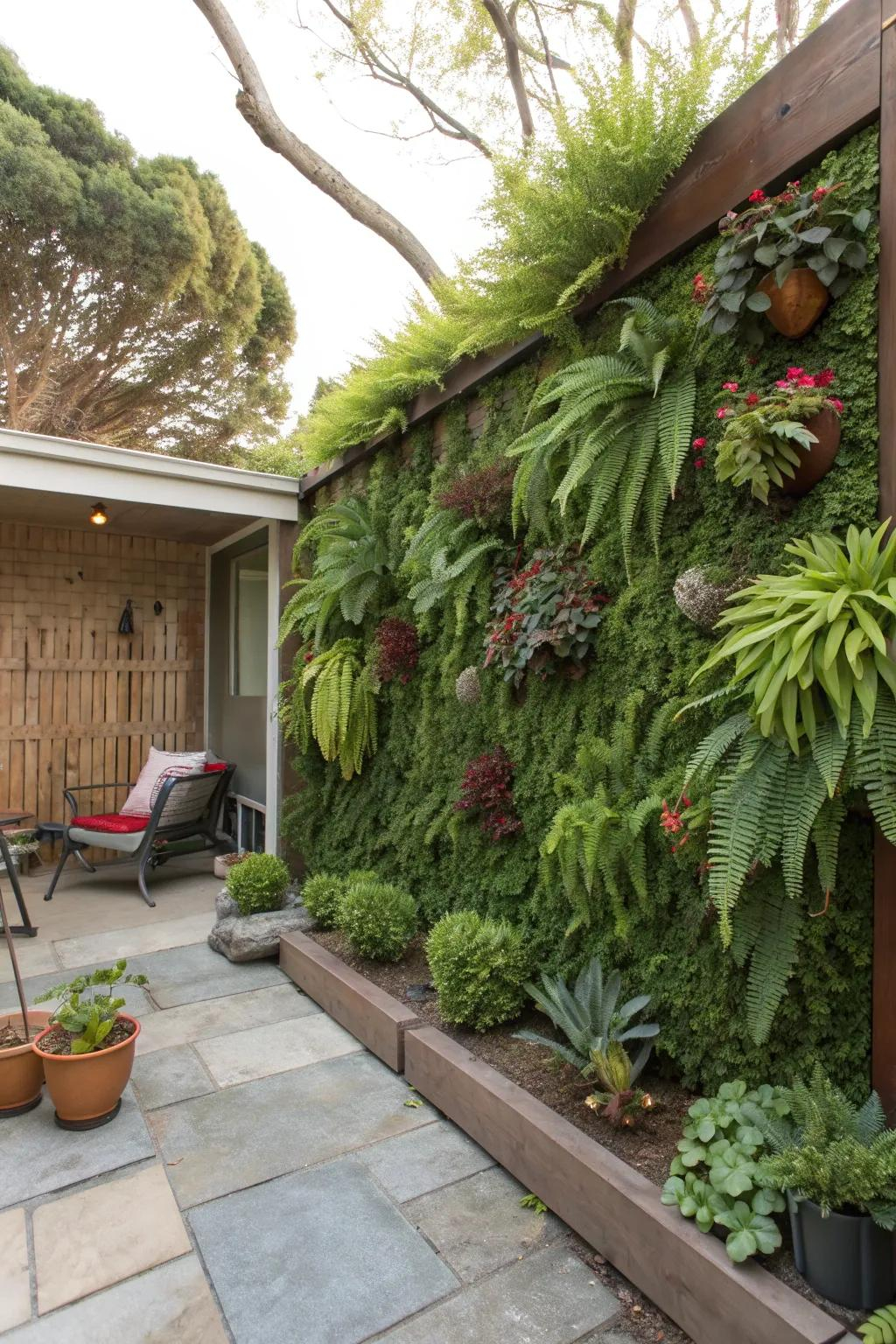
[sps_html tag=”img” src=”https://cdn.northcarolinafinearchitecture.com/2026/06/17-creative-privacy-plant-wall-ideas-garden-eco-in-outdoor-wall-design.jpg” alt=”17+ Creative Privacy Plant Wall Ideas - Garden.eco in Outdoor Wall Design” style=”width: 100%; height: auto;”]
[sps_html tag=”img” src=”https://cdn.northcarolinafinearchitecture.com/2026/06/16-inspiring-garden-walls-and-fences-ideas-within-creative-ways-to-add-privacy-with-stylish-garden-walls.jpg” alt=”16+ Inspiring Garden Walls And Fences Ideas within Creative Ways to Add Privacy with Stylish Garden Walls” style=”width: 100%; height: auto;”]
[sps_html tag=”img” src=”https://cdn.northcarolinafinearchitecture.com/2026/06/10-creative-ways-to-add-backyard-privacy-in-2025-the-tanee-within-outdoor-wall-design.jpg” alt=”10 Creative Ways To Add Backyard Privacy In 2025 - The Tanee within Outdoor Wall Design” style=”width: 100%; height: auto;”]