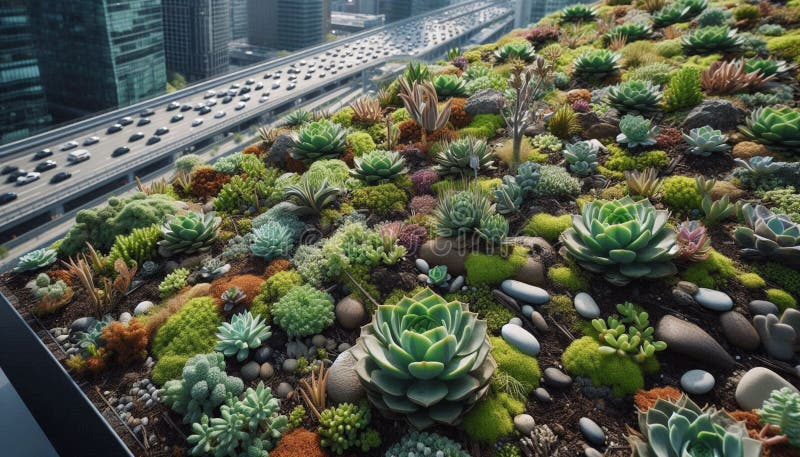
Ever looked up at a flat, gray roof and thought, "That’s a wasted opportunity"? You’re not alone. For decades, rooftops have been the forgotten spaces of our cities—functional, sure, but lifeless. They bake in the sun, shed rainwater too quickly, and offer nothing to the eye or the soul. But what if that empty expanse could work for you? What if it could lower your energy bills, help the planet, and look stunning while doing almost nothing?
Enter the succulent green roof. It’s not just a trend; by 2026, it’s become a smart standard for homeowners and building managers who want sustainability without the hassle. Unlike traditional gardens that demand constant watering, weeding, and fussing, a roof planted with hardy succulents like sedum is practically self-sufficient. It’s a living skin for your building that breathes, insulates, and protects. And the best part? You don’t need to be a master gardener to make it thrive. In fact, neglect is often its best friend.
The Wallet-Friendly Surprise: Energy Savings That Add Up
Let’s talk about the thing everyone cares about: money. Installing a green roof isn’t cheap upfront, no doubt about it. But the long-term savings are where the story gets interesting. Traditional roofs absorb heat, turning your top floor into an oven during summer months. Your air conditioner has to work overtime to fight that heat gain. A succulent roof acts as a natural insulator. The soil layer and the plants themselves create a barrier that keeps heat out in the summer and traps warmth in during the winter.
Studies in recent years have shown that buildings with green roofs can see a reduction in energy consumption for cooling by up to 75% in hot climates. That’s not a small number. It means smaller utility bills month after month. In 2026, with energy prices still fluctuating, this kind of passive efficiency is a huge win. Plus, the roof membrane underneath lasts longer because it’s protected from harsh UV rays and extreme temperature swings. Instead of replacing your roof every 15 years, you might stretch that to 40 or 50. That’s a massive defered cost.
Think of it as a thermal blanket for your home. In the winter, it adds an extra layer of R-value, keeping the heat inside where it belongs. In the summer, the process of evapotranspiration—where plants release water vapor—cools the air around them. It’s nature’s air conditioning, and it doesn’t require a single kilowatt of electricity. For city dwellers dealing with the urban heat island effect, this cooling effect ripples outward, making the whole neighborhood a bit more comfortable.
Water Wisdom: Managing Stormwater Naturally
Rainwater management is a headache for cities everywhere. When it storms, concrete and asphalt send water rushing into sewers, overwhelming systems and causing floods. Traditional roofs contribute to this problem by shedding water instantly. A succulent green roof, on the other hand, acts like a sponge. The substrate (that’s the special soil mix) absorbs a significant amount of rainfall, holding it there until the plants use it or it slowly evaporates.
Depending on the depth of the soil and the type of succulents, these roofs can retain between 50% to 90% of annual rainfall. That’s water that never hits the street. Never clogs a drain. Never contributes to erosion. For homeowners, this means less stress during heavy downpours. For municipalities, it means less money spent on upgrading infrastructure. It’s a simple, elegant solution to a complex problem.
And here’s the kicker: succulents are drought-tolerant. They store water in their leaves, so they don’t need much to survive. Once established, they rarely need supplemental watering. This makes them perfect for areas facing water restrictions or frequent dry spells. You get the benefit of water retention without the guilt of using precious drinking water to keep a lawn alive on your roof. It’s a cycle that makes sense. The roof catches the rain, the plants sip what they need, and the rest slowly releases back into the atmosphere. Simple. Efficient. Effective.
Biodiversity Boost: Creating Havens in the Sky
Cities can be lonely places for wildlife. Birds, bees, and butterflies struggle to find food and shelter among the glass and steel. A succulent green roof changes that. It creates a micro-habitat in the sky. Sedums, the most common succulents used on these roofs, produce tiny, star-shaped flowers that are absolute magnets for pollinators. In the spring and summer, you’ll see bees buzzing around, enjoying the nectar. Birds might stop by for insects or seeds.
It’s not just about aesthetics; it’s about ecology. By connecting these green patches across a city, we create corridors for wildlife to move through. This is crucial for maintaining healthy urban ecosystems. In 2026, biodiversity loss is a top concern, and every little patch of green helps. Even a small garage roof can become a pit stop for a migrating butterfly. It’s a small act with a big impact.
Moreover, these roofs support a variety of life beyond just plants and bugs. The insulation and structure provide nesting opportunities for certain bird species. The cooler temperatures help reduce heat stress on local fauna. It’s a way to invite nature back into our built environment. You don’t need a huge space to make a difference. A few square meters of sedum can support a surprising amount of life. It’s a reminder that we share our cities with other creatures, and we can design spaces that welcome them.
The Mental Health Connection: Biophilia in Action
We spend most of our lives indoors. Offices, homes, cars. We’re disconnected from nature, and it shows. Stress levels are high, attention spans are short, and mental fatigue is common. This is where biophilia comes in—the idea that humans have an innate need to connect with nature. Green roofs satisfy this need. Just looking at a green space can lower cortisol levels, reduce blood pressure, and improve mood.
Imagine stepping out onto your balcony or looking out your window and seeing a lush, living carpet instead of black tar. It’s calming. It’s restorative. Studies have consistently shown that access to green views improves cognitive function and reduces mental fatigue. For workers in offices with green roof views, productivity goes up. For residents, it’s a daily dose of tranquility. It’s not just a roof; it’s a wellness tool.
In dense urban areas, private garden space is rare. A green roof becomes an extension of your living space. It’s a place to breathe. To pause. To reconnect. Even if you don’t walk on it, just knowing it’s there makes a difference. It softens the hard edges of the city. It brings color and life into a gray world. In 2026, as we prioritize mental well-being, these living roofs are becoming essential infrastructure for healthy communities. They remind us that nature isn’t somewhere far away; it’s right above our heads.
Durability and Protection: The Unsung Hero
We often forget that the roof is the first line of defense for any building. Rain, snow, hail, UV radiation—it all beats down on that surface. Traditional roofing materials degrade over time. They crack, blister, and fail. A green roof protects the waterproof membrane underneath. The soil and plants shield it from direct sunlight, which is the primary cause of material breakdown. They also buffer against physical damage from hail or foot traffic.
This protection extends the life of the roof significantly. While a standard roof might last 15-20 years, a green roof system can protect the membrane for 40 years or more. That’s double or triple the lifespan. Think about the resources saved by not manufacturing and transporting new roofing materials every two decades. It’s a sustainability win on multiple levels. Less waste. Less consumption. Less environmental impact.
Additionally, green roofs add mass to the building, which can help with sound insulation. If you live near an airport or a busy street, a green roof can dampen noise pollution. It creates a quieter, more peaceful interior environment. It’s a multifunctional layer that does more than just look pretty. It works hard to protect your investment. And because succulents are so tough, they don’t die easily. They withstand wind, cold, and heat better than almost any other rooftop plant. They’re the ultimate survivors.
Let’s be real: nobody wants another chore. Traditional gardens require weekly attention. Mowing, watering, pruning, fertilizing. It’s a lot. A succulent green roof is different. Once it’s established, it needs very little care. Maybe once or twice a year, you check for weeds or clear out debris from drains. That’s it. No mowing. No frequent watering. No fuss.
Succulents are adapted to harsh conditions. They thrive on neglect. If it rains, they drink. If it’s dry, they wait. They don’t need fertilizer because the substrate is designed to provide just enough nutrients. They don’t need pesticides because they’re generally pest-resistant. This low-maintenance aspect is why they’re perfect for commercial buildings, high-rises, and busy homeowners. You get the benefits of a garden without the workload.
Of course, "low maintenance" doesn’t mean "no maintenance." You should inspect the drains to ensure they’re not clogged. You might pull out an occasional invasive weed if one takes hold. But compared to a traditional lawn or flower bed, it’s minimal. It’s a "set it and forget it" system that rewards you with beauty and function. In 2026, time is our most precious resource. A roof that saves time while saving money and helping the planet? That’s a no-brainer. It’s freedom from the tyranny of the lawn mower.
So, is a succulent green roof right for you? If you value sustainability, savings, and sanity, the answer is likely yes. It’s a small change with a big ripple effect. It cools your building, cleans the air, supports wildlife, and calms your mind. And it does it all while asking for very little in return. As we move further into 2026, the question isn’t why you should install one, but why you haven’t already. The roof is waiting. Let it live.
[sps_html tag=”img” src=”https://cdn.northcarolinafinearchitecture.com/2026/06/green-roofs-and-living-walls-transforming-urban-spaces-sustainably-within-outdoor-succulent-roof-design.jpg” alt=”Green Roofs And Living Walls: Transforming Urban Spaces Sustainably within Outdoor Succulent Roof Design” style=”width: 100%; height: auto;”]
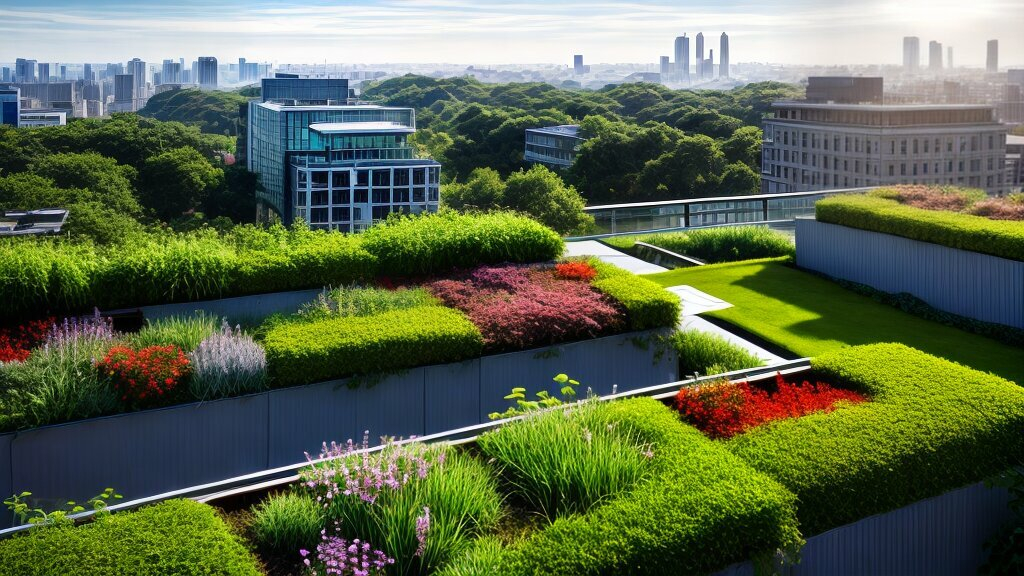
[sps_html tag=”img” src=”https://cdn.northcarolinafinearchitecture.com/2026/06/amazing-rooftop-garden-urban-eco-city-rooftop-garden-pertaining-to-transforming-urban-spaces-with-colorful-and-resilient-rooftop-succulent-gardens.jpg” alt=”Amazing | Rooftop Garden Urban, Eco City, Rooftop Garden pertaining to Transforming Urban Spaces with Colorful and Resilient Rooftop Succulent Gardens” style=”width: 100%; height: auto;”]
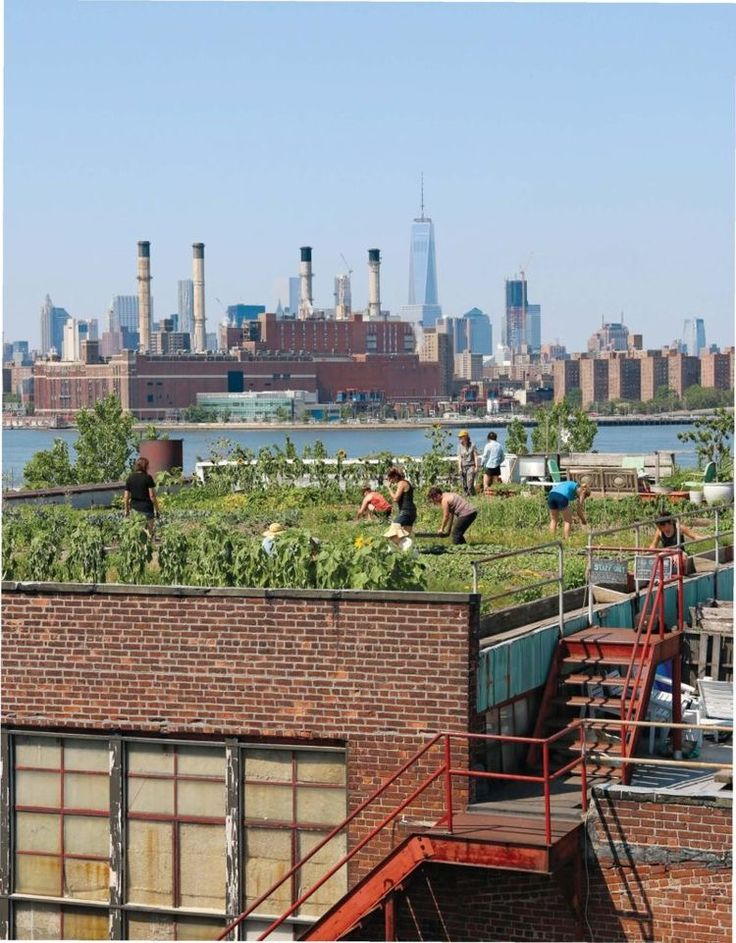
[sps_html tag=”img” src=”https://cdn.northcarolinafinearchitecture.com/2026/06/community-rooftop-gardens-transforming-urban-spaces-for-neighborhood-inside-transforming-urban-spaces-with-colorful-and-resilient-rooftop-succulent-gardens.webp” alt=”Community Rooftop Gardens: Transforming Urban Spaces For Neighborhood … inside Transforming Urban Spaces with Colorful and Resilient Rooftop Succulent Gardens” style=”width: 100%; height: auto;”]
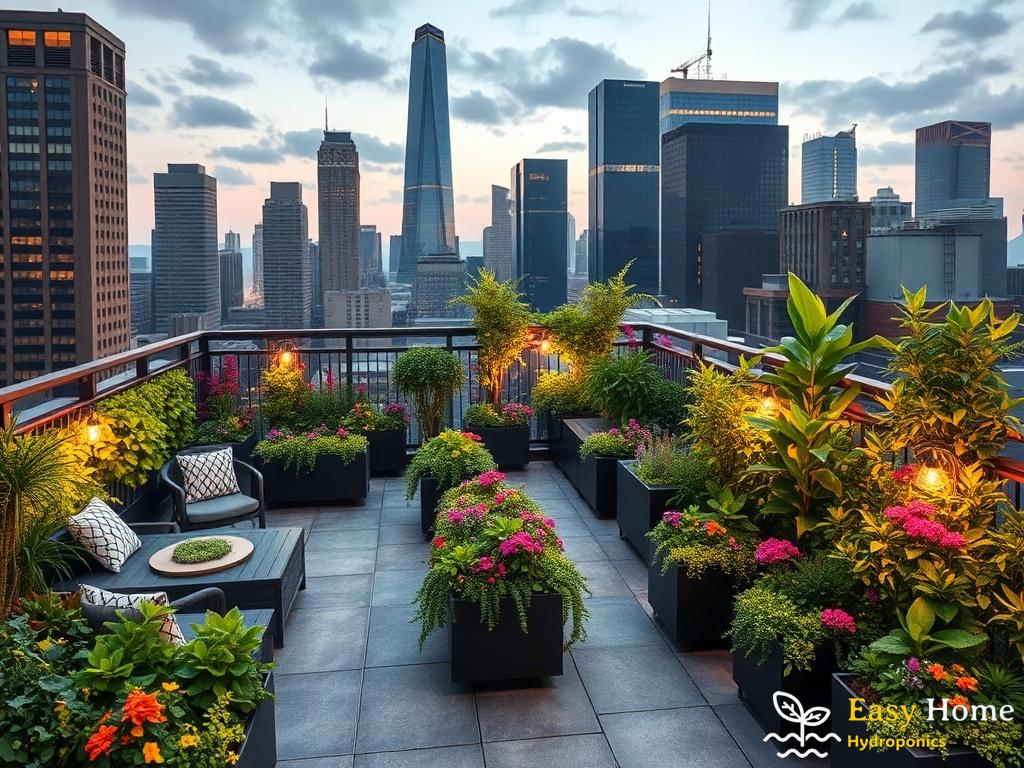
[sps_html tag=”img” src=”https://cdn.northcarolinafinearchitecture.com/2026/06/the-rise-of-hydroponic-gardening-in-urban-rooftop-spaces-easy-home-with-regard-to-transforming-urban-spaces-with-colorful-and-resilient-rooftop-succulent-gardens.jpg” alt=”The Rise Of Hydroponic Gardening In Urban Rooftop Spaces - Easy Home … with regard to Transforming Urban Spaces with Colorful and Resilient Rooftop Succulent Gardens” style=”width: 100%; height: auto;”]
[sps_html tag=”img” src=”https://cdn.northcarolinafinearchitecture.com/2026/06/resilient-green-roofing-solutions-stock-illustrations-8-resilient-with-transforming-urban-spaces-with-colorful-and-resilient-rooftop-succulent-gardens.jpg” alt=”Resilient Green Roofing Solutions Stock Illustrations – 8 Resilient … with Transforming Urban Spaces with Colorful and Resilient Rooftop Succulent Gardens” style=”width: 100%; height: auto;”]