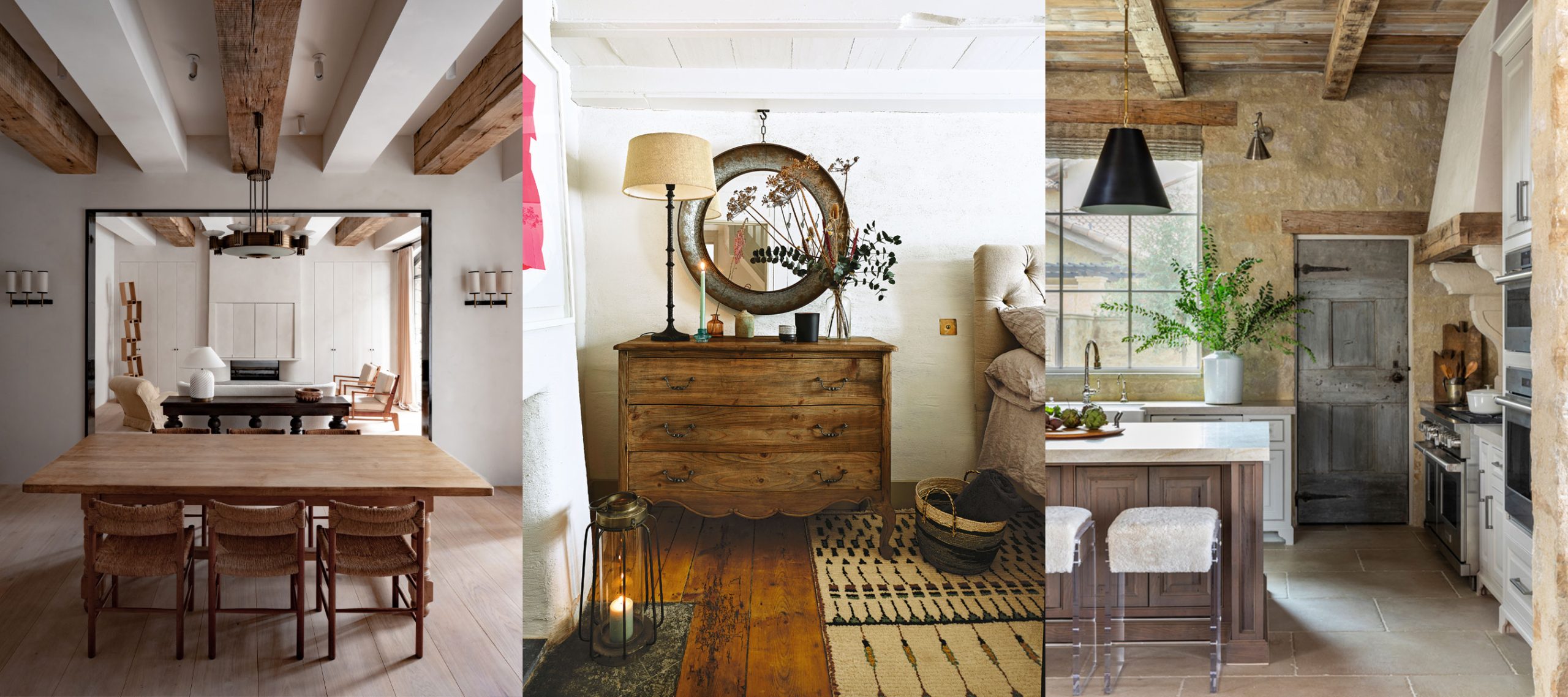
Walk into any high-end renovation or a cozy countryside retreat this year, and you’ll likely spot it. That massive, weathered timber stretching across the ceiling. It’s not just wood. It’s a statement. For years, we’ve seen trends come and go—shiplap, gray floors, industrial chic—but something feels different about the surge in reclaimed beams we’re seeing in 2026. It’s not just a aesthetic choice anymore. It’s a values choice.
Designers aren’t just picking these beams because they look cool. Though, let’s be honest, they do look incredible. There’s a warmth to old wood that fresh-cut pine or even expensive hardwoods struggle to mimic. But dig a little deeper, and you find a shift in how we think about our homes. We’re tired of the disposable. We’re craving connection. And nothing connects us to the past, to the earth, and to craftsmanship quite like a beam that has already lived one life before becoming the backbone of your living room.
So, why is this happening now? Why are builders and interior designers pushing back against the ease of buying new, uniform lumber from the big box store? The answer is a mix of environmental urgency, a desire for uniqueness, and a newfound appreciation for the stories hidden in grain patterns. Let’s pull back the curtain on why reclaimed timber is having its biggest moment yet.
The Irreplaceable Character of Old-Growth Wood
You can’t fake age. Not really. Sure, there are techniques to distress new wood—wire brushing, hand-scraping, staining—but it often feels forced. Like wearing jeans that came pre-ripped from the factory. Reclaimed beams, on the other hand, have earned their scars. Every knot, every crack, every variation in color tells a story of decades spent holding up a barn roof or supporting a factory floor. This is what designers call "patina," and it’s impossible to replicate in a mill.
In 2026, the demand for authenticity is at an all-time high. People are spending more time in their homes, and they want spaces that feel grounded. New lumber, especially from fast-growing plantation trees, tends to be lighter, softer, and visually uniform. It lacks the density and the rich, deep hues of old-growth timber. When you install a reclaimed oak or chestnut beam, you’re bringing in wood that grew slowly, developing tight grains and a hardness that resists dents and wear far better than modern equivalents. It’s not just about looks; it’s about tactile quality. You can feel the difference when you run your hand along the surface.
Consider the visual impact. A new beam might need to be stained dark to match a rustic vibe, but the stain sits on top. With reclaimed wood, the color is intrinsic. It’s been oxidizing for eighty or hundred years. The silvers, the grays, the deep ambers—they’re part of the fiber. Designers love this because it adds instant depth to a room. A white-walled modern kitchen can feel sterile until you add a single, massive reclaimed beam. Suddenly, the space has weight. It has history. It feels lived-in, even if you just moved in yesterday.
Sustainability That Goes Beyond the Buzzword
Let’s talk about the elephant in the room: the environment. We’ve heard the word "sustainable" so much it almost loses meaning. But with reclaimed wood, the math is simple and powerful. Every beam you reuse is one less tree cut down. It’s also one less piece of debris ending up in a landfill. In an era where construction waste is a massive contributor to global pollution, choosing reclaimed materials is a direct action against that tide. It’s not just greenwashing; it’s resourcefulness.
When you compare reclaimed timber to new lumber, the carbon footprint difference is staggering. New lumber requires logging, transportation, milling, drying, and often chemical treatments. All of that burns energy. Reclaimed wood has already paid that carbon debt. Its primary energy cost was incurred decades ago. By salvaging it, we’re extending the lifecycle of a resource that was already harvested. This aligns perfectly with the growing number of LEED-certified projects and eco-conscious homeowners who want their build to reflect their values. It’s sustainable building, elevated.
Moreover, we’re facing a shortage of large-diameter, old-growth trees. They simply don’t exist in the quantities they used to. If you want a beam that’s 12×12 inches and twenty feet long, you’re not going to find that in a standard lumberyard today without paying a fortune for exotic imports or engineered products. But in the world of deconstruction—taking apart old barns, mills, and warehouses—these sizes are common. By choosing reclaimed, you’re accessing a material grade that is virtually extinct in the new market. You’re saving a piece of history from being chipped up for mulch or burned. That’s a win for the planet and for design integrity.
Structural Integrity and Performance Benefits
There’s a myth that old wood is rotten or weak. In reality, the opposite is often true. Reclaimed beams, particularly those from historic structures, were sourced from old-growth forests. These trees grew slowly in dense conditions, resulting in wood that is significantly denser and more stable than today’s fast-grown timber. This density means the wood is less prone to warping, twisting, or shrinking over time. Once it’s installed in your home, it’s likely to stay exactly where you put it.
New lumber, especially if it hasn’t been kiln-dried properly, can move as it acclimates to your home’s humidity levels. You might hear creaks or see gaps appear months after installation. Reclaimed wood has already gone through decades of expansion and contraction. It’s seasoned by time. It’s stable. For designers and builders, this predictability is a huge plus. It means fewer callbacks and happier clients. Plus, many reclaimed species like heart pine or old-growth oak have natural resistance to insects and decay, thanks to the resins and oils that have hardened over time.
However, it’s not all perfect. Working with reclaimed beams requires expertise. You can’t just buy them and slap them up. They need to be inspected for structural integrity, cleaned, and sometimes milled to ensure they fit modern building codes. This is where choosing the right supplier matters. You need partners who understand the nuances of salvage. They need to check for metal fragments (old nails are a nightmare for saw blades), assess load-bearing capacity, and ensure the wood is free from harmful contaminants like lead paint or asbestos, which can be present in older industrial buildings. When done right, though, the performance is superior. It’s wood that has proven it can stand the test of time.
The Emotional Connection and Storytelling Aspect
Humans are storytelling creatures. We attach meaning to objects. A table made from a factory floor isn’t just a table; it’s a piece of industrial heritage. A beam from a 19th-century barn isn’t just support; it’s a link to the agricultural past of your region. This emotional resonance is a huge driver behind the 2026 trend. People want their homes to feel personal, not like catalog pages. Reclaimed wood provides a narrative that new materials simply can’t offer.
Imagine hosting a dinner party. Your guests look up and ask about that beautiful beam. You get to say, "This came from a tobacco barn in Kentucky that was built in 1890." Suddenly, the room has a conversation starter. It has soul. Designers are leveraging this to create spaces that feel curated and thoughtful. It’s about creating an atmosphere of warmth and continuity. In a digital world that feels increasingly transient and virtual, physical connections to the past provide a sense of anchor. It’s comforting.
This storytelling aspect also extends to local sourcing. Many designers are prioritizing reclaimed wood from their own regions. Using timber from a local demolished schoolhouse or a nearby factory supports the local economy and preserves regional architectural identity. It creates a sense of place. Your home doesn’t just look like any home; it looks like your home, rooted in your community’s history. This localization trend is growing strong in 2026, as people seek to reduce transportation emissions and celebrate local heritage. It’s design with a conscience and a context.
Navigating Costs and Supply Chain Realities
Let’s address the wallet issue. Is reclaimed wood more expensive? Often, yes. But the gap is narrowing, and the value proposition is changing. New lumber prices have been volatile in recent years, spiking due to supply chain disruptions and housing demands. Meanwhile, the reclaimed market has matured. There are more suppliers, better processing facilities, and a wider availability of material. While a premium, hand-selected reclaimed beam might still cost more than a standard 2×4, the comparison isn’t always apples-to-apples. You’re comparing a commodity to a craft item.
For budget-conscious projects, designers are getting creative. You don’t need to reclaim your entire house. Using reclaimed beams as accent pieces—maybe just two or three in a main living area—can give you the look and feel without breaking the bank. Mix them with new lumber for framing or hidden structural elements. This hybrid approach allows you to allocate your budget where it has the most visual impact. It’s about strategic use. And remember, reclaimed wood often requires less finishing. You don’t need to stain or paint it. The beauty is already there. That saves on labor and material costs down the line.
Supply chain reliability is another factor. Unlike new lumber, which depends on current logging quotas and mill output, reclaimed wood is a finite but steady stream. As older buildings continue to be deconstructed rather than demolished, the supply of quality timber remains robust. However, inventory varies. You might not find the exact length or species you want on demand. This requires flexibility in design. Designers are learning to design around the available material, rather than forcing the material to fit a rigid plan. This constraint often leads to more innovative and unique solutions. It forces creativity. And honestly, that’s where the best design happens.
If you’re convinced, how do you start? First, know your source. Not all reclaimed wood is created equal. Look for suppliers who specialize in architectural salvage and have a reputation for quality. Ask questions. Where did the wood come from? How was it processed? Has it been kiln-dried to kill any pests or stabilize moisture content? A reputable dealer will have answers. Avoid vague sources or materials that lack documentation. You want to ensure the wood is safe and suitable for indoor use.
Next, consider the species and condition. Oak, chestnut, pine, and Douglas fir are common choices, each with different characteristics. Oak is hard and durable, great for high-traffic areas. Pine is softer and has a warmer, golden hue. Think about the look you want. Do you want heavy saw marks and a rough texture? Or something smoother and more refined? Inspect the beams personally if possible. Look for checks (cracks) and decide if they add character or compromise structure. Remember, some movement and imperfection are part of the charm. Embrace the wabi-sabi.
Finally, work with a builder who has experience with reclaimed materials. Installing these beams is different from installing new lumber. They’re heavier, often irregular, and may require special hardware or joinery techniques. A skilled craftsman will know how to hide steel supports if needed, how to level uneven surfaces, and how to finish the wood to protect it without hiding its beauty. Don’t skimp on installation. The best beam in the world will look bad if it’s hung crookedly or poorly integrated into the design. Take your time. Plan ahead. And enjoy the process of bringing a piece of history into your future.
The shift toward reclaimed beams in 2026 isn’t just a fleeting trend. It’s a reflection of a deeper change in how we value our surroundings. We’re moving away from the new and shiny toward the meaningful and enduring. We’re recognizing that sustainability isn’t just about solar panels and electric cars; it’s about the materials we choose to build our lives around. Reclaimed wood offers a rare combination of environmental responsibility, structural excellence, and aesthetic warmth. It’s wood with a soul.
As you plan your next project, consider looking back to move forward. Visit a salvage yard. Talk to a specialist. Run your hands over a beam that has stood for a century. Feel the weight of it. Imagine the stories it could tell in your home. It might cost a bit more, or take a bit longer to source, but the result is a space that feels truly yours. Authentic. Grounded. Real. In a world of copies, be an original. Choose reclaimed.
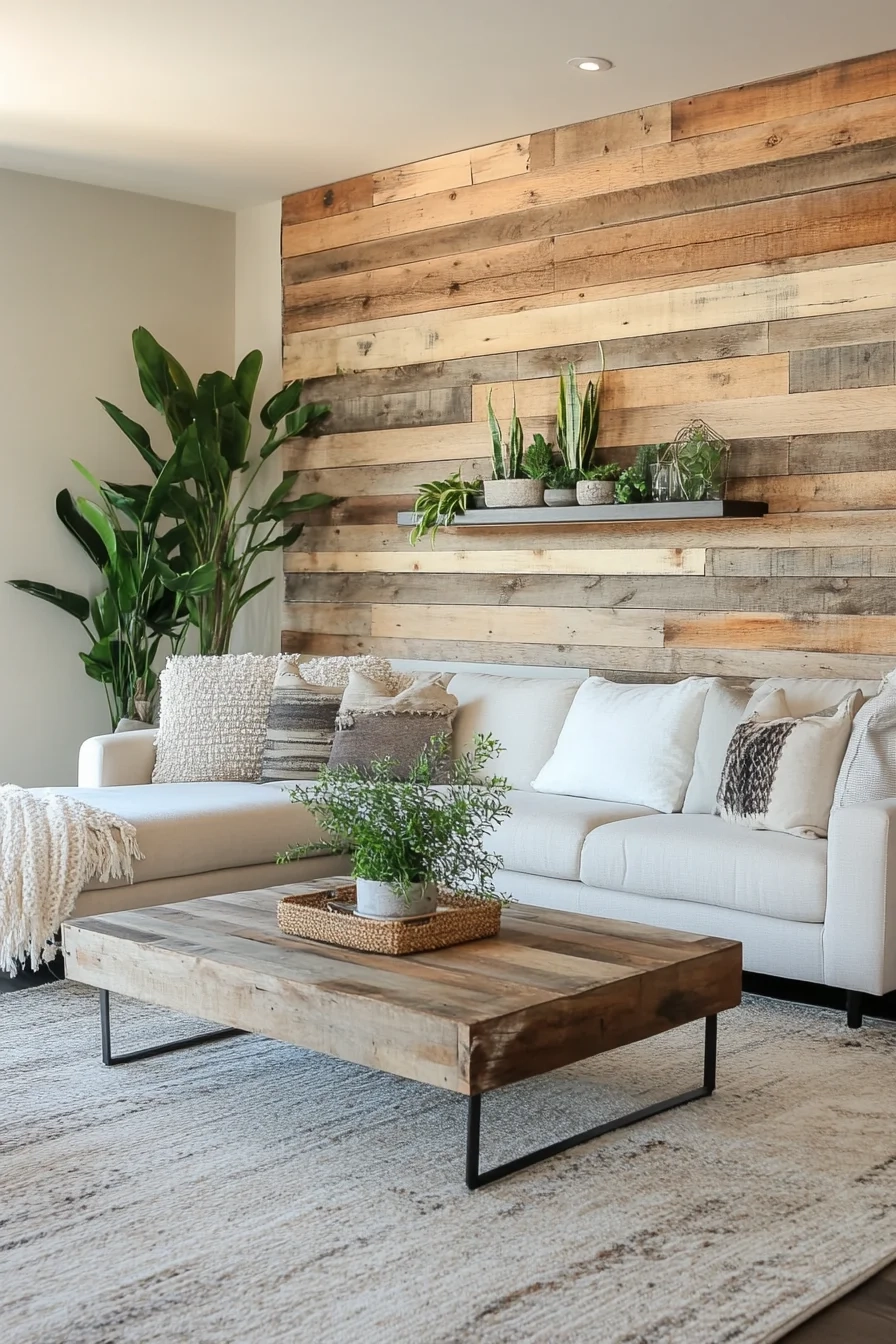
[sps_html tag=”img” src=”https://cdn.northcarolinafinearchitecture.com/2026/06/building-a-reclaimed-wood-accent-wall-transform-your-space-with-rustic-within-reclaimed-wood-design.webp” alt=”Building A Reclaimed Wood Accent Wall: Transform Your Space With Rustic … within Reclaimed Wood Design” style=”width: 100%; height: auto;”]
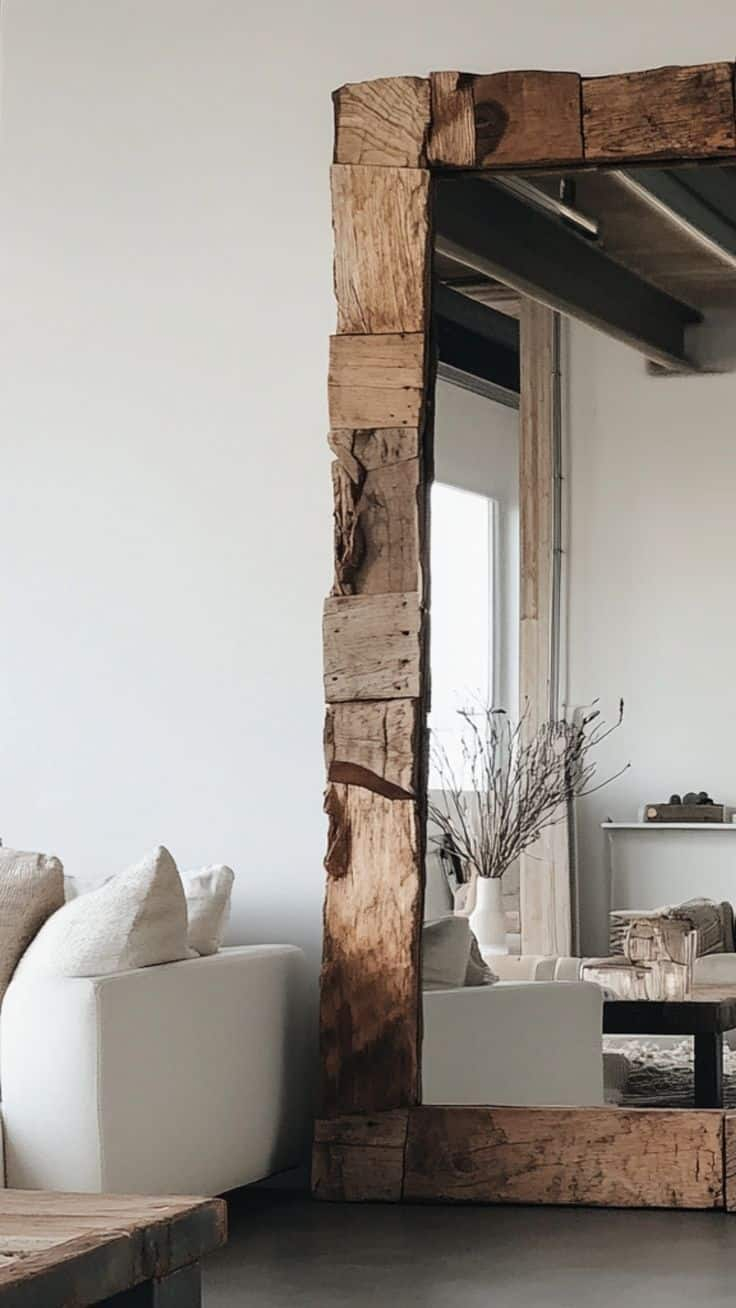
[sps_html tag=”img” src=”https://cdn.northcarolinafinearchitecture.com/2026/06/rustic-decor-ideas-throughout-reclaimed-wood-design-scaled.jpg” alt=”Rustic Decor Ideas throughout Reclaimed Wood Design” style=”width: 100%; height: auto;”]
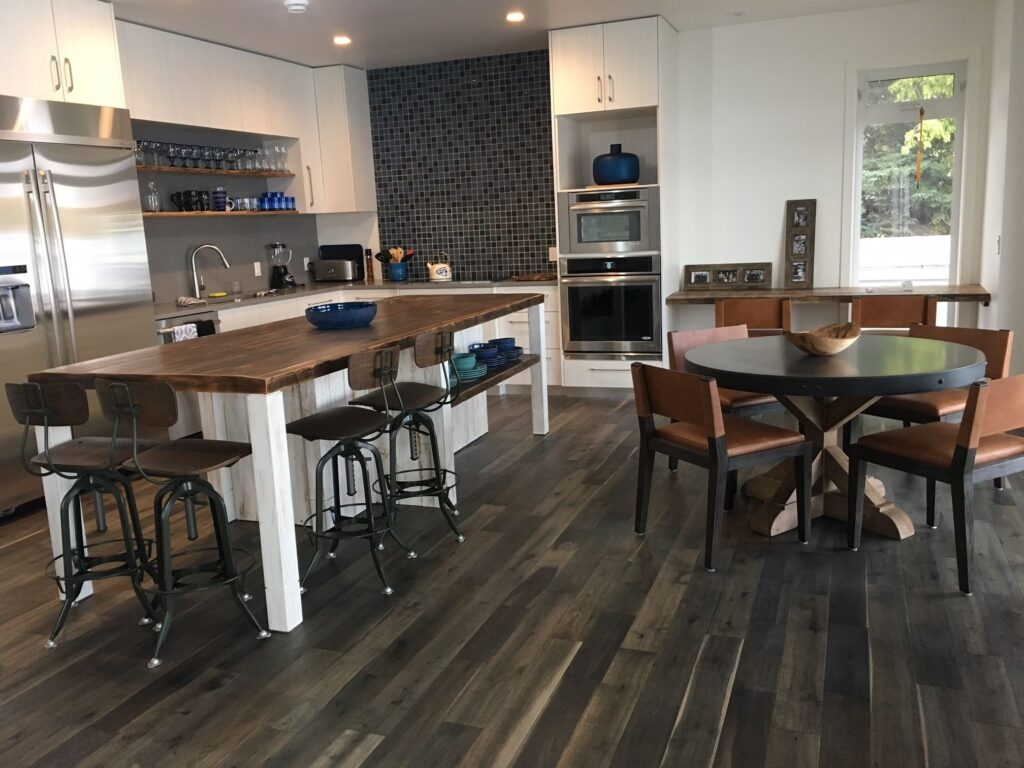
[sps_html tag=”img” src=”https://cdn.northcarolinafinearchitecture.com/2026/06/reclaimed-wood-kitchen-island-rustic-charm-meets-modern-functionality-inside-reclaimed-wood-design.jpeg” alt=”Reclaimed Wood Kitchen Island: Rustic Charm Meets Modern Functionality … inside Reclaimed Wood Design” style=”width: 100%; height: auto;”]
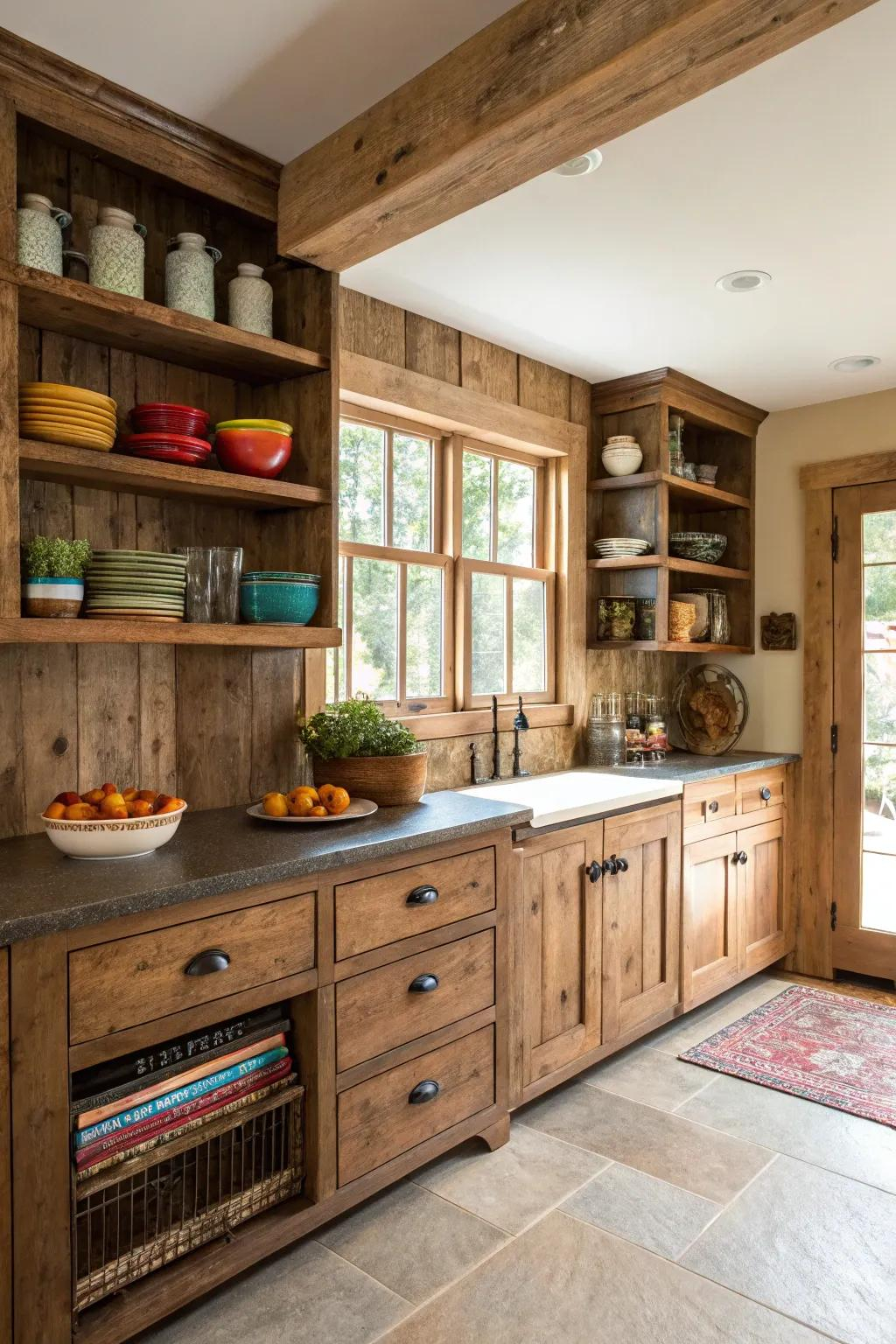
[sps_html tag=”img” src=”https://cdn.northcarolinafinearchitecture.com/2026/06/the-durability-and-charm-of-reclaimed-building-materials-inside-reclaimed-wood-design.jpeg” alt=”The Durability And Charm Of Reclaimed Building Materials inside Reclaimed Wood Design” style=”width: 100%; height: auto;”]
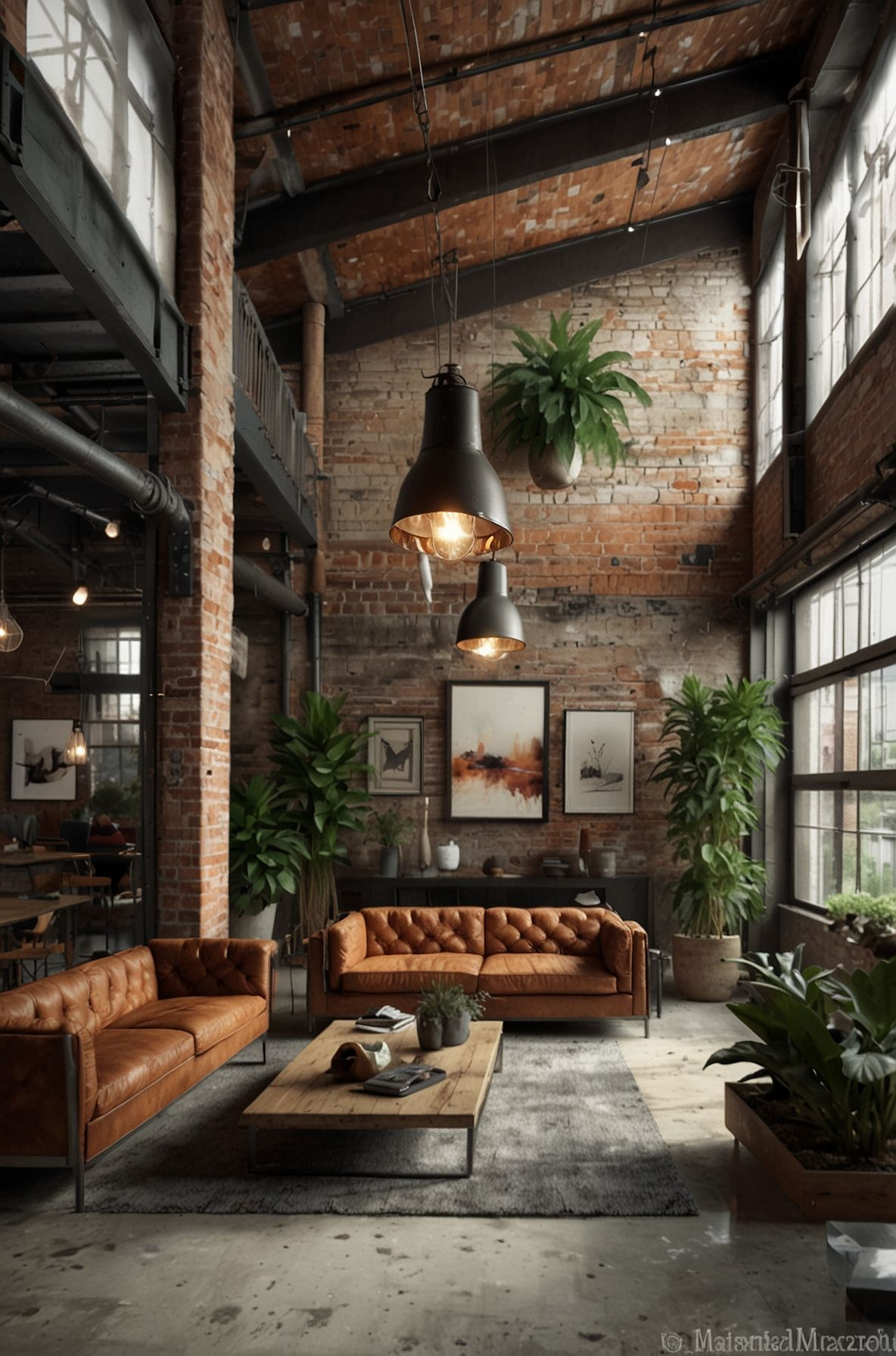
[sps_html tag=”img” src=”https://cdn.northcarolinafinearchitecture.com/2026/06/urban-industrial-loft-design-with-reclaimed-wood-and-exposed-brick-regarding-blending-rustic-charm-with-industrial-design-using-reclaimed-timber.jpg” alt=”"Urban Industrial Loft Design With Reclaimed Wood And Exposed Brick … regarding Blending Rustic Charm with Industrial Design Using Reclaimed Timber” style=”width: 100%; height: auto;”]