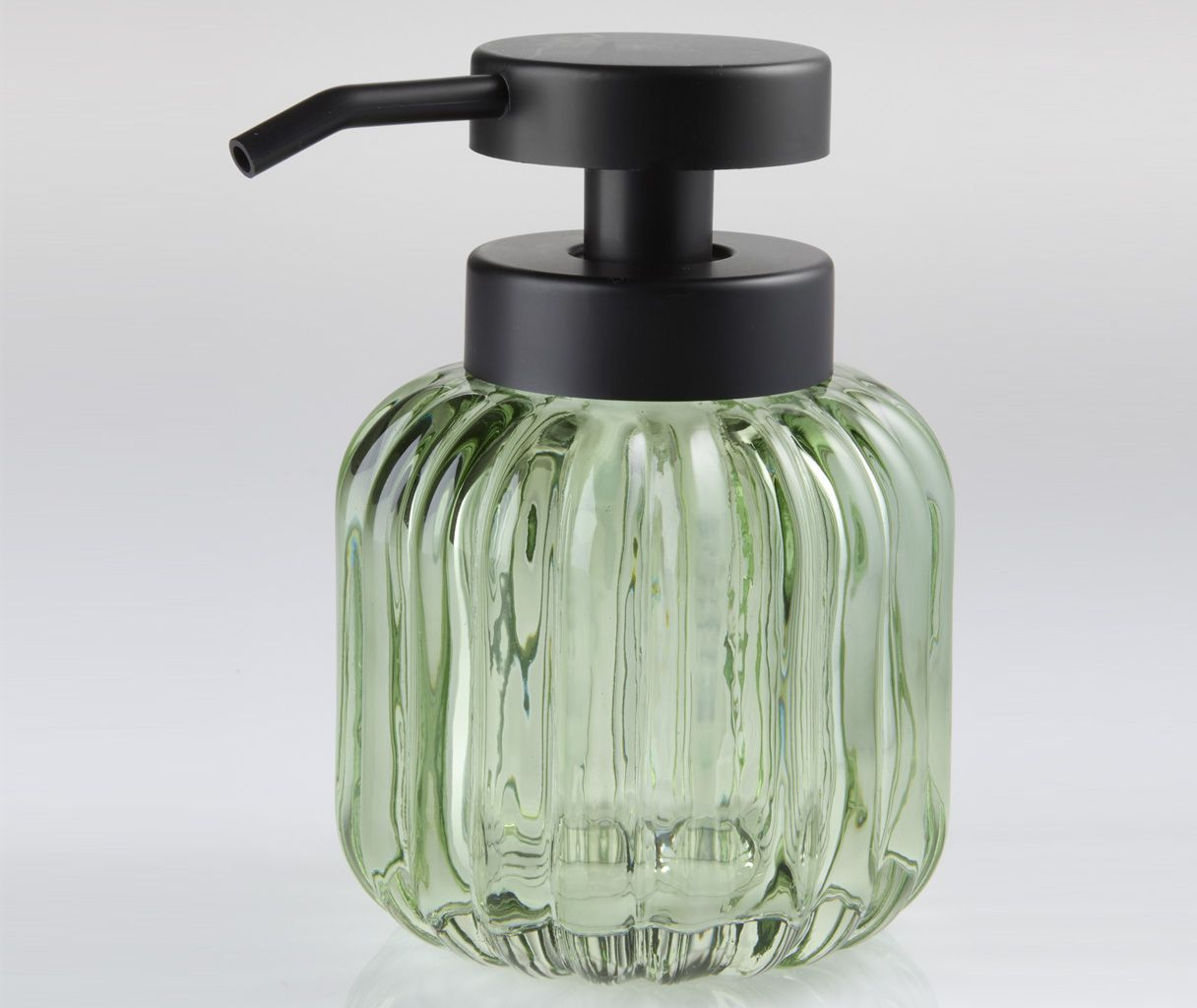
We’ve all been there. You buy that sleek, heavy glass bottle of hand soap because it looks amazing on your counter. It feels substantial. Responsible. Then, three weeks later, it’s empty. You reach for the refill pouch, but it’s slippery. It tears. You spill soapy water everywhere. Or worse, you can’t find the refill at the store, so you toss the beautiful bottle in the recycling bin and buy a new plastic one. Again.
It’s frustrating. And honestly? It’s not your fault.
For years, we’ve been told that "refillable" is the silver bullet for waste. But if you talk to the people actually designing these systems—the industrial designers who spend months obsessing over millimeters and material flows—they’ll tell you a different story. They wish you knew that the problem isn’t just about making a container reusable. It’s about designing a system that respects your time, your messy kitchen, and your brain’s desire for convenience. In 2026, the gap between what looks good on a mood board and what works in real life is finally closing, but only if we understand the hidden mechanics behind the lid.
The Convenience Trap Is Real
Let’s be honest for a second. If refilling was as easy as tossing a bottle, everyone would do it. But it’s not. Industrial designers have spent the last decade fighting what they call the "convenience trap." This is the moment where a sustainable choice requires just a little bit more effort than the disposable option, and that tiny friction point causes most people to quit.
Think about the classic refillable floss pick. It’s a great idea on paper. You have a durable handle and replaceable heads. But early designs failed because changing the head was fiddly. You’d drop the tiny piece in the sink. It was annoying. Recent innovations, like the ones highlighted by the Industrial Designers Society of America, have shifted toward paper-pulp pods that snap in easily. The packaging is fully recyclable, and the mechanism matches the speed of a disposable pick. That’s the key. The design has to match the muscle memory of the old habit.
When designers talk about "refill at home" versus "refill on the go," they aren’t just splitting hairs. These are two completely different behavioral models. Refill at home means you’re dealing with bulk containers, funnels, and potential messes. Refill on the go means you’re carrying an empty bottle to a store kiosk, which requires remembering to bring it and finding a station that works. Both fail if the user experience feels like a chore. The best systems in 2026 are those that hide the complexity. They make the sustainable choice the lazy choice.
It’s Not Just a Bottle, It’s a System
One of the biggest misconceptions is that a refillable product is just a durable bottle. It’s not. It’s an ecosystem. When you buy a refillable shampoo, you’re entering a relationship with a supply chain, a retail shelf, and a disposal protocol. Designers have to map out every single touchpoint. If the refill pouch doesn’t fit neatly into your cupboard, you won’t buy it again. If the nozzle drips, you’ll hate the brand.
Consider the beverage industry. In some regions, we’re seeing a massive shift back to refillable glass bottles. This isn’t new technology; it’s old tech refined. But the success depends on the logistics. Who washes the bottles? How do they get back to the plant? For consumer packaged goods (CPG) companies, the decision isn’t just about the container material. It’s about choosing the right reuse model. There are four main types: refill at home, refill on the go, return from home, and return on the go. Each one has different design requirements.
For example, a "return from home" model needs a packaging design that survives shipping back to the manufacturer. It needs to be lightweight to save on carbon emissions during transport, but sturdy enough not to break. A "refill at home" model needs a primary container that is easy to clean and dry, because nobody wants to put fresh soap into a damp, grimy bottle. Designers are now using modular components, like interchangeable cartridges that screw onto adapters, to allow concentrated formulas to be mixed at home. This reduces the weight of shipping water, but it adds complexity to the user interface. Every screw thread matters.
The Psychology of the "Forever" Container
Why do we keep buying new things even when we don’t need to? Part of it is aesthetic fatigue. We get bored. Industrial designers know this. They know that if a refillable container looks too utilitarian, you’ll want to replace it with something prettier. So, the challenge is creating a "forever" object that you actually love living with.
This is where the beauty industry has led the charge. Refillable beauty packaging is transforming cosmetics by turning the container into a piece of jewelry or decor. Brands are using heavy metals, textured ceramics, and mirrored cases. The goal is to make the primary package so desirable that you feel proud to display it. When the container becomes a status symbol or a cherished object, the act of refilling it feels less like a hassle and more like maintenance of something valuable.
But there’s a flip side. If the design is too complex, it becomes fragile. Designers have to balance aesthetics with durability. A delicate crystal perfume bottle might look stunning, but if it breaks after two refills, it’s worse than plastic. The trend in 2026 is towards "heirloom durability." Materials that age well. Glass that doesn’t scratch. Metals that develop a patina. The idea is to create an emotional bond. When you care about the object, you take care of it. And when you take care of it, you keep it in circulation longer. That’s the holy grail of circular design.
The Mess Factor and Material Truths
Let’s talk about the mess. Because refilling is messy. Spills happen. Powders fly. Liquids drip. Designers spend countless hours testing for "user error." They assume you will be distracted. They assume you will be in a hurry. And they design for that reality.
Take the example of concentrated vitamin or mineral cartridges. Instead of shipping huge bottles of liquid, brands are sending small, potent pods that you screw into a bottle of water. It’s brilliant for shipping efficiency. But if the threading is off by a fraction of a millimeter, it leaks. If the seal isn’t perfect, the powder clumps. The design has to be foolproof. This is why you see so many magnetic closures and click-lock mechanisms in modern refillable systems. They provide tactile feedback. You hear the click. You know it’s sealed. That sound builds trust.
Material choice is also critical. We’re moving away from mixed materials that can’t be separated. In the past, a pump might have had a metal spring, a plastic housing, and a rubber gasket, all glued together. Impossible to recycle. Now, designers are pushing for mono-materials or easily disassembled parts. The refillable floss pick mentioned earlier uses paper-pulp pods. The entire delivery system is recyclable. No hidden plastics. No confusing instructions. It’s transparent. And consumers are catching on. They can spot greenwashing a mile away. If you say it’s sustainable but the refill is wrapped in three layers of unrecyclable film, you’ve lost them.
Retail Reality and the Shelf Test
You can design the perfect refillable system in a studio, but does it work in the wild? Retail is the ultimate test. Store shelves are chaotic. Products get knocked over. Staff restock them incorrectly. If your refillable system requires special handling or specific placement, it will fail.
Designers are working closely with retailers to solve this. For "refill on the go" stations, the interface needs to be intuitive. No screens that glitch. No nozzles that clog. It needs to work like a gas pump but for shampoo. And for "refill at home" products, the refill packs need to stand up on their own. They need clear labeling. If a customer picks up a refill pouch and can’t figure out which scent it is or how to open it within three seconds, they’ll put it back.
There’s also the issue of inventory. Brands need to ensure that refills are always in stock. Nothing kills a refillable habit faster than going to the store and finding only the expensive primary bottles, with no refills available. This forces the consumer to buy a new bottle, defeating the purpose. Smart design includes supply chain resilience. It means designing packaging that fits standard shipping crates efficiently. It means considering the carbon footprint of the refill distribution network. It’s a holistic view. The product doesn’t end at the factory gate. It ends when the user successfully refills it without frustration.
So, where do we go from here? The future of refillable systems isn’t just about better bottles. It’s about modularity and localization. We’re seeing a rise in systems that are fully demountable. Think of furniture, but for packaging. Components that can be swapped out, repaired, or upgraded. If the pump breaks, you replace just the pump, not the whole bottle. If you want to change the color, you swap the sleeve.
This modularity extends to the formulas themselves. Imagine a base cleaner that you buy once, and then you add different scent or strength cartridges depending on your needs. This reduces waste and allows for customization. It’s already happening in high-end cleaning products and personal care. The technology is here. The challenge is scaling it down to mass-market prices.
Local production is another key piece. Instead of shipping refills across oceans, brands are exploring local filling stations. You bring your bottle to a neighborhood hub, or a mobile van comes to your street. This cuts transportation emissions drastically. It also builds community. It turns a transaction into an interaction. Designers are creating interfaces for these local systems that are robust and weather-resistant. They’re designing for the real world, not just the ideal one. And as we move further into 2026, these localized, modular systems are becoming less of a niche experiment and more of a standard expectation.
Refillable systems are not a trend. They are a necessary evolution. But they only work if they respect the human on the other end. They need to be easy, beautiful, and honest. They need to account for our clumsiness and our busy lives. When designers get it right, you don’t even notice the system. You just notice that your bathroom looks nicer, your wallet is a bit heavier, and you haven’t thrown away a plastic bottle in months. And really, isn’t that the point?
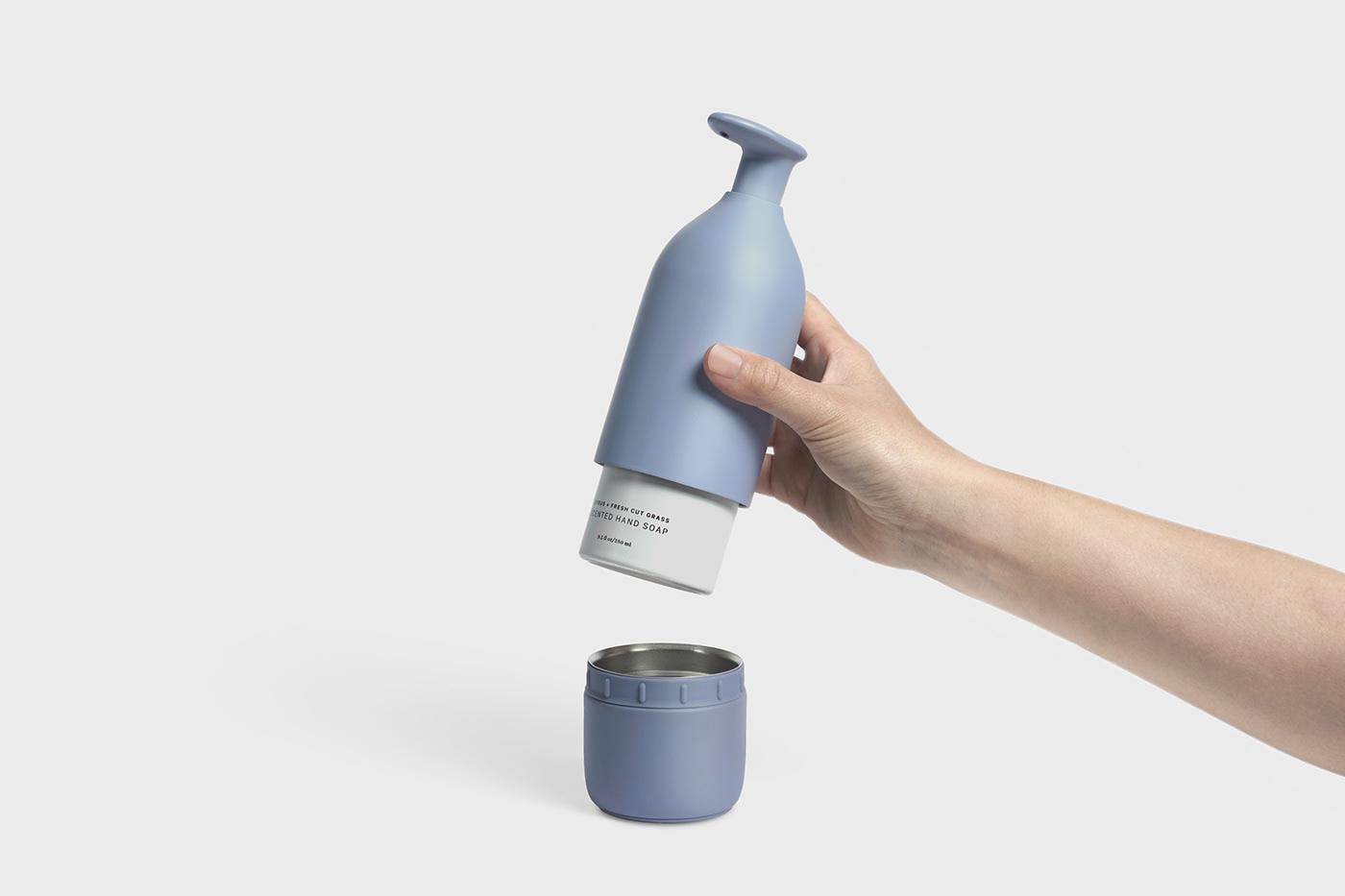
[sps_html tag=”img” src=”https://cdn.northcarolinafinearchitecture.com/2026/05/durable-timeless-sustainable-meet-the-eddi-soap-dispenser-regarding-soap-dispenser-design.jpg” alt=”Durable, Timeless, Sustainable - Meet The Eddi Soap Dispenser regarding Soap Dispenser Design” style=”width: 100%; height: auto;”]
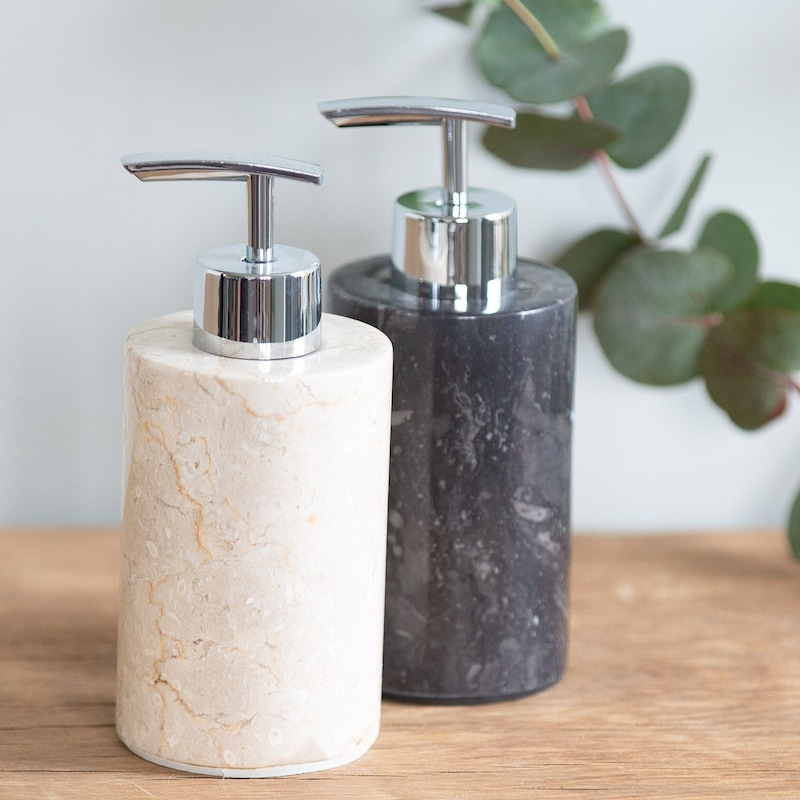
[sps_html tag=”img” src=”https://cdn.northcarolinafinearchitecture.com/2026/05/aesthetic-soap-dispensers-and-soap-dishes-stylish-bathroom-accessories-regarding-how-sustainable-materials-are-reshaping-modern-soap-dispenser-aesthetics.jpg” alt=”Aesthetic Soap Dispensers And Soap Dishes: Stylish Bathroom Accessories … regarding How Sustainable Materials Are Reshaping Modern Soap Dispenser Aesthetics” style=”width: 100%; height: auto;”]
[sps_html tag=”img” src=”https://cdn.northcarolinafinearchitecture.com/2026/05/soap-dispenser-kattarp-green-with-how-sustainable-materials-are-reshaping-modern-soap-dispenser-aesthetics.jpg” alt=”Soap Dispenser Kattarp Green with How Sustainable Materials Are Reshaping Modern Soap Dispenser Aesthetics” style=”width: 100%; height: auto;”]
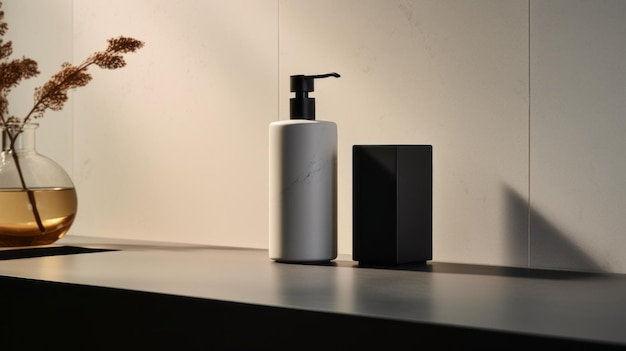
[sps_html tag=”img” src=”https://cdn.northcarolinafinearchitecture.com/2026/05/premium-photo-minimalist-black-vase-and-soap-dispenser-industrial-inside-soap-dispenser-design.jpg” alt=”Premium Photo | Minimalist Black Vase And Soap Dispenser Industrial … inside Soap Dispenser Design” style=”width: 100%; height: auto;”]
[sps_html tag=”img” src=”https://cdn.northcarolinafinearchitecture.com/2026/05/aesthetic-soap-dispenser-etsy-for-how-sustainable-materials-are-reshaping-modern-soap-dispenser-aesthetics.jpg” alt=”Aesthetic Soap Dispenser - Etsy for How Sustainable Materials Are Reshaping Modern Soap Dispenser Aesthetics” style=”width: 100%; height: auto;”]