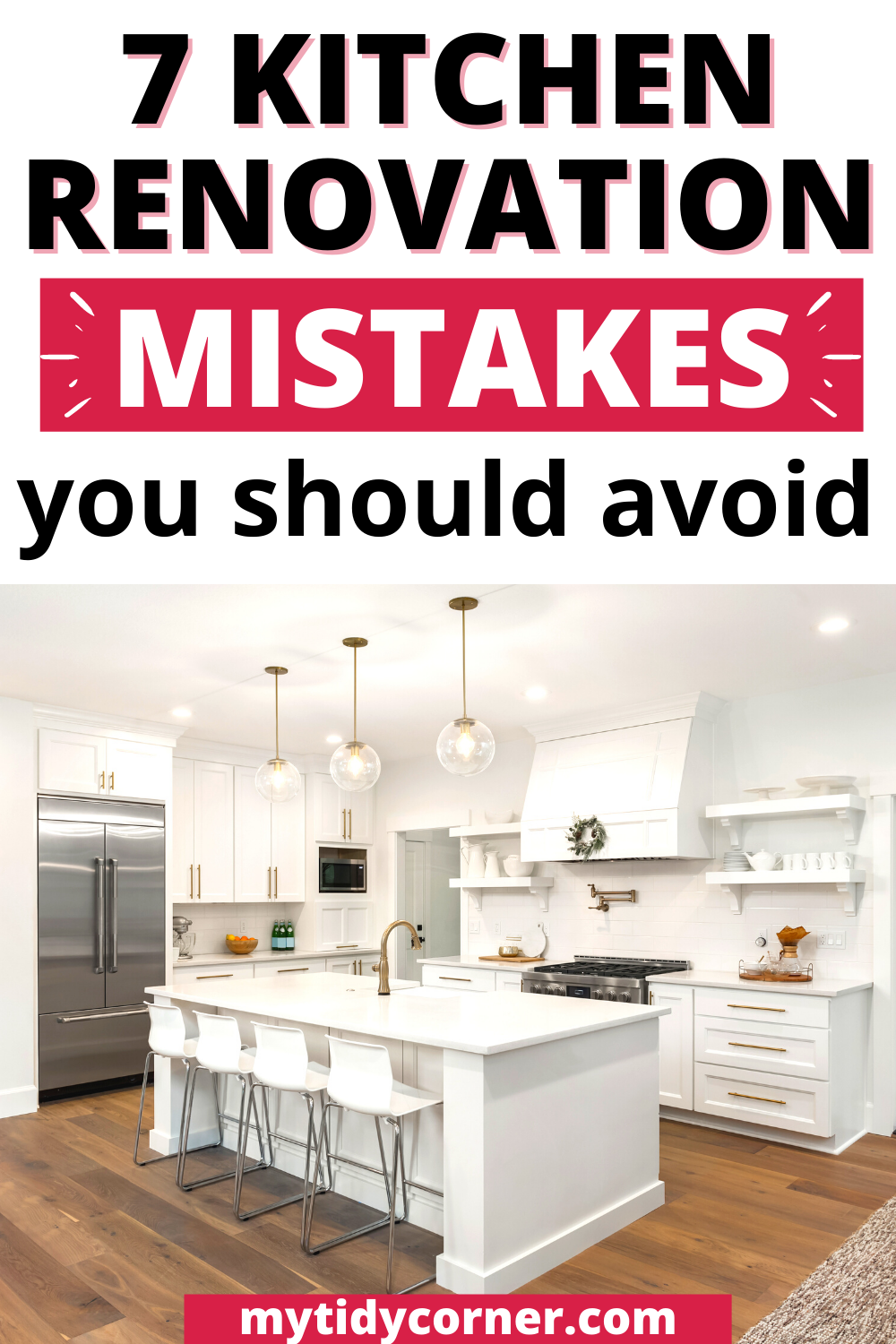
Step into a newly renovated high-end kitchen or a spa-inspired bath, and you will likely encounter an expanse of hard, reflective surfaces. For decades, the design playbook dictated a simple reflex: if a vertical plane needed protection against moisture or visual monotony, the default answer was tile. Walk into any tile showroom, and you are immediately confronted with rows of glossy porcelain, rigid stone slabs, and pristine ceramic blocks. Yet, a quiet fatigue has settled over these cold, clinical rooms. Homeowners and architectural purists alike are beginning to question the sheer dominance of grout lines and hard ceramic, seeking an interior language defined by genuine tactile depth and organic ease.
This shift does not stem from a rejection of durability; rather, it reflects a maturing appreciation for human scale and sensory comfort. When we design spaces meant for living rather than sterile display, hard materials often hit a psychological ceiling. They bounce sound waves into abrasive echoes, feel unforgiving to the touch, and lock a room into an unyielding aesthetic. Enter the modern renaissance of high-performance wallcoverings—a category far removed from the peeling, water-damaged paper of yesteryear. Today’s textiles, grasscloths, and embossed heavy-weight vinyls bring a level of organic softness that tile simply cannot mimic, effectively reshaping how we approach interior vertical design.
The calculus of home styling has fundamentally evolved. Where a traditional subway tile installation demands heavy structural backing, specialized wet saws, and weeks of curing time, advanced wallcovering materials offer immediate, immersive transformation with a fraction of the installation trauma. By looking past the showroom dogma of perpetual tile, spaces open up to an array of nuanced tactile experiences, acoustic control, and fluid designs. The modern approach challenges us to evaluate what a surface actually feels like when lived with every single day.
The Sensory Deficit of Hard Surfaces in Contemporary Architecture
For years, contemporary design leaned heavily into minimalism, rewarding spaces characterized by stark whites, polished concrete, and endless expanses of rectified porcelain tile. While striking in architectural digest photography, these environments frequently fail the lived-in test. Sound bounces off glass, stone, and tile without resistance, turning an ordinary family dinner into an acoustic assault course. The human ear seeks absorption and softness, yet hard tile walls stubbornly reflect every decibel, creating an environment that feels stark rather than serene.
Beyond acoustics, the thermal properties of tile leave much to be desired. Ceramics and stone possess high thermal mass, meaning they remain stubbornly cold to the touch unless paired with expensive under-tile heating systems. In contrast, modern textile wallcoverings and acoustic wood-slat configurations introduce a natural layer of insulation. When you brush against a wall clad in a textured paper or a woven natural fiber, your skin registers an immediate sense of welcome. This fundamental tactile difference dictates the emotional temperature of a room, transforming a clinical box into a sanctuary.
Designers increasingly recognize that visual texture is not the same as physical warmth. While a digitally printed tile can mimic the look of wood or fabric, it retains the cold, unyielding personality of baked clay. Modern wallpaper introduces true dimension through relief printing, hand-woven grasses, and micro-embossed vinyls that catch indirect light differently throughout the day. This dynamic interaction between light and tactile surface creates a breathing, living room envelope that static tile layouts can never replicate.
Engineering the Evolution of Modern Wallcoverings
The prejudice against wallcoverings usually stems from outdated memories of thin, paper-backed rolls that dissolved at the first hint of humidity. The manufacturing reality of contemporary wallcovering, however, has undergone a radical engineering transformation. Today’s heavy-duty commercial and residential substrates are engineered from non-woven synthetic blends, fiberglass reinforcements, and breathable vinyl coatings designed to withstand active environments without trapping destructive moisture behind the wall assembly.
Technological advancements in digital embossing and surface scoring allow designers to achieve astonishingly complex physical reliefs. We now see wallcoverings that faithfully replicate the look and feel of ceramic grasscloth, lime-washed plaster, and hand-woven linens. This marriage of high-tech substrate durability with artisanal aesthetics means a powder room or hallway can boast the organic softness of natural fibers without sacrificing cleanability. Manufacturers treat these surfaces with advanced stain-repellent finishes, allowing high-traffic zones to remain pristine under rigorous daily use.
Furthermore, the integration of acoustic engineering into modern wall treatments represents a major leap forward. Innovations like acoustic wood-slat panels backed by high-density fiber pads demonstrate how vertical surfaces can actively manage indoor sound while delivering rich organic warmth. When compared to the acoustic nightmare of bare tiled walls, these hybrid wallcovering solutions provide an intelligent alternative that satisfies both the eye and the ear, proving that functional vertical surfaces do not require grout and mortar.
A Practical Method for Transitioning from Tile to Textile Surfaces
Replacing or avoiding tile in favor of advanced wallcoverings requires a methodical approach to substrate preparation and material selection. Unlike tile, which can sometimes bridge minor wall imperfections with a thick mortar bed, high-performance wallpaper demands a perfectly flat, stabilized surface to showcase its tactile qualities. Executing this transition successfully involves a careful sequence of evaluation, surface remediation, and precise installation techniques.
- Step 1 (Substrate Assessment and Repair): Inspect the existing wall thoroughly, filling all gouges, sanding down high spots, and ensuring the drywall or plaster is structurally sound and free of residual moisture.
- Step 2 (Moisture Barrier Application): Apply a high-grade mold-resistant primer-sealer tailored to the specific room’s humidity profile, particularly when installing in transitional spaces like powder rooms or kitchens.
- Step 3 (Material Selection and Acclimation): Choose a heavy-weight non-woven or vinyl-backed wallcovering that matches the room’s traffic level, allowing the rolls to acclimate to the room’s ambient temperature and humidity for 48 hours.
- Step 4 (Precision Layout and Plumb Line): Establish a true plumb line using a laser level to ensure patterns or directional textures remain perfectly vertical across corners and architectural breaks.
- Step 5 (Adhesive Application and Smoothing): Apply the manufacturer-specified paste evenly with a roller, hanging each panel with a broad plastic smoother to eliminate air pockets without crushing delicate surface embossing.
Navigating Material Selection and Avoiding Common Surface Mistakes
Transitioning away from tile opens up tremendous creative freedom, but it also introduces unique installation traps for the uninitiated. A common misstep involves choosing a delicate, unsealed natural grasscloth for a high-moisture kitchen backsplash or a heavily used hallway where bags constantly brush against the wall. Understanding the performance limits of specific wallcovering classes prevents premature degradation and costly do-overs.
- Pitfall 1 (Ignoring Room Humidity Profiles): Installing non-breathable paper in unventilated bathrooms traps moisture and causes peeling; always specify Type II commercial vinyl or scrubbable non-woven substrates for wet-adjacent zones.
- Pitfall 2 (Skimping on Wall Priming): Hanging luxury wallcoverings over unsealed drywall makes future removal impossible and risks bubbling; invest in a dedicated wallpaper primer that creates a tight, uniform bond.
- Pitfall 3 (Over-Smoothing Embossed Textures): Applying excessive pressure with rigid metal tools flattens out the custom relief patterns of textured vinyls; use soft-bristled smoothing brushes or specialized plastic smoothing blades instead.
- Pitfall 4 (Neglecting Pattern and Grain Direction): Mixing the roll directions of directional grasscloths or woven textures creates jarring visual striping; always check run numbers and hang panels in sequence.
- Pitfall 5 (Failing to Seal Seams in Prep Areas): Leaving raw cut edges exposed near moisture sources leads to edge lifting; apply a specialized seam adhesive and sealer where required by the manufacturer.
The Economic and Environmental Calculus of Vertical Design Choices
Evaluating the true cost of a surface finish extends far beyond the initial price per square foot quoted in a showroom. While a porcelain tile may boast an indefinite material lifespan, the labor-intensive reality of professional tile setting—involving cement backers, waterproof membranes, wet saws, and meticulous grout work—drives total project costs sky-high. Furthermore, should personal taste shift or a major plumbing repair become necessary behind a tiled wall, demolition is loud, dusty, and destructive.
Modern wallcoverings present a much more agile economic model. The initial investment in high-end woven or embossed materials is frequently offset by significantly lower labor overhead and faster installation turnaround times. When it comes time to refresh a space years down the road, stripping a quality non-woven wallcovering takes hours rather than days, leaving the drywall intact and ready for its next iteration. This adaptability supports a more sustainable approach to interior design, reducing the massive construction waste associated with gutting rigid tile installations.
Environmental considerations also favor lightweight, high-performance wall solutions. The carbon footprint generated by firing ceramic tiles in high-temperature kilns and shipping dense, heavy pallets across continents contrasts sharply with the efficient production and transit of rolled wallcoverings. By opting for textiles, recycled-content vinyls, or sustainably harvested wood-veneer acoustic panels, designers can achieve a rich, luxurious aesthetic without imposing an unnecessarily heavy burden on global resources.
Strategic Frameworks for Harmonizing Vertical Surfaces Throughout the Home
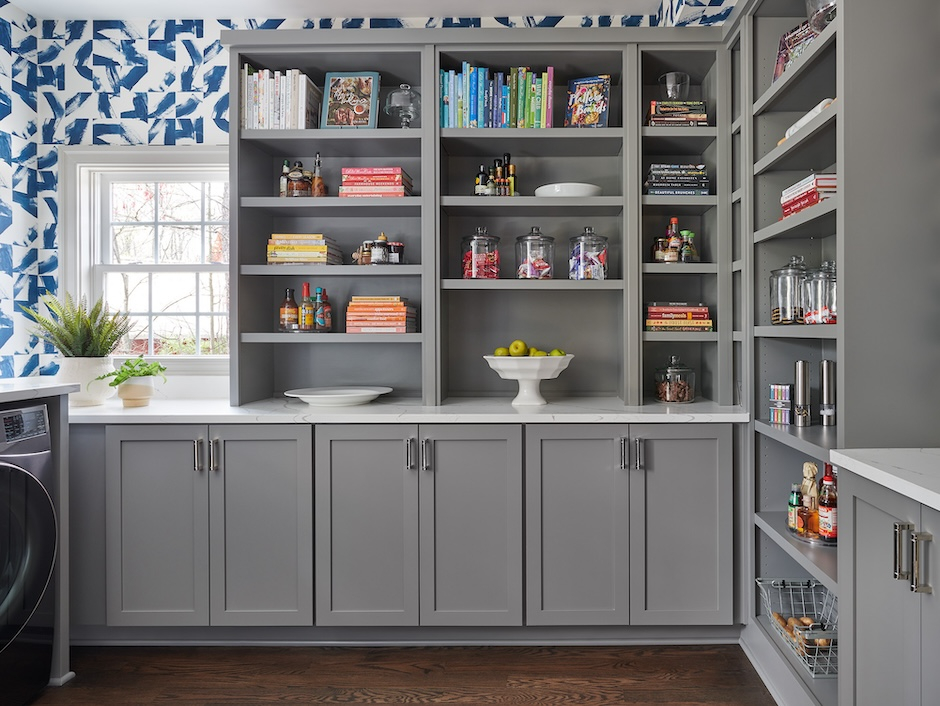
Creating a cohesive interior requires viewing the home as a continuous narrative rather than a collection of isolated boxes. Relying exclusively on tile in wet zones and paint everywhere else creates abrupt visual stops and starts. By introducing tactile, warm wallcoverings into unexpected areas—such as lining an open-concept kitchen’s dining nook or wrapping a main hallway—designers establish a rhythmic flow that bridges different functional zones seamlessly.
The key to this design strategy lies in balancing visual weight. If a kitchen features sleek, unadorned cabinetry and polished countertops, introducing a heavily textured, grasscloth-inspired wallcovering on an adjacent accent wall prevents the space from feeling sterile. Conversely, if a room already incorporates intricate furniture or patterned textiles, a quieter, micro-relief vertical surface provides the necessary backdrop without causing visual clutter.
Ultimately, rethinking tile is about prioritizing human comfort over rigid convention. When we allow our walls to breathe, absorb sound, and offer genuine tactile warmth, our living spaces respond in kind. The modern interior rewards those who look past showroom defaults and embrace materials that honor both the eye and the sense of touch.
The enduring appeal of a well-designed home lies in its ability to nurture the people who inhabit it. As we look past the cold, uniform surfaces that defined previous design cycles, the turn toward tactile warmth and intelligent wallcoverings marks a welcome return to human-centric spaces. We no longer have to choose between durability and comfort, nor do we need to subject our living areas to the acoustic and thermal harshness of endless tile.
Embracing this shift requires a willingness to experiment with texture, scale, and innovative materials. Whether you are planning a comprehensive renovation or simply looking to soften a stark corridor, stepping away from the default tile mindset opens up boundless creative potential. By valuing warmth, sound absorption, and effortless adaptability, you create an environment that not only looks exceptional on day one, but feels genuinely wonderful to live in for years to come.