Have you ever thought about how much your daily bath impacts your freedom. For decades, the bathroom has been one of the trickiest places to manage for folks who want to age in place or recover from injuries. A slippery floor or a deep tub wall can feel like a mountain to climb. But right now in 2026, we are witnessing a quiet shift that is changing everything. It isn’t about clinical-looking grab rails anymore; it is about high-tech, deeply soothing comfort that blends science with everyday living.
At the center of this movement are two things we often take for granted: water and the way we sit. By mixing targeted water pressure with smart, body-supporting designs, home care is becoming less about just getting by and much more about genuine healing. Let’s dive into how these changes are helping people stay independent and comfortable in their own homes.
The Magic of Hydrostatic Pressure and Hidden Science
Water does something incredible to the human body the moment you sink into it. It is called hydrostatic pressure, which is basically the natural weight of the fluid pressing gently against you. When you are submerged, this pressure pushes down on your tissues and helps your blood flow back up toward your heart. In fact, research shows that warm water immersion can boost your overall blood circulation by 20% to 30%.
This isn’t just about feeling cozy. For someone dealing with swollen ankles or poor circulation, that gentle squeezing action acts like a natural compression sock. It flushes out fluid build-up and brings fresh, oxygen-rich blood straight to tired muscles. Because the water supports your weight, it can reduce the stress on painful joints by up to 90 percent. Suddenly, movements that feel impossible on hard land become smooth and completely pain-free.
Tailored Water Jets for Body Pain Relief
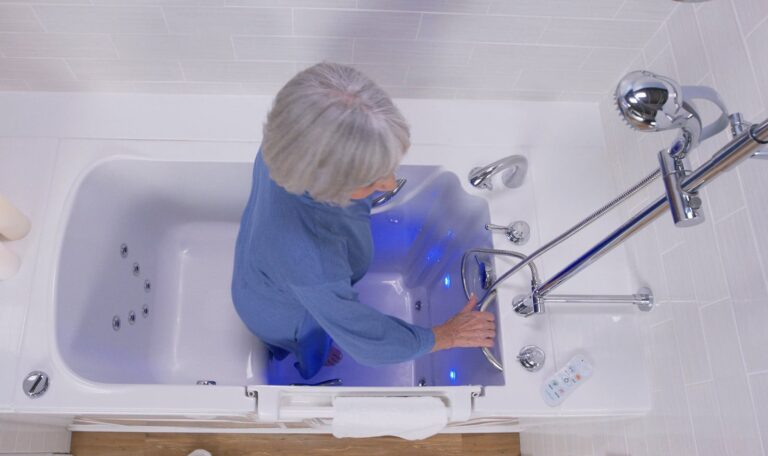
Gone are the days when a whirlpool tub just blasted random bubbles everywhere. Today’s home care tech uses specialized jets that can be adjusted for exact parts of your body. Think about conditions like arthritis or chronic back issues; standard painkillers shouldn’t be the only answer. Modern systems let you focus water streams directly onto your lower back, your knees, or even just your ankles and wrists.
[Image diagram showing how warm water jets stimulate blood flow and provide targeted muscle relief]
People are using these setup choices to build their own daily therapy routines without needing to visit a clinic. You can turn the pressure up for a deep tissue massage to break up muscle knots, or soften it to a gentle mist that calms over-sensitive nerves. It is a completely natural way to manage pain that helps people sleep better and move easier throughout the day.
Re-imagining the Seat for Safety and Bone Support
You can have the best water system in the world, but it won’t mean a thing if you are slipping around or feeling unstable while using it. That is where ergonomic seating comes into play. Traditional tubs force you to lie down at an awkward angle, which can be incredibly tough to get up from. Modern care tubs feature built-in, ADA-compliant seats that sit around 17 inches high, mimicking the natural posture of a standard chair.
These seats are shaped to match the natural curve of your lower back, taking the pressure off your tailbone and hips. Many of the top models from brands like Kohler and Safe Step now include heated backs and seating surfaces. This keeps your upper body warm while the tub fills up or drains, preventing those chilly, shivering moments that cause muscles to tense up dangerously.
Staying Safe with Low Step Entrances and Quick Drains
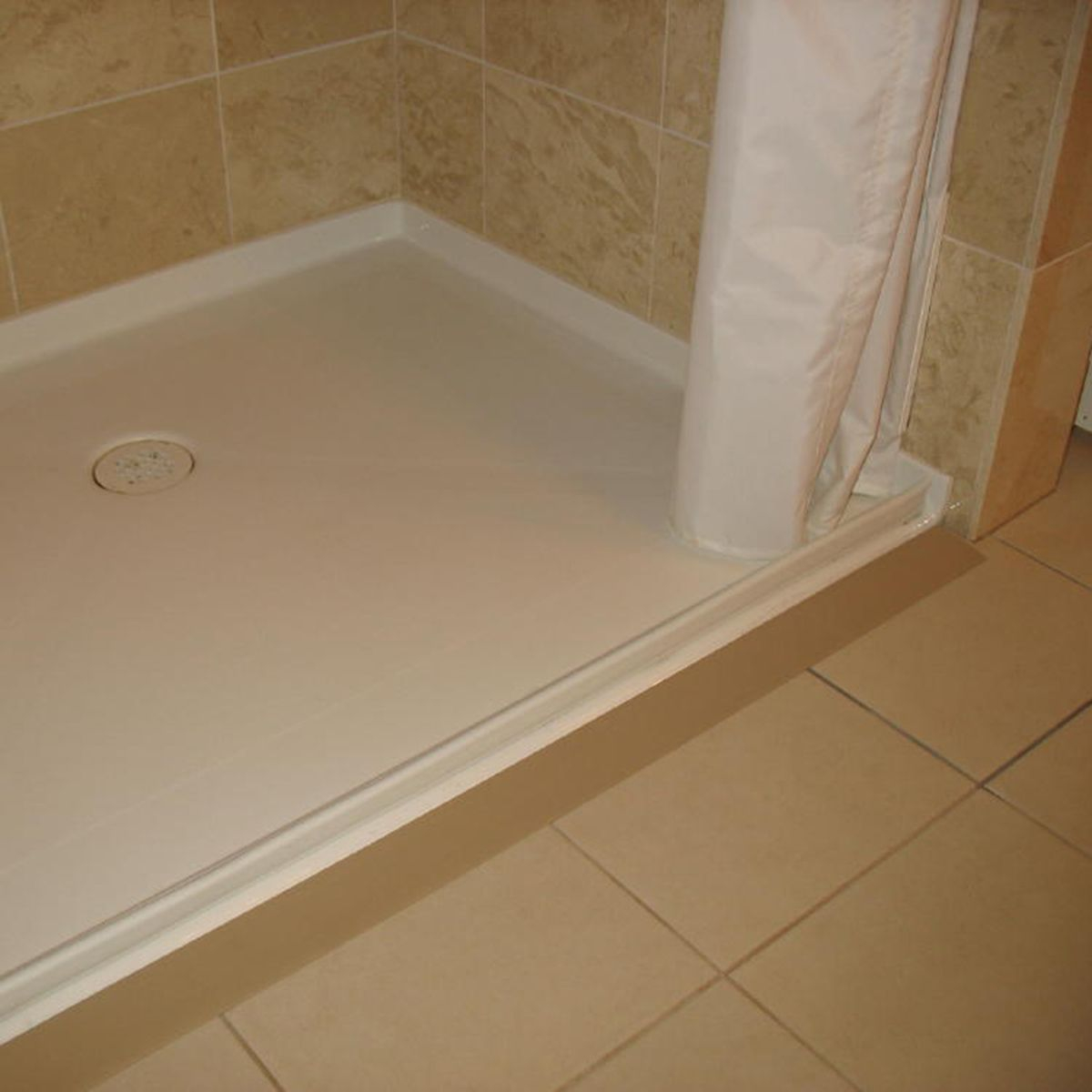
Fear of falling is one of the biggest reasons people give up on independent bathing. To fix this, modern home care designs have focused on making entry and exit completely stress-free. Walk-in tubs now feature incredibly low step-in thresholds—often just 3 inches high—meaning you don’t have to balance on one leg to climb over a high wall.
Because you have to sit inside the tub while it fills and empties, engineers have developed fast-draining technology. Tubs from makers like Ella’s Bubbles and Boca use dual-drain systems that clear out all the water in under two minutes. This means you don’t have to sit there freezing while waiting to open the door, making the entire process safe, fast, and dignified.
Practical Tips for Bringing Modern Therapy Home
If you or a loved one are looking into these home upgrades, it helps to know what to focus on. You don’t always need a full bathroom remodel to start feeling the benefits of better seating and water design. Here are a few quick tips to get you started:
- Look for In-Line Heaters: Because these tubs hold a lot of water, an inline heater keeps the temperature stable so your bath doesn’t turn cold midway through.
- Prioritize Textured Surfaces: Make sure the seat and floor have built-in slip resistance to give your feet a solid grip.
- Check the Door Swing: Some doors swing inward to save space, while outward-swinging doors are much easier for wheelchair transfers.
- Start Slow: If you are new to water therapy, stick to 15 or 20 minute sessions at first to let your body adjust to the circulation changes.
What makes this shift so special is how it changes the feel of home care. It takes away the medical look of traditional safety gear and replaces it with something that feels luxurious and deeply comforting. When people have access to targeted water pressure and proper seating, they don’t have to rely as much on others for their basic daily care.
Ultimately, these advancements are giving people their freedom back. Being able to care for yourself in a safe, soothing environment boosts your mental wellness just as much as it heals your physical body. It proves that with the right design, our homes can become places where we don’t just age, but truly thrive.
Do you think these home care innovations could help you or someone in your family stay independent for longer?