You’ve probably stood in front of a massive pile of gravel or a stack of flagstone at the local quarry, feeling completely overwhelmed. It looks like just… rocks. How hard can it be? You grab a shovel, toss some down, and call it a day. But then, six months later, you’re staring at a muddy mess where weeds have taken over, or worse, the stones look like they were dumped there by accident. It feels wrong. Disconnected. Like your yard is wearing shoes that don’t match the outfit.
Here’s the thing most people miss: a rock garden isn’t about the rocks. Not really. It’s about the space between them. It’s about how the light hits the rough edge of a boulder at sunset, or how the smooth river stone guides your eye toward a patch of lavender. Getting it right changes everything. It turns a backyard into a sanctuary. And the secret isn’t buying the most expensive stone. It’s understanding what your land is trying to tell you.
Let’s be honest, choosing stones is part science, part art, and part intuition. In 2026, with water conservation becoming a bigger priority than ever, the way we use hardscaping has shifted. We aren’t just decorating; we are managing ecosystems. So, before you spend a dime, let’s walk through what actually matters. Because once those stones are in the ground, moving them is a back-breaking nightmare you’ll want to avoid.
Listen to Your Soil and Climate First
Before you even look at color samples, you need to get your hands dirty. Literally. Dig a hole. See what’s underneath. If you live in an area with heavy clay soil, like parts of the Midwest or the South, drainage is going to be your biggest enemy. Clay holds water like a sponge. If you put impermeable stones on top without proper preparation, you’re creating a swamp. Not the cute kind with frogs, but the muddy, root-rotting kind.
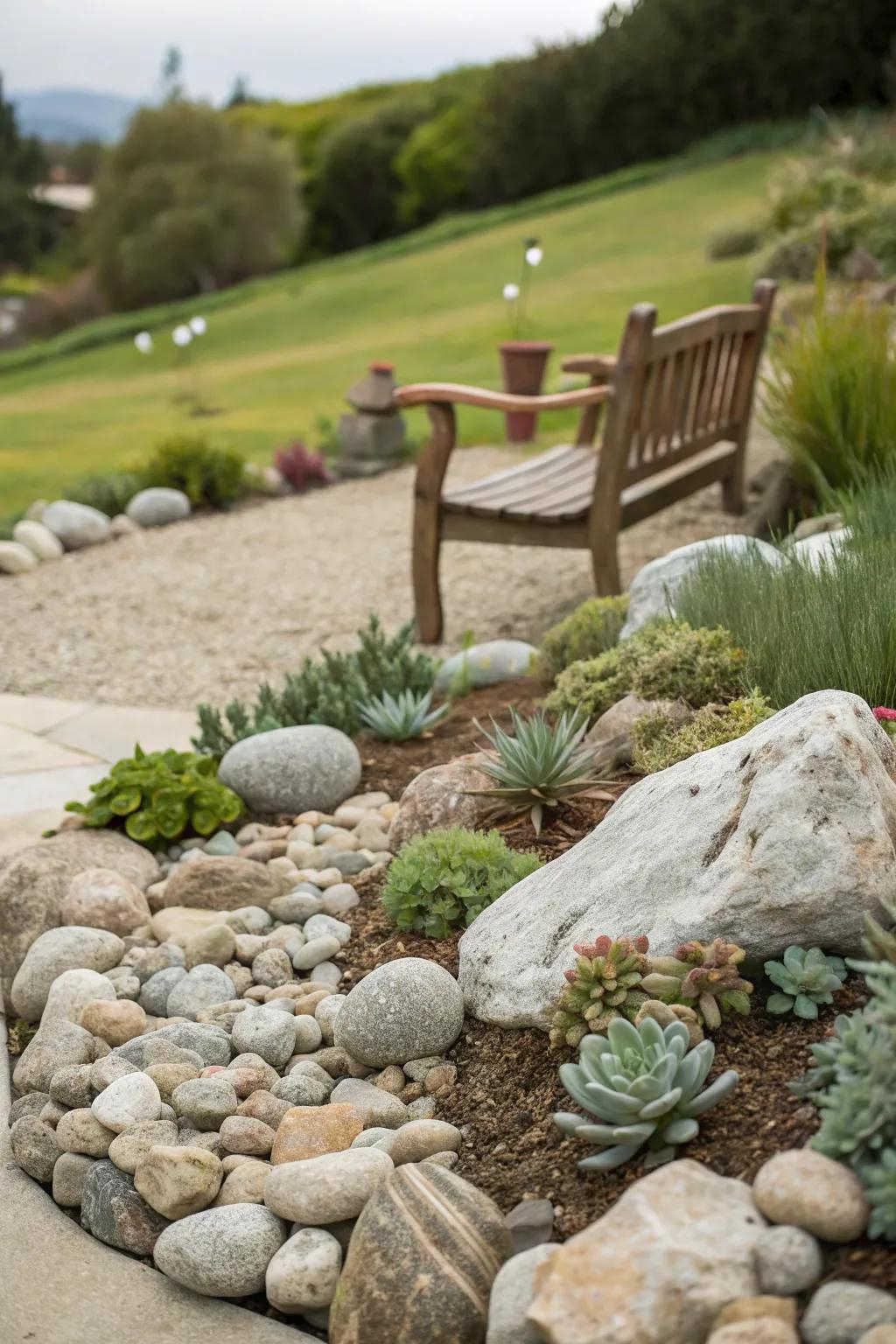
In these cases, you need stones that allow water to pass through freely. Crushed granite or angular gravel is fantastic here because the jagged edges lock together but still leave gaps for water to seep down. Round river rocks, on the other hand, roll around and can shift, creating unstable surfaces if the soil beneath gets soggy. I spoke with a landscape architect in Portland last year who told me that 80% of failed rock gardens he fixes are due to poor drainage planning, not bad design. He said, "The rock is just the hat. The soil is the head. If the head is sick, the hat looks silly."
On the flip side, if you’re in a dry, arid climate like Arizona or Nevada, your concern shifts to heat retention. Dark basalt absorbs heat and can literally cook the roots of delicate plants nearby. Lighter colored stones, like limestone or tan sandstone, reflect sunlight and keep the microclimate cooler. It’s a small detail, but in the blazing July sun of 2026, that difference can mean the life or death of your succulents. Always check your local USDA hardiness zone and rainfall averages. They dictate the rules more than your Pinterest board does.
Match the Stone to the Style You Want
What vibe are you going for? This sounds fluffy, but it’s crucial. A Zen garden requires a completely different palette than a rugged mountain scape. If you want that calm, minimalist Japanese aesthetic, you’re looking for uniformity. Smooth, rounded stones. Maybe large, singular boulders placed with intention. The goal here is silence. The stones shouldn’t shout; they should whisper. Granite boulders work well here because they weather slowly and maintain their shape for decades.
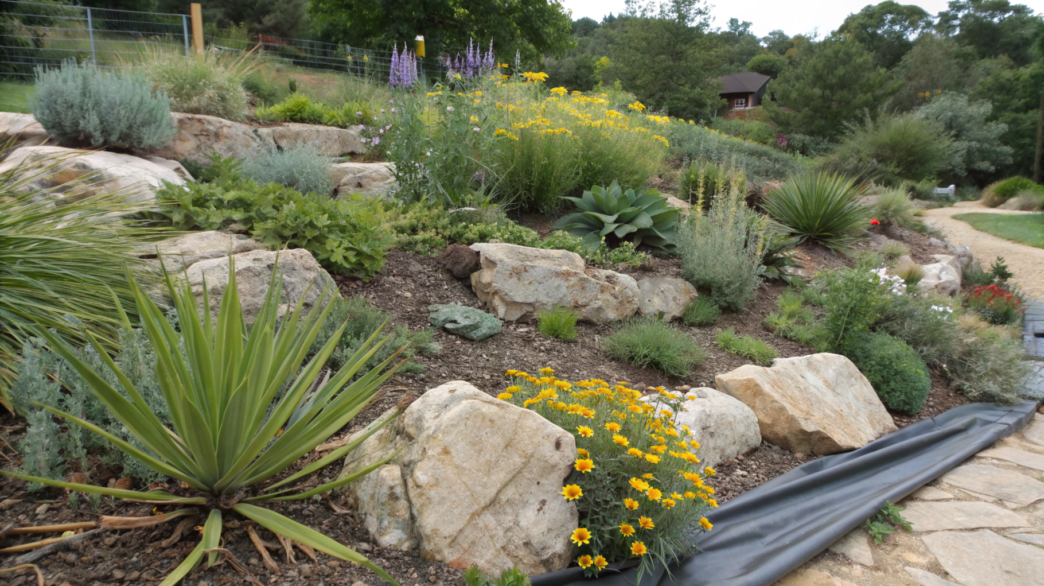
But maybe you want something wilder. A cottage garden or a naturalistic woodland edge needs chaos. Well, controlled chaos. You want irregular shapes, varied sizes, and colors that mimic the local geology. If you live in New England, using local fieldstone makes the garden feel like it grew out of the earth. Importing bright white marble from Italy would look jarring and artificial. It’s about belonging. The best rock gardens look like they’ve been there for a hundred years, even if you installed them last Tuesday.
Don’t forget the texture. Smooth stones feel modern and sleek. Rough, jagged rocks feel ancient and primal. Mixing them can work, but you have to be careful. Usually, it’s best to pick one dominant texture and use the other as an accent. For example, a bed of rough crushed stone with a few smooth, polished stepping stones creates a nice contrast without looking messy. Think of it like interior design. You wouldn’t put a velvet sofa next to a rusty metal chair unless you had a very specific vision. Same rule applies outside.
Understand the Cost vs. Value Equation
Let’s talk money. Because landscaping rocks aren’t cheap, and the prices have fluctuated wildly in recent years. According to recent data from Angi, basic gravel can start as low as $20 per cubic yard, which is great for covering large areas on a budget. But if you’re eyeing elegant flagstone for a patio or pathway, you could be paying anywhere from $200 to $550 per ton. That’s a huge gap. And it’s not just the material cost; it’s the weight. Heavy stones mean higher shipping fees and potentially needing machinery to move them.
So, how do you decide? Start with visibility. High-traffic areas or focal points—like the path to your front door or the center of a seating area—are worth the splurge. Use the expensive, beautiful flagstone or cut stone there. Then, for the background areas, the borders, or the spots hidden behind shrubs, use cheaper filler rock like pea gravel or crushed limestone. This technique, called "zoning," lets you get the high-end look without the high-end price tag for the entire project.
Also, consider longevity. Cheap stone might crumble or fade after a few winters. In 2026, with more extreme weather patterns, durability is key. Soft sandstone might look gorgeous now, but if it flakes apart after two freeze-thaw cycles, you’ve wasted your money. Harder stones like quartzite or granite cost more upfront but last virtually forever. Think of it as an investment. Are you building this for next summer’s BBQ, or for the next twenty years of mornings drinking coffee on your porch? The answer changes what you should buy.
Size Matters More Than You Think
One of the most common mistakes DIYers make is getting the scale wrong. They buy tiny pebbles for a huge yard, and the whole thing looks speckled and busy. Or they drop massive boulders into a tiny courtyard, making the space feel cramped and claustrophobic. Scale is everything. As a general rule, the size of the stone should relate to the size of the house and the surrounding plants. A two-story colonial can handle large 3-foot boulders. A small bungalow looks better with 12-inch stones.
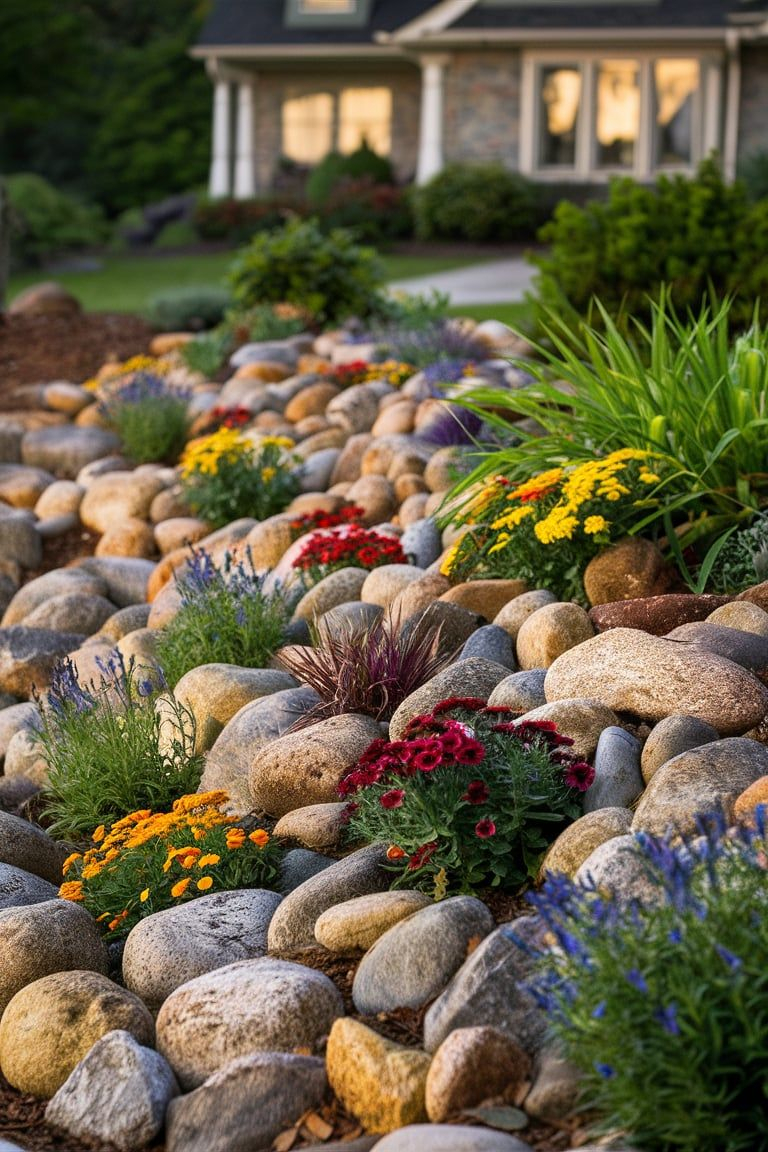
Think about maintenance too. Smaller stones, like pea gravel, are notorious for getting kicked onto lawns or tracked into the house. They also make weeding a pain because weeds can pop up between the tiny gaps. Larger stones, like 3-to-6-inch cobbles, are easier to rake clean and suppress weeds better because there’s less surface area for seeds to settle. If you hate pulling weeds, go bigger. Your back will thank you.
And don’t forget the plants. If you’re planting alpine species or small succulents, huge rocks will dwarf them. You want the plants to peek out, to nestle against the stone. If the rock is ten times the size of the plant, the plant disappears. Conversely, if you’re planting large ornamental grasses or shrubs, tiny pebbles will look like dirt. The rock needs to anchor the plant visually. It’s a partnership. They need to look like they belong together.
Color Harmony and Local Geology
Color is emotional. It sets the mood. But it’s also tricky because wet stone looks different than dry stone. Always ask to see a sample of the rock wet. That dark gray slate might turn into a jet-black mirror when it rains, which could be stunning or overwhelming depending on your taste. In general, try to stick to colors found in your local landscape. This creates a seamless transition from your yard to the wider environment.
If you’re in the Southwest, think terracottas, reds, and tans. In the Pacific Northwest, go for mossy greens, grays, and deep browns. In the Northeast, grays, blues, and whites dominate. Using local colors doesn’t just look better; it often means the stone is locally sourced, which cuts down on transportation costs and carbon footprint. In 2026, sustainability isn’t just a buzzword; it’s a practical consideration for many homeowners.
However, contrast can be powerful. A bed of white marble chips around dark green hostas creates a striking visual pop. But use this sparingly. Too much contrast feels artificial. Think of it as seasoning. A pinch of salt enhances the flavor; a cup ruins the dish. Use bright or unusual colored stones as accents, not as the main event. Let the natural tones of your region provide the canvas, and use the unique colors to highlight specific features.
Now that you’ve picked the perfect stone, how do you put it down? The golden rule is: bury it. Never just set a rock on top of the soil. It looks like it was dropped from a helicopter. To make it look natural, dig a hole slightly larger than the base of the rock and sink it about one-third to one-half of its height into the ground. This gives it stability and makes it look like it emerged from the earth naturally. It anchors the design.
Group your stones in odd numbers. Three, five, seven. Even numbers tend to look symmetrical and formal, which can feel stiff. Odd numbers create a more dynamic, organic flow. Vary the sizes within the group, but keep them related. Don’t put a tiny pebble next to a massive boulder unless there’s a medium-sized stone bridging the gap. Create a rhythm. Lead the eye through the garden with a trail of stones that decrease or increase in size gradually.
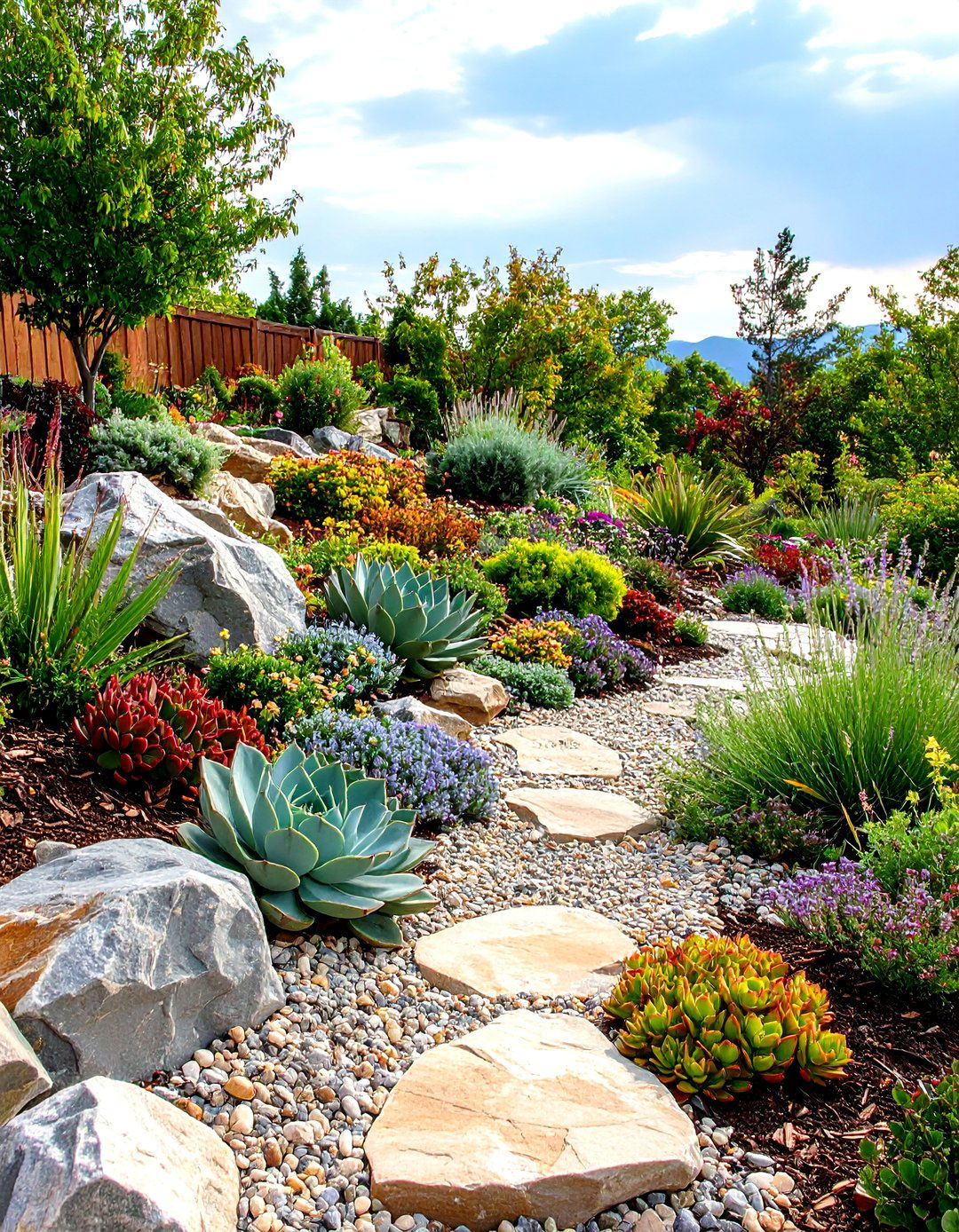
Finally, leave space for life. Don’t pack the rocks so tight that nothing can grow. The beauty of a rock garden is the interplay between the hard, permanent stone and the soft, changing plants. Leave pockets of soil for creeping thyme, sedum, or moss to fill in. Over time, these plants will soften the edges of the rocks, blurring the line between the hardscape and the softscape. That’s when the magic happens. That’s when it stops being a pile of rocks and starts being a garden.
Choosing the right stones is a journey. It takes patience. It requires you to look at your land not as a blank slate, but as a partner. By listening to your soil, respecting your budget, matching the scale, honoring local colors, and placing with care, you create something that lasts. Something that feels true. And isn’t that what we’re all looking for? A place that feels like home. So take your time. Walk the quarry. Feel the weight of the stone. Trust your gut. You’ve got this.
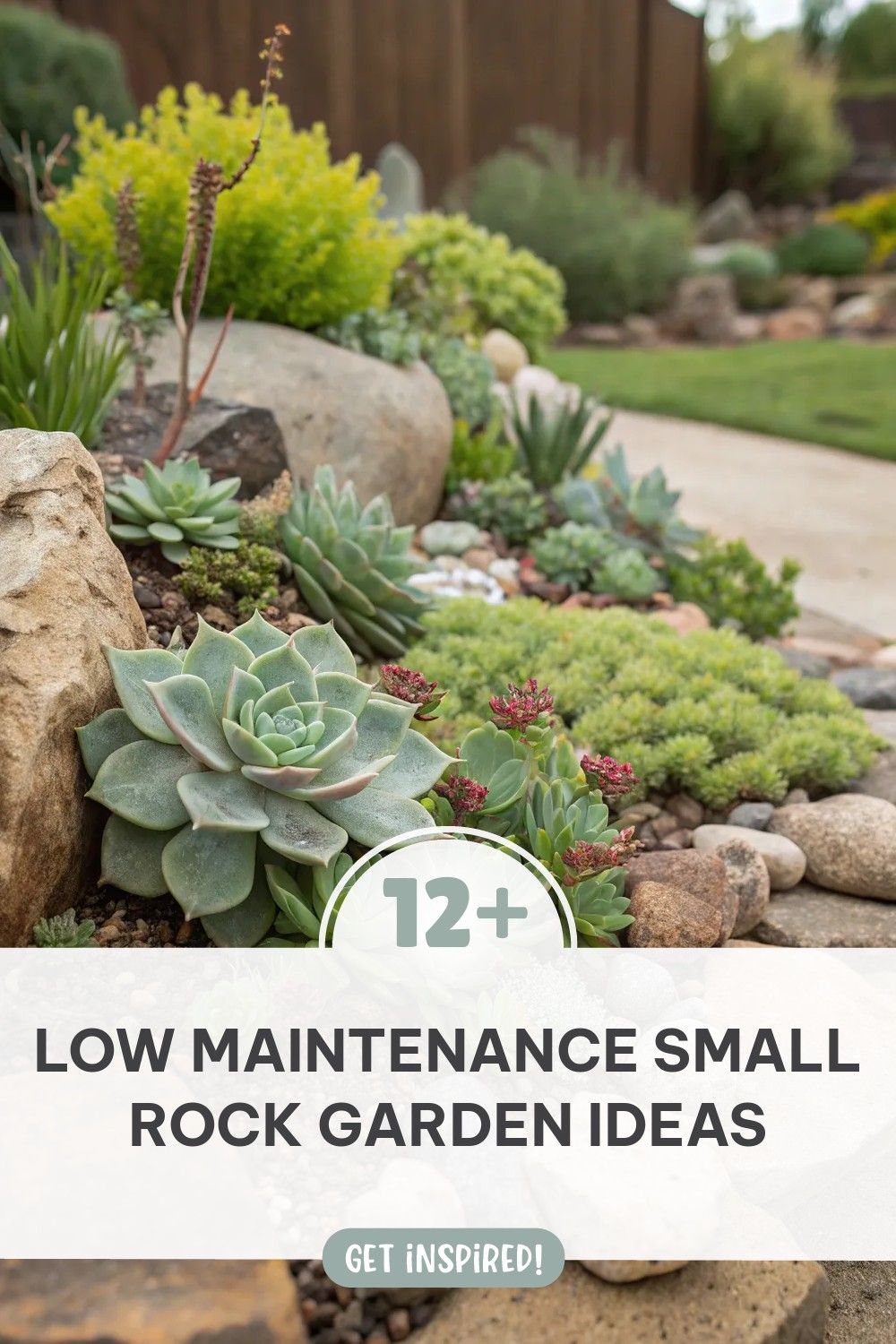
[sps_html tag=”img” src=”https://cdn.northcarolinafinearchitecture.com/2026/05/low-maintenance-small-rock-garden-ideas-gardening-know-how-intended-for-how-to-build-a-low-maintenance-rock-garden-on-any-budget-this-year.jpg” alt=”Low-Maintenance, Small Rock Garden Ideas | Gardening Know How intended for How to Build a Low Maintenance Rock Garden on Any Budget This Year” style=”width: 100%; height: auto;”]
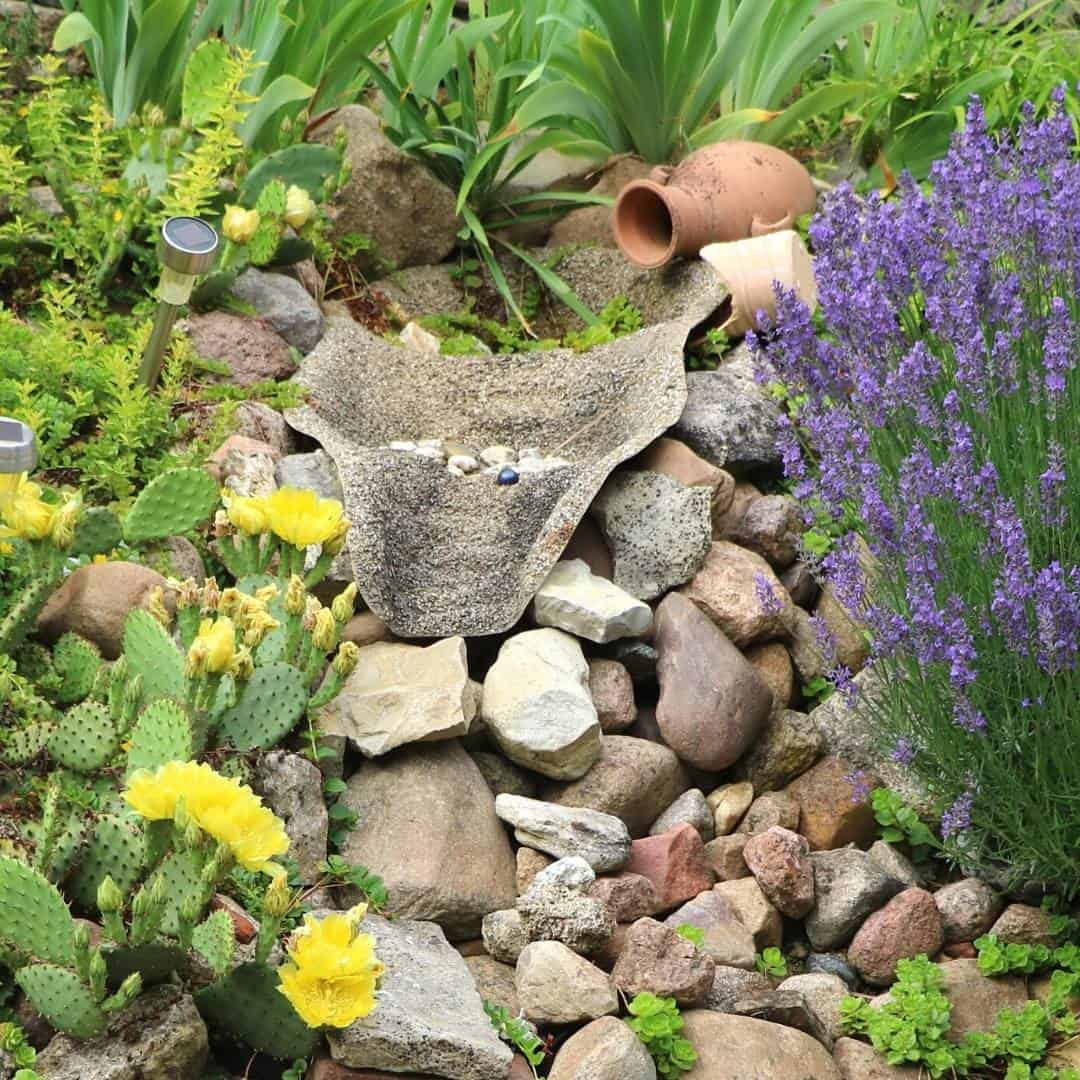
[sps_html tag=”img” src=”https://cdn.northcarolinafinearchitecture.com/2026/05/easy-simple-rock-gardens-15-rock-garden-ideas-for-low-maintenance-with-how-to-build-a-low-maintenance-rock-garden-on-any-budget-this-year.jpg” alt=”Easy Simple Rock Gardens 15 Rock Garden Ideas For Low Maintenance with How to Build a Low Maintenance Rock Garden on Any Budget This Year” style=”width: 100%; height: auto;”]
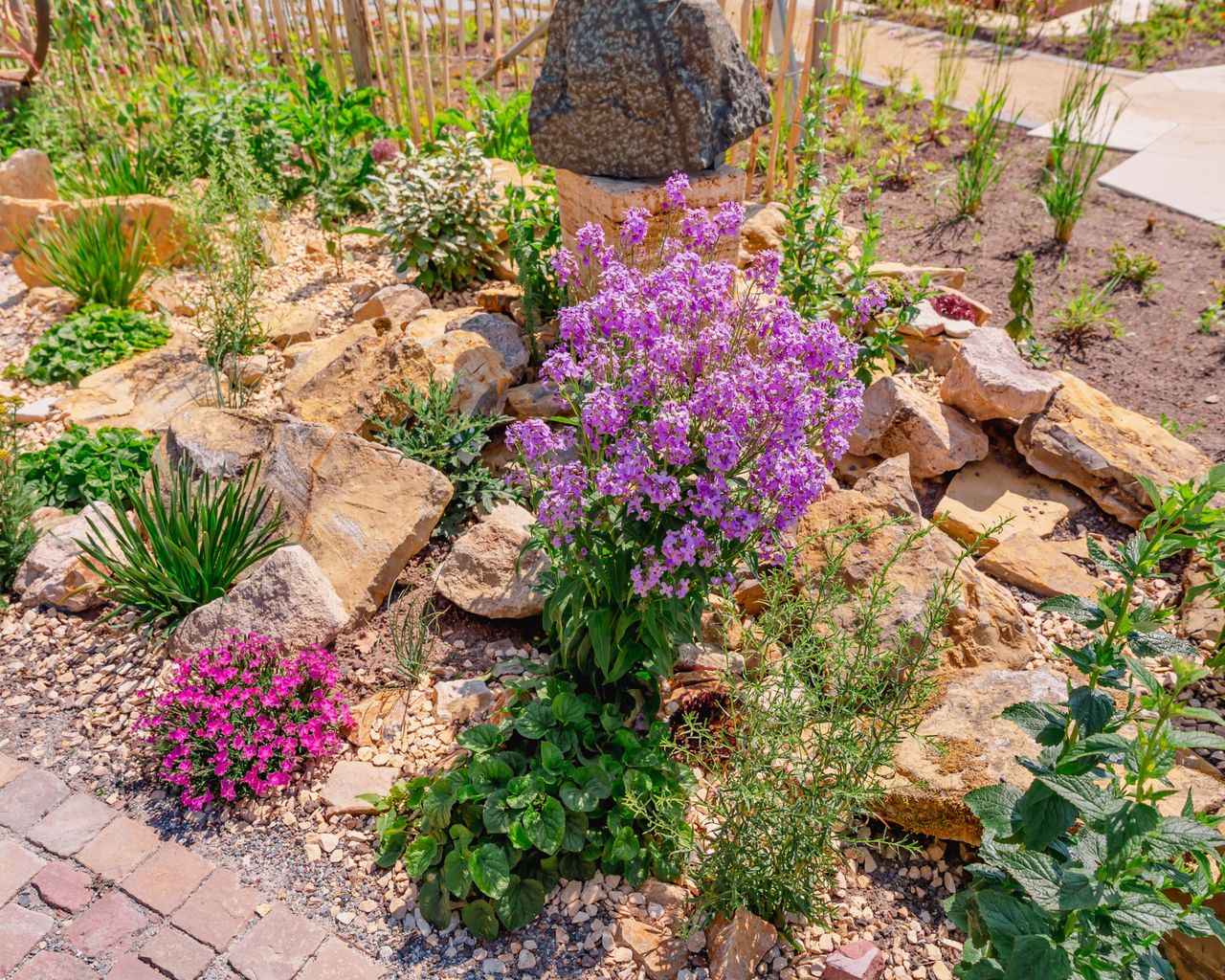
[sps_html tag=”img” src=”https://cdn.northcarolinafinearchitecture.com/2026/05/17-low-maintenance-rock-garden-ideas-to-transform-your-yard-in-2025-with-regard-to-outdoor-rock-garden-design.jpg” alt=”17+ Low Maintenance Rock Garden Ideas To Transform Your Yard In 2025 … with regard to Outdoor Rock Garden Design” style=”width: 100%; height: auto;”]
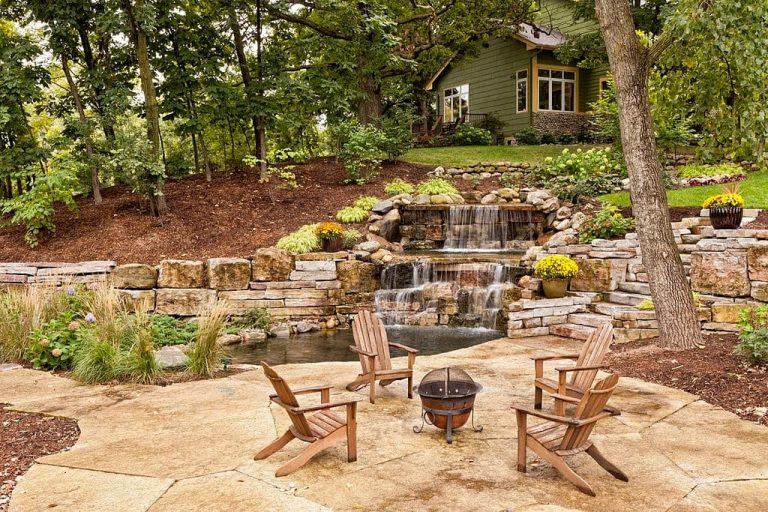
[sps_html tag=”img” src=”https://cdn.northcarolinafinearchitecture.com/2026/05/17-cheap-rock-garden-designs-for-a-low-maintenance-yard-2025-rooted-regarding-outdoor-rock-garden-design.png” alt=”17 Cheap Rock Garden Designs For A Low-Maintenance Yard 2025 - Rooted … regarding Outdoor Rock Garden Design” style=”width: 100%; height: auto;”]
[sps_html tag=”img” src=”https://cdn.northcarolinafinearchitecture.com/2026/05/effortless-rock-landscaping-for-low-upkeep-light-and-layer-within-how-to-build-a-low-maintenance-rock-garden-on-any-budget-this-year.jpg” alt=”Effortless Rock Landscaping For Low Upkeep - Light And Layer within How to Build a Low Maintenance Rock Garden on Any Budget This Year” style=”width: 100%; height: auto;”]