You know that feeling when you’re mid-sear on a perfect ribeye, the smoke is rising just right, and you realize you left the tongs inside? It breaks the flow. It kills the vibe. For years, we treated outdoor cooking like a camping trip—throw some gear on a folding table and hope for the best. But things have changed. The line between indoor luxury and outdoor ruggedness has blurred. We aren’t just grilling anymore; we are hosting, entertaining, and living out there.
Yet, here is the harsh truth that most homeowners ignore until it’s too late. Surveys show that three out of four people see their outdoor cabinets rot, rust, or warp before they even hit the 24-month mark. That is barely two summers. It’s frustrating. It’s expensive. And frankly, it’s unnecessary. Professional chefs don’t have time for gear that fails. They need tools that work as hard as they do, rain or shine. So, what exactly are they looking for when they build a space that can withstand the elements without looking like a industrial shed?
It starts with understanding the enemy. Most backyard chefs face what experts call the "triple threats": UV radiation, wild temperature swings, and relentless moisture damage. These aren’t minor inconveniences. They are cabinet killers. Choosing the right materials turns your BBQ island into a year-round gem instead of a seasonal headache. Let’s dive into what actually matters when you’re investing in storage that needs to perform under pressure.
The Material Hierarchy: Why Stainless Isn’t Always King
When you ask a pro about materials, they won’t just say "stainless steel" and walk away. It’s more nuanced than that. Yes, 304-grade stainless is the gold standard for many, but it’s not the only player in town. In 2026, we are seeing a massive shift toward marine-grade polymers and high-density composites. Why? Because steel gets hot. Really hot. If you live in Arizona or Texas, touching a stainless drawer handle at noon in July is a recipe for burned fingers. Pros look for materials that stay cool to the touch while resisting corrosion.
Marine-grade polymer is having a moment. It doesn’t rust. It doesn’t fade under UV light. And it’s incredibly tough against salt air, which is a nightmare for coastal cooks. But it’s not just about resistance. It’s about weight and structure. Cheap plastic warps. High-performance polymer maintains its shape even when loaded with heavy cast-iron skillets. The key is density. You want something that feels solid, not hollow. When you shut the door, it should sound like a bank vault, not a Tupperware container.
Don’t overlook powder-coated aluminum either. It’s lighter than steel, resists rust naturally, and takes color better. Chefs who care about aesthetics love this because it allows for customization without sacrificing durability. The finish matters too. A brushed or textured finish hides fingerprints and scratches better than a mirror polish. Remember, this is a workspace. It’s going to get messy. You want materials that age gracefully, not ones that show every splatter of marinade.
Hardware That Survives the Elements
You can have the best cabinet box in the world, but if the hinges fail, the whole unit is useless. This is where most DIY builds fall apart. Professional chefs obsess over hardware. They look for full-extension, soft-close drawer slides made specifically for outdoor use. Standard indoor slides will seize up within months due to humidity and dust. Outdoor-rated slides use sealed bearings and corrosion-resistant coatings. It’s a small detail that makes a huge difference in daily use.
Think about the handles and pulls. They need to be ergonomic. When your hands are greasy or wet, you don’t want to fumble with a tiny knob. Large, bar-style pulls are popular among pros because they are easy to grab with a towel or an elbow if needed. But more importantly, they need to be mounted securely. Nothing screams "amateur hour" like a handle that wiggles loose after a few weeks. Look for through-bolted hardware, not just screws driven into the front panel.
Locks are another underrated feature. Not necessarily for security against thieves, but for wind and safety. A good latching mechanism keeps doors from slamming open during a sudden gust. It also keeps pests out. Raccoons and rodents love the smell of leftover charcoal and grease. A tight seal with a reliable latch keeps your storage clean and your mind at ease. It’s about creating a system that works automatically, so you can focus on the food, not the furniture.
Thermal Management and Insulation
Here is a secret most people don’t think about: heat transfer. Your grill generates immense heat. If your storage units are right next to it, that heat has to go somewhere. Without proper insulation, your drawers can become ovens. Imagine reaching for a bag of chips or a bottle of wine, only to find it warm. Or worse, plastic containers melting. Pros look for cabinets with built-in thermal barriers. This might mean double-walled construction or specialized insulation panels between the outer skin and the inner storage space.
Ventilation is equally critical. Trapped heat and moisture create a breeding ground for mold and mildew. High-performance outdoor storage often includes passive venting systems. These are subtle grilles or gaps that allow air to circulate without letting rain in. It keeps the interior dry and prevents that musty smell that plagues so many outdoor closets. If you are storing linens or paper goods, this airflow is non-negotiable.
In colder climates, freeze-thaw cycles can crack cheap materials. Water gets into tiny crevices, freezes, expands, and boom—your cabinet door is split. Quality construction accounts for this expansion and contraction. Materials are chosen not just for their strength, but for their flexibility. They move with the weather, not against it. This engineering is invisible to the eye, but you feel it in the longevity of the product. It’s the difference between replacing your setup every two years and keeping it for twenty.
Ergonomics and Workflow Design
Storage isn’t just about holding stuff; it’s about how you access it. Professional chefs design their spaces around workflow. They think in terms of zones. The prep zone, the cooking zone, and the serving zone. Your storage should mirror this. Drawers for utensils should be near the prep surface. Trash and recycling bins need to be accessible but hidden. Beverage storage should be close to the seating area. It’s about minimizing steps. Every time you walk back to the indoor kitchen, you lose momentum.
Depth and height matter. Standard indoor cabinet depths don’t always work outside. You might need deeper units to accommodate large propane tanks or bulky grilling accessories. But deep drawers can be hard to reach. That’s why dividers and organizers are essential. Pros use modular inserts to keep things tidy. A jumbled drawer is useless when you’re in the middle of a cook. You need to see everything at a glance.
Consider the height of the units too. Waist-high access is ideal for frequently used items. Lower cabinets are great for heavy, rarely used gear. Upper storage is tricky outdoors because of wind and exposure, so many pros skip it entirely in favor of robust lower units. It creates a cleaner look and reduces the surface area exposed to the elements. It’s a practical choice that also happens to look sleek and modern. Simplicity wins.
Integration with Smart Tech and Utilities
We are in 2026, and our kitchens are getting smarter. Outdoor spaces are catching up. High-performance storage now often includes integrated power outlets, USB charging ports, and even Wi-Fi extenders. Why? Because we use tablets for recipes, phones for music, and smart thermometers for meat. Having a dedicated, weather-proof charging station inside a cabinet keeps devices safe and powered. It eliminates the need for ugly extension cords running across the patio.
Lighting is another tech integration that pros demand. Motion-sensor LED lights inside drawers and cabinets are a game-changer. Cooking often extends into the evening. Fumbling in the dark for a spatula is no fun. Soft, ambient lighting that activates when you open a door adds a layer of luxury and functionality. It’s not just about seeing; it’s about setting the mood. The right lighting makes the space feel inviting, not just utilitarian.
Some advanced units even include climate-controlled compartments. Think mini-fridges or wine coolers built directly into the cabinetry. These aren’t just appliances slapped into a hole; they are integrated seamlessly with proper ventilation and insulation. This level of integration requires precise planning, but it pays off in convenience. You have everything you need at your fingertips, from ice-cold beers to hot towels. It transforms the outdoor kitchen from a cooking spot into a true entertainment hub.
Finally, let’s talk about looks. Your outdoor storage shouldn’t look like it was dropped from a factory. It should complement your home and your landscape. Professionals look for designs that blend. This might mean choosing colors that match your house trim or textures that echo natural stone and wood. The goal is harmony. You want the kitchen to feel like part of the garden, not an intrusion.
Customization is key here. Many high-end manufacturers offer a range of finishes and panel options. You can clad stainless steel cabinets with wood veneers (treated for outdoors, of course) or stone veneers. This allows you to match the existing architecture. It’s about creating a cohesive visual story. When the design flows, the space feels larger and more intentional. It invites people to linger.
But aesthetics shouldn’t compromise function. A beautiful cabinet that rusts in a year is a failure. The best designs hide their toughness. They look elegant but are built like tanks. Clean lines, minimal visible hardware, and seamless joints create a sophisticated look. It’s understated. It doesn’t shout for attention; it earns it through quality. When you get it right, your guests might not even notice the cabinets—they’ll just notice how easy and enjoyable it is to be there. That is the ultimate compliment.
So, where does this leave us? Building a high-performance outdoor storage system isn’t just about buying the most expensive box. It’s about understanding the environment, respecting the workflow, and choosing materials that stand the test of time. It’s about avoiding the common pitfalls that cause three out of four setups to fail within two years. By focusing on marine-grade materials, robust hardware, thermal management, ergonomic design, smart integration, and cohesive aesthetics, you create a space that works as hard as you do.
Think of it as an investment in your lifestyle. Every time you step out to cook, you want the experience to be seamless. You want to grab a tool without thinking. You want to know your gear is safe from the rain and the raccoons. You want to impress your friends not just with your cooking, but with the space itself. It’s possible. It just takes a bit of forethought and a willingness to look beyond the price tag.
Don’t settle for the quick fix. Don’t buy the cabinet that looks good in the showroom but falls apart in the sun. Do your homework. Ask about the grade of steel. Check the warranty on the slides. Feel the weight of the doors. These small checks add up to a big difference in the long run. Your future self, standing over a perfectly grilled steak on a rainy Tuesday night, will thank you.
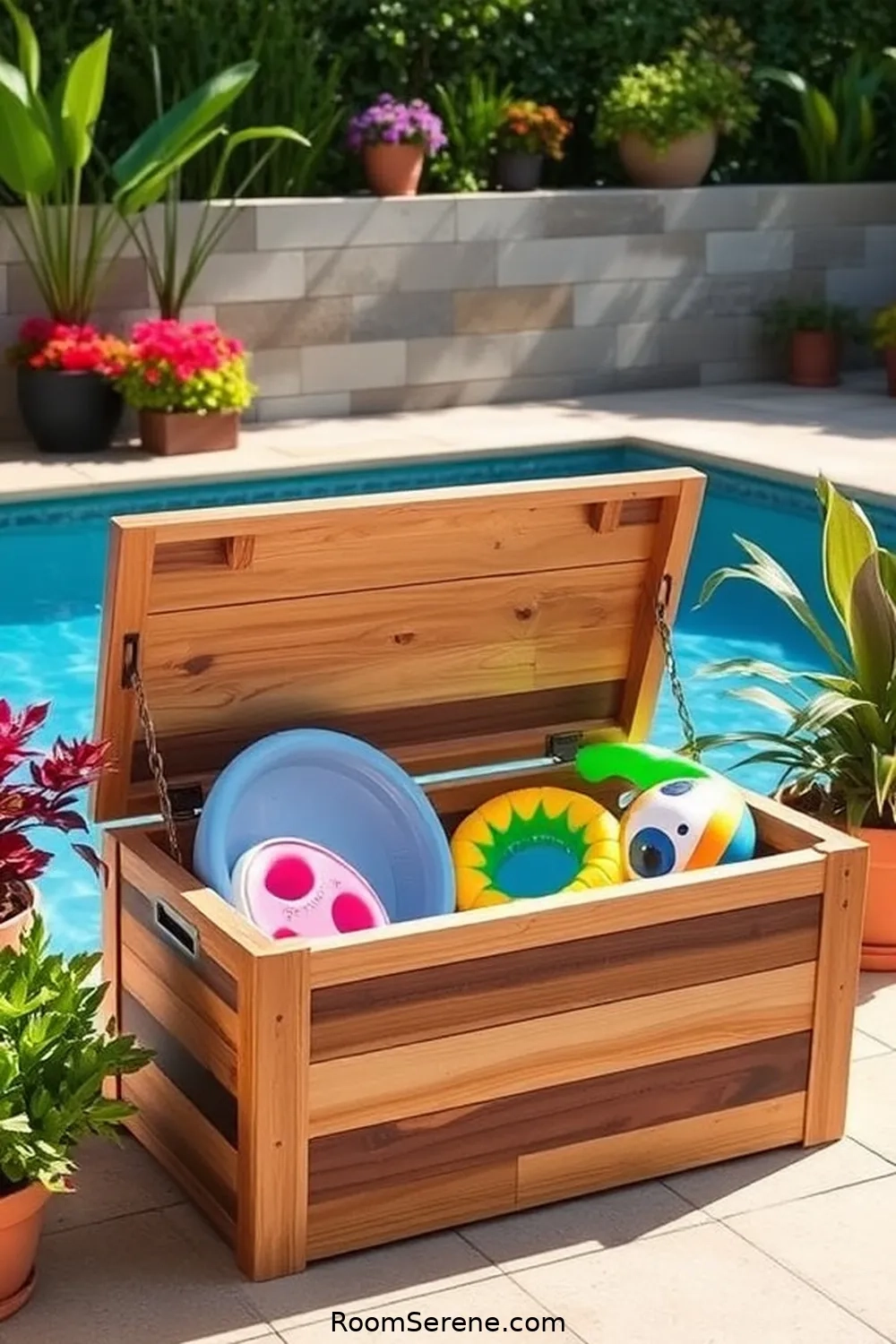
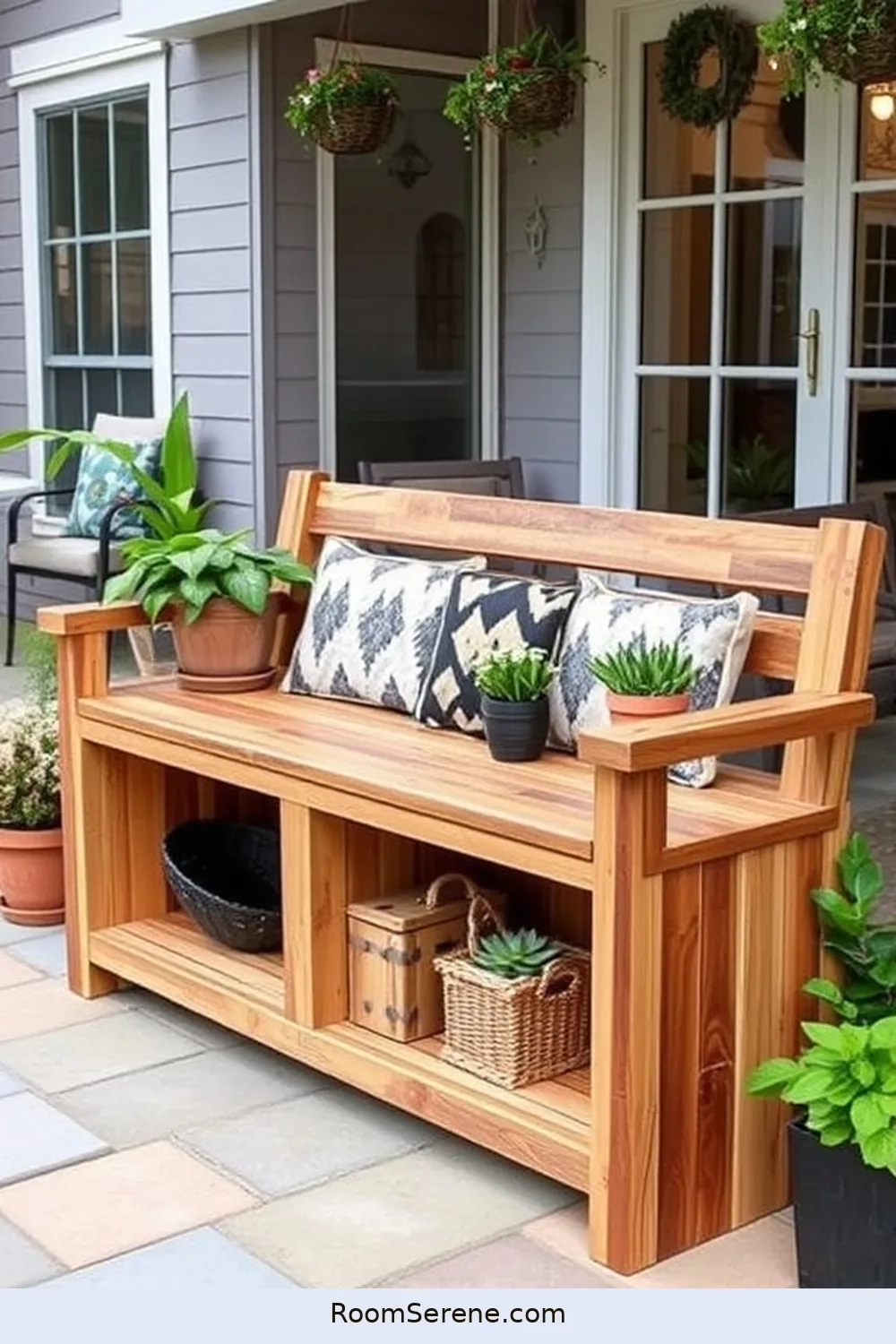
[sps_html tag=”img” src=”https://cdn.northcarolinafinearchitecture.com/2026/05/20-clever-diy-hidden-storage-ideas-learn-how-to-inside-transforming-cluttered-patios-with-invisible-drawer-storage-solutions.jpg” alt=”20 Clever Diy Hidden Storage Ideas (Learn How To) inside Transforming Cluttered Patios with Invisible Drawer Storage Solutions” style=”width: 100%; height: auto;”]
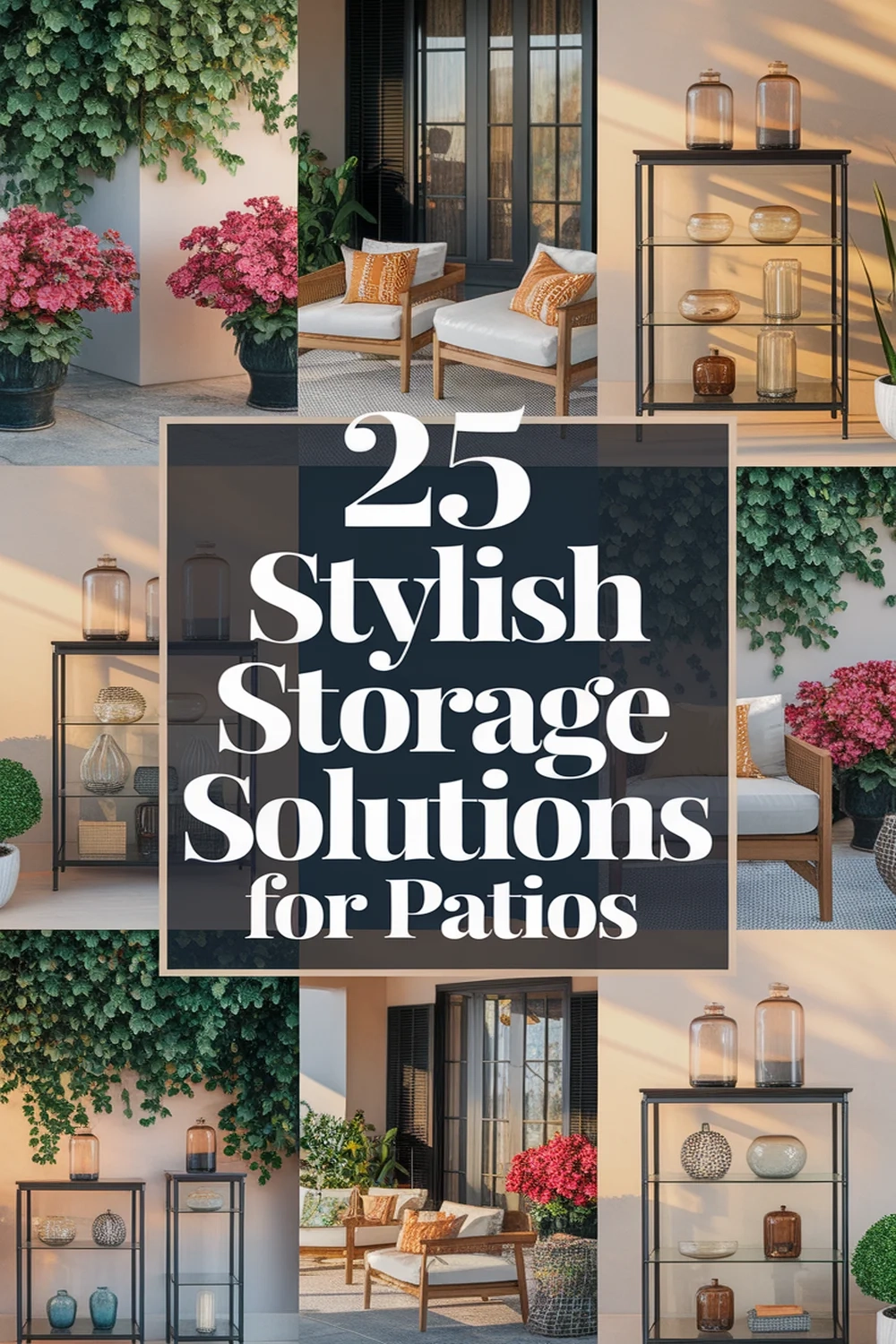
[sps_html tag=”img” src=”https://cdn.northcarolinafinearchitecture.com/2026/05/25-glass-storage-solutions-for-stylish-outdoor-patios-room-serene-pertaining-to-outdoor-drawer-design.webp” alt=”25 Glass Storage Solutions For Stylish Outdoor Patios - Room Serene pertaining to Outdoor Drawer Design” style=”width: 100%; height: auto;”]
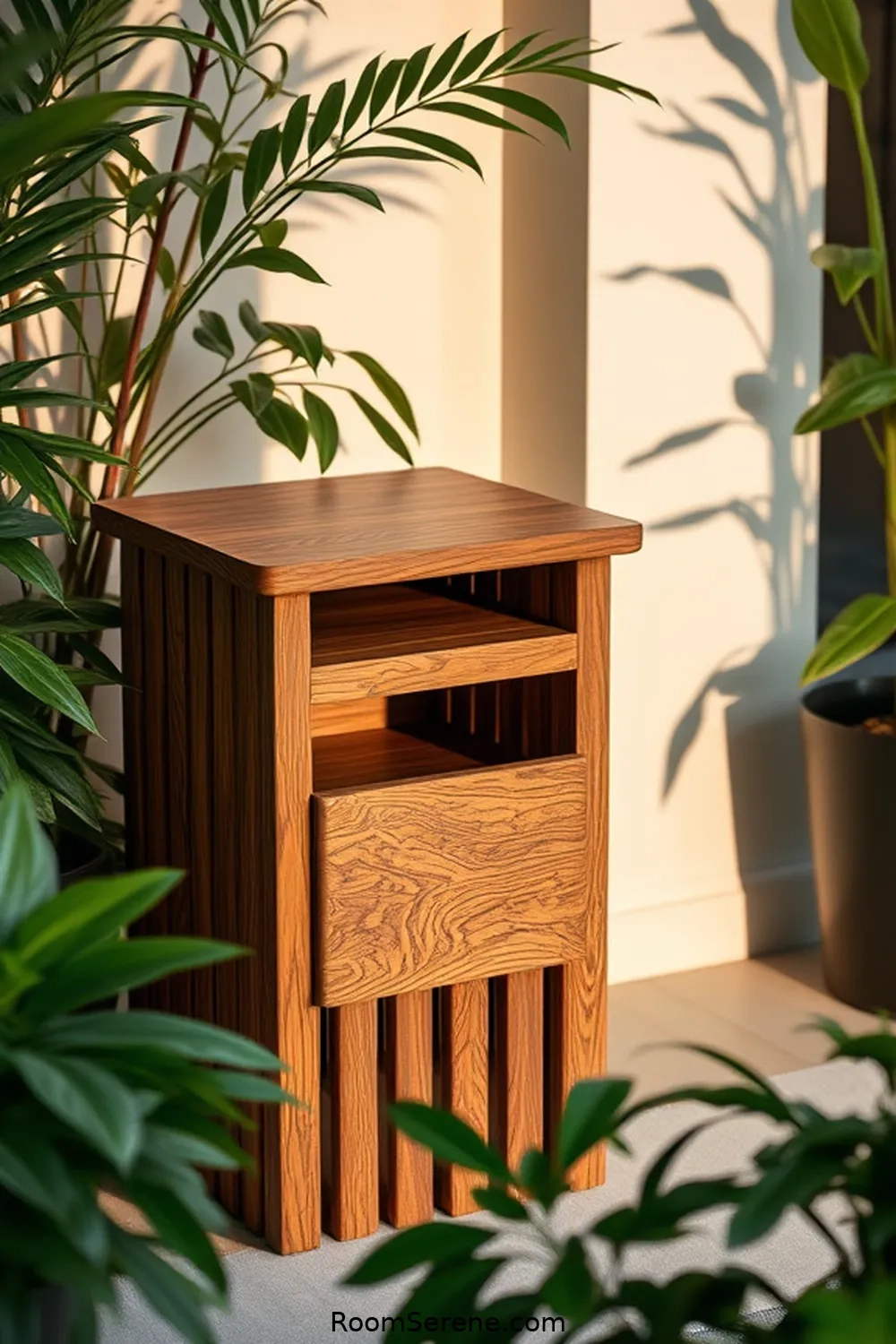
[sps_html tag=”img” src=”https://cdn.northcarolinafinearchitecture.com/2026/05/innovative-storage-solutions-for-outdoor-patios-using-reclaimed-regarding-outdoor-drawer-design.webp” alt=”Innovative Storage Solutions For Outdoor Patios Using Reclaimed … regarding Outdoor Drawer Design” style=”width: 100%; height: auto;”]
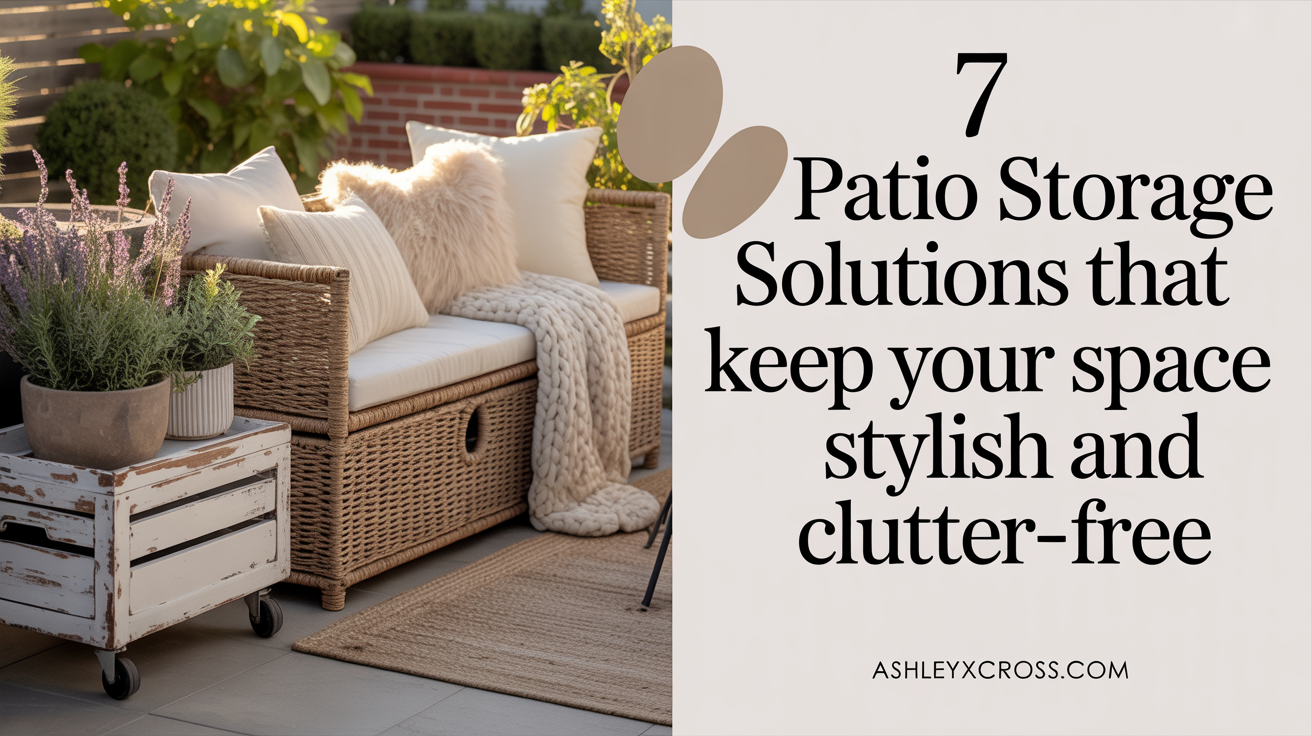
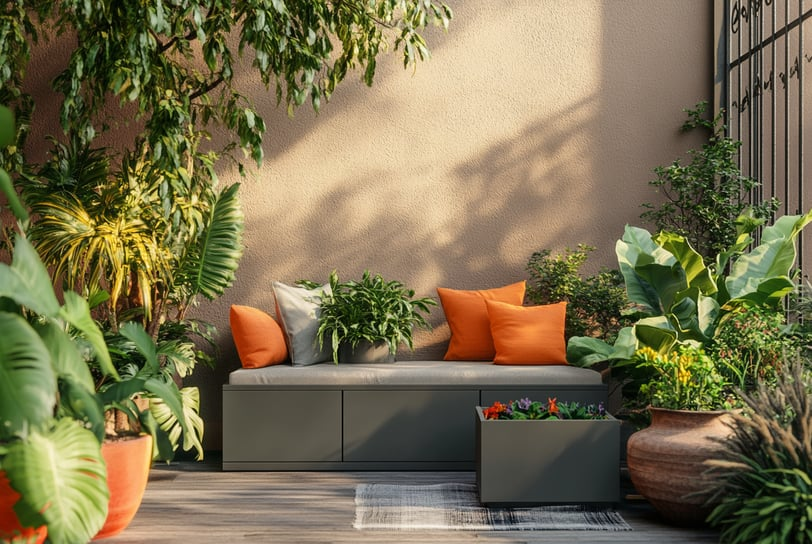
[sps_html tag=”img” src=”https://cdn.northcarolinafinearchitecture.com/2026/05/10-smart-outdoor-storage-solutions-for-a-clutter-free-patio-breeze-pertaining-to-outdoor-drawer-design.png” alt=”10 Smart Outdoor Storage Solutions For A Clutter-Free Patio | Breeze … pertaining to Outdoor Drawer Design” style=”width: 100%; height: auto;”]
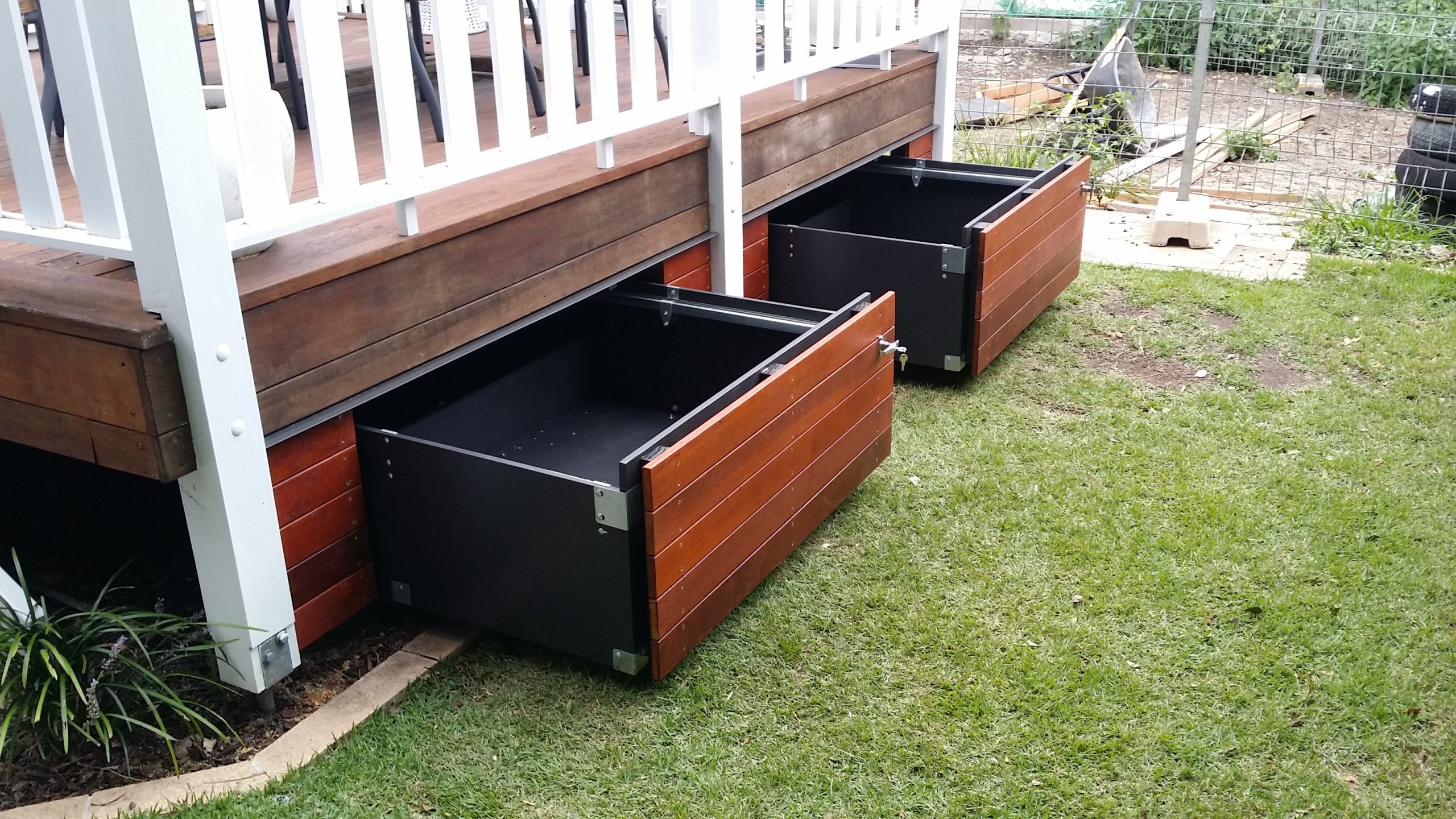
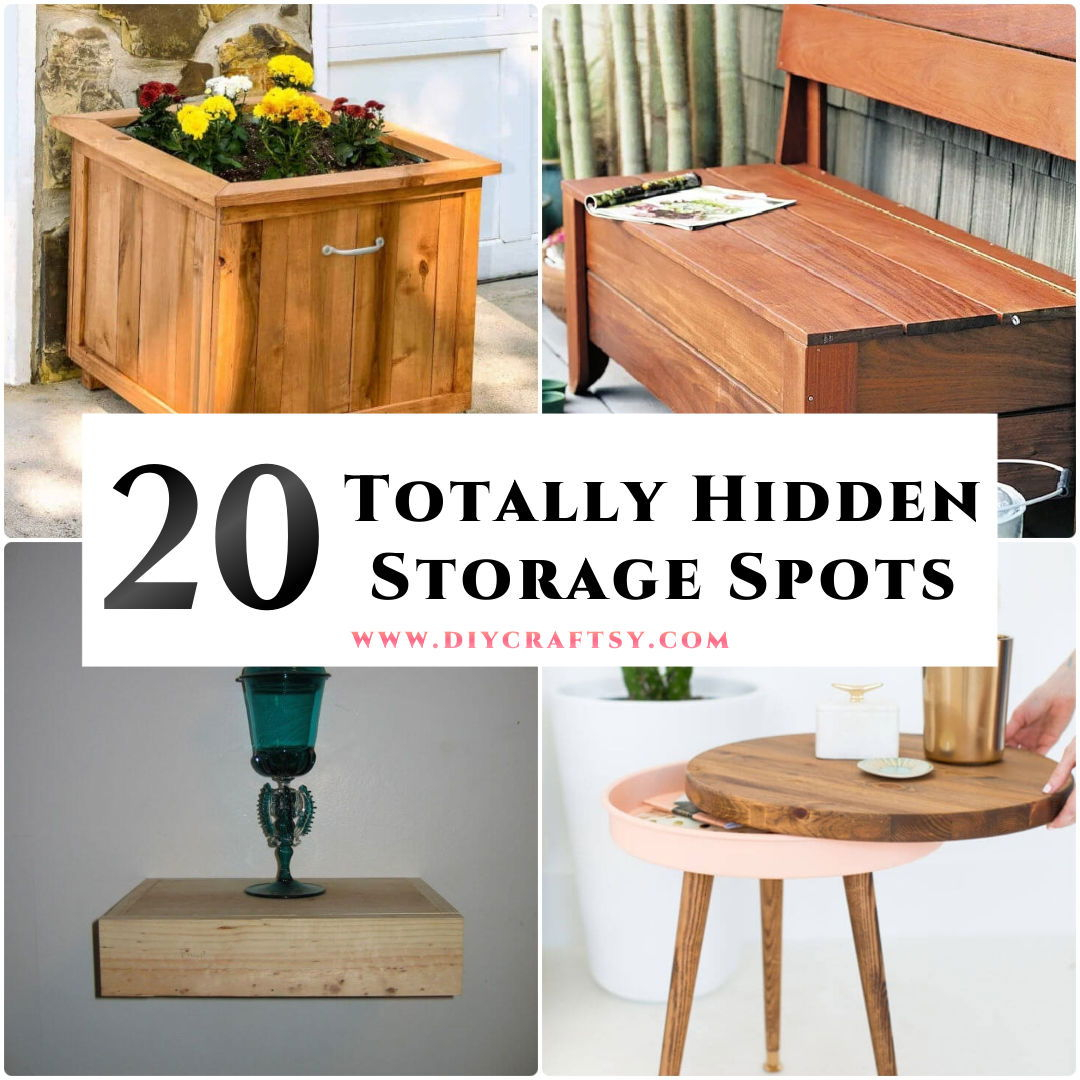
[sps_html tag=”img” src=”https://cdn.northcarolinafinearchitecture.com/2026/05/patio-diy-storage-ideas-throughout-outdoor-drawer-design-scaled.jpg” alt=”Patio Diy Storage Ideas throughout Outdoor Drawer Design” style=”width: 100%; height: auto;”]