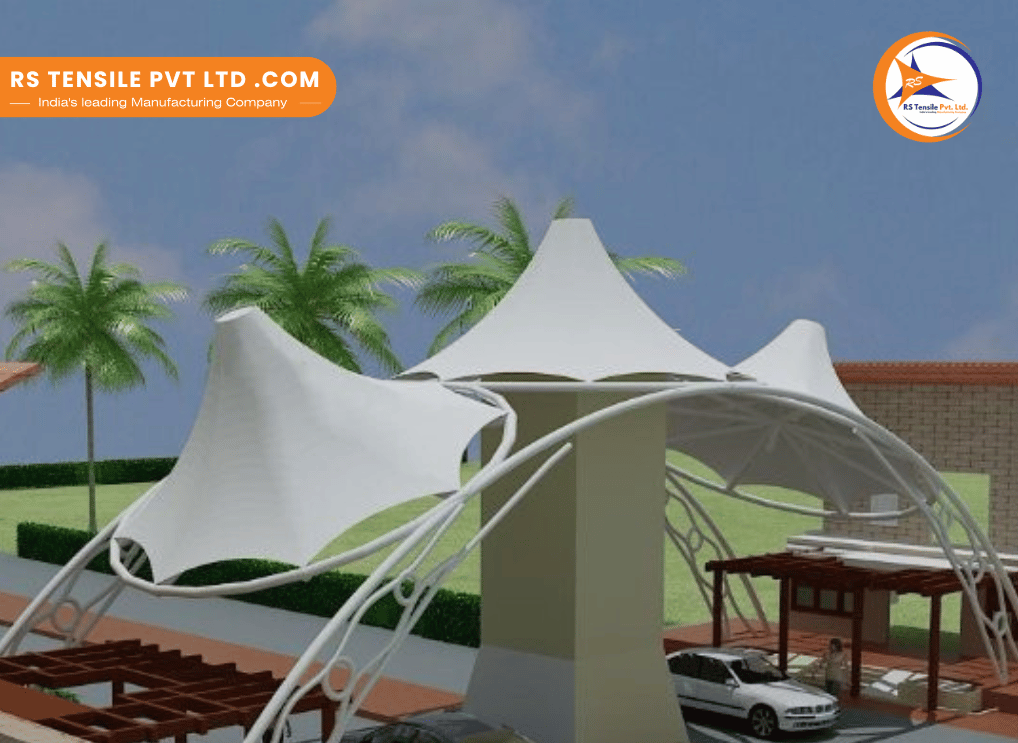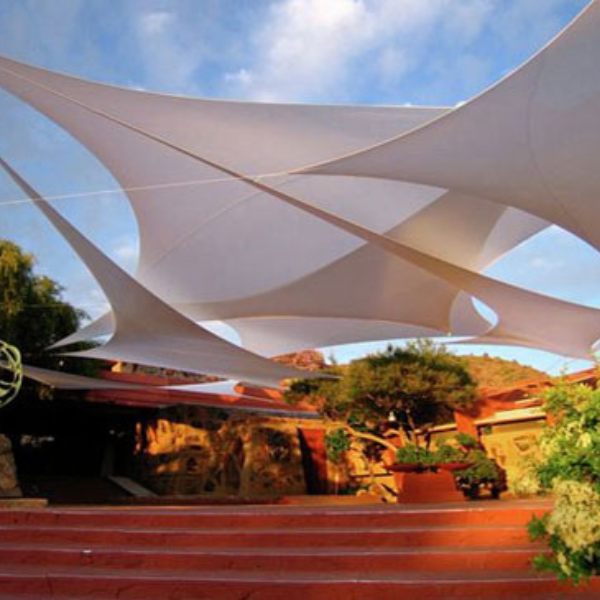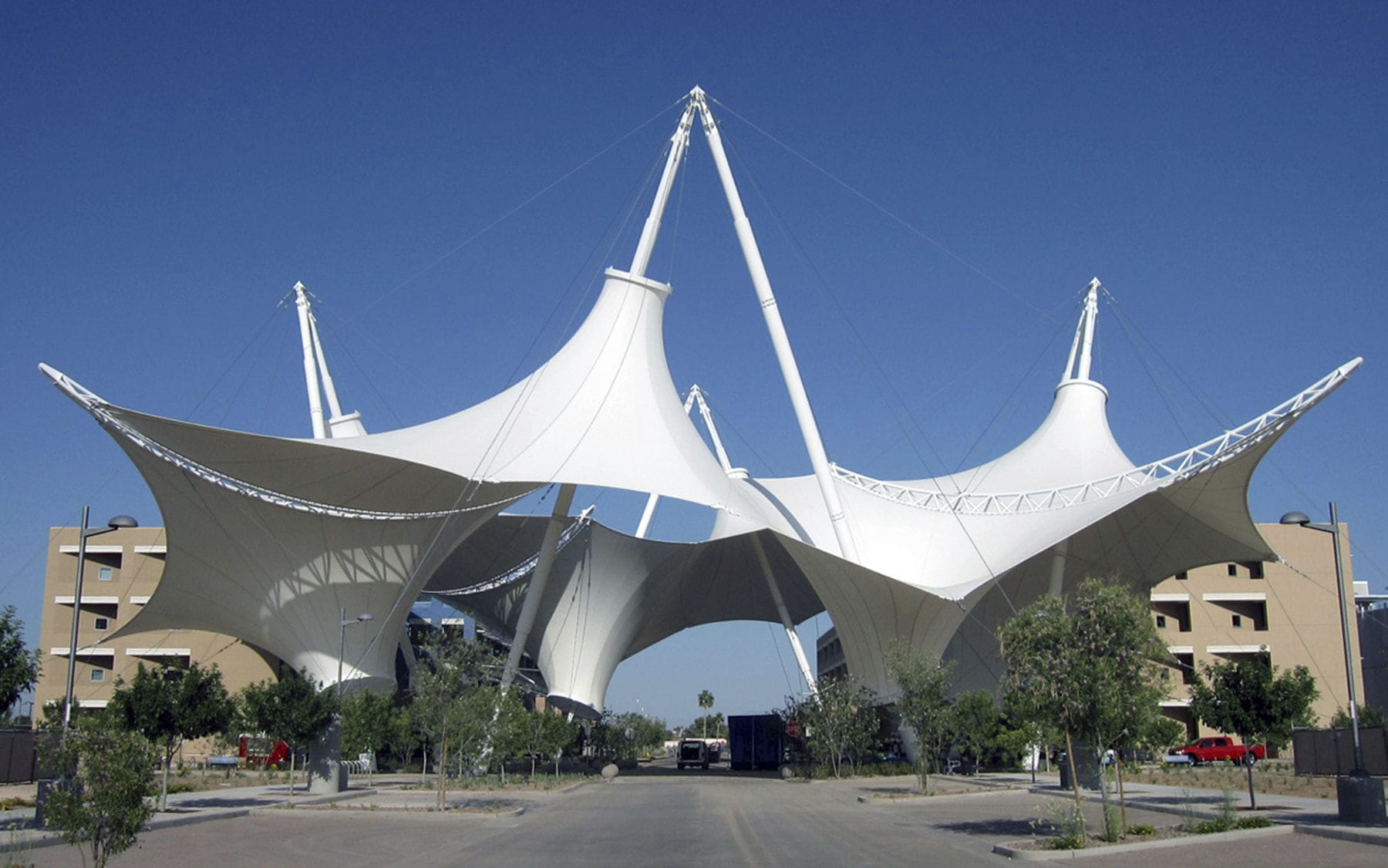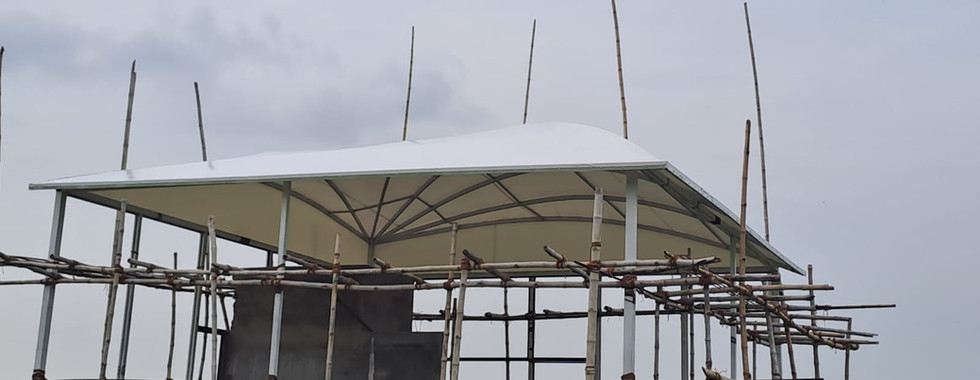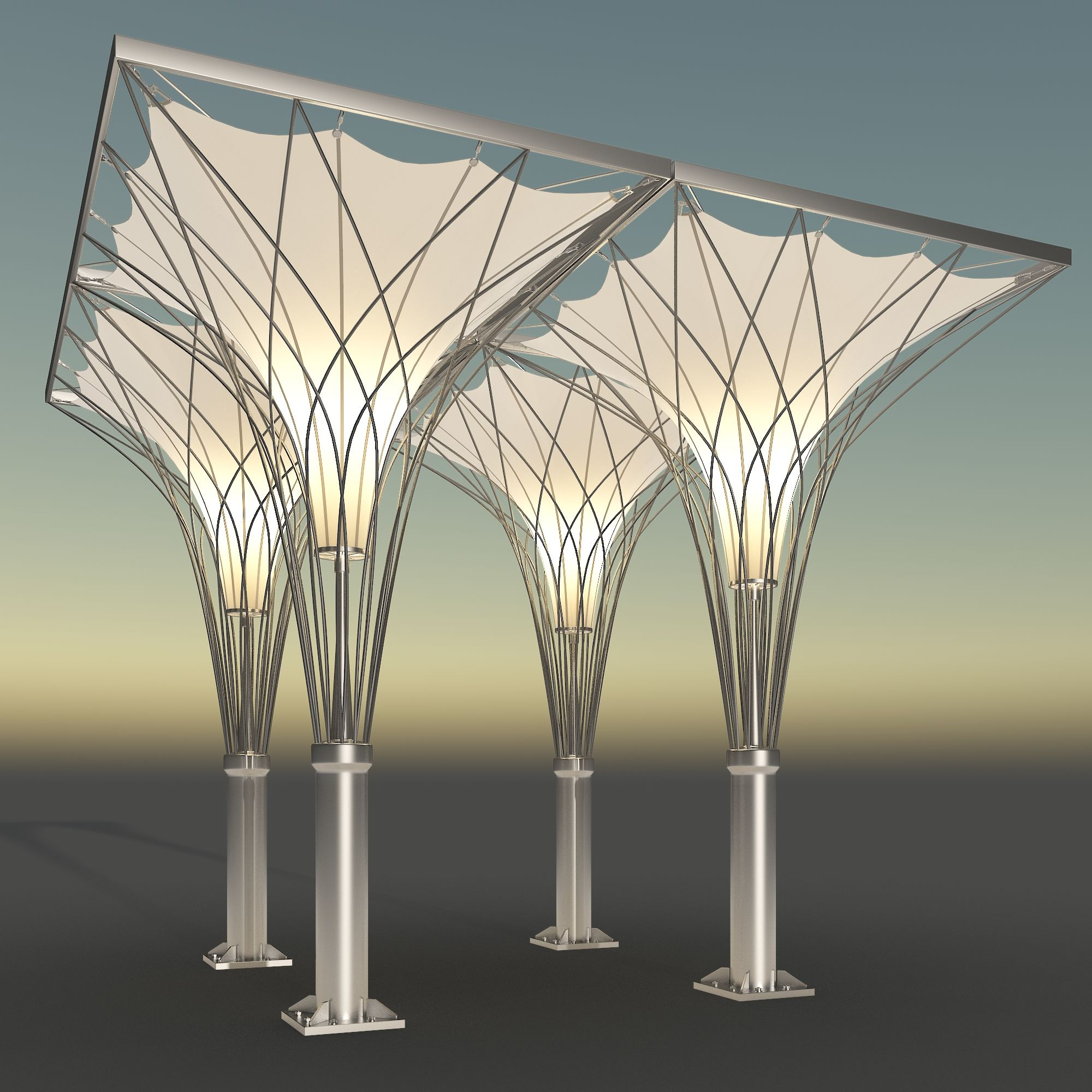
We’ve all seen them. Those sweeping, white canopies that look like frozen waves over a stadium entrance or a sleek outdoor dining area. They’re beautiful. They feel light, almost magical. But here’s the thing about magic tricks: if you don’t know how they work, you might not realize how much tension is holding everything together. Literally.
Fabric structures aren’t just big tents. They are complex engineering feats where every square inch of material is under stress, pulling against steel cables and masts. When things go wrong with these projects, it’s rarely because the fabric tore on its own. It’s usually because someone treated the fabric like an afterthought. A pretty skin to slap on at the end. That mindset is dangerous. And in 2026, with stricter safety regulations and tighter budgets, it’s a risk nobody can afford to take.
The Illusion of Simplicity
It’s easy to look at a tensile membrane structure and think, “How hard can it be? It’s just cloth and poles.” This assumption is the root cause of nearly every major failure in the industry. Architects might design a stunning curve, envisioning how the light will filter through the PTFE or ETFE material. But without early input from a structural engineer who specializes in form-finding, that beautiful curve might be physically impossible to build without creating weak points.
When you wait until the design is nearly finished to bring in the specialists, you’re essentially painting yourself into a corner. The traditional procurement model often keeps contractors and specialist suppliers on the sidelines until the detailed design is done. By then, the decisions are locked in. If the specialist says, “Hey, this anchor point won’t hold the wind load,” the response is often panic. Do we redesign the whole thing? Do we use expensive, oversized steel to compensate? Or do we just hope it holds? None of those are good options.
Early involvement changes the conversation entirely. Instead of reacting to problems, the team prevents them. As noted in recent industry guidance, involving Tier 1 contractors and even Tier 2 and 3 subcontractors during the pre-construction phase allows for input on product standards and interfaces before a single drawing is finalized. This isn’t just about saving money; it’s about ensuring the physics of the structure actually work.
Safety Isn’t an Add-On, It’s a Foundation
Let’s talk about safety. Not the kind where you wear a hard hat (though you should), but the kind built into the DNA of the project. In the construction world, there’s a growing movement called “Safety in Design.” The idea is simple: the safest way to handle a risk is to design it out completely. For fabric structures, this is critical. These structures are highly sensitive to wind, snow, and dynamic loads. A small error in calculating pre-stress can lead to ponding—where water collects in a low spot—adding weight that causes further sagging, leading to catastrophic failure.
If you bring in the structural experts late, they are limited to checking boxes. They can verify if the current design meets code, but they can’t easily change the fundamental geometry to make it safer. However, when they are involved from day one, they can shape the design. They can suggest slight adjustments to the curvature that shed water naturally. They can specify connection details that are easier and safer for installers to reach. This proactive approach aligns with the insights shared during Construction Safety Week in May 2026, which emphasized that early decisions are what truly shape safer projects.
Think about the people who will eventually maintain this structure. Will they need to climb precarious ladders to tighten a cable? Or did the early team design accessible catwalks? These aren’t just comfort issues; they are life-safety issues. By integrating safety considerations into the earliest sketches, you protect the workers who build it and the public who uses it.
The Cost of Being Late
Money talks. And in construction, it screams when things go wrong. One of the biggest myths in project management is that hiring consultants early adds unnecessary cost. The opposite is true. The cost of change increases exponentially as a project progresses. A change made during the conceptual sketch phase might cost a few hours of drafting time. That same change, made during fabrication, could mean scrapping tons of custom-cut steel and re-weaving panels of expensive membrane material.
Early Contractor Involvement (ECI) has been proven to reduce the potential for costly rework. When contractors can weigh in on buildability and sequencing before the design is frozen, they can identify clashes and logistical nightmares. For example, a specialist installer might point out that the proposed crane placement won’t work due to site constraints. If you catch this early, you just move the mast location by two feet. If you catch it on installation day, you’re renting a larger crane, delaying the schedule, and paying overtime.
Moreover, early specification allows for better budget accuracy. Fabric materials vary wildly in price and performance. An early dialogue helps the client understand the trade-offs. Do you need the 25-year lifespan of PTFE, or is PVC coated polyester sufficient for this temporary pavilion? Making these choices upfront prevents value-engineering cuts later that compromise quality. It’s about spending smart, not just spending less.
Bridging the Communication Gap
Construction projects are often siloed. The architect speaks in aesthetics. The engineer speaks in loads and forces. The contractor speaks in schedules and logistics. And the fabric supplier speaks in material properties. When these groups don’t talk until the end, vital information gets lost in translation. This is where the concept of Early Supply Chain Involvement (ESI) becomes a game-changer.
Imagine a scenario where the architect designs a connection detail that looks clean and minimal. Without early input, no one realizes that the fabric supplier needs an extra three inches of material to clamp it properly. The result? The installer has to stretch the fabric beyond its safe limit to make it fit, or worse, cut corners on site. By engaging the supply chain early, these interface issues are resolved on paper, not in the field.
This collaboration also fosters innovation. When a structural engineer and a fabric manufacturer sit down together at the start, they can explore new possibilities. Maybe there’s a new translucent mesh that offers better shade while reducing wind load. Maybe a new cutting pattern reduces waste by 15%. These opportunities only appear when the right people are in the room at the right time. It turns a transactional relationship into a partnership.
Navigating the Regulatory Maze
In 2026, building codes and environmental regulations are more complex than ever. Permitting for non-standard structures like tensile membranes can be a bureaucratic nightmare if the documentation isn’t perfect. Local authorities often struggle to evaluate fabric structures because they don’t behave like traditional buildings. They move. They breathe. They react dynamically to weather.
Having specialized input early means your permit application is robust from the start. Structural engineers experienced in this niche know exactly what data the reviewers need. They can provide clear calculations for wind tunnel testing or snow load scenarios. This accelerates the permitting process significantly. As highlighted by industry experts, early structural input leads to accelerated permitting because the risks are clearly identified and mitigated in the submission.
Furthermore, sustainability standards are tightening. Clients want to know the carbon footprint of their materials. Early involvement allows the team to select materials that meet these green criteria without sacrificing performance. You can plan for recyclability and energy efficiency in the manufacturing process. Trying to retrofit sustainability into a finished design is nearly impossible. Doing it from the beginning is just good planning.
Let’s look at a practical example. Consider a recent project for a community amphitheater. The initial design featured a dramatic, cantilevered canopy. The architect loved the look. But during the early engagement phase, the structural consultant flagged a issue: the torsion on the main mast would require a foundation so large it would eat up half the budget.
Because this was caught early, the team didn’t scrap the design. They tweaked it. They added a subtle back-stay cable that wasn’t visible from the audience’s perspective. This small change reduced the load on the mast by 40%, allowing for a much smaller, cheaper foundation. The aesthetic remained intact, but the project stayed on budget and, more importantly, was structurally sound.
Contrast this with a project where the specialist was brought in late. The team had to reinforce the existing steel with bulky plates, ruining the sleek lines of the design. The client was unhappy, the contractor was frustrated, and the final cost blew past the estimate. These stories play out every day. The difference between success and failure is often just timing. It’s about respecting the complexity of the medium and giving it the attention it deserves from the start.
So, what’s the takeaway? Don’t treat fabric structures as an accessory. Treat them as the primary structural system they are. Bring in the experts—the engineers, the installers, the suppliers—when the first lines are being drawn. Listen to their advice. It might seem like extra work upfront, but it’s the insurance policy that ensures your project stands tall, safe, and beautiful for years to come. In the end, the best fabric structures are the ones where you never see the effort, only the elegance. And that elegance is built on a foundation of early, specialized collaboration.
[sps_html tag=”img” src=”https://cdn.northcarolinafinearchitecture.com/2026/05/cable-and-membrane-tensile-structure-mast-supported-tensile-intended-for-fabric-structure-design.jpg” alt=”Cable-And-Membrane Tensile Structure - Mast-Supported Tensile … intended for Fabric Structure Design” style=”width: 100%; height: auto;”]
[sps_html tag=”img” src=”https://cdn.northcarolinafinearchitecture.com/2026/05/tensile-shelter-3d-model-59-max-fbx-free3d-with-regard-to-from-concept-to-completion-of-innovative-tensile-shelter-solutions.jpg” alt=”Tensile Shelter 3D Model $59 - .Max .Fbx - Free3D with regard to From concept to completion of innovative tensile shelter solutions” style=”width: 100%; height: auto;”]
[sps_html tag=”img” src=”https://cdn.northcarolinafinearchitecture.com/2026/05/entrance-tensile-structures-in-noida-expert-solutions-by-rs-tensile-regarding-from-concept-to-completion-of-innovative-tensile-shelter-solutions.png” alt=”Entrance Tensile Structures In Noida - Expert Solutions By Rs Tensile regarding From concept to completion of innovative tensile shelter solutions” style=”width: 100%; height: auto;”]
[sps_html tag=”img” src=”https://cdn.northcarolinafinearchitecture.com/2026/05/elevate-spaces-with-innovative-tensile-membrane-structures-emirfab-intended-for-fabric-structure-design.png” alt=”Elevate Spaces With Innovative Tensile Membrane Structures | Emirfab intended for Fabric Structure Design” style=”width: 100%; height: auto;”]
[sps_html tag=”img” src=”https://cdn.northcarolinafinearchitecture.com/2026/05/from-concept-to-completion-a-step-by-step-manual-for-tensile-membrane-regarding-fabric-structure-design.jpeg” alt=”From Concept To Completion: A Step-By-Step Manual For Tensile Membrane … regarding Fabric Structure Design” style=”width: 100%; height: auto;”]