You’ve probably walked past a building under construction and barely glanced at the skeleton rising behind the drywall. It’s just metal, right? Thin, shiny strips bent into shapes. But look closer. Look at the joints. See those tiny, self-drilling screws biting into the steel? They’re small. Unassuming. Almost invisible once the walls are closed up. Yet, they are the unsung heroes keeping the roof from caving in and the walls from buckling under wind or snow.
It’s easy to overlook them. We tend to focus on the big beams, the heavy columns, the dramatic arches. But in the world of cold-formed steel (CFS), the devil isn’t just in the details—it is the details. And nothing is more detailed, or more critical, than the connection. A single screw, placed incorrectly or chosen poorly, can compromise an entire structure. It’s not about over-engineering; it’s about understanding the delicate dance between thin metal sheets and the fasteners that hold them together. In 2026, as we push for lighter, more sustainable buildings, getting this right matters more than ever.
So, why do we care so much about these little bits of hardware? Because cold-formed steel behaves differently than the heavy, hot-rolled steel you see in bridges or skyscrapers. It’s thinner. More flexible. Prone to buckling in ways that can surprise even seasoned engineers if they aren’t paying attention. The screw isn’t just a pin; it’s a load transfer device, a stiffener, and sometimes, a weak point. Designing with them requires a shift in mindset. You can’t just slap them in and hope for the best. You have to think like the steel thinks.
The Unique Challenge of Thin-Walled Steel
Cold-formed steel is amazing stuff. It’s strong, lightweight, and recyclable. But its thinness creates unique challenges. When you drill a hole or drive a screw into a thick plate, the material around it barely notices. In CFS, which can be as thin as a credit card, that same action creates stress concentrations. It changes how the member behaves. Suddenly, local buckling becomes a real threat. The steel might crumple or distort right around the fastener before the main beam even reaches its full strength potential.
This is where the old rules of thumb fail. You can’t treat CFS connections like traditional steel connections. The standards, like the AISI S100 North American Specification or the Eurocode 3 Part 1-3, recognize this. They don’t just give you a table of "use this screw for this load." They force you to consider failure modes that don’t exist in heavier steel. Tearing out. Bearing failure. Pull-through. These aren’t just technical terms; they’re physical realities. If the screw head pulls through the thin sheet, the connection fails. If the sheet tears around the screw hole, the connection fails. It’s a fragile balance.
Designers today have to manage four specific categories of problems, as noted in European guidelines, that characterize these thin-walled structures. It’s not just about strength; it’s about stability. The screw layout affects the ductility of the whole system. A tightly spaced row of screws might seem safer, but it can actually reduce the deformation capacity, making the structure brittle. Too far apart, and the sheets buckle between them. It’s a Goldilocks problem. You need the spacing to be just right. And in 2026, with computer modeling allowing us to simulate these behaviors in real-time, we have no excuse for guessing.
Choosing the Right Screw for the Job
Not all screws are created equal. This seems obvious, but you’d be surprised how often the wrong fastener ends up on a job site. For cold-formed steel, you typically use self-drilling, self-tapping screws. They drill their own hole and form their own threads. Convenient? Yes. But the geometry matters immensely. The diameter, the thread pitch, the head shape—each plays a role. A larger diameter screw offers more bearing area, reducing the risk of pull-through. But it also removes more material when drilling, potentially weakening the sheet.
Material compatibility is another huge factor. You’re joining steel to steel, usually. But what kind of steel? High-strength low-alloy? Galvanized? The hardness of the screw must match the hardness of the connected members. If the screw is too hard, it might snap under shear loads. If it’s too soft, the threads might strip out. Recent technical notes from industry groups like CFSEI emphasize the importance of testing specific combinations. You can’t just assume a screw rated for one application works for another. The yield strength of the steel and the nominal diameter of the screw are key variables in the design equations, as outlined in older European recommendations and still relevant today.
Then there’s the coating. Corrosion is the silent killer of steel structures. In 2026, sustainability isn’t just a buzzword; it’s a requirement. Using screws with appropriate coatings—like zinc-aluminum or specialized polymer coatings—ensures longevity. But here’s the catch: the coating adds thickness. It affects the fit. It can change the torque required for installation. If you overtighten a coated screw, you might strip the threads or damage the coating, exposing the bare metal to rust. It’s a chain reaction. One small oversight in selection leads to a cascade of potential failures down the line.
Layout, Spacing, and the Geometry of Safety
Where you put the screws is just as important as which ones you use. Research published in recent years, including studies in MDPI journals, has shown that screw layout significantly impacts structural performance. It’s not just about holding two pieces together; it’s about controlling how they move relative to each other. In shear connections, for example, the arrangement of screws determines how the load is distributed. A single row of screws might cause uneven stress, leading to premature failure on one side. Multiple rows, properly staggered, can distribute the load more evenly.
Spacing is critical. Too close, and you risk "net section rupture," where the steel between the holes tears apart like a perforated stamp. Too far, and the connected plates might slip or buckle locally between the fasteners. The codes provide minimum and maximum spacing requirements, but these are baselines. Smart designers look beyond the minimums. They consider the specific load paths. Where is the force coming from? Where is it going? Aligning screws with the primary load path reduces eccentricity, which in turn reduces twisting moments on the connection. Twisting is bad. It introduces stresses that the thin steel isn’t designed to handle.
Hole geometry also plays a subtle but vital role. Standard round holes are common, but slotted holes or oversized holes are sometimes used to accommodate construction tolerances. However, these change the bearing behavior. A screw in a slotted hole has room to move before it engages the steel fully. This "slip" can be useful for absorbing energy during seismic events, adding ductility to the structure. But it also means the connection is looser under normal service loads. Designers must decide if that trade-off is acceptable. In high-wind zones or seismic areas, controlling that slip through precise layout and possibly using washers or specialized clips becomes a key part of the safety strategy.
Understanding Failure Modes: What Goes Wrong?
To design safely, you have to know how things break. It sounds morbid, but it’s essential. In cold-formed steel screwed connections, there are several distinct failure modes. First, there’s shear failure of the screw itself. The screw snaps. This is rare if the screw is properly specified, but it happens if the load exceeds the screw’s shear capacity. Second, there’s bearing failure. The steel deforms around the screw hole, elongating it. This is a ductile failure, meaning it gives warning. It stretches before it breaks. Engineers often prefer this mode because it’s predictable.
Then there’s pull-through failure. This is when the screw head pulls right through the sheet metal. It’s sudden and catastrophic. It happens when the sheet is too thin or the screw head is too small. To prevent this, designers use larger washers or screws with bigger heads. Or, they increase the thickness of the sheet. Another mode is tilting. If the screw isn’t perpendicular to the surface, or if the connected plates are thin enough to bend, the screw can tilt. This reduces its effective strength significantly. It’s a common issue in field installations where speed often trumps precision.
Finally, there’s tear-out. The steel rips from the edge of the hole to the edge of the plate. This is why edge distances are strictly regulated in codes like AISI S240. You need enough meat around the hole to hold the load. But even with proper edge distances, if the load is cyclic—like wind gusting back and forth—the steel can fatigue. Crack initiation starts at the stress concentration of the hole. Over time, these cracks grow. In 2026, with more buildings being designed for 50 or 100-year lifespans, considering fatigue in screwed connections is becoming more prominent, especially in dynamic environments.
The Human Factor: Installation and Quality Control
You can have the perfect design on paper, but if it’s installed poorly, it’s worthless. Cold-formed steel construction is fast. Crews move quickly. Screws are driven by pneumatic or electric guns, often at high speed. It’s easy to overtighten. It’s easy to miss the stud. It’s easy to drive a screw at an angle. These aren’t just minor inconveniences; they’re structural defects. An overtightened screw strips the threads, losing its clamping force. A missed stud means the connection doesn’t exist. An angled screw reduces shear capacity and increases the risk of tilting.
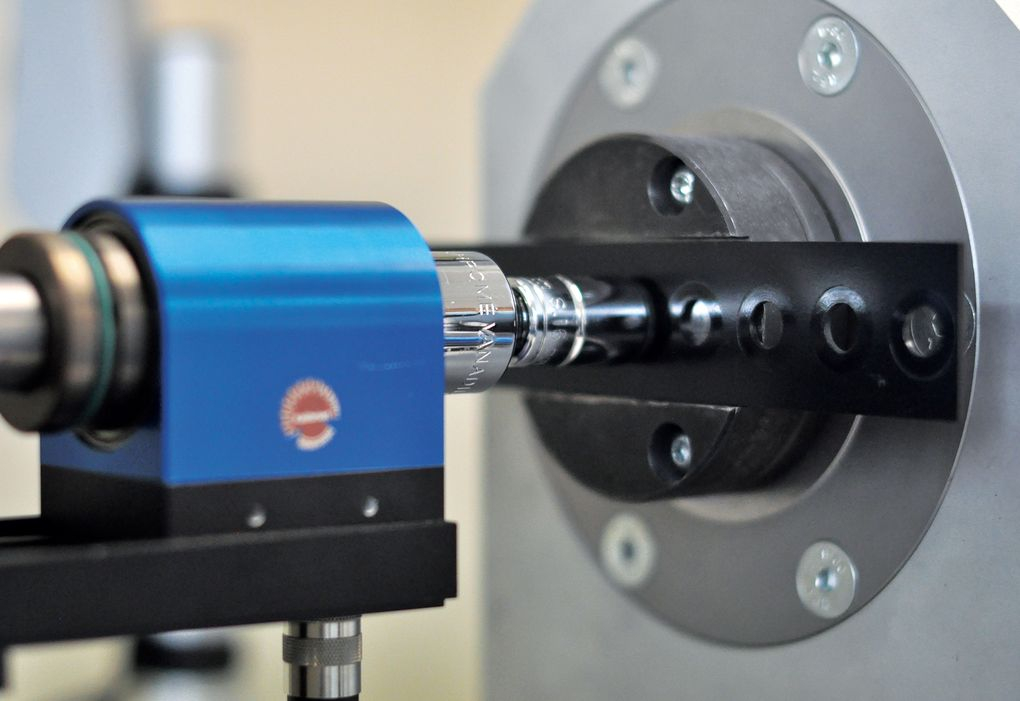
Quality control is therefore paramount. But how do you check thousands of screws? You can’t inspect every single one. So, protocols matter. Training matters. Installers need to understand why the torque setting on their gun is set to a specific value. It’s not arbitrary. It’s calculated to ensure the screw seats properly without damaging the steel or the coating. In recent years, smart tools have emerged. Some drivers now record torque data for each screw, creating a digital log of the installation. This allows engineers to verify that the connections were made correctly, providing a layer of assurance that wasn’t possible a decade ago.
Visual inspection is still the first line of defense. Look for flush heads. Look for consistent spacing. Look for damaged coatings. If the zinc is scraped off around the head, that’s a red flag. Rust will start there. And rust spreads. It undermines the integrity of the connection over time. Educating the workforce is key. When workers understand that they aren’t just attaching drywall, but securing the structural integrity of the building, pride in workmanship increases. It shifts the culture from "fastest to finish" to "built to last." And in an industry facing labor shortages, skilled, knowledgeable installers are invaluable assets.
As we move further into 2026, the pressure to build sustainably is intensifying. Cold-formed steel is already a green choice—it’s recyclable and often made from recycled content. But the connections play a role here too. Can we design connections that are easier to disassemble? Traditionally, screwed connections are permanent. Removing them damages the steel, making reuse difficult. New research is looking into reversible connections or specialized screws that can be removed without destroying the host material. This supports the circular economy, allowing steel members to be reused in new buildings rather than melted down.
Innovation in screw technology is also ongoing. Self-healing coatings? Maybe not yet. But improved corrosion resistance is constant. Bi-metallic screws that combine a hard core for strength with a tough outer layer for durability are becoming more common. There’s also work being done on adhesives combined with mechanical fasteners. Hybrid connections. The adhesive distributes the load over a larger area, reducing stress concentrations on the screws. The screws provide immediate clamping and hold the parts in place while the adhesive cures. This could revolutionize how we think about CFS joints, offering both strength and stiffness.
Ultimately, designing safer steel structures with cold-formed screws is about integration. It’s not just the engineer’s job, or the manufacturer’s, or the installer’s. It’s everyone’s. From the person specifying the screw type to the person driving it home. The standards provide the framework, but the judgment comes from experience and understanding. As our tools get smarter and our materials get better, the fundamental principle remains: respect the thinness. Respect the complexity. And never underestimate the power of a small, well-placed screw. It’s the little things that hold our world together, quite literally.
So next time you’re in a building with metal studs, take a moment to appreciate the invisible network of connections holding it up. They’re small, yes. But they’re mighty. And thanks to decades of research, updated standards, and a growing awareness of best practices, they’re safer than ever. We just have to keep paying attention. Keep asking questions. Keep refining the craft. Because safety isn’t a destination; it’s a continuous journey, one screw at a time.
[sps_html tag=”img” src=”https://cdn.northcarolinafinearchitecture.com/2026/05/mastering-the-science-of-friction-behavior-nof-metal-coatings-europe-with-screw-joint-design.jpg” alt=”Mastering The Science Of Friction Behavior - Nof Metal Coatings Europe with Screw Joint Design” style=”width: 100%; height: auto;”]
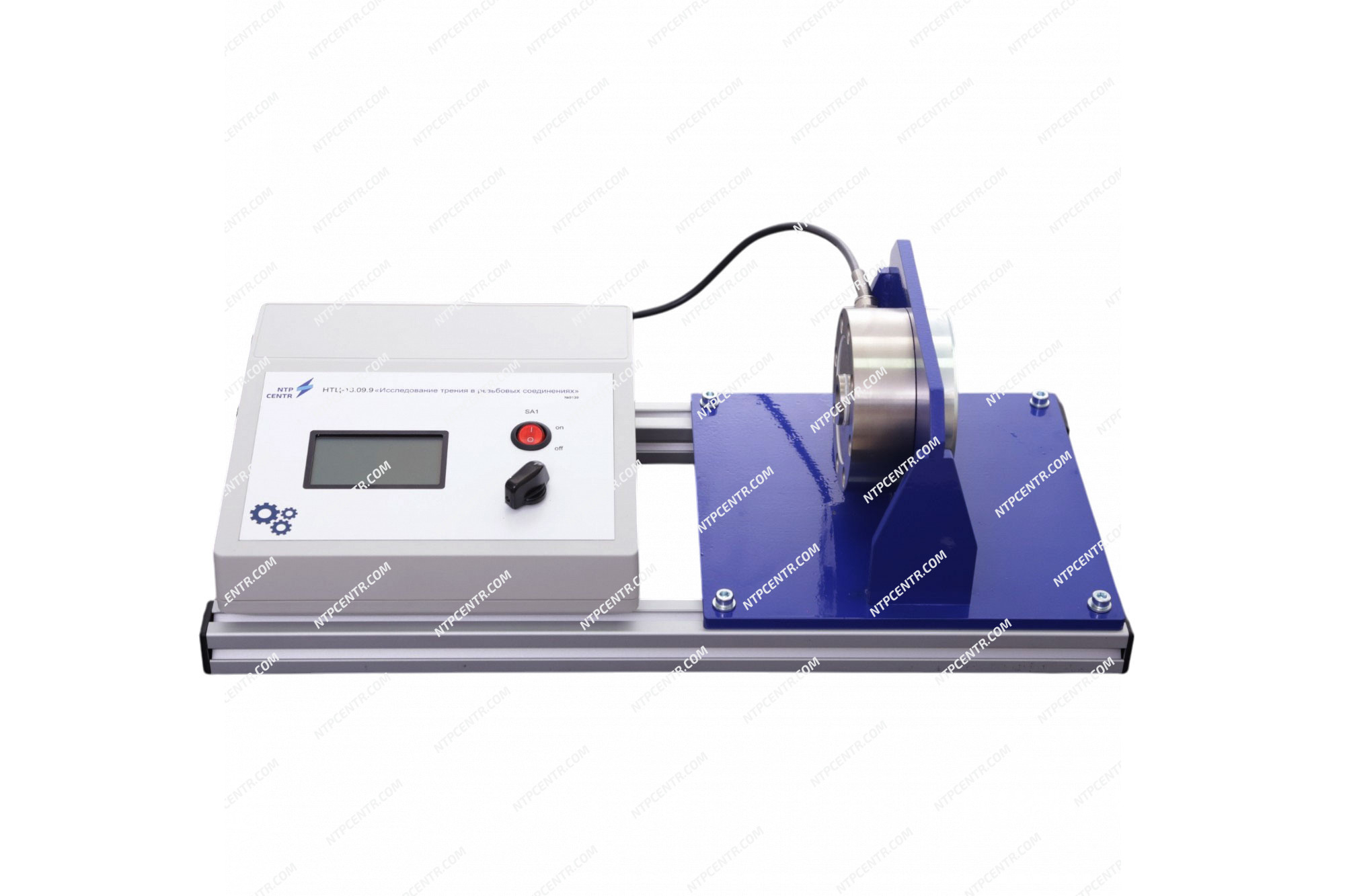
[sps_html tag=”img” src=”https://cdn.northcarolinafinearchitecture.com/2026/05/ntc-13-09-9-investigation-of-friction-in-threaded-connections-ntp-centr-for-mastering-friction-control-for-reliable-threaded-connections.jpg” alt=”Ntc-13.09.9 “Investigation Of Friction In Threaded Connections” | Ntp Centr for Mastering Friction Control for Reliable Threaded Connections” style=”width: 100%; height: auto;”]
[sps_html tag=”img” src=”https://cdn.northcarolinafinearchitecture.com/2026/05/friction-type-connections-full-pdf-nut-hardware-screw-throughout-mastering-friction-control-for-reliable-threaded-connections.jpg” alt=”Friction Type Connections Full | Pdf | Nut (Hardware) | Screw throughout Mastering Friction Control for Reliable Threaded Connections” style=”width: 100%; height: auto;”]
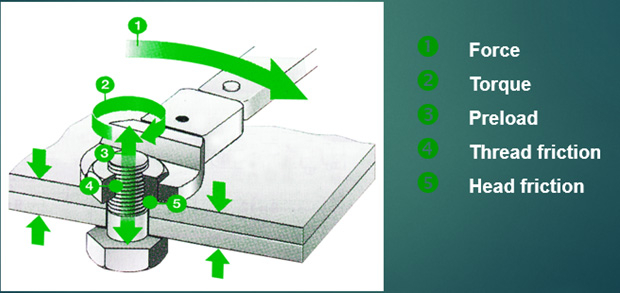
[sps_html tag=”img” src=”https://cdn.northcarolinafinearchitecture.com/2026/05/torque-control-loose-bolts-an-industry-problem-superbcrew-with-regard-to-screw-joint-design.jpg” alt=”Torque Control: Loose Bolts An Industry Problem - Superbcrew with regard to Screw Joint Design” style=”width: 100%; height: auto;”]
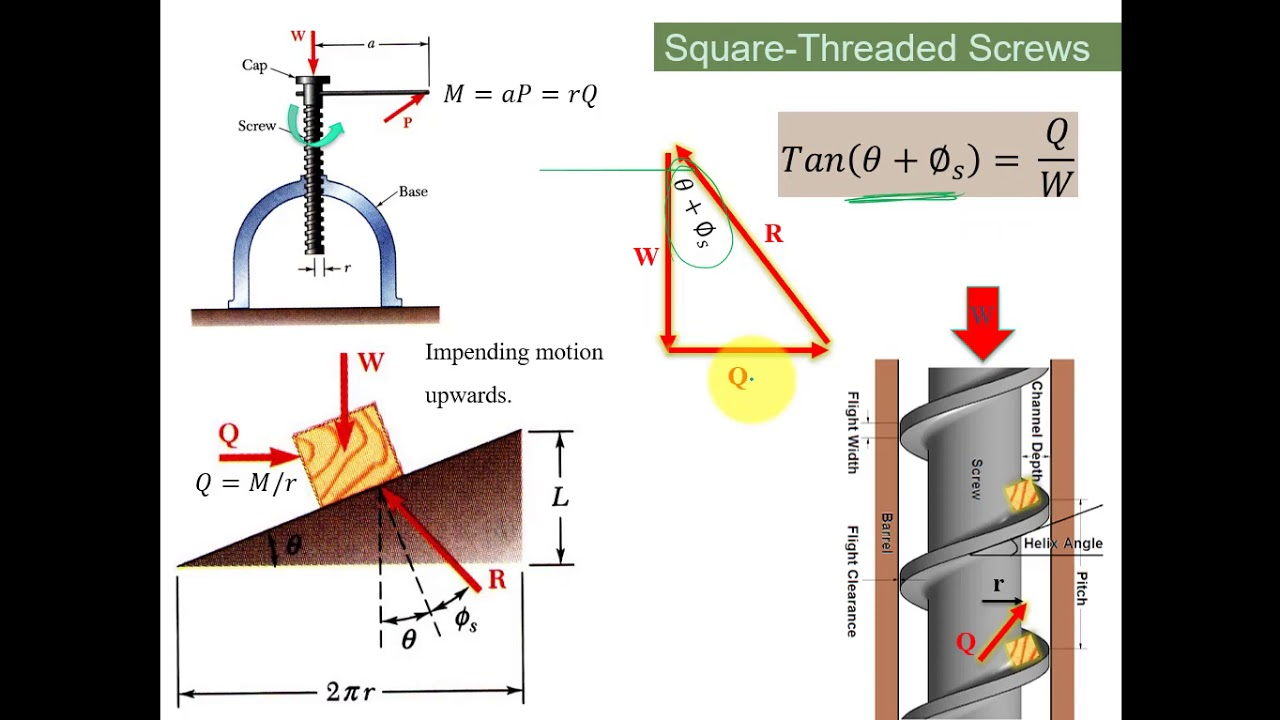
[sps_html tag=”img” src=”https://cdn.northcarolinafinearchitecture.com/2026/05/statics-threaded-fasteners-friction-youtube-with-screw-joint-design.jpg” alt=”Statics: Threaded Fasteners, Friction - Youtube with Screw Joint Design” style=”width: 100%; height: auto;”]