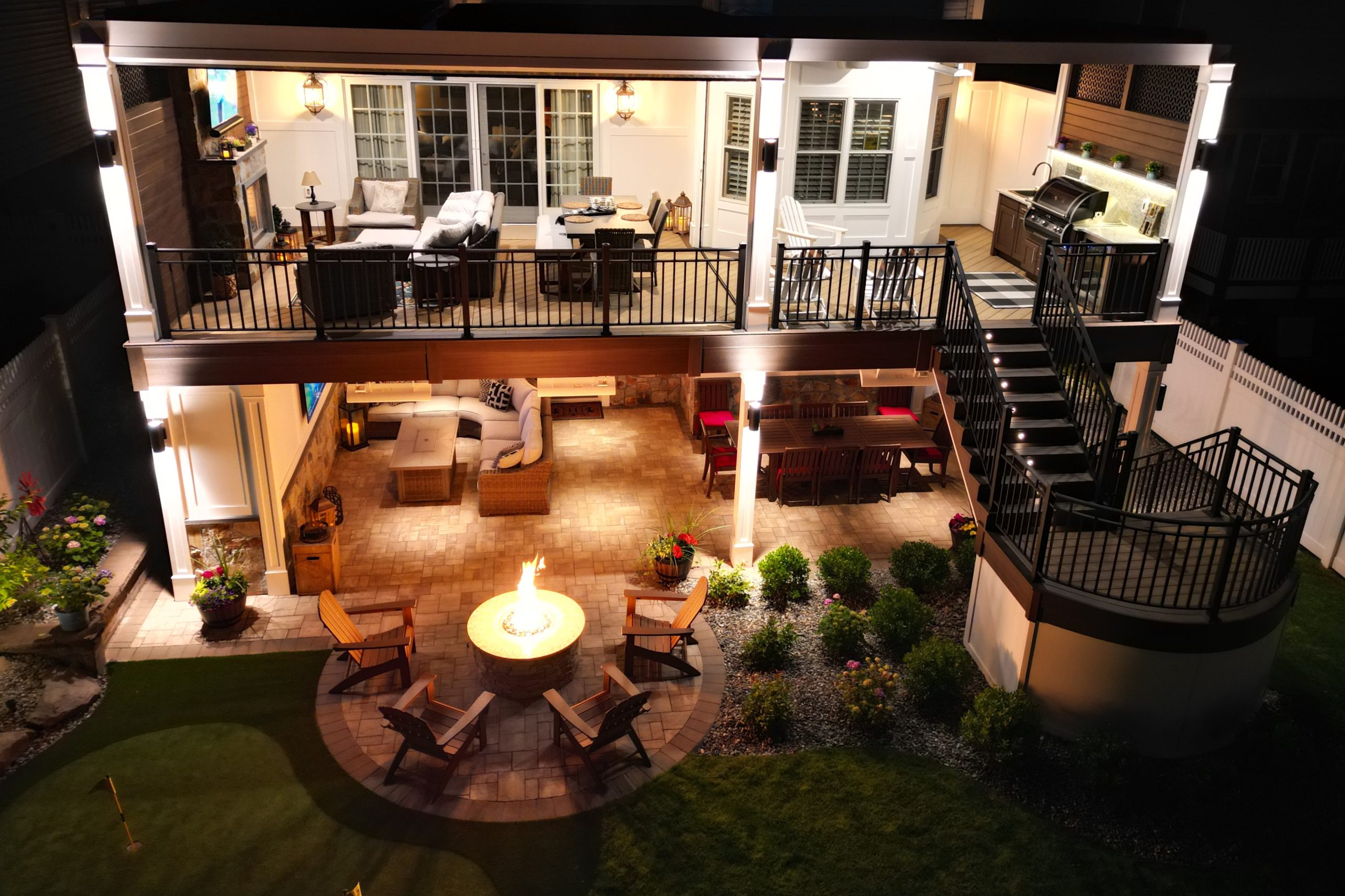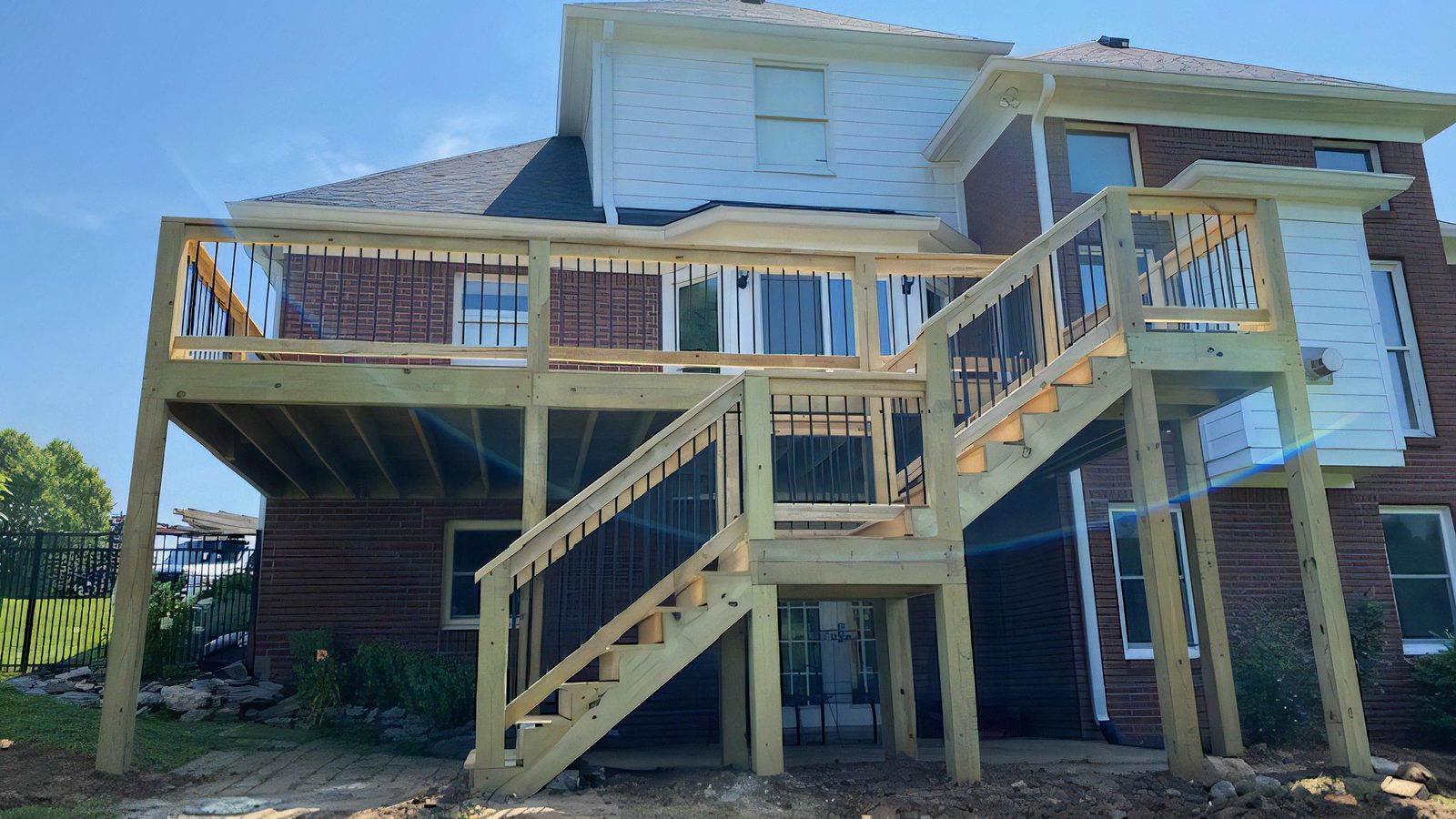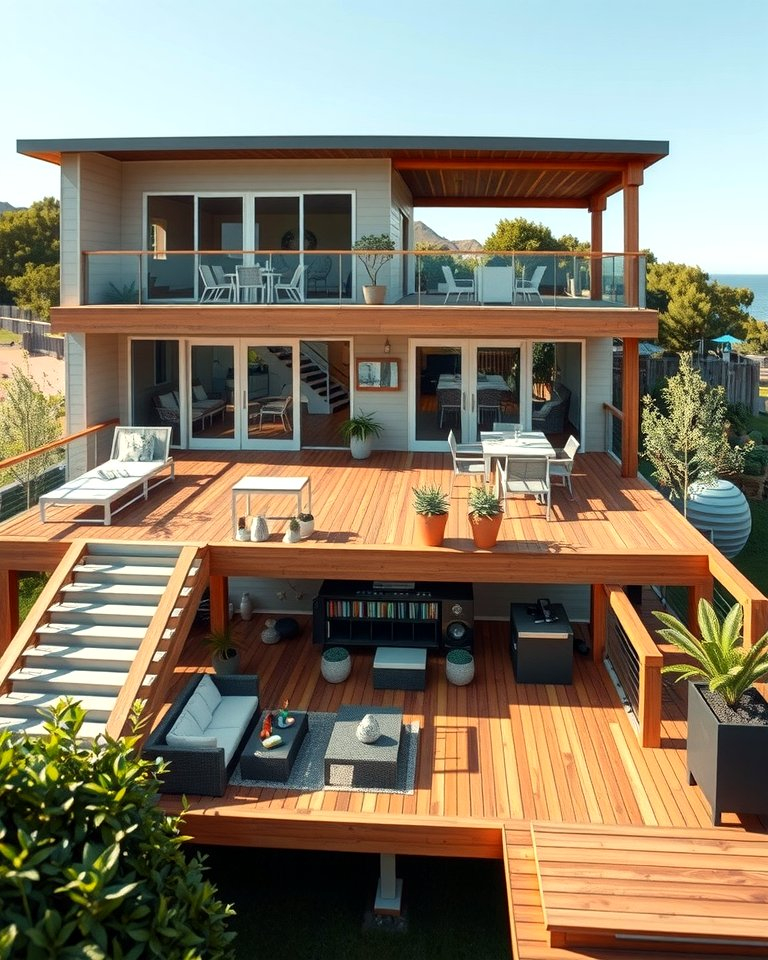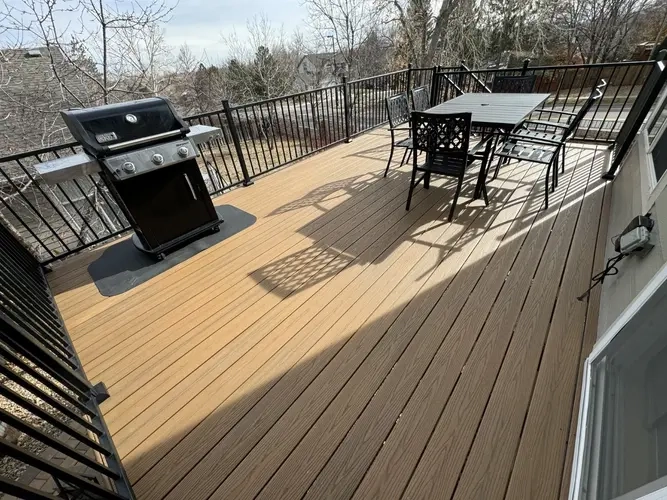
There is something magical about stepping out onto a brand new patio area on a warm summer morning. You hold your coffee cup, feel the fresh breeze, and look around at your backyard haven. But before that dream becomes reality, you face a massive choice. What stuff should you actually build the platform out of?
Building a custom outdoor platform is a big investment in your home. With so many choices out there in 2026, picking the right foundation can feel a bit overwhelming. Do you go with the classic charm of natural timber or the modern ease of synthetic boards? Let us dive into what you need to know to make the best call for your space.
Natural Wood Charms and Realities
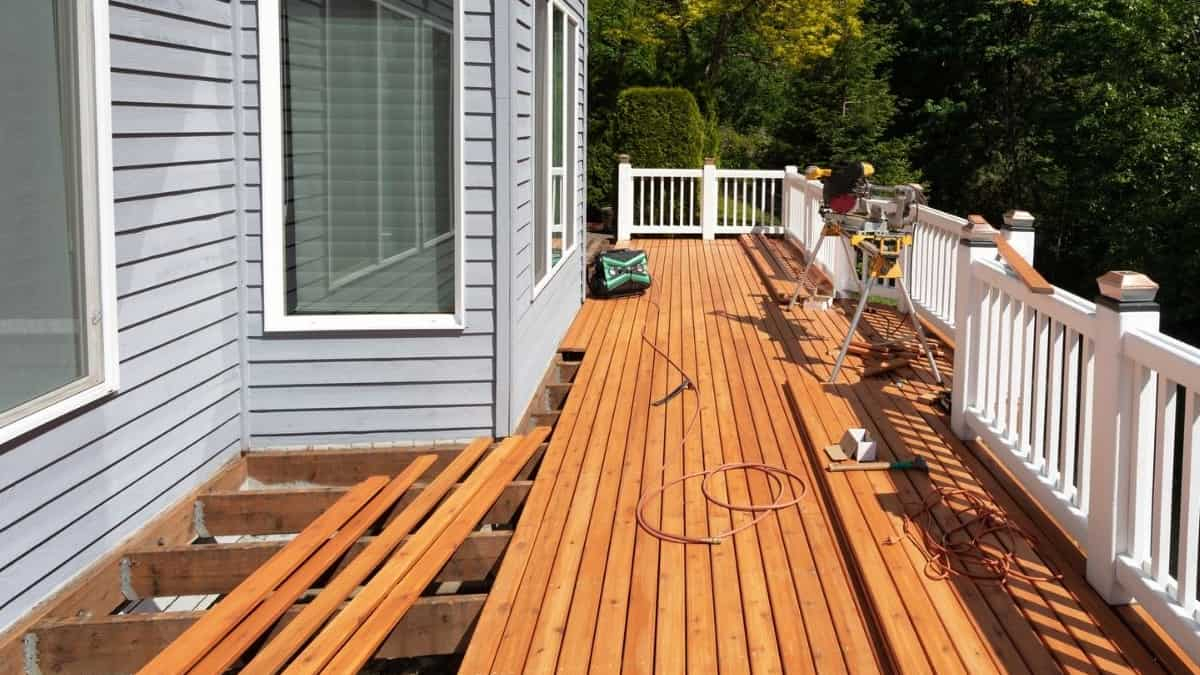
Natural timber has been the go-to choice for centuries, and for good reason. It offers an authentic look and feel that synthetic options still try to copy. When you walk on real cedar, redwood, or pressure treated pine, you get that genuine earthy vibe. It feels real under your bare feet.
However, real wood demands attention. You cannot just build it and forget it. Every year or two, you will likely need to clean, stain, and seal it to stop rot and fading. If you love weekend DIY projects, caring for timber can be a rewarding ritual. If you want zero chores, you might find it a bit exhausting.
Understanding Pressure Treated Lumber
If you are watching your budget, pressure-treated wood is usually the starting point. It is affordable and easy for builders to shape into any custom design you can dream up. Chemical treatments help protect the timber from bugs and moisture damage.
The catch is that pressure-treated boards can sometimes warp, twist, or splinter as they age. They also require regular staining to keep their golden color from turning a dull gray. Still, for a cost-effective custom build, it remains a very popular option across many homes today.
The Rise of Composite Decking
Composite materials have come a long way over the last few years. Made from a mix of recycled plastics and wood fibers, today’s composite boards look surprisingly like real timber. Brands like Trex and TimberTech offer stunning color choices that mimic exotic hardwoods without cutting down actual trees.
One huge perk is the lack of heavy maintenance. You never have to spend your weekends sanding or staining. A simple wash with soap and water once in a while keeps it looking fresh. It will not splinter, making it a great pick for families with kids or pets running around outside.
Weighing Up Initial Costs Versus Long Term Value
Money talks, and it is usually the loudest factor in any home improvement project. Natural timber generally costs less upfront than high end composite boards. You save cash on day one, which lets you spend more on other backyard features like built-in seating or lighting.
On the flip side, composite materials save you money down the road. Because you do not need to buy expensive stains, sealers, or replacement boards every few years, the price evens out over time. It helps to think about how long you plan to stay in your house when crunching these numbers.
Climate and Weather Considerations
Mother Nature plays a huge role in how your outdoor area will hold up. If you live somewhere with blistering hot summers, you should know that composite boards can trap heat and get quite warm under direct sun. Lighter colors help, but bare feet might still dance a little bit on scorching afternoons.
Natural timber handles heat a bit better, but extreme moisture and freezing winters can cause cracking. Cedar and redwood naturally resist rot better than pine, making them smarter picks for wet regions. Always match your material choice to your local weather patterns to avoid headaches later.
At the end of the day, there is no single right answer for every single backyard. Your choice comes down to balancing your personal style, your maintenance tolerance, and your financial plan. Do you cherish the authentic smell and look of real wood, or does the low-maintenance promise of modern composites win your heart?
Talk to local builders and look at physical samples in different lighting conditions. Seeing and touching the boards in person changes everything. Take your time, weigh your priorities, and get ready to enjoy your brand new outdoor living space for many seasons to come.