You’re driving down the highway, windows down, music up. Everything feels fine. Then, a slight wobble in the wheel. Maybe a weird clunk when you hit a pothole. You ignore it. We all do, right? It’s probably nothing. But deep inside your car’s undercarriage, a small, unheroic metal rod is fighting a losing battle against physics, road salt, and time.
That rod is your tie rod. And if it quits on you, the consequences aren’t just inconvenient—they’re dangerous. A failed tie rod means lost steering control. In 2026, with cars getting heavier and roads still being rough, understanding this tiny component is more critical than ever. Let’s talk about why they break, how to spot the trouble before it’s too late, and the clever new ways engineers are keeping them from snapping.
The Unsung Hero of Your Steering
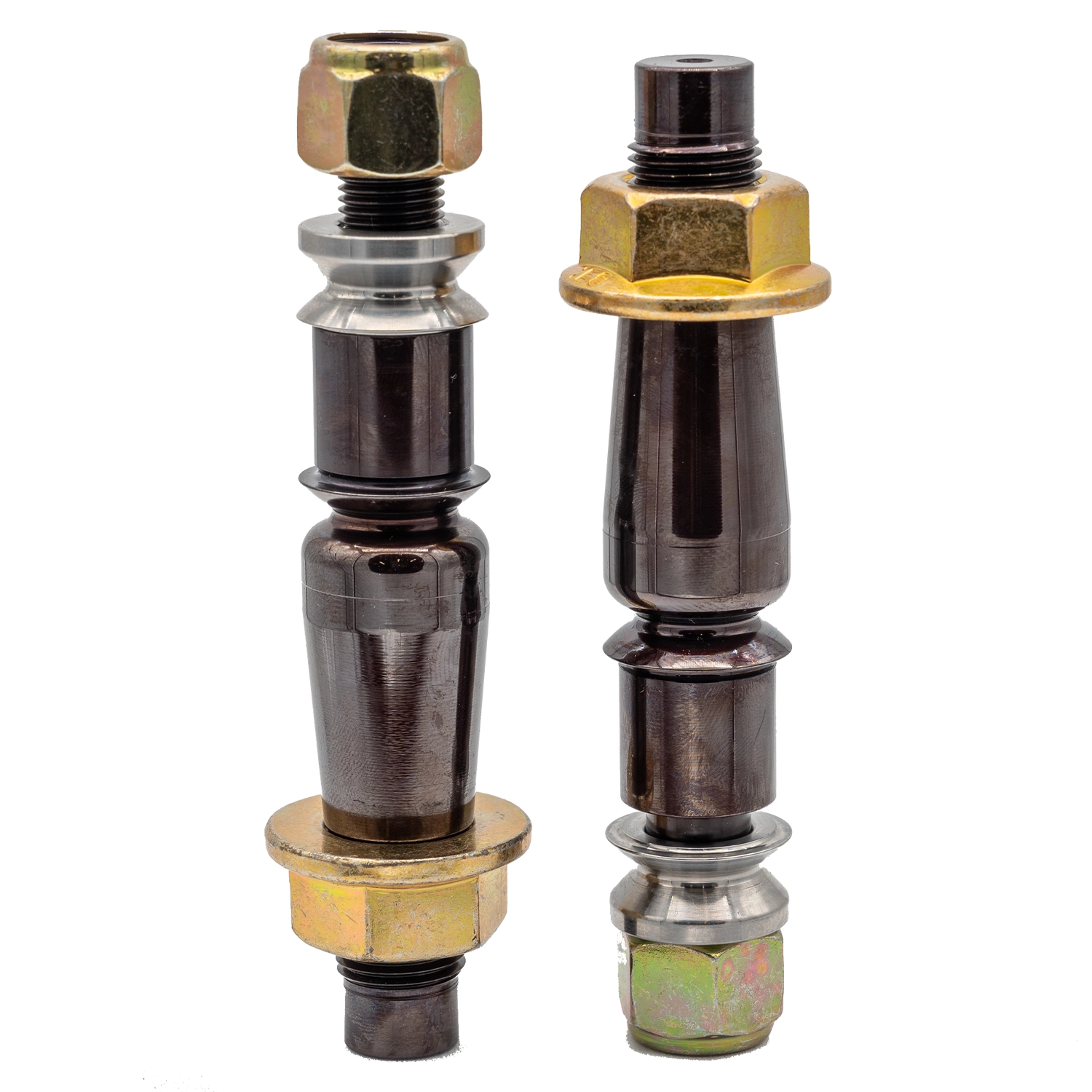
Think of your car’s steering system like a puppet show. The steering wheel is your hand, the steering rack is the string, and the tie rods are the joints that actually move the wheels. Without them, turning the wheel would do absolutely nothing. They connect the steering rack to the steering knuckle, translating your input into direction.
It sounds simple. But these little guys deal with insane amounts of stress. Every turn, every bump, every bit of acceleration and braking puts force on them. They are constantly under tension and compression. And unlike the engine or transmission, they are exposed to the elements. Rain, snow, mud, road salt—it all hits them directly.
In 2026, vehicles are heavier than ever. Electric vehicles (EVs) pack massive batteries, adding hundreds of pounds to the chassis. That extra weight means more force on every suspension component, including tie rods. So, while the basic job hasn’t changed, the demands on these parts have skyrocketed. It’s no wonder they wear out.
Why They Break: The Usual Suspects
So, what actually kills a tie rod? It’s rarely one single thing. Usually, it’s a combination of factors working together over time. The most common culprit is wear and tear on the ball joint inside the tie rod end. This joint needs to pivot smoothly, so it’s packed with grease and sealed with a rubber boot.
If that boot cracks or tears, grease leaks out. Dirt and water get in. Suddenly, you’ve got a gritty, dry joint grinding away every time you turn. It’s like running an engine without oil. It doesn’t take long for the metal to wear down, creating play in the joint. That play is what causes the wobble and the clunking noise.
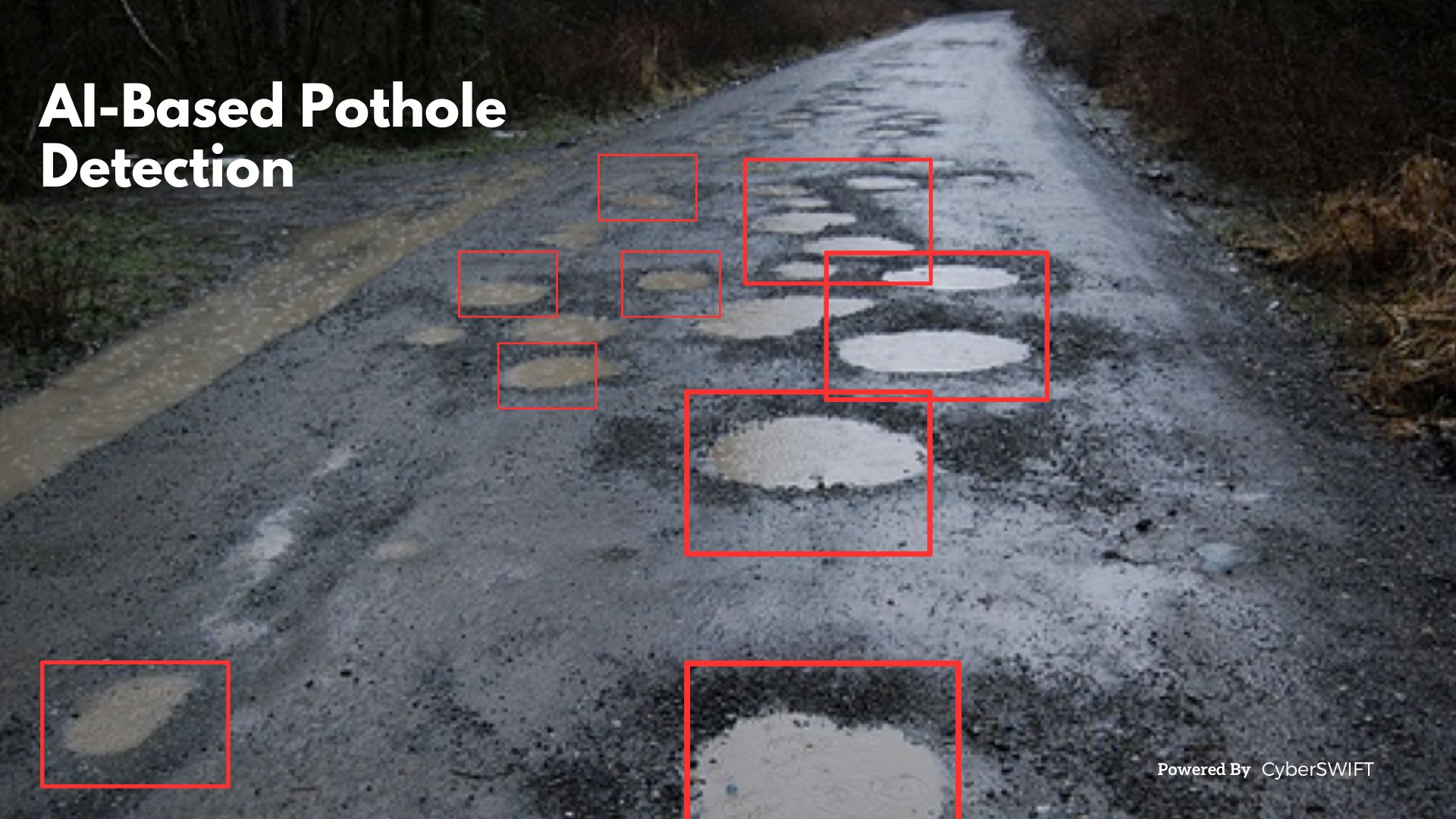
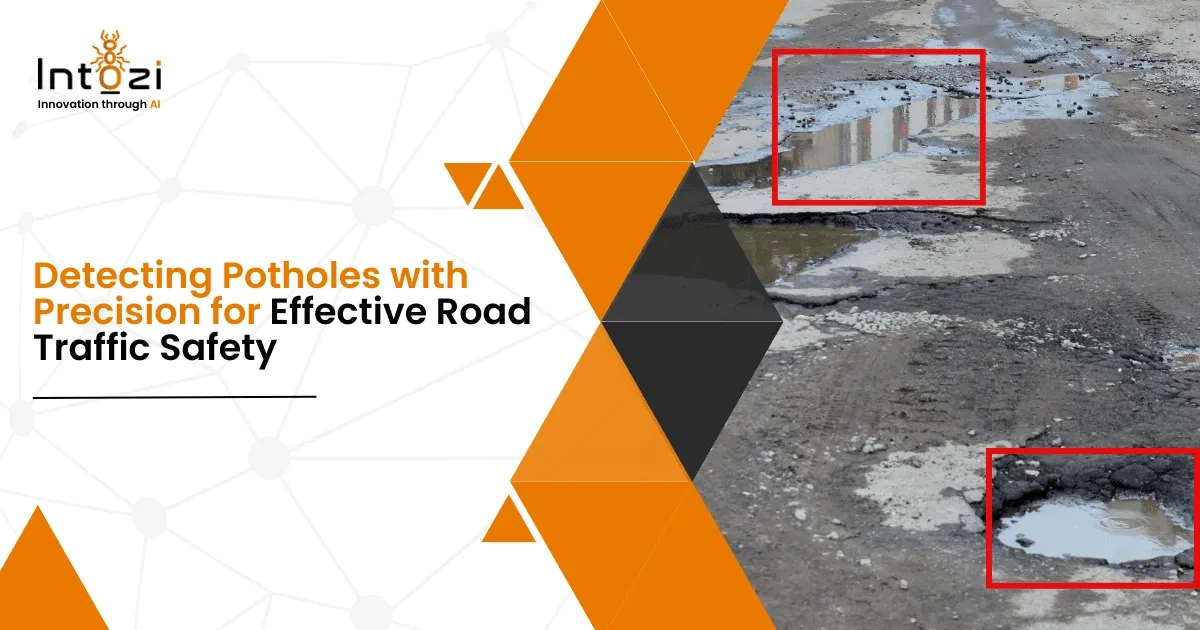
Then there’s the environment. If you live in a place where they salt the roads in winter, you’re fighting a constant battle against corrosion. Salt eats away at metal, weakening the structural integrity of the rod itself. Even if the joint is fine, the rod can rust through or become brittle. Impact damage is another big one. Hitting a deep pothole or a curb can bend a tie rod instantly. Sometimes it’s obvious, but often the damage is internal, causing premature failure weeks or months later.
The Warning Signs You Shouldn’t Ignore
Your car tries to tell you when something is wrong. You just have to listen. The first sign is usually vague steering. The wheel feels loose, like there’s a delay between when you turn it and when the car responds. It’s not sharp anymore. You might find yourself constantly correcting your path to stay in the lane.
Next, look at your tires. Uneven tire wear is a huge red flag. If the inner or outer edges of your front tires are wearing down faster than the rest, your alignment is off. And bad tie rods are a primary cause of alignment issues. You might also notice vibration in the steering wheel, especially at higher speeds. It’s not the smooth hum of the road; it’s a shaky, unsettling feeling.
Don’t forget the noises. Clunking or knocking sounds when you go over bumps or make tight turns are classic symptoms. It’s the sound of metal hitting metal because the joint has too much play. If you hear this, don’t wait. Get it checked. Ignoring these signs doesn’t just lead to a bigger repair bill later; it risks a catastrophic failure where the tie rod separates completely. At that point, you lose steering control entirely. Not a good look.
How Modern Design Fights Back in 2026
Here’s the good news: tie rods today are tougher than they were ten years ago. Engineers have been busy. One major shift in 2026 is the focus on material science and manufacturing precision. We’re seeing more use of high-strength forged steel instead of cast components. Forging aligns the grain structure of the metal, making it significantly stronger and more resistant to fatigue.
Another key development is the reduction of unnecessary machining. As noted by industry leaders like CCTY Group, modern design optimization aims to minimize machined surfaces on forged housings and connection rods. Why does this matter? Machining cuts into the natural grain of the metal, potentially creating weak points. By keeping the forged shape as intact as possible, manufacturers maintain the inherent strength of the material while still ensuring a perfect fit.
Sealing technology has also taken a leap forward. The rubber boots that protect the grease-filled joints are now made from more durable, flexible compounds that resist cracking in extreme temperatures. Some high-end models even use multi-lip seals that provide better protection against water and debris intrusion. These small improvements add up to a component that lasts longer and performs more consistently, even under the heavy loads of modern EVs.
The Cost of Neglect vs. Prevention
Let’s talk money. Replacing a tie rod isn’t the most expensive repair you’ll face, but it’s not cheap either. In 2026, you’re looking at anywhere from $150 to $400 per side, depending on the vehicle and labor rates. But that’s just for the part and installation. If you wait until it fails completely, you could damage other suspension components, wreck your tires, or worse, cause an accident.
The real cost of neglect is safety. A broken tie rod means you can’t steer. Imagine trying to navigate traffic or avoid an obstacle with no control over your direction. It’s terrifying. And it’s preventable. Regular inspections during oil changes or tire rotations can catch worn tie rods early. Mechanics check for play in the joints and inspect the boots for cracks. It takes five minutes.
Also, remember that replacing tie rods is only half the job. You must get a wheel alignment afterward. If you don’t, your tires will wear unevenly, costing you hundreds in premature replacements. Plus, your car won’t drive straight, putting extra stress on the new tie rods. It’s a cycle. Do it right the first time. Check the alignment. Save your tires. Sleep better at night.
What the Future Holds for Steering Components
The automotive industry is moving fast. With the rise of autonomous driving features and electric platforms, the demands on steering systems are changing again. In 2026, we’re seeing a trend toward modular design in tie rod assemblies. This makes replacement easier and allows for more standardized parts across different vehicle models, which can help reduce costs.
Researchers are also exploring smart components. Imagine tie rods with embedded sensors that monitor stress levels and wear in real-time. Instead of waiting for a clunk or a wobble, your car’s dashboard could alert you that a tie rod is nearing the end of its life. This predictive maintenance approach is already being tested in commercial fleets and high-end consumer vehicles.
Furthermore, sustainability is playing a bigger role. Manufacturers are looking at recyclable materials and more eco-friendly production processes. The goal is to create components that are not only durable but also have a lower environmental impact from cradle to grave. As the market for automotive tie rods continues to grow—projected to reach new heights by 2033—innovation will keep driving improvements in safety and longevity.
Tie rods might be small, but they carry a huge responsibility. They are the literal link between your intentions and your car’s movement. When they fail, the results can be devastating. But thanks to advances in forging, sealing, and design optimization, the tie rods in your 2026 vehicle are tougher and more reliable than ever before.
Don’t take them for granted. Listen to your car. Feel for the wobbles. Hear the clunks. Check your tires. A little attention goes a long way. And if you do need a replacement, make sure it’s done right, with a proper alignment to follow. It’s a small investment for the peace of mind that comes with knowing your steering is solid.
In the end, it’s about trust. You trust your car to get you home safely. Your tie rods are a key part of that promise. By understanding how they work, why they fail, and how modern engineering protects them, you’re better equipped to keep that trust intact. So next time you hear a strange noise, don’t just turn up the radio. Take a closer look. Your life might depend on it.
[sps_html tag=”img” src=”https://cdn.northcarolinafinearchitecture.com/2026/06/detecting-potholes-with-precision-for-effective-road-traffic-safety-with-regard-to-from-potholes-to-precision-how-tie-rod-design-handles-real-world-stress.webp” alt=”Detecting Potholes With Precision For Effective Road Traffic Safety … with regard to From Potholes to Precision How Tie Rod Design Handles Real World Stress” style=”width: 100%; height: auto;”]
[sps_html tag=”img” src=”https://cdn.northcarolinafinearchitecture.com/2026/06/tie-rod-design-pdf-throughout-from-potholes-to-precision-how-tie-rod-design-handles-real-world-stress.jpg” alt=”Tie Rod Design | Pdf throughout From Potholes to Precision How Tie Rod Design Handles Real World Stress” style=”width: 100%; height: auto;”]
[sps_html tag=”img” src=”https://cdn.northcarolinafinearchitecture.com/2026/06/cmi-precision-tie-rods-for-the-polaris-rzr-pro-r-and-turbo-r-jagged-x-intended-for-from-potholes-to-precision-how-tie-rod-design-handles-real-world-stress.webp” alt=”Cmi Precision Tie Rods For The Polaris Rzr Pro R And Turbo R - Jagged X … intended for From Potholes to Precision How Tie Rod Design Handles Real World Stress” style=”width: 100%; height: auto;”]
[sps_html tag=”img” src=”https://cdn.northcarolinafinearchitecture.com/2026/06/tie-rod-system-concrete-form-rigging-hardware-supplier-regarding-tie-rod-design.webp” alt=”Tie Rod System - Concrete Form & Rigging Hardware Supplier regarding Tie Rod Design” style=”width: 100%; height: auto;”]
[sps_html tag=”img” src=”https://cdn.northcarolinafinearchitecture.com/2026/06/how-to-prevent-potholes-in-roads-at-bethany-stephens-blog-regarding-tie-rod-design.jpg” alt=”How To Prevent Potholes In Roads At Bethany Stephens Blog regarding Tie Rod Design” style=”width: 100%; height: auto;”]