The studio smells of wet cedarwood, bruised fig leaves, and a faint, sweet trace of molten beeswax cooling on a stainless steel tabletop. Outside, a heavy drizzle hits the windowpane, but inside, the air is thick with anticipation and chemistry. A candlemaker stands hunched over a digital scale, adjusting a pipette by fractions of a gram. This is not the sterile, automated environment of a mass-market factory cranking out millions of paraffin-petroleum pillars. This is the quiet, deliberate space of modern artisanal design, where wax and wick become a medium for storytelling just as potent as ink on paper or oil on canvas.
For decades, candles were treated as mere functional objects—utilitarian sources of illumination during a blackout or an afterthought of holiday decor. Yet a fundamental cultural shift has transformed the humble wax melt into a high-design collectible. Consumers no longer buy a candle simply to make a room smell like vanilla; they purchase an atmosphere, a memory, a psychological anchor. Indie houses and boutique studios now look to poetry, folklore, architectural history, and deeply personal nostalgia to build complex narrative collections. They ask a demanding question: What does grief smell like? How do you translate the silhouette of brutalist concrete architecture into a poured container?
Answering these questions requires a rare intersection of chemistry, industrial design, and narrative discipline. The modern candlemaker operates part-perfumer, part-sculptor, and part-historian. Every element—from the specific melt point of a coconut-soy blend to the exact geometry of a tapered wooden wick—must serve the overarching premise of the scent. When a candle is lit, it does not just project aroma; it unlocks a mental door, inviting the user into a meticulously constructed fictional or autobiographical world.
The Chemistry of Evocation and Olfactory Architecture
A fragrance narrative fails the moment the chemistry collapses. Unlike a liquid perfume that hits the skin and evolves rapidly through top, middle, and base notes over a few hours, a candle presents an entirely different thermodynamic challenge. The perfumer must account for thermal degradation. When an aromatic oil is subjected to a sustained flame pool reaching seventy degrees Celsius for four hours, delicate top notes can easily scorch, transforming a crisp citrus accord into a bitter, synthetic mess.
Artisan designers approach this by mapping out olfactory pyramids with strict heat tolerances in mind. They calculate vapor pressure, flash points, and specific gravity to ensure that the heavy base notes—like labdanum, smoky vetiver, or aged leather—anchor the lighter volatiles without drowning them out. This process requires iterative bench testing. A single fragrance throw might undergo twenty distinct tweaks, altering the ratio of synthetic isolates to natural absolutes by mere percentages, until the hot throw matches the cold throw with absolute fidelity.
Beyond the raw materials, the wax matrix dictates how the story is delivered to the room. Paraffin may offer a blistering hot throw, but its petroleum heritage jars with the sustainable ethos of contemporary artisan storytelling. Instead, modern makers lean into proprietary blends of soy, coconut, and apricot waxes. Each wax holds a distinct crystal structure that dictates how fragrance molecules bind and release. Coconut wax, with its creamy, amorphous melt profile, acts as a slow-burning sponge, weeping fragrance gracefully into the convection currents generated by the flame.
Sculpting the Silhouette: Form as a Visual Preamble
A candle begins speaking long before a match ever touches the wick. The physical silhouette of the vessel establishes the mood, telegraphing the weight and texture of the narrative before a single molecule of scent reaches the nose. If the fragrance tells a story of an ancient, windswept abbey, a sleek, neon-pink glass tumbler will instantly shatter the illusion. Form and fragrance must engage in a silent, seamless dialogue.
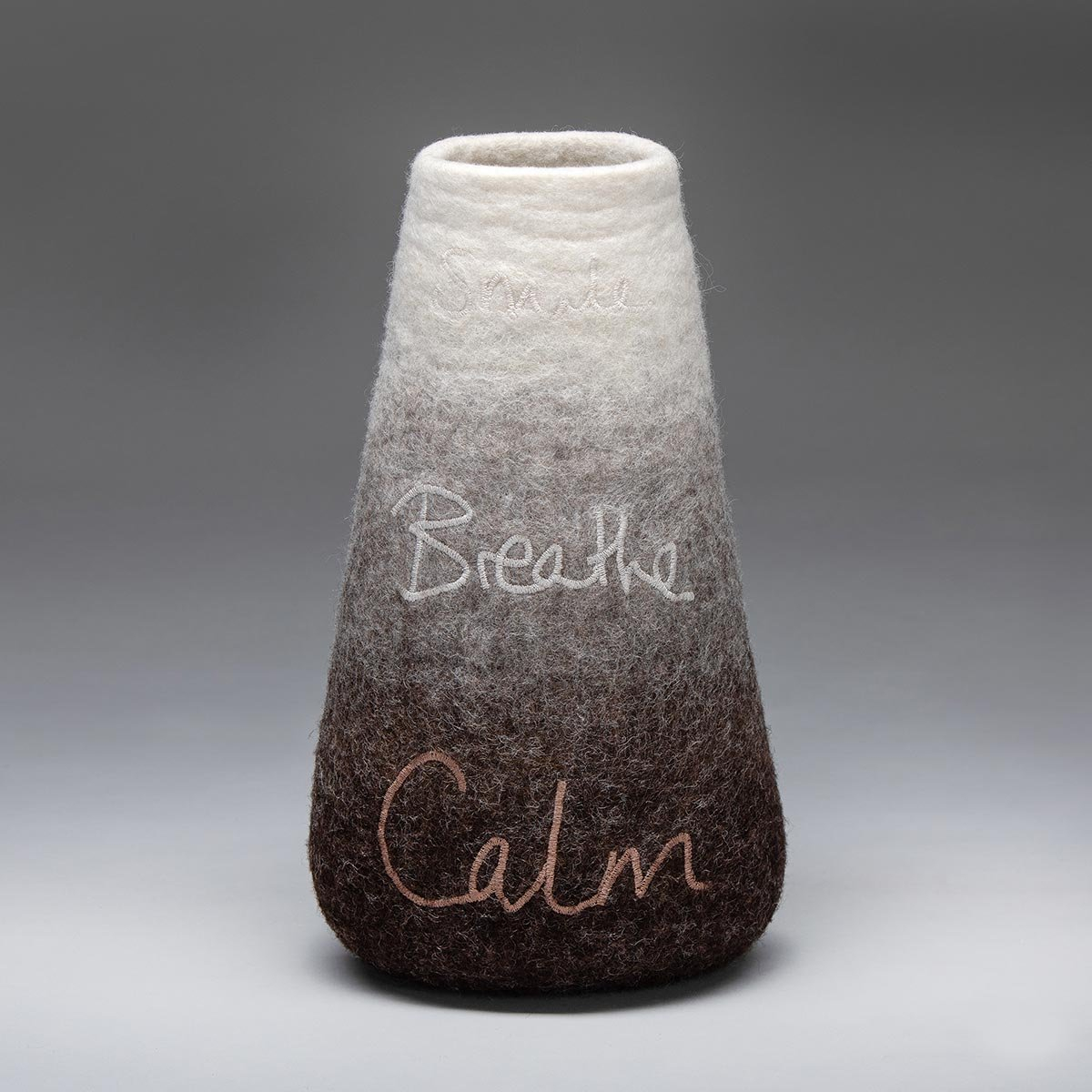
This realization has driven a renaissance in bespoke vessel design. Independent studios collaborate with local ceramicists to throw heavy, stoneware vessels featuring raw, unglazed exteriors that evoke the texture of weathered cliffside stone. Others experiment with recycled amber apothecary glass, rippled hand-blown vessels that refract candlelight into organic patterns, or geometric concrete blocks that pay homage to brutalist architecture. The weight of the vessel in the hand matters; a heavy-bottomed glass container signals permanence and luxury, grounding the ephemeral nature of scent in physical reality.
The silhouette also dictates the thermodynamics of the burn. A wide-diameter vessel requires a multi-wick setup to prevent tunneling, which in turn alters the convection current and changes how fast the fragrance oil is liberated into the air. Conversely, a narrow, tapered pillar demands a precisely calibrated wick size to avoid drowning or smoking. Designers must balance aesthetic ambition with strict physical laws, ensuring that a striking, avant-garde shape does not compromise the functional integrity of the burn.
Crafting the Narrative Arc from Concept to Cold Pour
Translating an abstract concept—such as the memory of a rainy afternoon in a Parisian bookstore or the crisp chill of first snowfall on pine needles—into a finished, marketable candle requires a disciplined, repeatable methodology. Without a structured framework, creative projects drift into chaotic trial and error.
- Step 1 (Conceptual Foundation): Define the core narrative, mood, and emotional destination of the collection through mood boards, literary references, and historical research before touching any raw materials.
- Step 2 (Olfactory Sketching): Blend essential oils, absolutes, and high-grade aromachemicals on paper test strips, tracking how the top, middle, and base notes interact over a 48-hour evaporation curve.
- Step 3 (Vessel and Wick Selection): Match the fragrance profile to a physical silhouette, choosing vessel materials, wall thicknesses, and wick types (cotton, hemp, or wood) that complement the aesthetic and thermal needs.
- Step 4 (Small-Batch Testing and Curing): Pour trial batches, let them cure for the mandatory two-week window, and test burn them in controlled environments to measure melt pool depth, soot output, and hot throw intensity.
- Step 5 (Refinement and Scale): Adjust fragrance load percentages—typically falling between eight and twelve percent for natural waxes—and finalize labeling, box packaging, and brand copy to complete the immersive experience.
Navigating the Hidden Traps of Artisan Candlemaking
The journey from a brilliant conceptual spark to a shelf-ready product is littered with technical landmines that can derail even the most experienced makers. Ignoring the fundamental rules of wax chemistry or rushing the curing process will consistently result in sub-par performance, lost revenue, and damaged brand equity.
- Pitfall 1 (Overloading Fragrance Oil): Adding fifteen or twenty percent fragrance oil out of a desire for a stronger scent load, which actually oversaturates the wax, causing oil to bleed out of the surface (sweating) and creating hazardous, sputtering flames. Workaround: Respect the maximum holding capacity of your specific wax blend, typically sticking to a scientifically tested ten percent maximum load.
- Pitfall 2 (Ignoring Cure Time): Lighting a candle twenty-four hours after pouring because of production pressure, leading to an underdeveloped hot throw and an uneven melt pool. Workaround: Strictly enforce a minimum 10 to 14-day curing window in a temperature-controlled environment to allow the fragrance molecules to fully bind with the wax crystal lattice.
- Pitfall 3 (Mismatched Wick Sizing): Selecting a wick based purely on aesthetic preference rather than container diameter, resulting in tunneling (leaving unburnt wax on the vessel walls) or a dangerous runaway flame. Workaround: Always perform burn tests using digital calipers to measure melt pool progression every hour, cross-referencing with manufacturer wick charts.
- Pitfall 4 (Thermal Shock in Vessels): Pouring molten wax into cold, thick-walled glass or ceramic containers during winter months, causing the vessel to crack or shatter. Workaround: Pre-heat your vessels in a warming oven to roughly 100 to 110 degrees Fahrenheit before pouring to equalize thermal stress.
- Pitfall 5 (Generic Brand Messaging): Relying on cliché scent names like "Vanilla Breeze" or "Ocean Mist" that fail to establish a unique narrative hook or emotional resonance with the consumer. Workaround: Root every scent name and label copy in specific, evocative vignettes, such as naming a pine scent "Cabin at Timberline, 1984" to immediately spark imagination.
The Economic and Cultural Shift Toward Experiential Objects
The modern consumer landscape is saturated with mass-produced goods that can be delivered to a doorstep within twenty-four hours. This frictionless convenience has triggered a counter-movement: a deep, ravenous appetite for objects with soul, history, and a discernible human hand behind their creation. Artisan candles sit precisely at the intersection of this cultural pivot. They are ephemeral luxuries that demand active participation—striking a match, watching the wax pool, inhaling the unfolding notes.
Economically, this has empowered indie studios to compete with legacy conglomerates not on price point, but on narrative depth and sensory fidelity. A customer willing to spend sixty dollars on a hand-poured ceramic candle is not paying for wax and cotton; they are investing in an atmospheric narrative that transports them away from the digital noise of daily life. This dynamic explains why independent candlemakers who lean heavily into niche themes—such as dark academia, folklore, or architectural minimalism—build fiercely loyal communities that span the globe.
Sustainability further anchors this movement. As greenwashing becomes glaringly obvious to discerning buyers, artisan designers are turning toward circular production models. They utilize biodegradable coconut-soy waxes, locally sourced reclaimed glass vessels, and plastic-free packaging. When an object’s entire lifecycle reflects a philosophy of care and environmental stewardship, the story told by the scent becomes infinitely more powerful, transforming a simple room accessory into an ethical statement.
Essential Frameworks for Building a Narrative Candle Brand
Sustaining a successful artisan candle brand requires treating storytelling not as an afterthought marketing campaign, but as the foundational architecture of the business. Every collection should function like a library or an art gallery, where individual pieces converse with one another to form a cohesive overarching philosophy.
A strong foundational framework begins with clarity of voice. Ask yourself whether your brand exists to evoke nostalgia, challenge aesthetic norms, or celebrate specific botanical terroirs. Once this anchor is established, design your product lines in coordinated triads or seasonal chapters rather than isolated releases. A winter collection, for instance, should not just feature random holiday scents; it should explore different facets of winter isolation—the warmth of a hearth, the crisp silence of a frozen forest, and the melancholic beauty of early twilight.
Packaging and tactile design must complete the loop. The unboxing experience should feel ritualistic. Textured cotton labels, stamped wax seals, or handwritten batch numbers remind the consumer that human hands labored over this object before it arrived in their living room. When the physical presentation matches the emotional promise of the fragrance, you cross the threshold from selling a commodity to curating an experience.
The art of telling stories through scent and silhouette demands a rare alchemy of patience, technical precision, and unbridled imagination. It asks us to slow down in a world that constantly demands speed, inviting us to anchor our wandering minds to the flicker of a single flame and the slow release of a carefully composed fragrance.
As we look toward the future of artisan design, the boundaries between physical objects and emotional experiences will continue to blur. Makers who master the delicate interplay of wax, wick, vessel, and narrative will not merely decorate homes; they will curate inner sanctuaries. The next time you strike a match and watch the amber pool creep outward to the rim of a heavy ceramic vessel, remember the unseen chemistry, the quiet studio hours, and the deliberate storytelling that brought that flame to life.