Have you ever looked at a busy highway cutting right through a forest and wondered how the animals cope. Every single day, countless creatures face impossible barriers just trying to find food or see their families. It is a heartbreaking reality of our modern world. But things are starting to shift. People are waking up and realizing we need to share space better.
Think about how much our planet has changed. We paved over fields and built massive cities. Wildlife used to roam wherever they wanted. Now, they are boxed in. This isolation causes big problems for nature. Animals get stuck on tiny patches of land. Without fresh genetic diversity, populations struggle to survive. We have to fix this disconnect before it is too late.
Connecting Fragmented Habitats
Nature was never meant to be chopped up into tiny puzzle pieces. When we build roads and towns, we slice up homes. Animals need to travel across large areas to thrive.
Corridors act like natural highways for critters. These are protected strips of land connecting isolated forests or parks. By linking these zones, we give species a fighting chance. They can wander safely without crossing dangerous tarmac.
Local communities are starting to embrace this idea. Planners plant native shrubs and trees along old railway lines. Even small patches of green can serve as crucial stepping stones. It is all about piecing the broken puzzle back together.
Overcoming Concrete Barriers
Highways are deadly traps for migrating creatures. Fast cars and heavy trucks pose a constant threat. Millions of animals die on roads every year. This is a massive crisis for biodiversity.
Engineers are finally stepping up. They build massive overpasses covered in grass and trees. These green bridges look just like normal terrain. Animals cross them without even realizing they are above a highway.
Fencing guides the critters toward these safe passages. It keeps them away from traffic. Studies show these structures reduce roadkill dramatically. It is a simple engineering fix with huge benefits.
Urban Planning for Nature
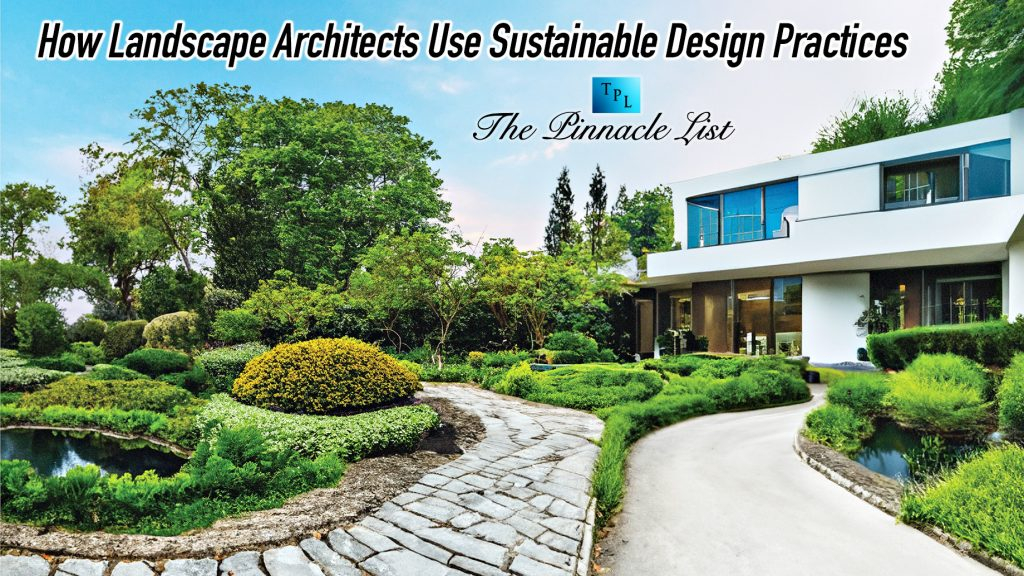
Cities do not have to be concrete deserts. Smart urban design brings nature right into our neighborhoods. We can build towns that welcome wildlife instead of shutting them out.
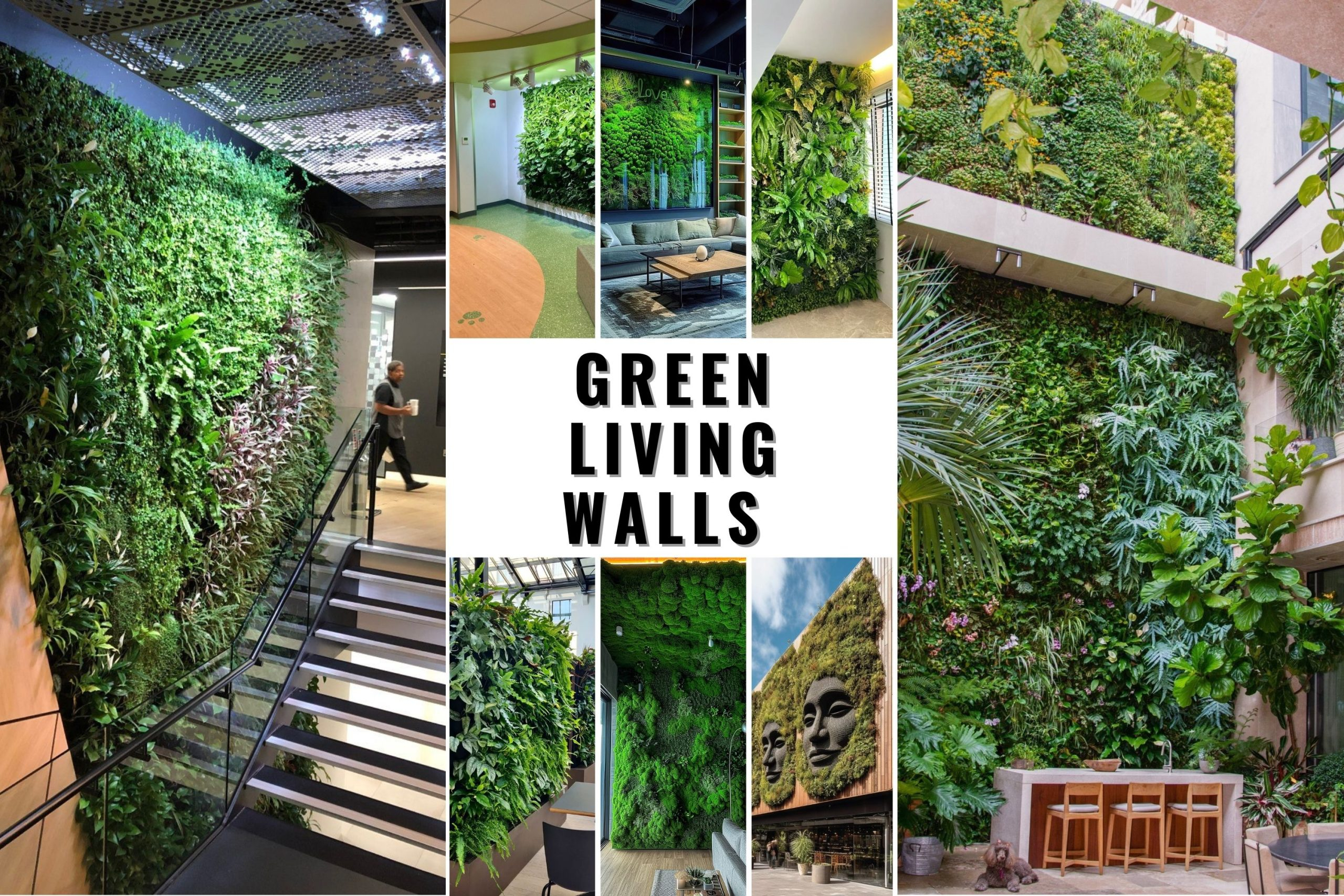
Rooftop gardens and rain gardens make a huge difference. They give birds and bugs places to rest and feed. Urban parks act as mini sanctuaries. Even backyard ponds help local amphibians.
City planners are rethinking how suburbs expand. They leave wide green belts untouched. This lets foxes, deer, and birds move through towns smoothly. Coexisting with nature is entirely possible if we design thoughtfully.
Rivers and Waterways as Pathways
Land is not the only thing that needs connecting. Rivers and streams are vital lifelines for aquatic species and land animals alike. Waterways guide countless migratory paths.
Dams and concrete riverbanks block fish from spawning. Removing old dams restores natural water flow. Salmon and other fish can finally swim upstream again.
Restoring muddy banks with natural plants helps too. Otters, beavers, and birds use these riparian zones to travel. Keeping water clean and free-flowing keeps entire ecosystems healthy.
Smart Tech and Monitoring
We cannot protect what we do not understand. Modern technology helps us track how animals use the landscape. Researchers use advanced tools to map migration routes accurately.
Motion-sensor cameras capture rare glimpses of wildlife using new corridors. GPS collars show scientists which paths animals prefer. This data guides future construction projects.
Drones monitor large forest areas from above. They spot environmental damage quickly. Technology gives us the insights we need to build better wildlife crossings.
You do not need to be a top scientist to help out. Everyday people can make a big difference right in their own yards. Small choices add up to massive global changes.
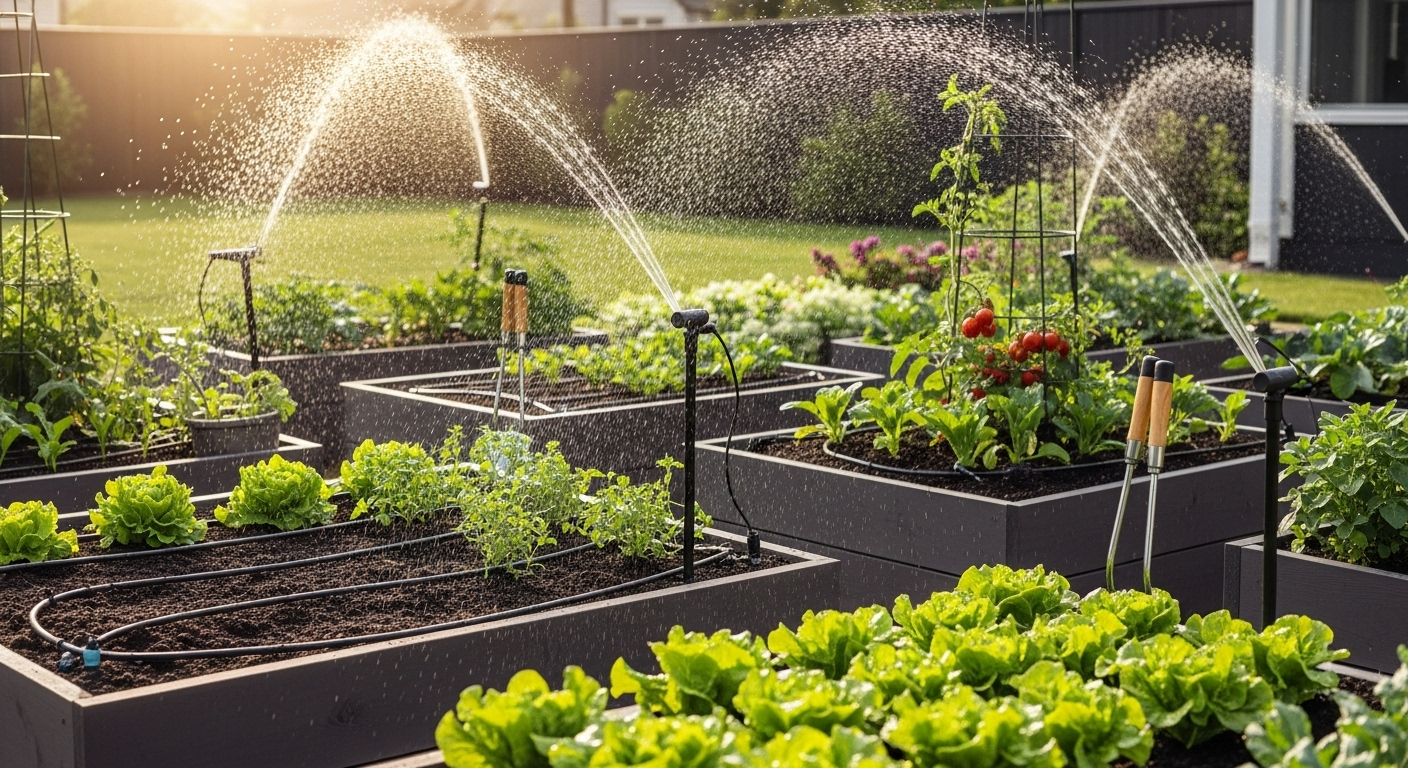
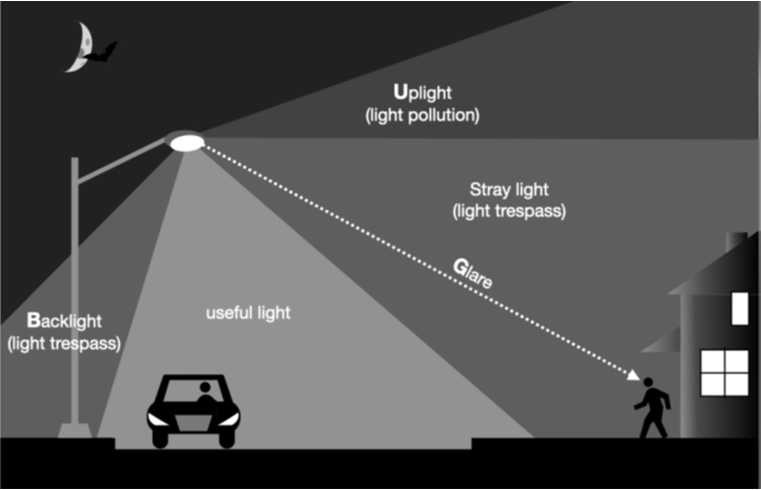
Planting native flowers in your garden attracts bees and butterflies. Turning off bright outdoor lights at night helps migrating birds navigate. Keeping pets indoors protects local wildlife.
Supporting local conservation groups matters too. Speak up for green spaces in your town. Together, we can build a world where nature thrives right alongside us.
Looking back at how far we have come, the path forward is clear. We have the knowledge and tools to heal our fragmented planet. Designing better landscapes is not just about saving animals. It is about saving ourselves by keeping nature balanced.
The journey ahead requires teamwork and patience. Governments, scientists, and everyday citizens must work hand in hand. Let us embrace this vision for tomorrow and give wildlife the freedom they deserve.