There’s something about a cottage wrapped in wood that just feels right. It’s not just a building; it’s a feeling. You know the one. The way the light hits the grain in the late afternoon, casting long, warm shadows across the porch. It invites you in before you even reach the door. In 2026, as we look for ways to slow down and reconnect with what’s real, this aesthetic isn’t just trending—it’s becoming a lifestyle choice.
We aren’t talking about perfect, factory-made panels here. We’re talking about timber that breathes. Wood that changes with the seasons. It’s raw, it’s honest, and it tells a story. Whether you are renovating an old farmhouse or dreaming up a new getaway, getting that rustic vibe right is less about following strict rules and more about understanding the soul of the material. Let’s dive into how you can make it happen without losing your mind or your budget.
Choosing the Right Timber for Your Climate
Not all wood is created equal, and picking the wrong type can turn your dream project into a maintenance nightmare. Cedar is often the go-to for many homeowners because it’s naturally resistant to rot and insects. It has this beautiful, reddish hue that weathers to a lovely silver-gray if you let it be. But it’s not the only player in town. Accoya, for instance, has gained massive popularity recently. It’s modified wood that’s incredibly stable and durable, making it a sustainable choice that lasts decades without needing harsh chemical treatments.
If you are in a particularly wet or humid area, you might want to look at hardwoods like ipe or thermally modified ash. These options are denser and handle moisture better than softer woods. The key is to match the wood to your local environment. Don’t fight nature; work with it. A quick chat with a local supplier can save you years of regret. They’ll know what holds up in your specific zip code. After all, a cottage should feel like it grew out of the landscape, not like it was dropped there by mistake.
Mastering the Art of Texture and Pattern
Flat walls are boring. Rustic charm lives in the details, and nothing adds detail like texture. Shiplap is classic, sure, but have you considered board-and-batten? It creates vertical lines that draw the eye upward, making smaller cottages feel taller and more grand. Or maybe you prefer the rugged look of log lap cladding. This style mimics the appearance of traditional log cabins but is often easier to install and maintain. It adds a serious dose of cozy, cabin-in-the-woods energy.
Mixing patterns can also create depth. Try using horizontal siding on the main body of the house and switching to vertical battens on the gables or around windows. This break in pattern keeps the eye interested and adds architectural character. Don’t be afraid to experiment with widths too. Wider boards feel more modern and substantial, while narrower strips can feel more delicate and traditional. The variation in wood grain ensures the exterior doesn’t feel flat or monotonous, even in a minimalist design. It’s these little touches that boost curb appeal significantly.
Blending Stone and Wood for Visual Contrast
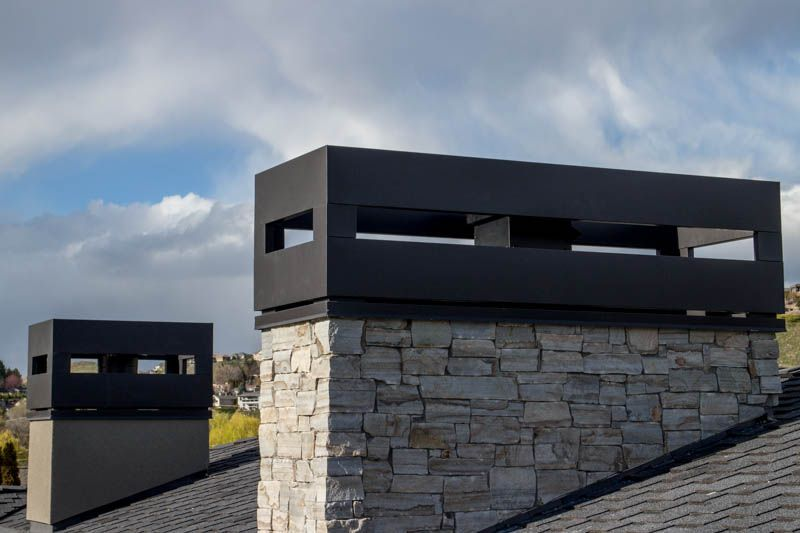
Wood is warm, but it can sometimes feel a bit soft on its own. Pairing it with stone creates a stunning visual contrast that grounds the structure. Think about a stone foundation or a chimney breast made of fieldstone. The roughness of the stone against the smoothness of the wood creates a tactile experience that is deeply satisfying. It gives a sense of permanence and strength, balancing the organic feel of the timber.
You don’t need to go overboard. Even small accents, like stone pillars at the entrance or a stone veneer on the lower third of the wall, can make a huge difference. The key is to choose stones that complement the color tone of your wood. If you have warm-toned cedar, look for stones with hints of brown or tan. For cooler, gray-washed wood, slate or granite might be a better fit. This combination blends seamlessly with the landscape, making your home feel like it belongs there. It’s a timeless pairing that never goes out of style.
The Magic of Reclaimed and Weathered Wood
New wood is great, but reclaimed wood has a soul. It comes with history. Maybe it was part of an old barn or a warehouse from the early 1900s. Using reclaimed timber adds instant character and authenticity that new materials just can’t replicate. The nail holes, the saw marks, the uneven edges—these aren’t flaws; they’re features. They tell a story of resilience and time.
If reclaimed wood is out of your budget or hard to find, you can achieve a similar look with weathering techniques. There are natural oils and stains that accelerate the aging process, giving new wood that silvery, sun-bleached look in a fraction of the time. Just be careful not to make it look too uniform. Nature is random, so your finish should be too. Brush the stain on unevenly, or let the rain do some of the work for you. The goal is imperfection. Perfectly perfect wood looks fake. We want real.
Finishes That Protect Without Hiding the Grain
One of the biggest mistakes people make is slapping on thick, glossy paint that hides the beauty of the wood. Don’t do it. The whole point of natural wood cladding is to show off the grain. Instead, opt for transparent or semi-transparent stains and oils. These products penetrate the wood, protecting it from UV rays and moisture while letting the natural texture shine through.
In 2026, there are some fantastic eco-friendly options available. Look for plant-based oils or water-based finishes that have low VOCs (volatile organic compounds). They are better for the environment and safer for you to apply. Remember, wood needs to breathe. Sealing it too tightly can trap moisture inside, leading to rot from the within out. A good rule of thumb is to reapply your finish every few years, depending on your climate. It’s a small ritual that keeps your cottage looking fresh and protected. Plus, it’s a nice excuse to spend a weekend outdoors, enjoying your space.
Your wood cladding doesn’t exist in a vacuum. How you light it and what you plant around it matters immensely. Warm, soft lighting is essential. Avoid harsh, white LED floodlights that make the wood look sterile. Instead, use warm-white bulbs in sconces or string lights along the eaves. This highlights the texture of the wood at night, creating a magical, inviting glow. It turns your cottage into a beacon of warmth in the dark.
Landscaping should complement, not compete. Use native plants that thrive in your area. Ferns, hostas, and wildflowers soften the edges of the structure and blend the built environment with the natural one. Consider adding a wooden deck or pathway that matches the cladding to create a cohesive flow. The idea is to blur the lines between inside and outside. When you step onto your porch, you shouldn’t feel like you’ve left nature behind; you should feel like you’ve stepped deeper into it. It’s about harmony.
Creating that timeless rustic cottage vibe is a journey, not a destination. It takes patience and an eye for detail. But the reward is a home that feels alive. A place that welcomes you with open arms and warm tones. By choosing the right wood, playing with texture, mixing materials, and respecting the natural aging process, you can create a space that is uniquely yours.
Don’t rush it. Let the materials speak to you. Watch how the light changes throughout the day. Listen to the advice of locals who know the land. And remember, perfection is the enemy of charm. Embrace the knots, the cracks, and the weathering. They are proof that your home is living, breathing, and standing strong against the elements. That’s the true essence of rustic living.
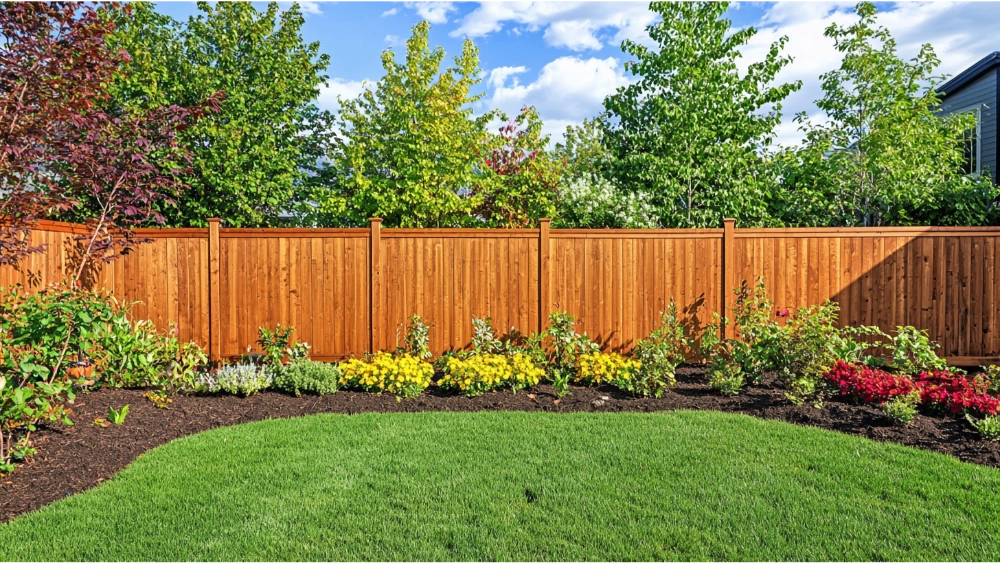
[sps_html tag=”img” src=”https://cdn.northcarolinafinearchitecture.com/2026/06/is-a-pvc-fence-cheaper-than-wood-in-2026-real-costs-you-need-to-know-with-regard-to-wood-siding-design.webp” alt=”Is A Pvc Fence Cheaper Than Wood In 2026? Real Costs You Need To Know … with regard to Wood Siding Design” style=”width: 100%; height: auto;”]
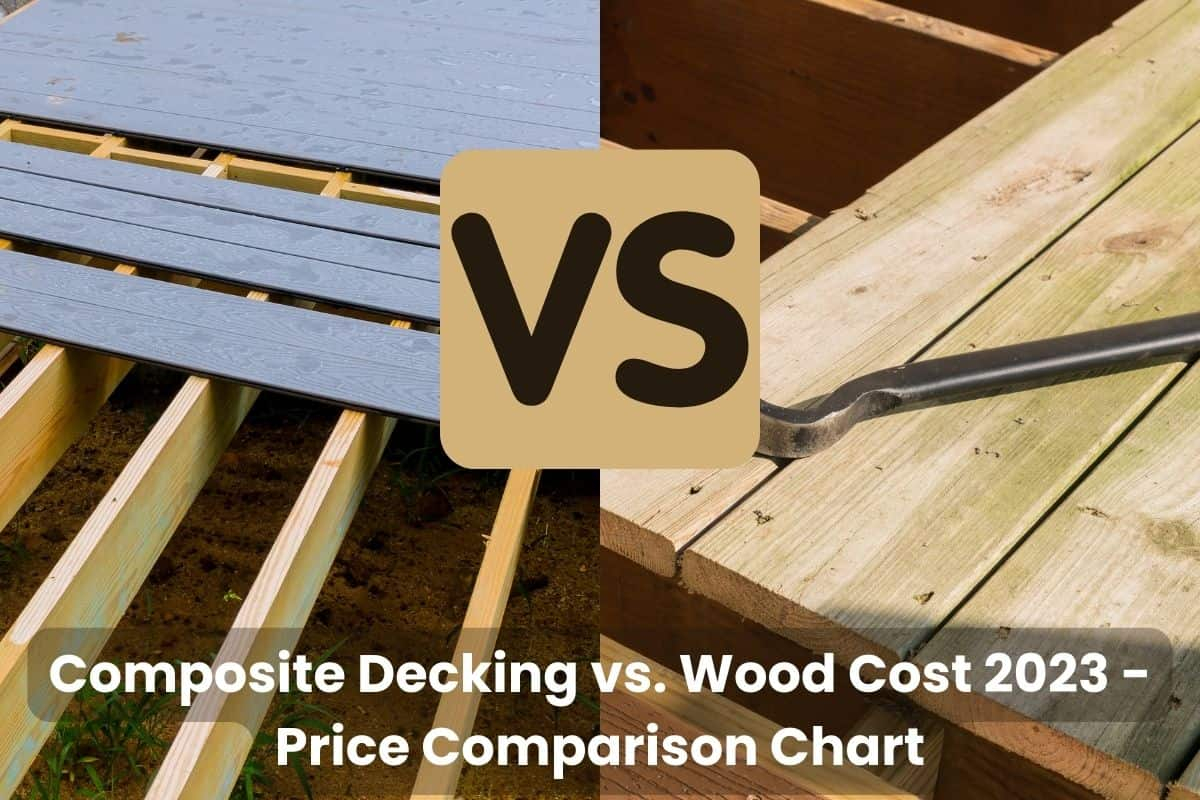
[sps_html tag=”img” src=”https://cdn.northcarolinafinearchitecture.com/2026/06/composite-decking-vs-wood-cost-2023-price-comparison-chart-with-the-real-cost-of-maintaining-natural-wood-versus-modern-alternatives-in-2026.jpg” alt=”Composite Decking Vs. Wood Cost 2023 - Price Comparison Chart … with The Real Cost of Maintaining Natural Wood Versus Modern Alternatives in 2026″ style=”width: 100%; height: auto;”]
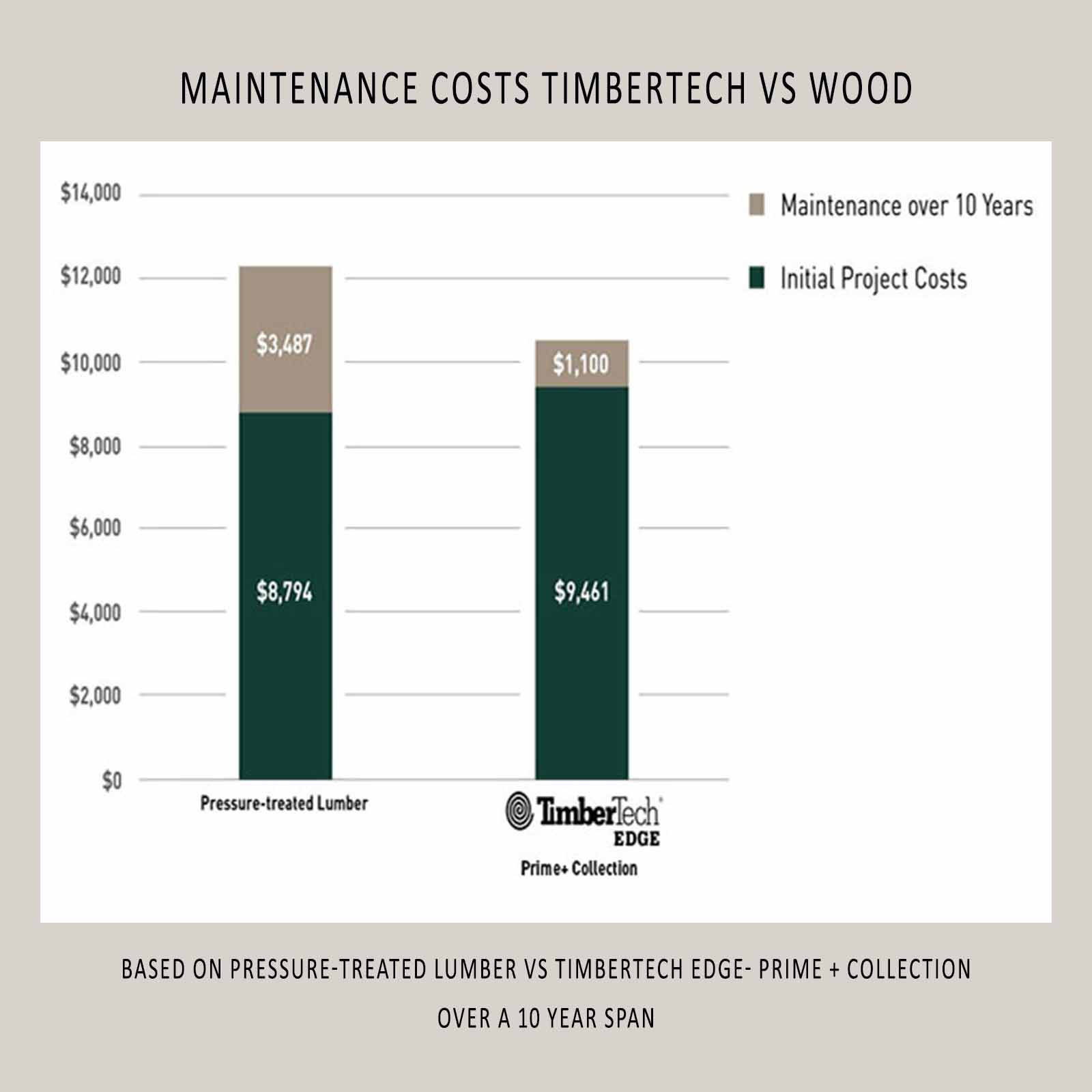
[sps_html tag=”img” src=”https://cdn.northcarolinafinearchitecture.com/2026/06/timbertech-vs-wood-maintenance-costs-astro-u-p-throughout-wood-siding-design.jpg” alt=”Timbertech Vs Wood Maintenance Costs - Astro U.p. throughout Wood Siding Design” style=”width: 100%; height: auto;”]
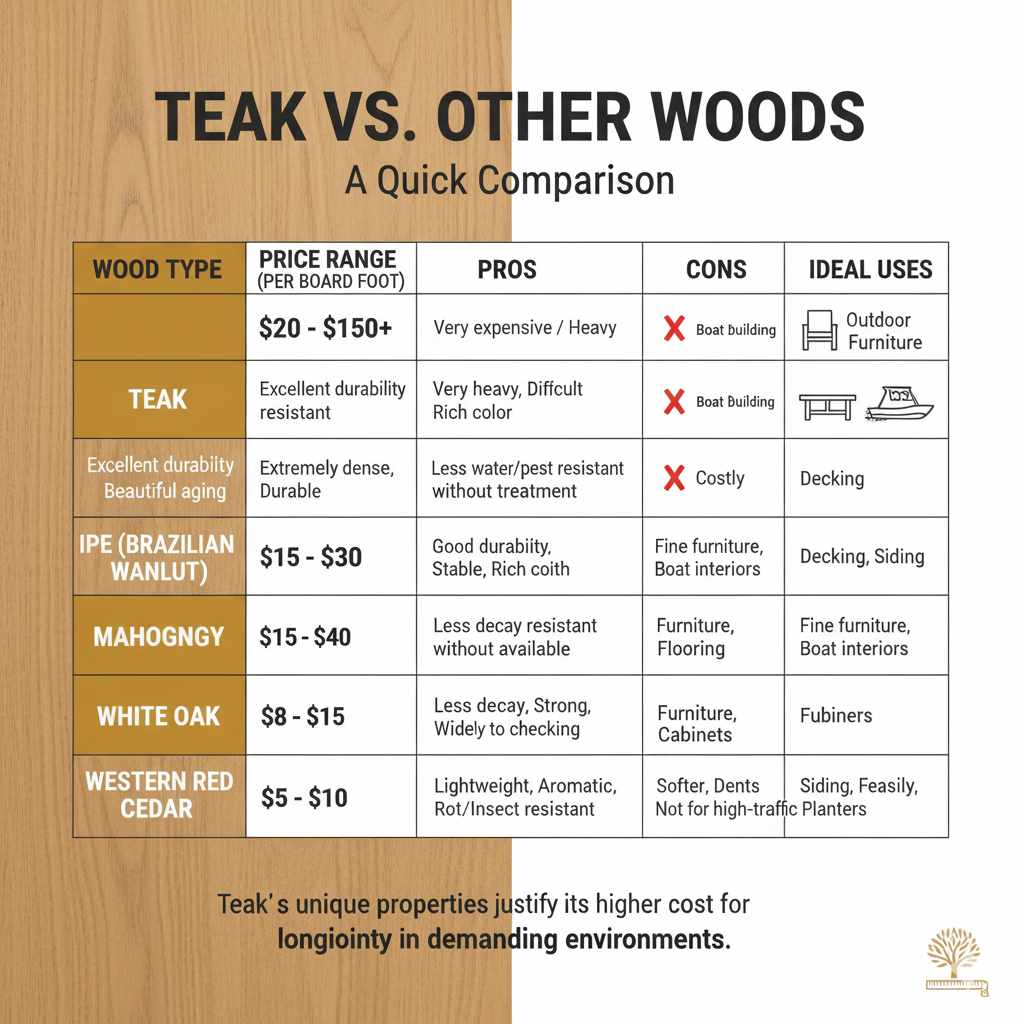
[sps_html tag=”img” src=”https://cdn.northcarolinafinearchitecture.com/2026/06/how-much-is-teak-wood-essential-guide-revealed-regarding-the-real-cost-of-maintaining-natural-wood-versus-modern-alternatives-in-2026.jpg” alt=”How Much Is Teak Wood: Essential Guide Revealed regarding The Real Cost of Maintaining Natural Wood Versus Modern Alternatives in 2026″ style=”width: 100%; height: auto;”]
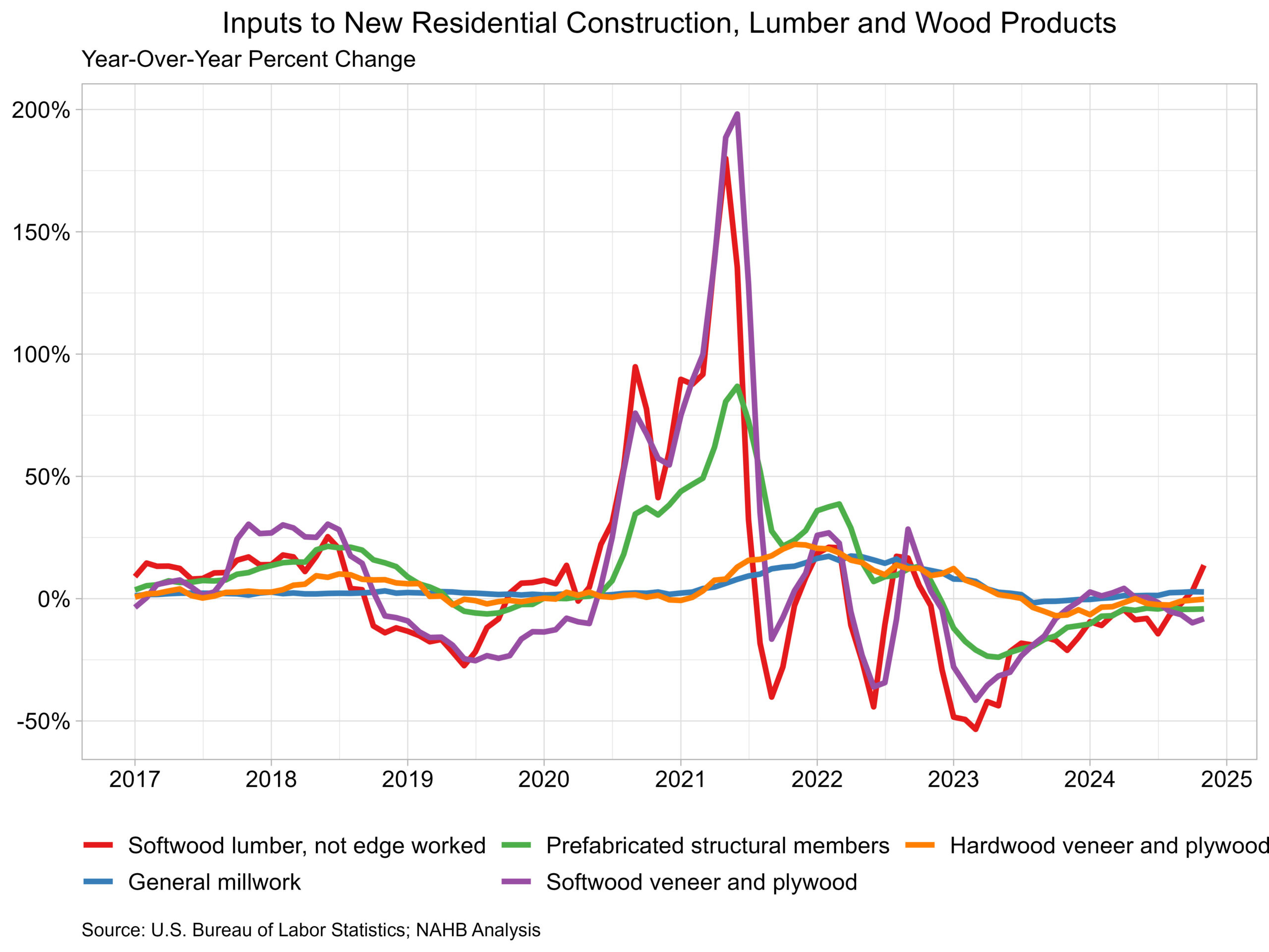
[sps_html tag=”img” src=”https://cdn.northcarolinafinearchitecture.com/2026/06/building-material-prices-increase-led-by-lumber-costs-regarding-wood-siding-design.jpg” alt=”Building Material Prices Increase Led By Lumber Costs regarding Wood Siding Design” style=”width: 100%; height: auto;”]