You’ve probably seen it before. That jagged line running across a freshly poured driveway. Or the spiderweb fractures on a backyard patio that looked perfect just last summer. It’s frustrating, isn’t it? You spent good money on that slab. You watched the crew smooth it out. You waited patiently for it to cure. And then, seemingly out of nowhere, it splits open.
Most folks assume something went wrong. Maybe the mix was bad. Maybe the contractor cut corners. While those things can happen, the reality is often much simpler—and honestly, a bit more fascinating. Concrete is not a static material. It breathes. It shrinks. It expands. It reacts to the world around it. Ignoring this natural behavior is like trying to hold back the tide with a spoon. But there is a way to work with these forces instead of fighting them. That’s where movement joints come in. They aren’t just aesthetic lines; they are engineered safety valves that save your concrete from itself.
The Myth of the Perfect Slab
Let’s get one thing straight right off the bat: uncracked concrete is basically a myth. If someone promises you a large slab of concrete that will never crack, they’re either selling you something expensive or they don’t understand the material. Concrete is strong, sure. It can hold up a skyscraper. But it’s also brittle. Think of it like a cookie. It can take a lot of weight if you press down evenly, but bend it slightly, and snap.
The reason lies in how concrete is made. It’s a mixture of cement, water, aggregates (like sand and gravel), and sometimes additives. When water meets cement, a chemical reaction called hydration begins. This process generates heat and causes the mixture to harden. But as it hardens, it also loses moisture. This loss leads to shrinkage. We’re talking about microscopic changes at first, but over a large area, those tiny shifts add up to significant tension.
In 2026, we have better mixes than ever before. High-performance concretes with fiber reinforcements are more common in residential projects. These help control cracking by holding the material together internally. But even the best modern mix cannot stop the fundamental physics of shrinkage and thermal expansion. The goal isn’t to prevent all cracks—that’s impossible. The goal is to control where they happen. That’s the key difference between a professional job and a DIY disaster.
Why Concrete Wants to Break
So, what exactly is pulling your slab apart? There are three main culprits, and they’re usually working together. First, there’s plastic shrinkage. This happens when the concrete is still fresh, within the first few hours after pouring. If the surface dries out faster than the bleed water can rise to replace it, tiny cracks form. You might see these as hairline fractures on a hot, windy day. They’re superficial, but they’re a sign that the surface was stressed early on.
Then there’s drying shrinkage. This is the long game. As concrete cures over weeks and months, it continues to lose moisture. A typical slab can shrink by about 1/16th of an inch over a 10-foot span. That doesn’t sound like much, until you realize that the slab is restrained. It’s stuck to the ground below, or framed by walls, or connected to other structures. It wants to shrink, but it can’t move freely. So, it pulls against itself until something gives. Usually, that “something” is the concrete itself, resulting in a crack.
Finally, there’s thermal expansion and contraction. Concrete expands when it gets hot and contracts when it cools. In places with extreme seasonal shifts, this movement can be substantial. Imagine a 20-foot driveway. In the peak of summer, it might expand by a quarter-inch. In winter, it shrinks back. If there’s no room for this movement, the pressure builds up. Without a place to go, the slab will buckle or crack. It’s simple physics, really. Force equals mass times acceleration, but in construction, force equals restraint times movement. No room to move means big trouble.
Enter the Hero: Movement Joints
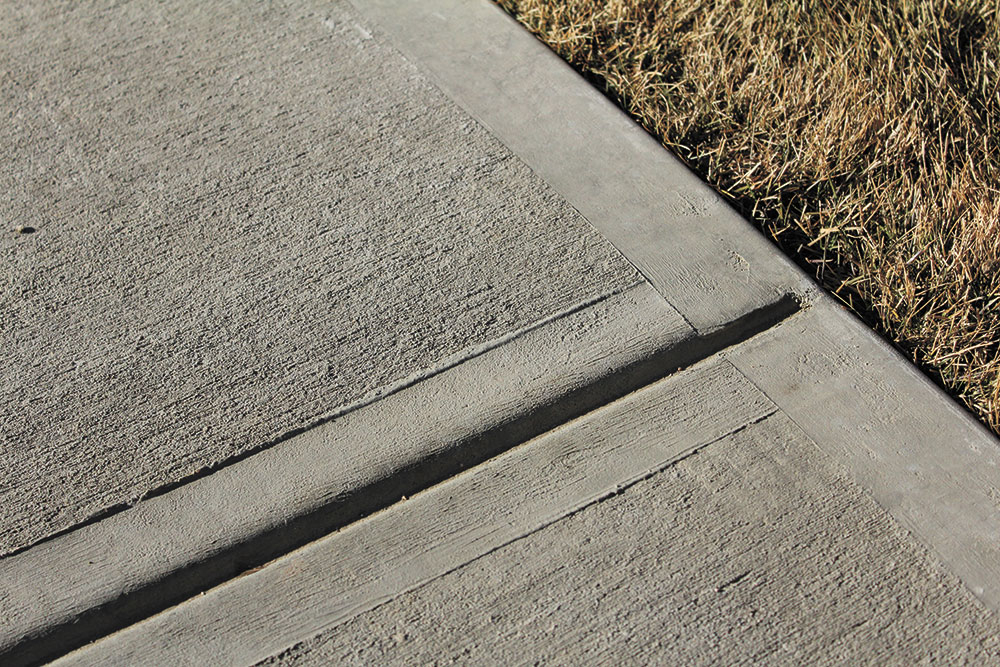
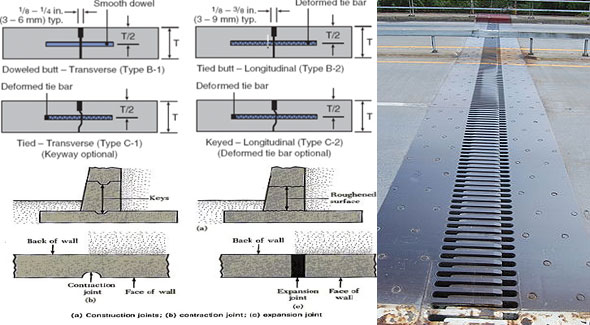
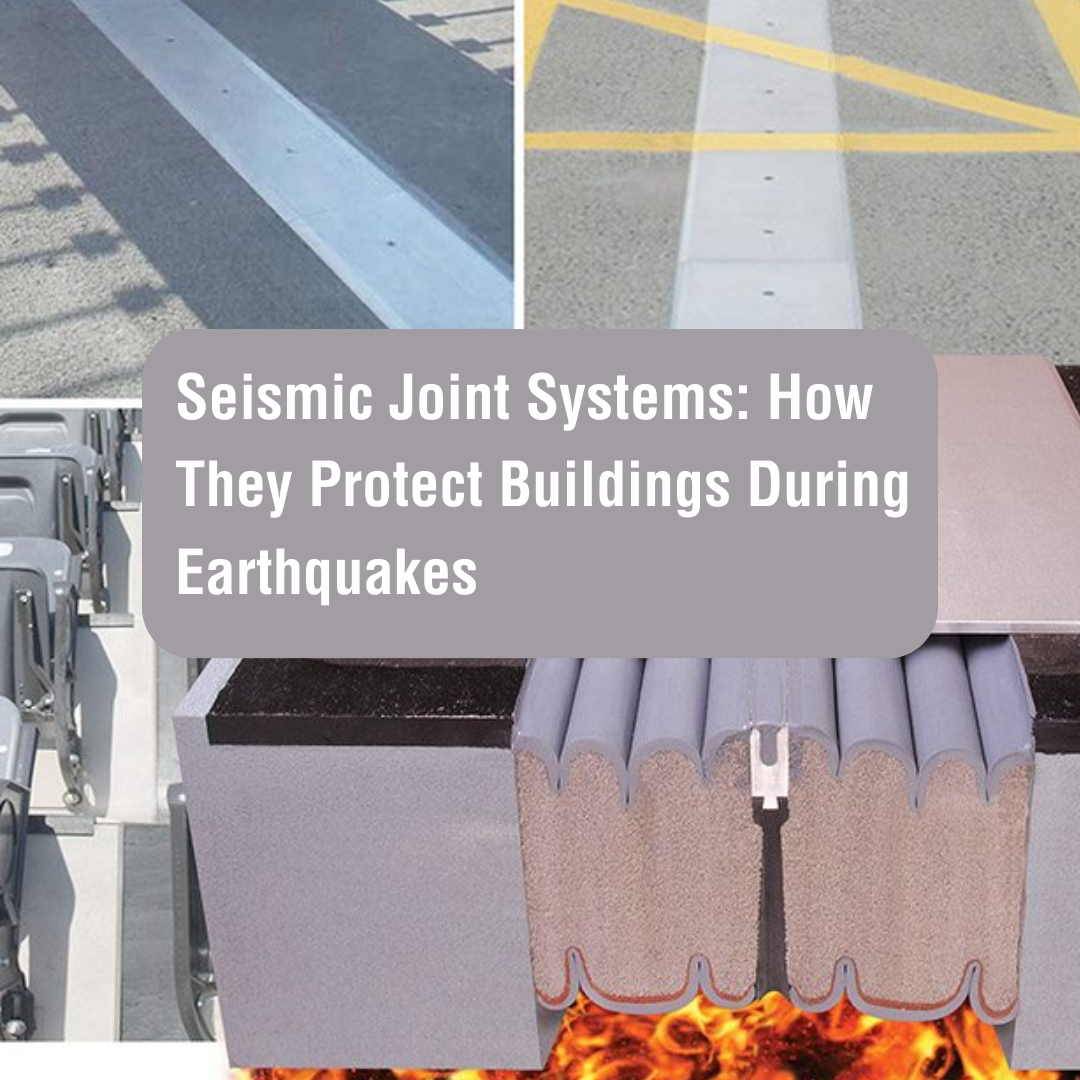
This is where movement joints save the day. You might know them by different names: expansion joints, control joints, isolation joints, or contraction joints. While engineers distinguish between them based on their specific function, for most homeowners, they serve the same basic purpose: they create a weak point on purpose.
Think of it like the perforated line on a paper towel roll. You want the paper to tear, but you want it to tear exactly where you intend. If there were no perforations, the paper would rip randomly, often ruining the sheet. Movement joints are those perforations for concrete. By creating a planned discontinuity in the slab, you give the concrete a specific place to crack. The crack still happens, but it happens inside the joint, where it’s hidden and harmless.
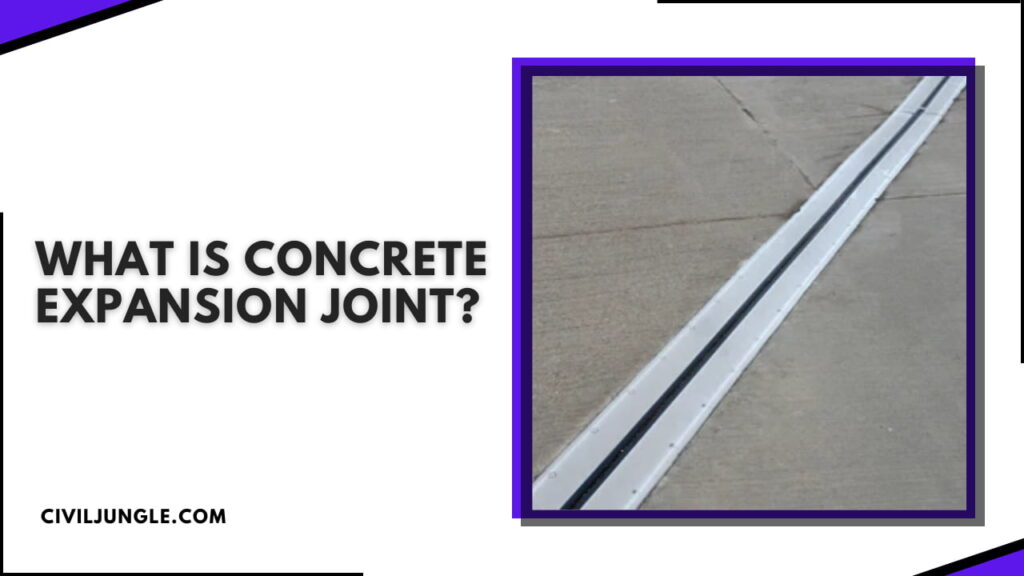
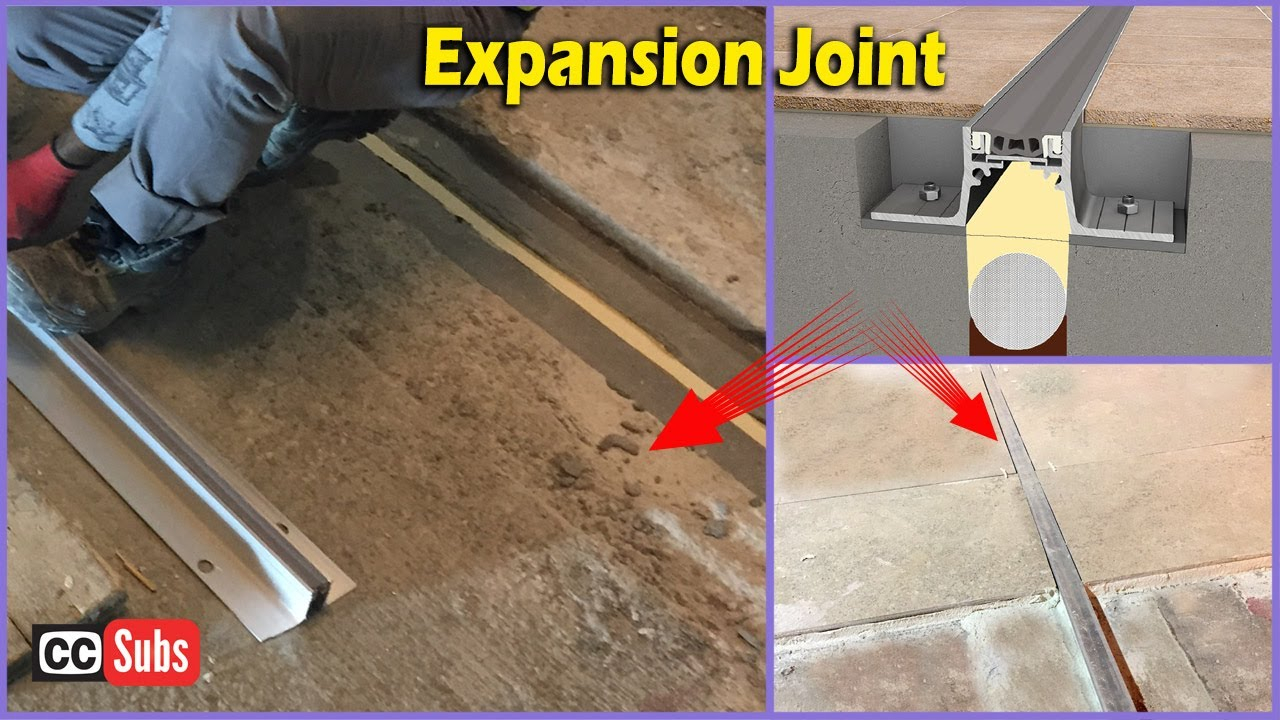
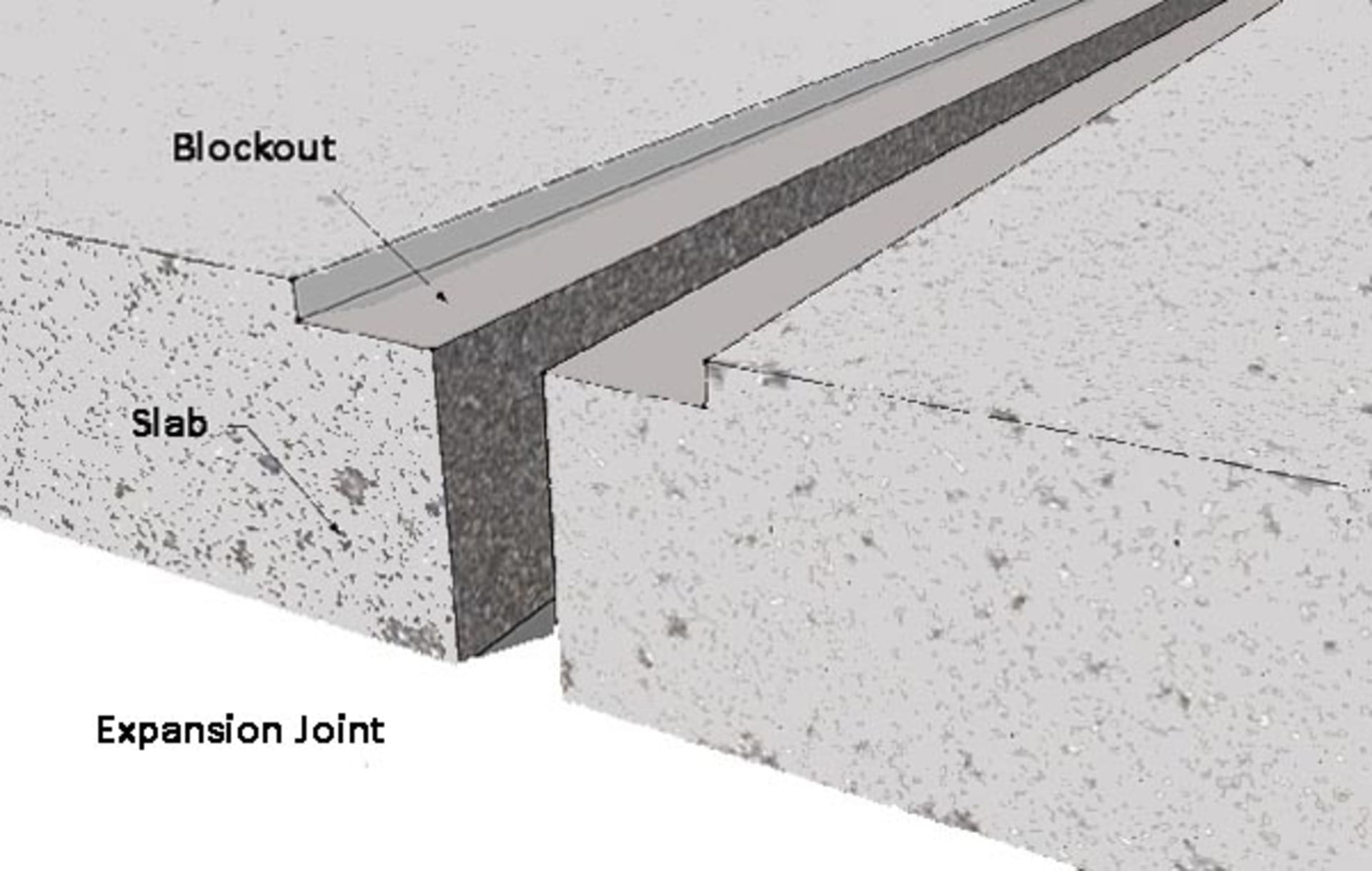
There are two main types you’ll see in residential work. Control joints (or contraction joints) are cuts made in the slab to induce cracking at regular intervals. They’re usually spaced at intervals equal to 24 to 30 times the thickness of the slab. For a 4-inch driveway, that means cuts every 8 to 10 feet. Expansion joints, on the other hand, are full-depth separations filled with a flexible material like foam or rubber. They’re used where the slab meets a building, a wall, or another rigid structure. They allow the slab to expand without pushing against the house foundation.
How to Get Joints Right
Installing movement joints isn’t just about cutting a line and calling it a day. Timing matters immensely. If you cut too early, the concrete is too soft and the edges will ravel, leaving a messy, crumbly groove. If you wait too long, the concrete may have already cracked on its own due to internal stress. The sweet spot is typically within 6 to 18 hours after pouring, depending on the weather and the mix. In hotter climates, you might need to cut sooner. In cooler temps, you can wait a bit longer.
Depth is another critical factor. A control joint needs to be deep enough to effectively weaken the slab. The general rule of thumb is that the cut should be at least one-quarter to one-third of the slab’s thickness. For a standard 4-inch driveway, that means a cut depth of 1 to 1.5 inches. If the cut is too shallow, the concrete will ignore it and crack elsewhere. It’s like trying to stop a river with a small dam; the water will just find a way around.
Spacing is equally important. As mentioned earlier, the distance between joints should relate to the slab thickness. But other factors play a role too. The type of subgrade matters. A stable, well-compacted base allows for wider spacing. A poor base might require closer joints. The amount of steel reinforcement also affects spacing. More rebar or wire mesh can help hold cracks tight, allowing for slightly wider joint spacing, but it doesn’t eliminate the need for joints altogether.
Common Mistakes Homeowners Make
Even with the best intentions, things can go wrong. One of the most frequent errors is skipping joints entirely to achieve a “clean” look. Some people dislike the appearance of cut lines and ask contractors to omit them. This is a recipe for disaster. Without joints, random cracking is guaranteed. And unlike a neat, straight joint, random cracks are ugly, uneven, and can trip people up.
Another mistake is using the wrong filler material. Expansion joints need to be filled with a compressible material that can handle movement. Using hard mortar or grout defeats the purpose. If the joint is rigid, it can’t absorb expansion, and the slab will crack next to the joint anyway. In 2026, there are excellent self-leveling sealants available that remain flexible for years. They’re worth the extra cost.
People also forget about maintenance. Joints aren’t install-and-forget features. Over time, debris, dirt, and vegetation can accumulate in them. This prevents the joint from closing properly during contraction, leading to spalling (chipping) at the edges. Regular cleaning and resealing every few years can extend the life of your concrete significantly. It’s a small effort that pays off big time.
Signs Your Joints Are Failing
How do you know if your movement joints are doing their job? Look closely. If you see cracks forming parallel to the joints, or if the concrete is crumbling around the edges, the joints might be failing. This could be due to improper depth, poor timing, or lack of maintenance. Another sign is if the joint filler has popped out or hardened. Flexible fillers should remain pliable. If they’re brittle or missing, water can seep in, freeze, and cause further damage.
Water infiltration is a silent killer. When water gets into a crack or joint and freezes, it expands. This freeze-thaw cycle can widen cracks and break apart the concrete from the inside out. In regions with harsh winters, this is a major concern. Properly sealed joints keep water out. If you notice puddles forming in joints or cracks staying wet long after rain stops, it’s time to reseal.
Also, watch for differential settlement. If one side of a joint is significantly higher than the other, it suggests the subgrade beneath is shifting. This isn’t necessarily a joint failure, but it indicates underlying soil issues that need addressing. Joints can accommodate some movement, but they can’t fix a sinking foundation. If you see large vertical displacements, consult a structural expert.
At the end of the day, concrete is a living part of your home. It responds to temperature, moisture, and load. Accepting this fact is the first step toward maintaining it properly. Movement joints aren’t flaws; they’re features. They’re the intelligent design element that allows concrete to perform reliably for decades. Instead of fearing cracks, embrace the strategy that controls them.
When planning your next concrete project, whether it’s a patio, driveway, or walkway, talk to your contractor about the joint layout. Ask where they plan to cut. Ask what filler they’ll use. Make sure they understand the importance of timing. A little conversation upfront can prevent headaches later. And once it’s poured, keep those joints clean and sealed. It’s simple maintenance that protects your investment.
Concrete doesn’t have to be a mystery. By understanding why it cracks and how joints work, you become a smarter homeowner. You’ll spot potential issues early. You’ll make better decisions during construction. And you’ll appreciate the quiet engineering that keeps your hardscapes safe and sound. So the next time you see a neat line cut into a slab, don’t frown. Smile. That’s the sound of good craftsmanship saving the day.
[sps_html tag=”img” src=”https://cdn.northcarolinafinearchitecture.com/2026/05/concrete-expansion-joint-requirements-at-jose-orr-blog-inside-the-hidden-cost-of-ignoring-expansion-joints-in-modern-concrete-structures.jpg” alt=”Concrete Expansion Joint Requirements At Jose Orr Blog inside The Hidden Cost of Ignoring Expansion Joints in Modern Concrete Structures” style=”width: 100%; height: auto;”]
[sps_html tag=”img” src=”https://cdn.northcarolinafinearchitecture.com/2026/05/understanding-concrete-expansion-joints-pertaining-to-the-hidden-cost-of-ignoring-expansion-joints-in-modern-concrete-structures.jpg” alt=”Understanding Concrete Expansion Joints pertaining to The Hidden Cost of Ignoring Expansion Joints in Modern Concrete Structures” style=”width: 100%; height: auto;”]
[sps_html tag=”img” src=”https://cdn.northcarolinafinearchitecture.com/2026/05/cutting-a-concrete-expansion-joint-mastercut-concrete-cutting-sydney-for-the-hidden-cost-of-ignoring-expansion-joints-in-modern-concrete-structures.jpg” alt=”Cutting A Concrete Expansion Joint – Mastercut Concrete Cutting Sydney for The Hidden Cost of Ignoring Expansion Joints in Modern Concrete Structures” style=”width: 100%; height: auto;”]
[sps_html tag=”img” src=”https://cdn.northcarolinafinearchitecture.com/2026/05/expansion-joints-and-contraction-joint-purpose-of-construction-joint-with-the-hidden-cost-of-ignoring-expansion-joints-in-modern-concrete-structures.jpg” alt=”Expansion Joints And Contraction Joint | Purpose Of Construction Joint with The Hidden Cost of Ignoring Expansion Joints in Modern Concrete Structures” style=”width: 100%; height: auto;”]
[sps_html tag=”img” src=”https://cdn.northcarolinafinearchitecture.com/2026/05/all-about-concrete-expansion-joint-types-of-concrete-expansion-joints-in-the-hidden-cost-of-ignoring-expansion-joints-in-modern-concrete-structures.jpg” alt=”All About Concrete Expansion Joint | Types Of Concrete Expansion Joints … in The Hidden Cost of Ignoring Expansion Joints in Modern Concrete Structures” style=”width: 100%; height: auto;”]