Have you ever stood in your backyard during the peak of summer, watching the sprinklers hiss away precious water onto thirsty, brown patches of grass, and felt a pang of guilt? Or maybe you’ve just moved to a drier region and realized that the lush lawn you grew up with simply isn’t going to work here. You’re not alone. In 2026, as water scarcity becomes a more pressing reality across the American West, parts of Australia, and Mediterranean zones, homeowners are rethinking what a "beautiful" garden looks like. It’s no longer about fighting nature to keep green turf alive; it’s about working with the land you have.
Xeriscaping often gets a bad rap. People hear the word and picture a barren wasteland of gravel and a single, lonely cactus. But that’s an old myth. Today, xeriscaping is vibrant, textured, and deeply alive. It’s about choosing plants that love the heat, designing soil that holds moisture, and creating spaces that feel cool and inviting even when the thermometer hits triple digits. This guide isn’t just about saving water—though you’ll save plenty of that—it’s about building a landscape that thrives rather than just survives. Let’s dig in.
Understanding the Soul of Xeriscaping
At its core, xeriscaping is a philosophy, not just a gardening technique. The term comes from the Greek word "xeros," meaning dry, but it doesn’t mean "no water." It means "right water, right place, right time." In 2026, with climate patterns shifting and droughts becoming more frequent, this approach has moved from niche to necessary. But beyond the practicality, there’s a beauty to it that’s hard to ignore once you see it done well. Think of the silvery glow of sagebrush in the moonlight or the explosive orange of a California poppy against a deep blue sky. These are landscapes that speak to their environment.
Many beginners make the mistake of thinking they need to rip out everything and start from scratch. That’s rarely necessary. Start by observing your space. Where does the sun hit hardest in the afternoon? Where does water pool after a rare rainstorm? These microclimates exist in every yard, even small ones. By mapping these out, you can place plants where they’ll naturally flourish without constant intervention. It’s less about control and more about partnership. You’re inviting native species to take root, knowing they’ve evolved over thousands of years to handle exactly what your region throws at them.
The benefits go beyond water bills, though those savings are significant. A well-planned xeriscape reduces maintenance time drastically. No more weekly mowing, fertilizing, or reseeding. Instead, you get a dynamic ecosystem that supports local pollinators, birds, and beneficial insects. In urban areas, these gardens act as cooling islands, reducing the "heat island" effect that makes cities so unbearable in summer. It’s a holistic shift. You’re not just planting a garden; you’re restoring a small piece of the local ecology. And honestly, isn’t that a nicer way to live?
Soil Preparation: The Hidden Foundation
If there’s one secret to a thriving dry-climate garden, it’s this: healthy soil. Most people skip straight to buying plants, but that’s like building a house on sand. In arid regions, soil is often compacted, clay-heavy, or overly sandy, meaning it either drains too fast or holds water like a swamp. Neither is ideal for most drought-tolerant plants, which prefer well-draining earth. Before you plant a single seed, you need to fix what’s underneath. This might sound boring, but trust me, it’s the difference between a garden that struggles and one that explodes with life.
Start by testing your soil. You can buy a simple kit online or send a sample to a local extension office. Look for pH levels and organic matter content. Most xeriscape plants prefer slightly alkaline to neutral soil, but knowing your baseline helps. Next, amend the soil. For clay soils, adding coarse sand and gypsum can improve drainage. For sandy soils, mixing in compost or aged manure helps retain moisture. The goal isn’t to create a rich, loamy garden bed like you would for vegetables; it’s to create a structure that allows roots to breathe and access water efficiently. Avoid peat moss, which is unsustainable and breaks down too quickly in hot climates.
Don’t forget to till or loosen the top 12 to 18 inches of soil. This encourages deep root growth, which is crucial for drought resistance. Shallow roots mean plants need frequent watering; deep roots mean they can tap into moisture reserves deeper underground. Once amended, let the soil settle for a few weeks if possible. This gives microbes a chance to start working. It’s a slow process, but nature doesn’t rush. And neither should you. Taking this time now saves you from replacing dead plants later. It’s an investment in resilience.
Choosing Plants That Love the Heat
This is the fun part. Picking plants for a xeriscape is like curating an art collection. You want variety in color, texture, height, and bloom time. But the golden rule is: choose native or adapted species. Native plants have co-evolved with your local climate, pests, and soil. They know what to do. Adapted plants come from similar dry climates elsewhere (like Mediterranean or South African species) and can also thrive if chosen carefully. In 2026, nurseries are stocking more of these options than ever before, making it easier to find unique specimens.
Start with a "thriller, filler, spiller" mindset, but adapt it for dry conditions. Your "thriller" might be a striking Yucca or a sculptural Agave. These provide vertical interest and year-round structure. "Fillers" could be lavender, rosemary, or salvia, which offer fragrance and blooms for pollinators. "Spillers" like creeping thyme or ice plant soften edges and cover bare soil, which helps retain moisture. Aim for layers. A flat garden feels static; a layered one feels alive. Mix evergreens with deciduous shrubs so you have interest in winter too.
Timing matters. Plant in the cooler months—early spring or fall—so roots can establish before the heat hits. Group plants with similar water needs together. This is called hydrozoning. Put your thirstiest plants (yes, even xeriscapes have a few) near the house or in shaded spots, and put the true desert lovers in the hottest, driest areas. Don’t overcrowd. Give plants room to grow to their mature size. Overcrowding leads to competition for water and increased disease risk. Patience is key. A xeriscape takes two to three years to fully fill in, but once it does, it’s largely self-sustaining.
Smart Watering Systems and Efficiency
Even drought-tolerant plants need water to get established. The first year is critical. After that, many natives can survive on rainfall alone, but supplemental watering during extreme droughts keeps them looking their best. The key is efficiency. Ditch the overhead sprinklers. They lose huge amounts of water to evaporation and wind. Instead, use drip irrigation or soaker hoses. These deliver water directly to the root zone, where it’s needed most. In 2026, smart controllers are more affordable and accessible. These devices adjust watering schedules based on local weather data, soil moisture sensors, and plant types.
Install a rain barrel or two. Capturing runoff from your roof provides free, chlorine-free water for your garden. It’s simple tech with a big impact. Connect your drip system to these barrels if possible, or use them for hand-watering new plants. Mulch is another essential tool. A 2-3 inch layer of organic mulch (like wood chips) or inorganic mulch (like gravel) reduces evaporation, suppresses weeds, and moderates soil temperature. Organic mulches break down over time, adding nutrients to the soil, while inorganic ones last longer and look cleaner in formal designs.
Check your system regularly. Leaks in drip lines are common and waste water silently. Walk your garden once a month and look for wet spots or dry patches. Adjust emitters as plants grow. Remember, overwatering is just as harmful as underwatering in a xeriscape. Many plants die from root rot because owners think they’re helping. Learn the signs of stress. Wilting in the afternoon heat is normal; wilting in the morning means it’s time to water. Listen to your plants. They’ll tell you what they need if you pay attention.
Hardscaping and Design Elements
Plants are only half the story. Hardscaping—paths, patios, walls, and rocks—provides structure and functionality. In dry climates, hardscaping can also help manage heat. Light-colored stones reflect sunlight, keeping surfaces cooler. Dark stones absorb heat, which can be useful in cooler evenings but brutal in midday sun. Choose materials that complement your home’s architecture and the natural landscape. Local stone always looks best because it belongs there. It creates a seamless transition between built and natural environments.
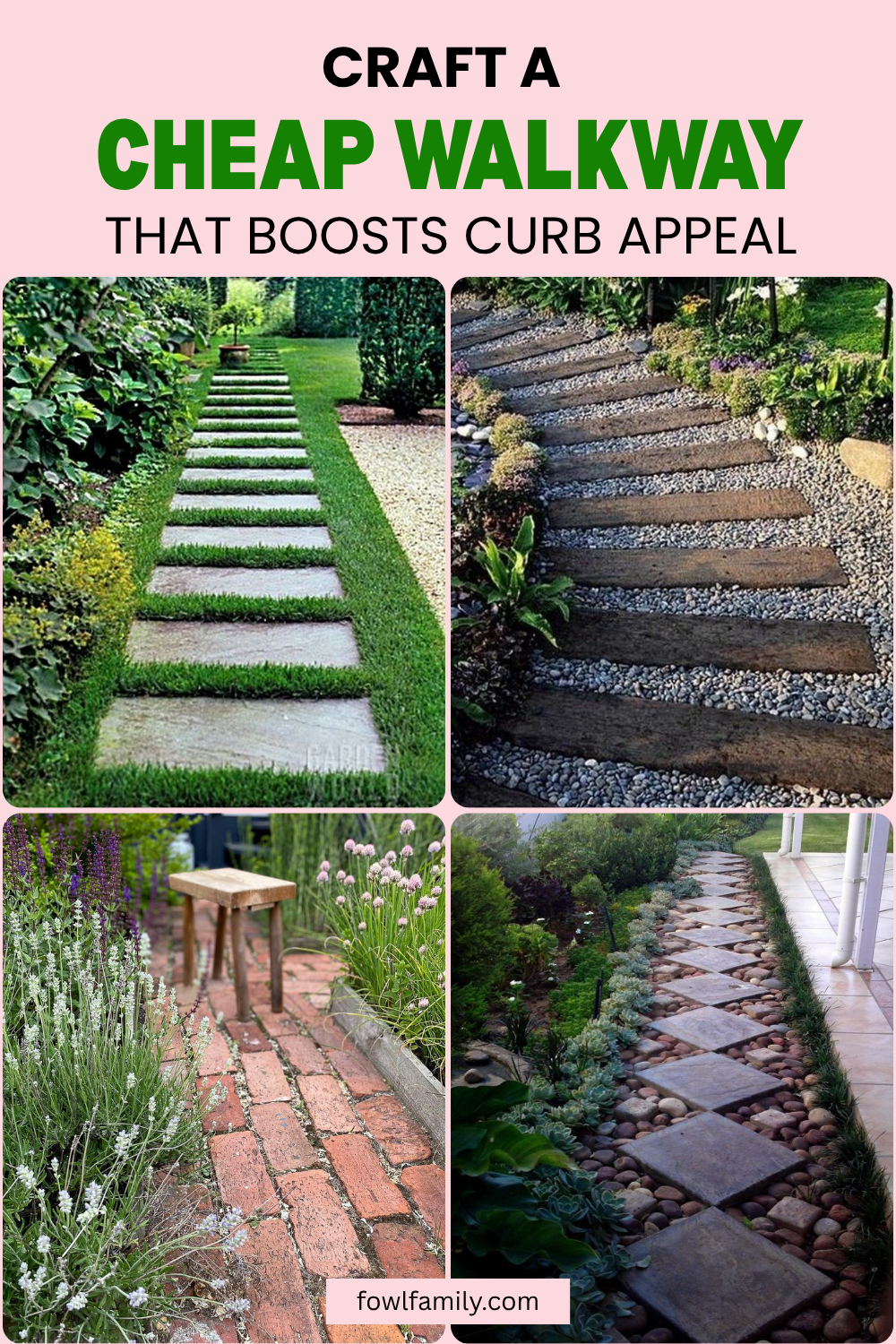
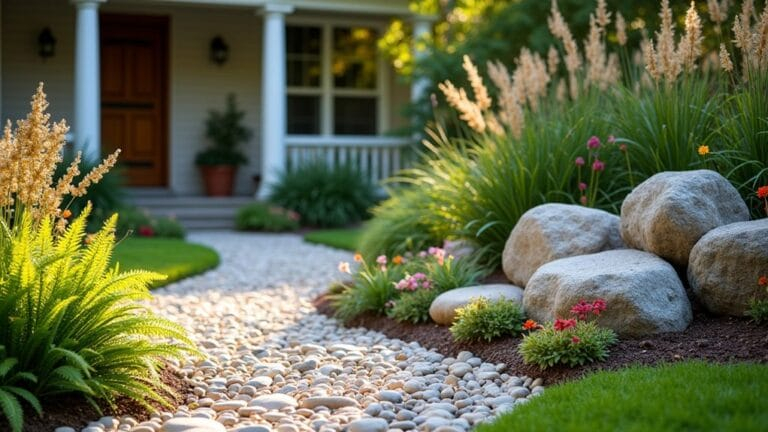
Paths invite exploration. Use permeable pavers or gravel paths to allow rainwater to soak into the ground rather than running off into storm drains. This recharges groundwater and reduces erosion. Create seating areas in shady spots. A pergola covered with drought-tolerant vines like wisteria or grapevine can provide a cool retreat. Add boulders or rock formations for visual weight and habitat. Lizards and small birds love hiding in rock crevices. These elements add year-round interest when plants are dormant.
Don’t forget lighting. Solar-powered LED lights are efficient and easy to install. Use them to highlight specimen plants, pathways, or architectural features. Soft, warm lighting creates ambiance without attracting too many insects. Keep design simple. Clutter feels chaotic in a dry landscape. Clean lines and open spaces evoke calm. Think of Japanese zen gardens or Southwest adobe courtyards. They use minimal elements to maximum effect. Your garden should feel like a sanctuary, not a storage yard for rocks.
One of the biggest myths is that xeriscapes require zero maintenance. They require different maintenance. Instead of weekly mowing, you’ll do seasonal pruning, weeding, and monitoring. In spring, clean up dead foliage from perennials. This prevents disease and encourages new growth. Prune shrubs after they bloom to maintain shape and size. Remove any invasive weeds immediately. Weeds compete for water and can overtake young plants. A hand weeder is your best friend here. Chemical herbicides are rarely needed if you stay on top of it.
Monitor for pests. Healthy plants resist pests better, but outbreaks can happen. Look for signs of aphids, spider mites, or scale. Often, a strong blast of water or introducing beneficial insects like ladybugs solves the problem. Avoid broad-spectrum pesticides, which kill good bugs too. In 2026, integrated pest management (IPM) is the standard practice. It focuses on prevention and natural controls. Keep an eye on irrigation systems. Flush lines annually to prevent clogging. Replace worn-out emitters.
Every few years, refresh mulch. Organic mulch decomposes, so top it off to maintain depth. Check soil health occasionally. If plants look sluggish, a light application of compost tea can boost nutrients without causing excessive growth. Remember, slow growth is good in dry climates. It means denser, tougher tissues that resist drought. Don’t fertilize heavily. Most native plants thrive in lean soils. Too much nitrogen leads to weak, leggy growth that needs more water. Less is more. Enjoy the process. Gardening is a journey, not a destination.
Creating a xeriscape is an act of hope. It’s a belief that we can live beautifully within our means, respecting the limits of our environment while celebrating its unique gifts. You don’t need a huge yard or a big budget. Start small. Replace one patch of lawn with native shrubs. Install a single rain barrel. Observe how the light moves across your space. Learn the names of the plants that already grow wild nearby. These small steps add up. Over time, your garden becomes a reflection of your values and your place in the world.
The beauty of a dry-climate garden lies in its authenticity. It doesn’t pretend to be something it’s not. It embraces the harshness and finds grace within it. The silver leaves shimmer, the blooms burst with unexpected color, and the air smells of sage and earth. It’s a place that invites quiet contemplation and active engagement. You’ll spend less time worrying about water bills and more time watching hummingbirds hover over salvias. That’s a trade-off worth making.
So, where will you start? Maybe it’s sketching a rough plan this weekend. Or visiting a local native plant nursery. Or simply sitting in your yard and noticing what’s already there. There’s no wrong way to begin. The land is waiting to collaborate with you. And in 2026, more than ever, that collaboration feels like a gift. Embrace it. Your future self—and the planet—will thank you.
[sps_html tag=”img” src=”https://cdn.northcarolinafinearchitecture.com/2026/05/23-curb-appeal-ideas-that-instantly-boost-your-homes-charm-and-value-for-simple-rock-garden-ideas-that-boost-curb-appeal-and-save-water.jpg” alt=”23 Curb Appeal Ideas That Instantly Boost Your Home’s Charm And Value … for Simple Rock Garden Ideas That Boost Curb Appeal and Save Water” style=”width: 100%; height: auto;”]
[sps_html tag=”img” src=”https://cdn.northcarolinafinearchitecture.com/2026/05/47-gorgeous-sloped-garden-ideas-digsdigs-throughout-simple-rock-garden-ideas-that-boost-curb-appeal-and-save-water.jpg” alt=”47 Gorgeous Sloped Garden Ideas - Digsdigs throughout Simple Rock Garden Ideas That Boost Curb Appeal and Save Water” style=”width: 100%; height: auto;”]
[sps_html tag=”img” src=”https://cdn.northcarolinafinearchitecture.com/2026/05/24-low-cost-ways-to-instantly-boost-your-homes-curb-appeal-diy-in-simple-rock-garden-ideas-that-boost-curb-appeal-and-save-water-scaled.jpg” alt=”24 Low-Cost Ways To Instantly Boost Your Home's Curb Appeal | Diy … in Simple Rock Garden Ideas That Boost Curb Appeal and Save Water” style=”width: 100%; height: auto;”]
[sps_html tag=”img” src=”https://cdn.northcarolinafinearchitecture.com/2026/05/rock-landscaping-ideas-that-increase-curb-appeal-landscaping-with-pertaining-to-outdoor-xeriscape-design.jpg” alt=”Rock Landscaping Ideas That Increase Curb Appeal | Landscaping With … pertaining to Outdoor Xeriscape Design” style=”width: 100%; height: auto;”]
[sps_html tag=”img” src=”https://cdn.northcarolinafinearchitecture.com/2026/05/decorative-rock-landscaping-ideas-shelly-lighting-intended-for-outdoor-xeriscape-design.jpg” alt=”Decorative Rock Landscaping Ideas | Shelly Lighting intended for Outdoor Xeriscape Design” style=”width: 100%; height: auto;”]