The scent of searing ribeye steak fills the open-plan living space, carrying with it a rich, caramelized promise of dinner. Twenty minutes later, however, that same aroma has settled into the fabric of the sofa, coated the kitchen cabinets in a fine, invisible film of aerosolized oil, and begun to trigger an uninvited tickle in the back of your throat. Most homeowners shrug off this sensory aftermath as the simple price of culinary ambition. Yet, beneath that lingering haze lies a cocktail of nitrogen dioxide, carbon monoxide, fine particulate matter, and polycyclic aromatic hydrocarbons that linger long after the burner clicks off.
For decades, kitchen ventilation has been treated as an afterthought—a noisy, rattling metallic box installed above the stove primarily to appease local building codes. Homeowners tolerate the deafening roar of cheap centrifugal fans, opting to turn them off entirely rather than endure the auditory assault while trying to converse over dinner. This widespread behavioral rejection of ventilation creates a silent health crisis inside modern, tightly sealed residential structures. When air cannot escape, indoor pollutant concentrations frequently surpass outdoor thresholds, turning the heart of the home into an unmonitored chemical exposure chamber.
Reimagining the kitchen exhaust fan as a sophisticated piece of precision engineering changes the entire calculus of residential wellness. By shifting the focus from raw, unregulated cubic feet per minute to integrated fluid dynamics, acoustic dampening, and intelligent make-up air coordination, designers can eliminate indoor air pollution at the source. This approach treats indoor air not as a static volume to be filtered, but as a dynamic fluid ecosystem requiring deliberate management. Achieving this requires moving past standard builder-grade hardware and embracing the rigorous principles of smart kitchen ventilation architecture.
Unpacking the Invisible Threat Matrix of Modern Cooking Emissions
Every time a burner ignites—whether powered by natural gas or propane—combustion byproducts enter the living space. Nitrogen dioxide ($NO_2$) and carbon monoxide ($CO$) pour into the breathing zone, irritating delicate lung tissue and aggravating chronic respiratory conditions like asthma. When high-heat frying or oil-based searing enters the equation, thermal degradation of cooking oils generates massive quantities of PM2.5 and PM10 particulates. These microscopic solids bypass natural nasal filters, embedding deep into pulmonary alveoli and eventually entering the bloodstream. Studies tracking indoor air dynamics consistently reveal that unexhausted gas cooking can elevate indoor pollutant levels to standards that would violate outdoor EPA clean air regulations if measured outside.
Standard building practices often fail because they treat kitchen exhaust in isolation, ignoring the physics of building pressure. A powerful exhaust fan pulling 600 or 800 CFM of air out of a tightly insulated 2026-era home must pull replacement air from somewhere. If no dedicated supply path exists, the house depressurizes, pulling unconditioned outdoor air down chimneys, through crawlspaces, or drawing radon gas straight from the foundation. This phenomenon, known as negative pressure, undermines heating and cooling efficiency while dragging attic dust and mold spores directly into living quarters. True engineering excellence requires balancing exhaust velocity with automated make-up air systems that introduce filtered, tempered air at an equal rate.
The material science of range hoods has also undergone a quiet revolution, moving away from flat, decorative canopies toward deep-capture containment designs. A shallow canopy mounted thirty inches above a front burner simply cannot catch rising thermal plumes, which billow outward into the room before the fan can capture them. Effective capture requires an internal reservoir or canopy depth that overhangs the front and sides of the cooking surface by at least three inches. When combined with baffle filters designed to leverage centrifugal force—flinging grease droplets out of the airstream and into collection troughs—the entire system stops grease from baking onto internal motor components and reduces overall maintenance overhead.
The Fluid Dynamics of Airflow, Capture Velocity, and Duct Run Resistance
Designing a high-performance kitchen ventilation system is essentially an exercise in applied fluid mechanics. The primary objective is achieving adequate capture velocity—the speed at which air must move across the face of the cooking surface to pull rising vapors into the hood before room drafts can disperse them. While older residential guidelines relied on arbitrary rules of thumb, modern engineering calculates required CFM based on total burner BTU output and cooking style. A standard gas range with a combined output of 60,000 BTUs typically demands a baseline of 600 CFM, scaling up significantly if commercial-style griddles or high-BTU wok burners are present.
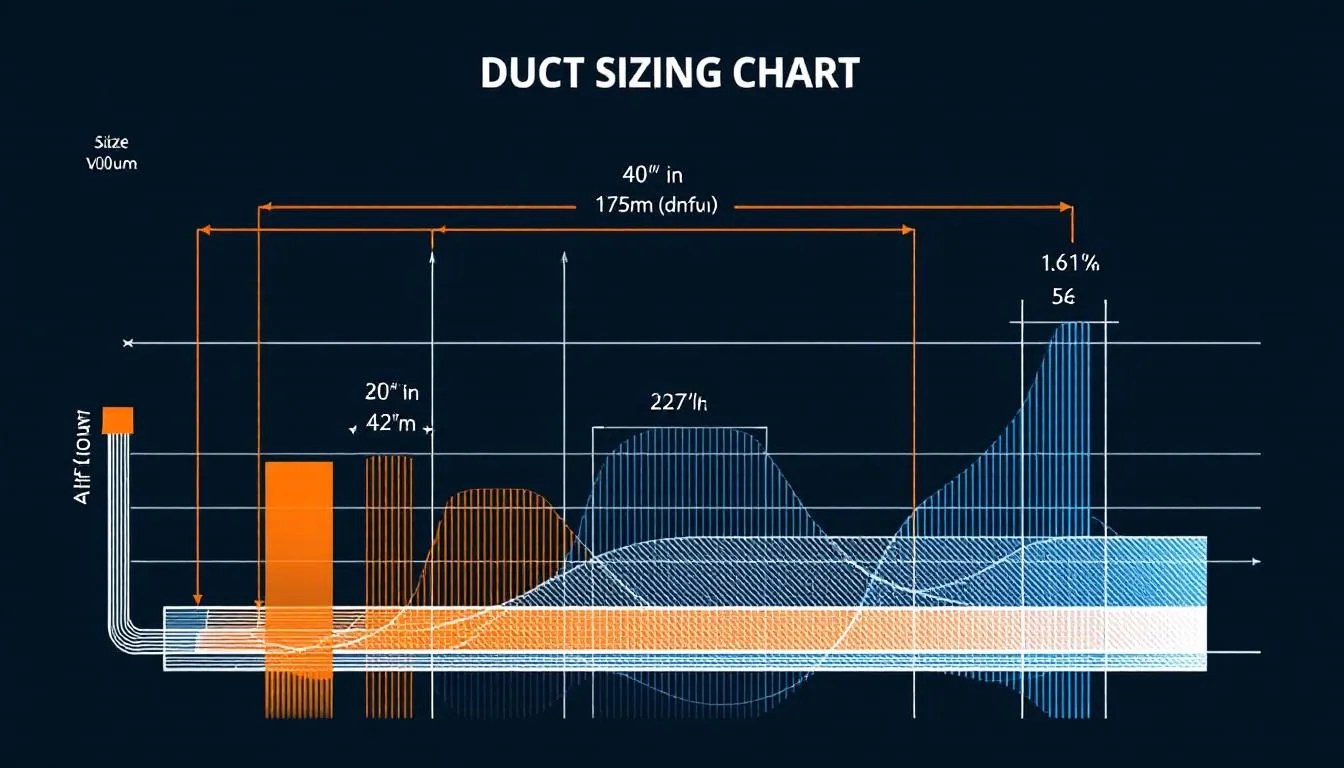
However, a fan’s advertised CFM rating on a retail box is almost entirely fictional in real-world installations. That rating reflects free-air performance, meaning the fan is spinning with zero resistance. The moment you attach an exhaust duct, add elbows, install a roof cap, and run the line forty feet across the attic, static pressure rears its head. Every right-angle turn, flexible duct section, and termination louver creates frictional drag that chokes airflow. If a duct run features four 90-degree elbows and a restrictive wall cap, a fan rated for 600 CFM might deliver a meager 300 CFM at the hood face. Overcoming this requires precise static pressure calculations and the selection of inline or external blowers capable of maintaining high performance against resistance.
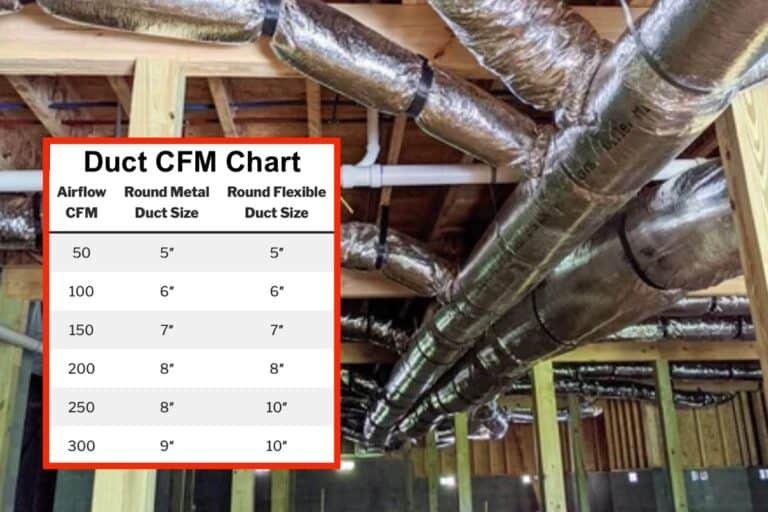
Duct geometry is another frequent point of failure in residential construction. Transitioning a rectangular hood collar down to a smaller round duct, or utilizing flexible plastic accordion tubing, introduces turbulence that destroys static efficiency. Professional-grade installations mandate rigid smooth-wall metal ductwork matching or exceeding the collar diameter of the hood all the way to the exterior termination point. Minimizing transitions, using sweep elbows instead of sharp 90-degree angles, and sealing every seam with mastic tape rather than cloth duct tape ensures that the engineering calculations executed on paper translate directly to cubic feet of air evacuated per minute.
Step-by-Step Blueprint for Designing a High-Performance Ventilation System
Implementing a truly effective kitchen ventilation architecture demands a methodical, step-by-step approach that coordinates spatial design, mechanical engineering, and building envelope science.
- Step 1 (Load and BTU Analysis): Calculate the total maximum thermal output of your cooking appliances by summing the BTU ratings of all gas burners or the kilowatt rating of electric elements, applying the standard industry rule of 100 CFM for every 10,000 BTUs of gas output.
- Step 2 (Canopy Sizing and Positioning): Specify a hood canopy that extends a minimum of three inches beyond the left and right edges of the cooktop, mounted at an optimal height of 28 to 30 inches above the cooking surface to maximize thermal plume capture without interfering with ergonomics.
- Step 3 (Duct Route and Material Engineering): Map out the shortest, straightest possible path to the exterior utilizing rigid galvanized steel ductwork, restricting total equivalent length to manufacturer thresholds while completely eliminating flexible plastic or foil ducting.
- Step 4 (Make-up Air Integration): Design an automated make-up air damper system interlocked with the range hood switch, ensuring that when the exhaust fan pulls air outdoors, a motorized intake damper opens to supply tempered, filtered replacement air and prevent house depressurization.
- Step 5 (Acoustic and Blower Placement Optimization): Select an external remote blower mounted on an exterior wall or roofline, or an inline fan insulated with acoustic wrapping, to isolate motor vibration and reduce operating noise levels below 2 sones at normal working speeds.
Navigating Common Engineering Pitfalls and Proven Workarounds
Even experienced contractors occasionally stumble when balancing the competing demands of makeup air, duct runs, and acoustic comfort. Recognizing these recurring traps prevents costly redesigns and ensures the system actually protects indoor air quality.
- Pitfall 1 (Ignoring Static Pressure Penalties): Assuming the fan will perform at its rated CFM regardless of duct length leads to severely underpowered ventilation. Workaround: Calculate equivalent duct length including all fittings, consult fan curves provided by the manufacturer, and upsize the blower motor or duct diameter to compensate for pressure drops.
- Pitfall 2 (Using Flexible Ducting in Attic Spaces): Flexible foil ducts sag over time, collect grease in their ridges, and create massive airflow friction. Workaround: Mandate rigid smooth-wall metal pipe for all concealed runs, reserving insulated flexible ducting only for final anti-vibration connections at the blower collar.
- Pitfall 3 (Failing to Address Make-up Air Interlocks): Operating a high-capacity exhaust fan in a tight home without make-up air can backdraft gas water heaters and furnaces, pulling lethal carbon monoxide into living spaces. Workaround: Install a pressure-activated or current-sensing interlocked motorized fresh air damper that complies with international residential code safety mandates.
- Pitfall 4 (Mounting the Hood Too High): Raising the canopy above 36 inches to create an open visual aesthetic allows cross-drafts from ceiling fans and HVAC vents to blow cooking smoke past the capture zone. Workaround: Strictly adhere to manufacturer height tolerances and incorporate side-skirt containment panels if higher mounting is architecturally unavoidable.
- Pitfall 5 (Neglecting Acoustic Engineering): Installing a cheap, high-RPM utility fan directly inside the kitchen canopy turns cooking into an unbearable sensory chore, prompting residents to leave the system off. Workaround: Specify multi-speed EC (electronically commutated) motors and remote blowers that keep operational noise under 3 sones on high settings.
The Broader Intersection of Indoor Air Quality, Energy Efficiency, and Building Science
Modern residential design increasingly views the home as an integrated organism where energy efficiency and indoor air quality must coexist rather than compete. For years, the "seal it tight, ventilate it right" mantra of high-performance building was applied primarily to whole-house energy recovery ventilators (ERVs), while the kitchen was treated as a localized exception. However, treating the kitchen as an isolated zone ignores the sheer volume of moisture, heat, and pollutants generated during daily food preparation. Smarter kitchen exhaust engineering bridges this gap by connecting point-source extraction with whole-house ventilation strategies, ensuring that energy saved through airtight building envelopes is not squandered by unmanaged pressure imbalances.
Furthermore, the economic and health implications of robust kitchen ventilation extend far beyond immediate comfort. Chronic exposure to indoor particulate pollution correlates directly with long-term cardiovascular stress, increased pediatric asthma rates, and diminished cognitive performance due to elevated indoor carbon dioxide levels. Investing in precision-engineered exhaust systems pays dividends in lowered healthcare costs, reduced interior maintenance—since grease no longer settles onto drywall and cabinetry—and extended structural longevity by controlling the excessive humidity associated with boiling, steaming, and dishwashing.
Material innovation continues to reshape what is possible in this domain. Advanced baffle filters constructed from hydro-oleophobic stainless steel coatings resist grease adhesion, maintaining high separation efficiency over thousands of operating hours without requiring aggressive chemical degreasers. Meanwhile, smart sensors integrated into modern range hoods monitor real-time particulate density and volatile organic compound (VOC) levels, automatically ramping fan speeds up or down based on actual air quality metrics rather than manual user intervention. This automation removes human error from the equation, ensuring the system runs whenever air quality demands it.
Key Recommendations for Homeowners and Building Professionals
Translating advanced engineering principles into a successful residential build requires a commitment to quality components, professional installation practices, and regular maintenance routines. Whether retrofitting an existing kitchen or drawing up plans for a custom build, keeping a structured checklist ensures optimal outcomes.
- Prioritize Capture Over Raw CFM: Focus on deep canopy designs that overhang the front burners rather than blindly purchasing high-CFM motors that overwhelm standard home envelopes.
- Mandate Smooth-Wall Metal Ducts: Insist on rigid metal ducting sized correctly for the hood collar, ensuring airtight joints sealed with UL-listed mastic tape rather than temporary cloth tape.
- Incorporate Remote or Inline Blowers: Move the motor away from the kitchen space to eliminate noise distractions, ensuring family members can cook in a quiet environment without temptation to turn the system off.
- Install Compliant Make-up Air: Protect your family from combustion appliance backdrafting by pairing high-capacity exhaust units with automated, temperature-tempered fresh air intake systems.
- Establish a Maintenance Schedule: Clean stainless steel baffle filters monthly in the dishwasher to prevent grease buildup, maintain optimal static pressure, and eliminate potential fire hazards.
The kitchen remains the literal and emotional hearth of the American home—a space dedicated to nourishment, creativity, and family connection. For too long, the toxic byproduct of that culinary creativity has been accepted as an unavoidable hazard of domestic life. By elevating the design and engineering of kitchen exhaust systems from a code-compliance checklist item to a core pillar of building science, we reclaim the air we breathe in our most intimate spaces.
As residential architecture moves further into an era of intelligent, highly efficient, and health-conscious construction, smarter ventilation engineering will no longer be considered a luxury upgrade. It will stand as a fundamental baseline requirement for any home worthy of the name. Embracing this shift requires looking past the aesthetic surface of a sleek stainless steel hood to demand the hidden mechanical integrity operating behind the walls—ensuring that every meal cooked is remembered for its flavor, and nothing else.