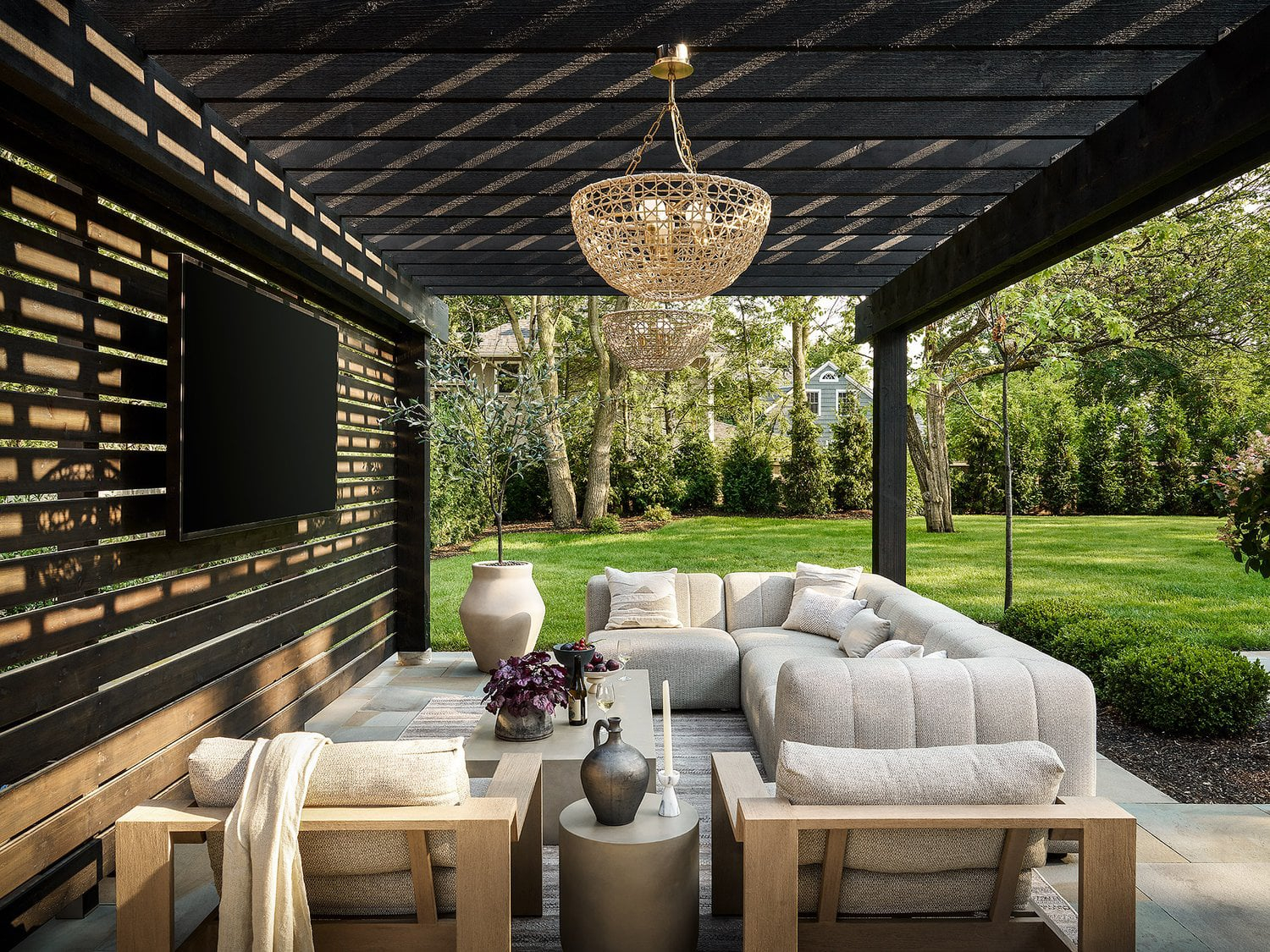
The evening sun drops below the treeline, casting long, fractured shadows across a patch of damp backyard earth. For months, that boundary line has bothered you—a glaring, chain-link eyesore or a rotting, sagging barrier installed by long-forgotten previous owners. You stare out the kitchen window, imagining something entirely different. You picture rough-sawn timber that smells of resin and earth, a boundary that doesn’t just enclose a yard, but reframes the entire living space into a private, grounded sanctuary.
Fences are rarely just about keeping things in or out. They are the architectural frame of your landscape canvas. When chosen with intention, a rustic wooden perimeter changes the acoustic, visual, and emotional weight of an outdoor area. It turns an exposed suburban plot into a secluded homestead or gives a cramped urban courtyard the raw, comforting texture of an old-growth forest.
The appetite for authentic, hand-wrought outdoor design has never been higher. Homeowners are increasingly rejecting sterile, mass-produced vinyl and high-gloss composite materials in favor of organic textures that patina gracefully with time. Weathered cedar, rough-hewn oak, standing dead timber, and peeled-pole saplings carry an honest narrative. They react to rain, sun, and frost, turning silver, bronze, and charcoal as the seasons turn.
The Anatomy of Rustic Charm and Timber Selection
Choosing the right wood dictates whether your fence will stand proudly for decades or sag miserably into the mud within three winters. Rustic design relies heavily on natural imperfections—wanes, knots, bark edges, and irregular grain patterns. Yet, structural integrity cannot be compromised. Matching the wood species to your local climate and aesthetic vision is the foundational step of any successful perimeter project.
Cedar remains the gold standard for rustic applications due to its natural resistance to rot, decay, and insect infestation. Western Red Cedar and Northern White Cedar contain natural oils—thujaplicins—that act as built-in preservatives. Left untreated, cedar transitions from a warm golden-brown to a distinguished silver-gray that screams historic farmhouse charm. For budget-conscious builders, pressure-treated Southern Yellow Pine offers deep penetration of chemical preservatives, though it requires a season to dry out before taking on a weathered, rustic stain.
Locally sourced hardwoods like black locust, white oak, and chestnut provide unmatched longevity for post-and-rail or hurdle styles. Black locust, in particular, rivals concrete for ground-contact durability, often lasting fifty years in direct soil contact without chemical treatment. When designing a rustic fence, understanding the heartwood versus sapwood ratio is crucial. Heartwood is dense and decay-resistant, while sapwood is soft and vulnerable. Artisanal fence builders deliberately select high heartwood content for ground posts and reserve lighter sapwood for decorative pickets or rails.
Texture plays an equally vital role in establishing character. Mills that offer rough-sawn lumber leave the circular saw blade marks visible on the face of the boards, creating a tactile, light-catching surface that machine-planed lumber simply cannot replicate. For an ultra-primitive aesthetic, peeled log poles secured with traditional mortise-and-tenon joints or galvanized timber ties evoke the spirit of nineteenth-century homesteads. Every plank tells a story of the forest it came from.
Fifty-Two Variations of Natural Boundary Design
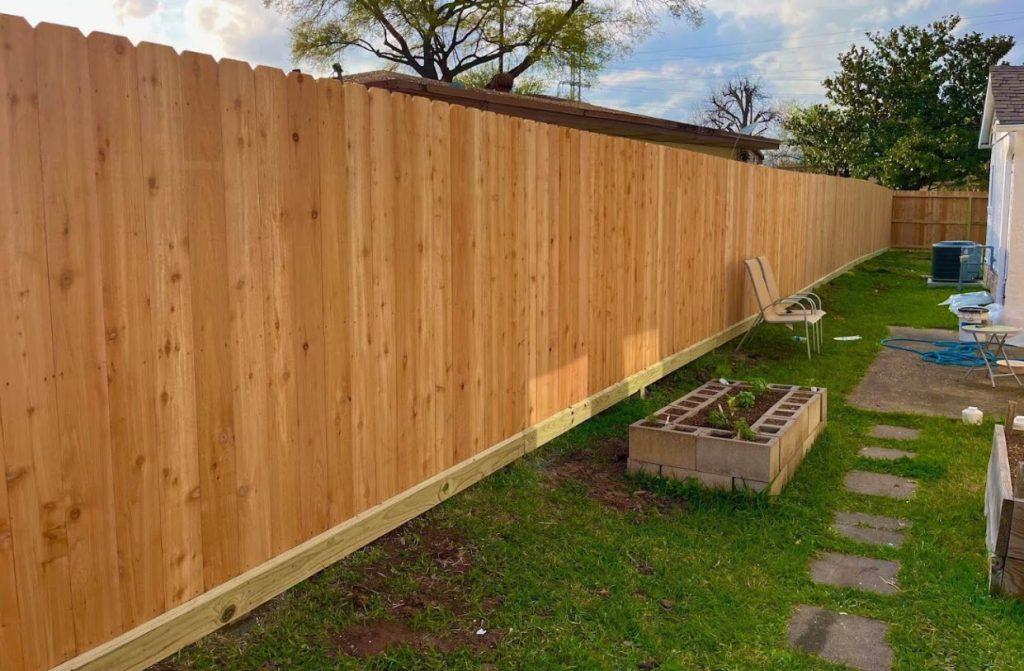
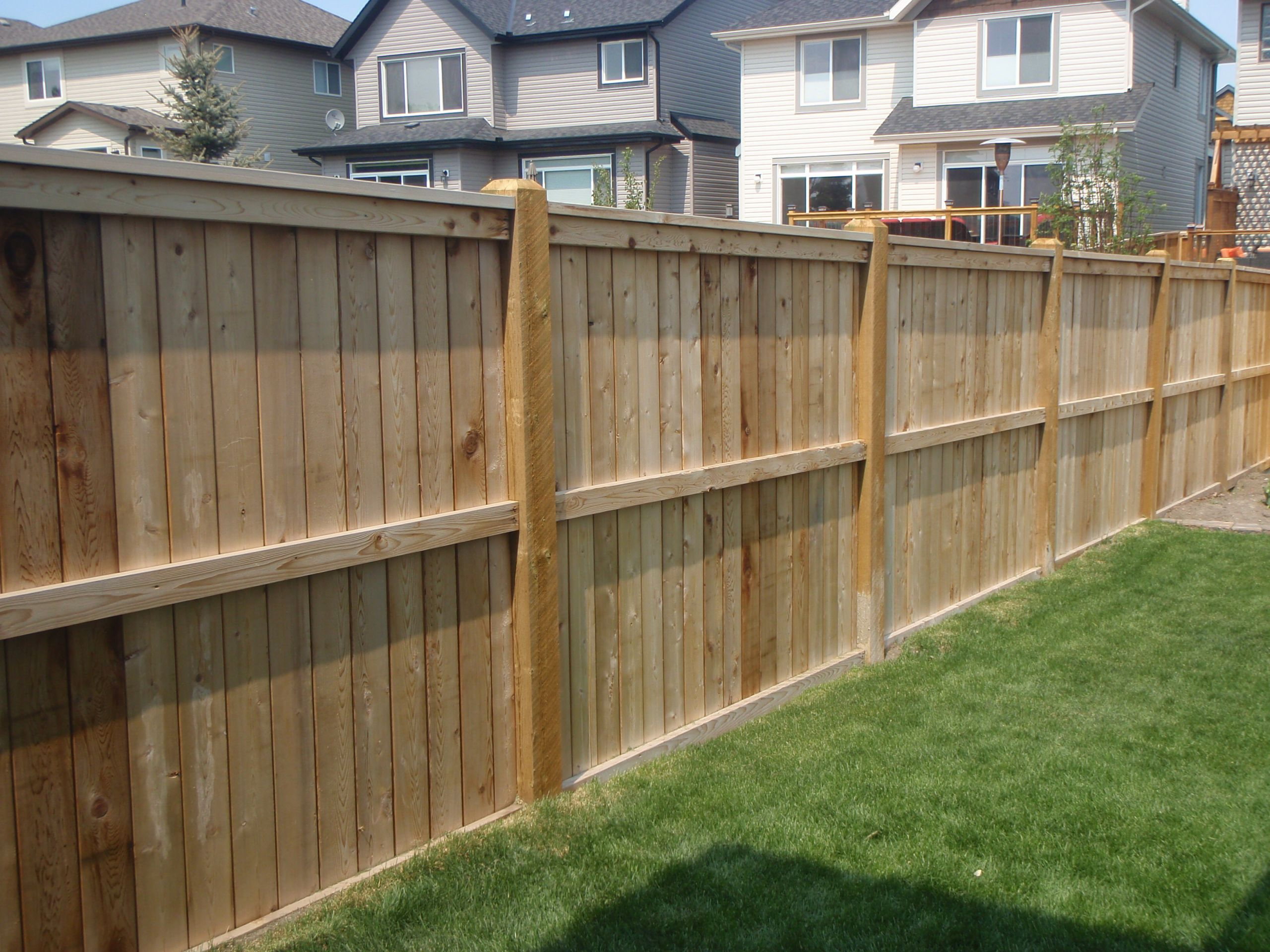
Curating an extraordinary outdoor space requires looking beyond the standard privacy panel. Across fifty-two distinct stylistic expressions, rustic wood fencing offers endless adaptability for gardens, courtyards, and sprawling rural acreages. Traditional post-and-rail systems can be elevated by integrating split-rail configurations with diagonal bracing, creating a sturdy paddock look that anchors expansive lawns. For smaller urban plots, vertical board-on-board designs utilizing unevenly spaced widths introduce dramatic shadow lines and organic rhythm.
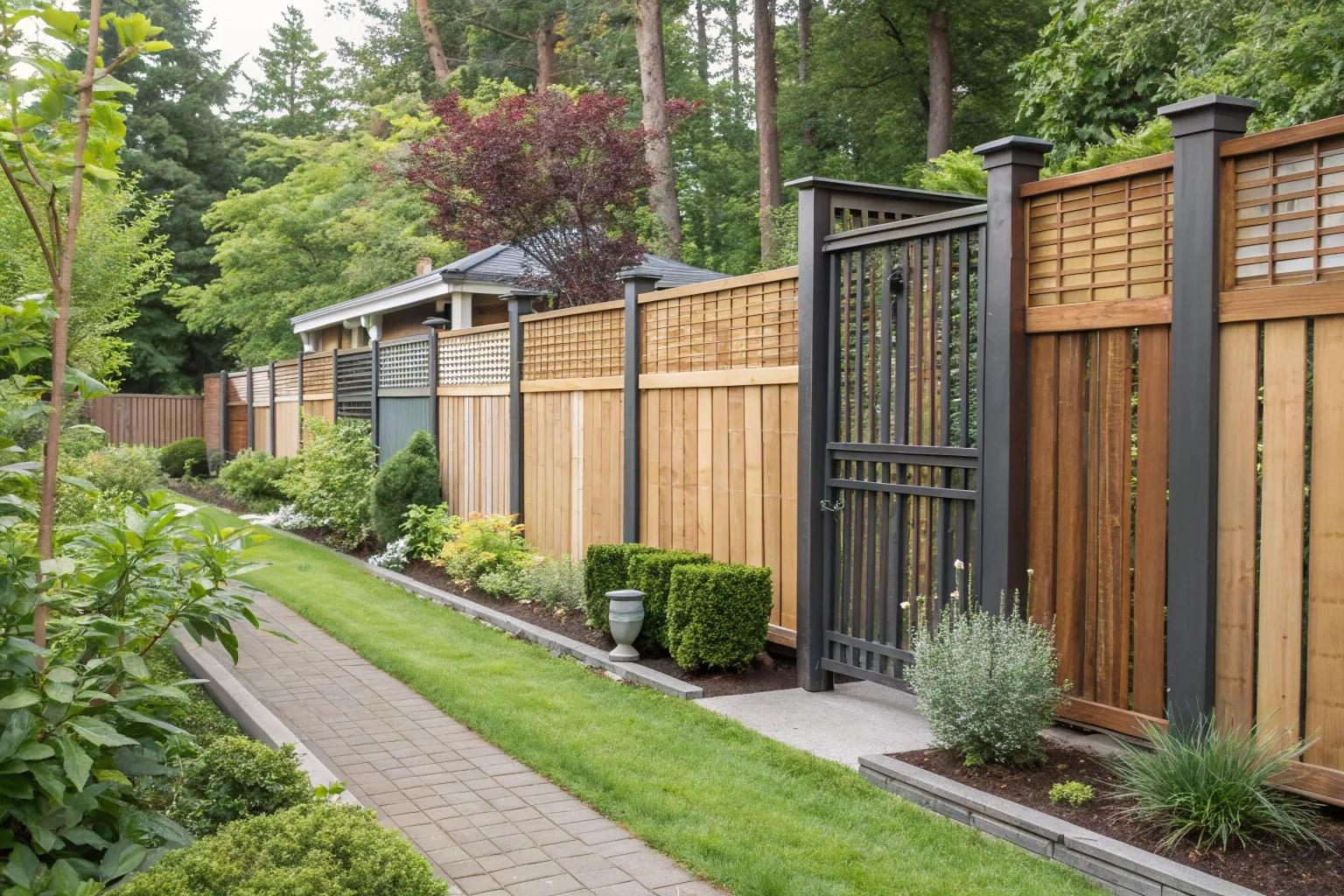
Picket fences need not look suburban or predictable. By employing sapling pickets with natural curved profiles, builders achieve a whimsical, woodland-cottage aesthetic reminiscent of English country gardens. Alternatively, horizontal louvered designs built from rough-hewn cedar planks offer modern airflow and filtered privacy while maintaining a deeply earthy color palette. Board-and-batten fences with contrasting batten widths add vertical emphasis, drawing the eye upward and making modest yards feel grander.
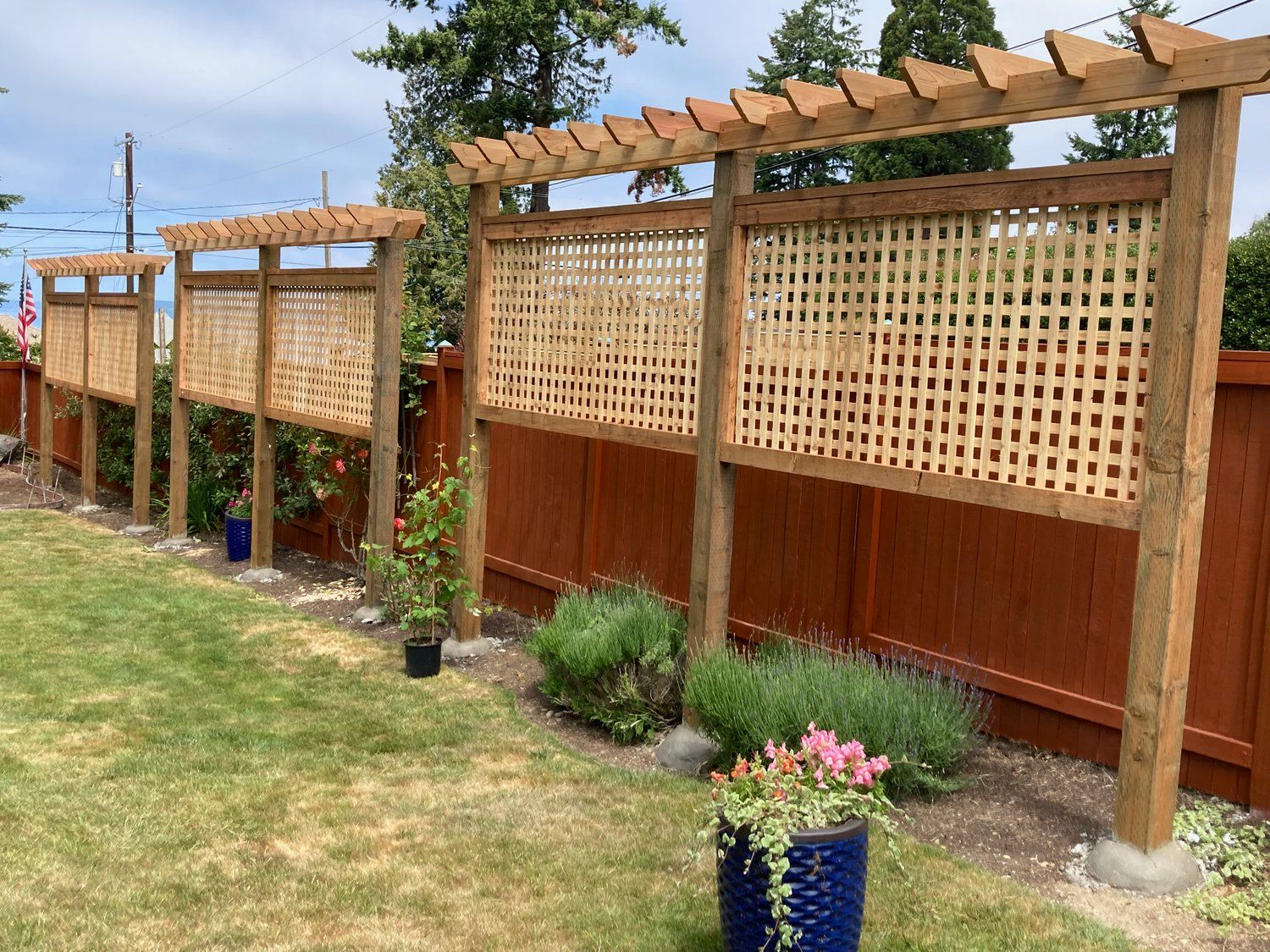
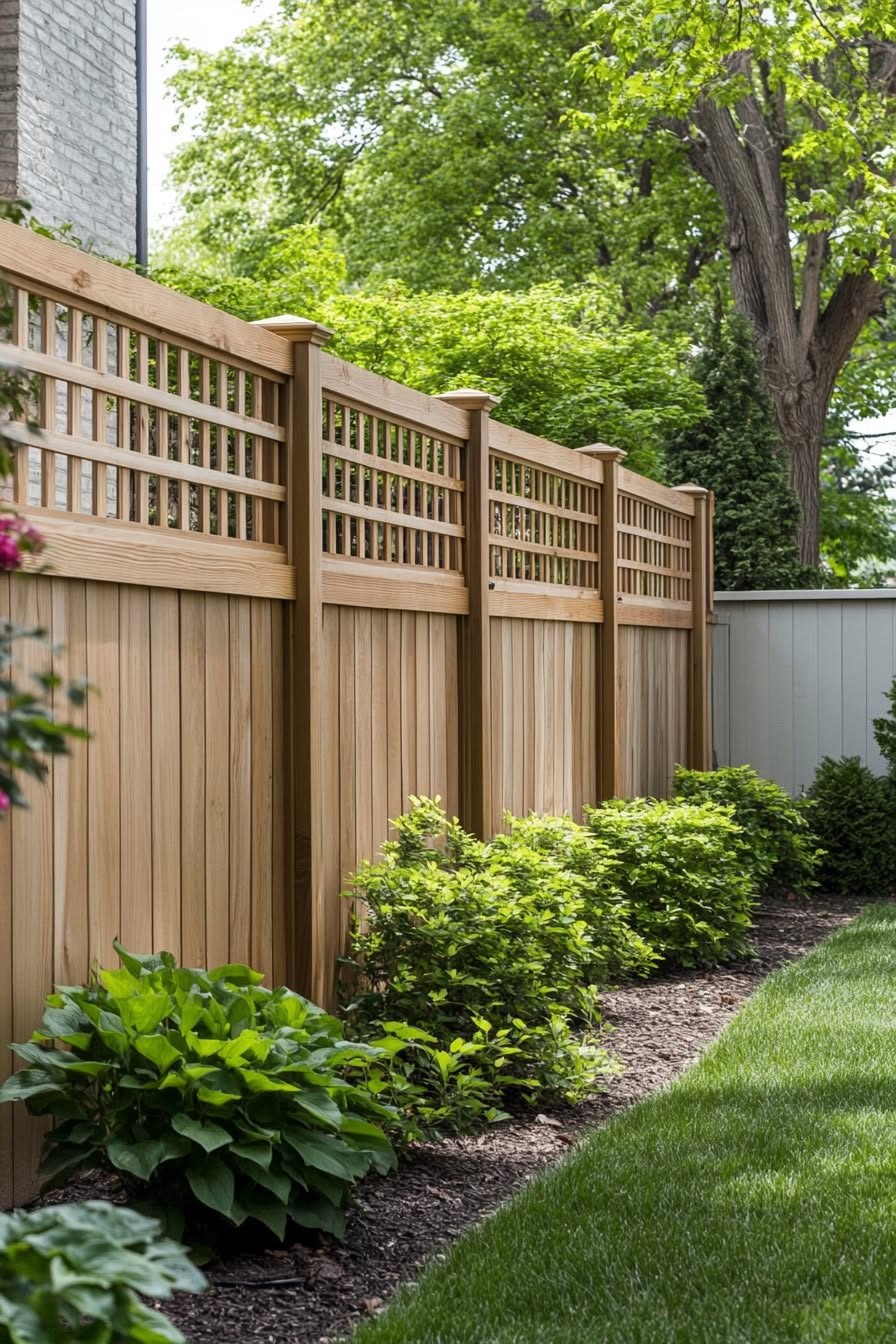
Living elements integrate seamlessly with rustic timber. Trellis-topped privacy fences allow climbing roses, jasmine, and wisteria to weave through weathered framing, softening the barrier until the fence and flora become a single organism. Wattle fencing, constructed by weaving flexible hazel or willow whips between upright stakes, brings ancient agricultural techniques into modern vegetable gardens. Split-cedar zig-zag fences—often called snake fences—rely entirely on gravity and interlocking geometry, requiring zero post-holes and serving as movable sculptures across uneven terrain.
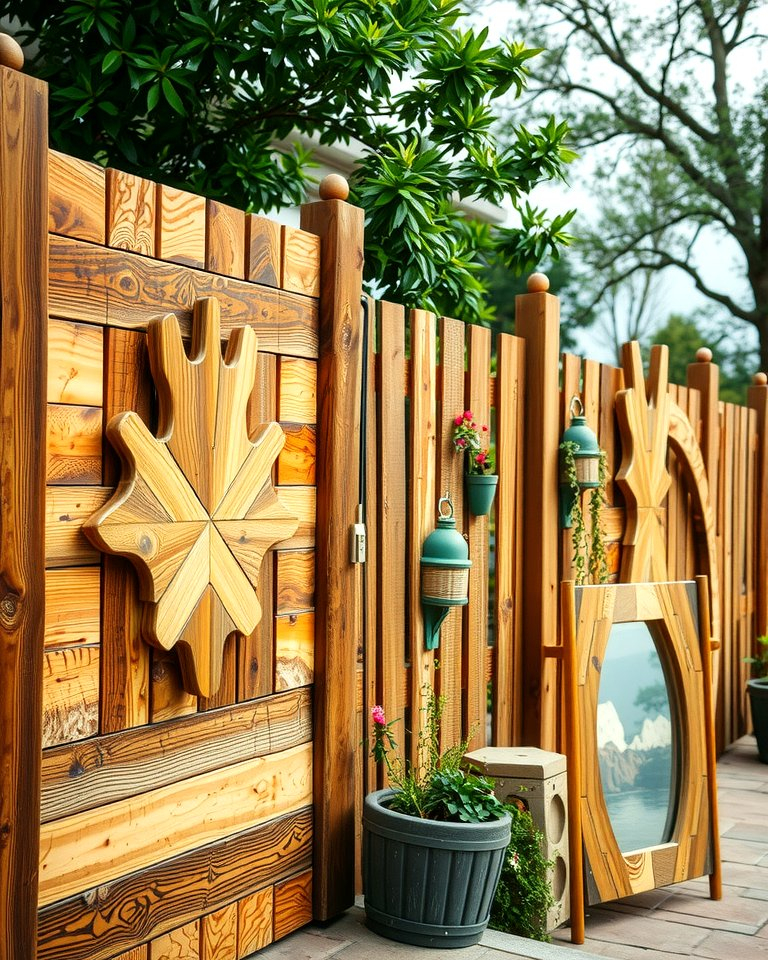
Gate design often serves as the focal point of the entire perimeter. A heavy timber swing gate hung with hand-forged strap hinges and a latch forged by a local blacksmith instantly elevates the craftsmanship of the build. Incorporating reclaimed barn wood into sliding gate panels or mixing vertical logs with horizontal framing details ensures your boundary remains an evolving gallery of tactile art.
Engineering and Constructing Your Timber Perimeter
Building a rustic wood fence that stands firm against high winds and frost heaves requires disciplined execution. Rustic aesthetics should never translate to sloppy engineering. Every post must be anchored deeply and plumbed meticulously to ensure the finished wall looks intentional rather than derelict.
- Step 1 (Site Layout and Utility Locates): Mark your property lines strictly using mason’s string and batter boards, and always dial your local utility notification center before driving a single stake into the ground.
- Step 2 (Post Hole Excavation): Dig post holes to a depth equal to one-third of the total post length, ensuring the hole is wider at the bottom to create a stable bell-shaped concrete or gravel anchor.
- Step 3 (Setting Structural Posts): Set 4×4 or 6×6 posts into the holes, using a post-level to check vertical alignment on two adjacent sides, then backfill with crushed angular gravel for superior drainage or fast-setting structural concrete.
- Step 4 (Rail and Frame Installation): Attach horizontal stringers using heavy-duty exterior structural screws or traditional mortise pockets, ensuring the framework is square and securely tied into the corner posts.
- Step 5 (Cladding and Board Attachment): Fasten your rustic boards, pickets, or sapling panels using hot-dipped galvanized or ring-shank stainless steel nails to prevent unsightly black tannin bleed streaks over time.
Navigating Structural Pitfalls and Field-Tested Workarounds
Even experienced DIYers encounter obstacles when working with unpredictable natural timber. Wood moves, twists, and reacts to moisture fluctuations. Anticipating these shifts prevents structural failure and preserves your investment.
- Pitfall 1 (Direct Soil Rot): Sinking untreated wood posts directly into wet earth accelerates fungal decay within two to three seasons. Workaround: Always use naturally rot-resistant species like cedar or black locust for posts, and float the bottom of the post on a bed of crushed gravel inside the hole to ensure rapid water drainage away from the end-grain.
- Pitfall 2 (Tannin Bleed and Rust Stains): Standard steel fasteners react with wood acids, causing ugly black streaks around screw heads and nail shafts. Workaround: Exclusively use ceramic-coated exterior screws, hot-dipped galvanized nails, or silicon-bronze fasteners designed specifically for exterior timber applications.
- Pitfall 3 (Board Warping and Cupping): Wide, rough-sawn boards left unsealed will cup and warp under intense summer sun and winter dampness. Workaround: Rip wide boards down into narrower widths (max six inches) or utilize a two-fastener per rail attachment method to physically restrain the wood fibers from curling.
- Pitfall 4 (Frost Heave Instability): Shallow post holes in freezing climates allow winter frost to grab the concrete footing and push the entire fence section upward. Workaround: Excavate holes below the local frost line—frequently 36 to 48 inches deep—regardless of how short your above-ground fence height is.
- Pitfall 5 (Neglecting Gate Sag): Heavy rustic wood gates naturally sag over time due to gravity and dynamic swinging forces. Workaround: Install a diagonal turnbuckle tension cable from the top hanging corner down to the bottom latch corner to provide continuous structural triangulation.
The Broader Landscape Ecology and Economic Value
A well-designed rustic wood fence does more than carve out private territory; it actively participates in your local ecosystem. Unlike impenetrable vinyl barriers that disrupt local wildlife corridors, natural wooden fences with open post-and-rail or spaced picket designs allow small mammals, amphibians, and beneficial insects to navigate safely through your suburban neighborhood. Furthermore, wood is a carbon-sequestering, renewable building material. When sourced from responsibly managed regional forests, your fence represents a net-positive environmental choice compared to petroleum-based synthetics.
Financially, investing in high-end rustic timber fencing yields a tangible return on property appraisal value. Real estate data consistently indicates that buyers are drawn to established, mature landscaping where boundaries look permanent, high-quality, and architecturally coherent. A hand-built cedar or oak fence signals that the home has been meticulously cared for, framing the outdoor rooms of the property as functional, usable living spaces rather than mere leftover yard.
As urban density increases, our psychological need for secluded, naturalized sanctuaries grows sharper. A rustic fence acts as a physical decompression chamber between the chaotic noise of the outside world and the quiet refuge of your personal garden. It dampens street noise through sound-scattering uneven surfaces and creates microclimates by blocking harsh prevailing winds, helping delicate perennial flowers and vegetables thrive near the perimeter line.
Strategic Frameworks for Long-Term Timber Preservation
Maintaining the rustic charm of your wooden fence without destroying its weathered patina requires a nuanced approach to finishing and upkeep. Traditional clear varnishes and glossy polyurethane sealers are disastrous on rustic wood; they trap moisture, blister under ultraviolet radiation, and peel in unsightly strips that require hours of aggressive sanding to correct.
Instead, embrace penetrating semi-transparent oils or water-repellent stains that soak deep into the wood cellular structure. These formulations protect against UV graying and moisture absorption without forming an artificial surface film. When the wood grain begins to look dry or thirsty after a couple of harsh winters, a simple maintenance coat can be rolled or sprayed directly onto the surface with zero scraping required.
Consider adopting a seasonal inspection protocol every autumn and spring. Walk your fence line to check for branches rubbing against the timber, clear accumulated wet leaves away from the bottom kick-boards to prevent premature rotting, and tighten any hardware that may have loosened as the wood dried out during peak summer heat. Treating your fence not as a static, maintenance-free object, but as a living element of your property’s ecosystem, ensures it will anchor your outdoor landscape for generations to come.
Transforming your outdoor space with a rustic wood fence is an exercise in patience, texture, and deliberate design. It requires looking past the instant gratification of flat-pack alternatives and embracing materials that carry history, weight, and character. Whether you choose a rugged split-rail paddock boundary, an intricate sapling woven hurdle, or a towering board-on-board privacy wall of rough-sawn cedar, your investment will continuously reshape how you experience your property.
Step outside tomorrow morning with a tape measure, a spool of string, and an open mind. Walk the perimeter of your yard and listen to what the space is asking for. By honoring natural materials and committing to thoughtful craftsmanship, you can build a boundary that doesn’t just wall off the world, but welcomes you deeper into your own home.