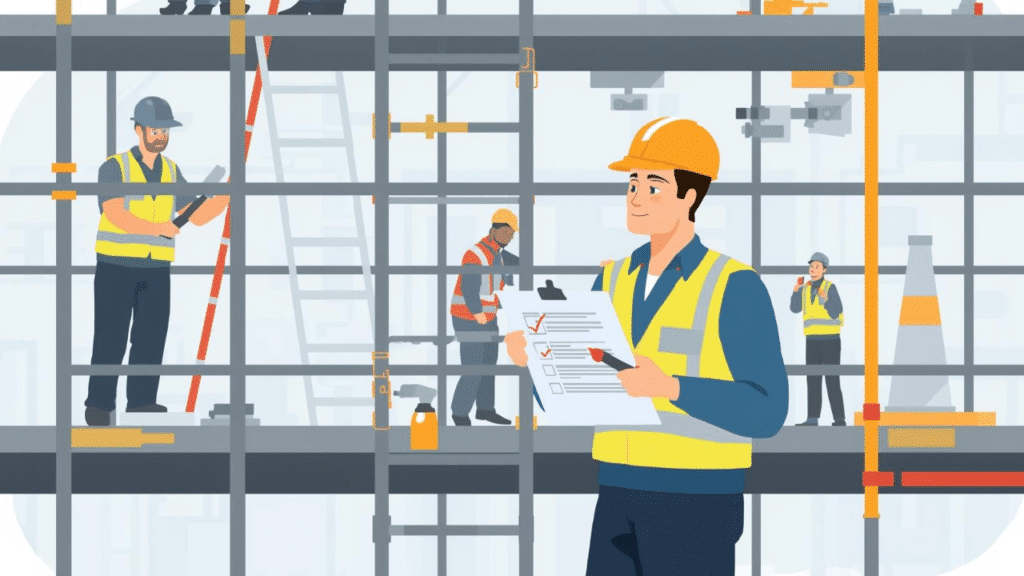
Dust motes drift lazily through the late afternoon sunlight cutting across a freshly finished commercial floor slab. In the corner, a general contractor stands with a clipboard pressed tightly against his chest, watching a municipal building inspector trace a finger along the drywall joint of a fire-rated corridor. The air is thick with a familiar cocktail of dried joint compound, fresh paint, and unspoken tension. Millions of dollars hang in the balance, alongside reputations forged over decades of hard labor. Yet, at this precise moment, the success of the project does not hinge solely on compressive concrete strengths or the mill-tolerance of structural steel beams. It hinges entirely on something far more fragile and elusive: human psychology, tone of voice, and mutual respect.
For decades, the construction and manufacturing industries treated quality control as an exercise in cold, unfeeling compliance. Builders viewed final inspections as an adversarial obstacle course orchestrated by nitpicking code officials. Conversely, inspectors often saw contractors as corners-cutters trying to pull a fast one before final closeout. This friction creates a toxic ecosystem of defensive documentation, costly delays, and fractured relationships. But a quiet revolution is underway across modern job sites. Project teams are realizing that technical perfection is only half the battle. How we communicate defects, manage client expectations, and design inspection workflows around human behavior ultimately dictates whether a project succeeds or stalls in endless litigation.
Navigating the closeout phase of a complex build requires looking past the blueprints and examining the psychological contract between all stakeholders. When quality control systems are designed with human factors in mind, they stop being punitive checklists and start acting as collaborative roadmaps to excellence. Trust is not a soft, secondary benefit of good construction management; it is the structural mortar that holds complex building projects together when unexpected site conditions inevitably emerge.
The Psychology of the Punch List: Why Technical Precision Fails Without Empathy
Technical specs and building codes tell us what a building must be, but human interaction dictates how it gets there. A structural engineer can specify a 4000 PSI concrete mix down to the aggregate size, but if the site supervisor feels undermined or humiliated during an interim site walk, communication breaks down. Defensiveness replaces transparency. Subcontractors start hiding minor framing deviations behind insulation or quick-drying patching plaster rather than flagging them early for collaborative resolution. This dynamic introduces systemic risk into projects that are otherwise technically sound on paper.
Quality control professionals often underestimate the emotional weight carried by tradespeople during final inspections. Builders pour months of physical labor, sweat, and craftsmanship into a structure. When an inspector points out a cosmetic blemish or a minor code infraction with an abrasive tone, it triggers a defensive psychological reaction. Empathy in inspection design is not about lowering standards or overlooking non-compliant work; it is about delivering objective evaluations in a manner that preserves human dignity. When an inspector frames a deficiency as a shared challenge to protect future occupants rather than a personal indictment of the carpenter’s skill, the entire room shifts from adversarial combat to collaborative problem-solving.
Furthermore, managing homeowner and client expectations during the final walkthrough is an exercise in emotional intelligence. A first-time commercial tenant or residential buyer lacks the technical literacy to distinguish between structural settlement cracks and harmless cosmetic drywall tape shrinkage. Left unmanaged, minor aesthetic imperfections magnify into severe anxiety about the overall structural integrity of the build. Inspectors and project managers must master the art of contextualizing defects. By explaining not just what is wrong, but why it matters and how it will be corrected, they transform an anxiety-inducing inspection into an educational, trust-building experience.
Deconstructing the Anatomy of Collaborative Quality Assurance and Control
Quality assurance focuses on preventing defects through standardized processes, while quality control focuses on identifying and correcting issues through rigorous testing and verification. However, neither framework functions effectively if it ignores human ergonomics and behavioral patterns. On modern construction sites, human error accounts for a staggering percentage of punch-list callbacks. These errors rarely stem from incompetence; instead, they arise from cognitive fatigue, poor lighting in inspection zones, ambiguous design drawings, and fragmented communication channels between trade leads.
Integrating human factors engineering into quality control means designing inspection protocols that align with how people actually process information under pressure. For instance, expecting a tired superintendent to meticulously review a three-hundred-page manual of technical specifications at the end of a twelve-hour shift is a recipe for missed defects. Modern builders are redesigning these workflows by breaking inspections into bite-sized, trade-specific micro-milestones. Digital quality management platforms allow field teams to capture high-resolution photo evidence of concealed conditions—such as MEP rough-ins behind drywall—before they are hidden from view, drastically reducing the emotional and financial friction of destructive investigations later.
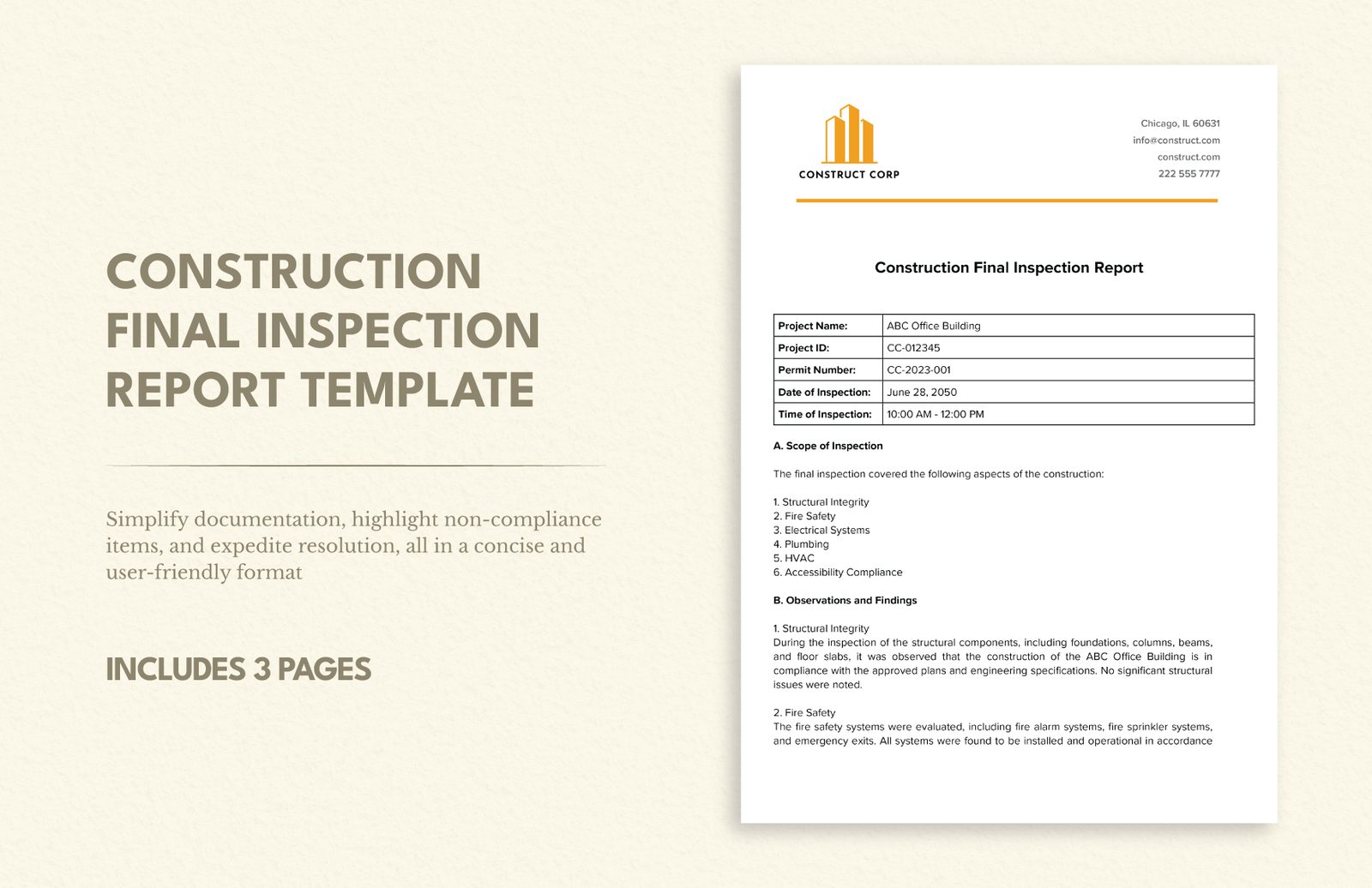
Liability is another heavy shadow hanging over every final inspection. When disputes escalate into litigation, the dividing line between contractor, inspector, and owner liability often blurs. Clear, unambiguous reporting backed by visual evidence protects all parties involved. When inspection notes are documented with objective clarity and shared in real-time through cloud-based dashboards, there is no room for he-said-she-said arguments. Transparency eliminates the paranoia that breeds lawsuits. When everyone works from a single source of truth, trust naturally replaces suspicion, streamlining project closeout and protecting profit margins.
Step-by-Step Methodology for Designing Human-Centric Inspection Protocols
Transforming a hostile or chaotic final inspection process into a streamlined trust-building exercise requires a deliberate, step-by-step operational strategy. Implementing this framework bridges the gap between strict regulatory compliance and positive human dynamics on the job site.
- Step 1 (Establish Transparent Acceptance Criteria Early): Define clear, measurable quality standards and aesthetic expectations with all subcontractors during pre-construction meetings, ensuring everyone understands the exact threshold for final sign-off before a single nail is driven.
- Step 2 (Implement Collaborative Pre-Inspections): Conduct joint walkthroughs between the general contractor’s quality manager and key trade leads two weeks prior to the official municipal inspection to catch and remediate obvious issues without regulatory pressure.
- Step 3 (Leverage Digital, Visual Documentation Tools): Utilize cloud-based construction management software equipped with photo tagging and geolocation features to document installed work clearly, eliminating subjective disputes over hidden defects.
- Step 4 (Adopt Constructive Communication Frameworks): Train project managers and quality control personnel in active listening and empathetic feedback delivery, focusing on collaborative solutions rather than assigning blame for non-compliant work.
- Step 5 (Execute a Structured Client Educational Handover): Guide the building owner or end-user through a structured final walkthrough, explaining system operations, maintenance schedules, and minor cosmetic tolerances to build confidence and reduce post-occupancy callbacks.
Navigating Common Pitfalls and Practitioner Workarounds in Quality Management
Even the most well-intentioned quality control programs can derail if project teams fall into common behavioral and procedural traps. Recognizing these hidden hazards allows seasoned builders and inspectors to course-correct before minor oversights snowball into expensive project delays.
- Pitfall 1 (The Adversarial Trap): Treating municipal inspectors or client representatives as opponents rather than partners. Practitioner Workaround: Establish an open-door policy, provide clean and safe access to all inspection zones, and offer immediate technical support to answer code questions on the spot.
- Pitfall 2 (Information Silos): Relying on paper punch lists scribbled on crumpled clipboards that easily get lost or misinterpreted between shifts. Practitioner Workaround: Mandate real-time digital ticketing systems where every defect is assigned to a specific trade partner with a hard deadline and photo verification requirement.
- Pitfall 3 (Cognitive Overload During Walkthroughs): Attempting to inspect an entire multi-story building in a single, exhausting eight-hour marathon session. Practitioner Workaround: Divide the facility into manageable zonal sectors and conduct phased, rolling final inspections as distinct floors or wings reach completion.
- Pitfall 4 (Ignoring Aesthetic and Psychological Anxieties): Dismissing minor cosmetic complaints from building owners as trivial or annoying. Practitioner Workaround: Validate their concerns immediately, explain the material science behind minor settling or paint flashing, and schedule prompt cosmetic touch-ups to maintain peace of mind.
- Pitfall 5 (Retrospective Blame Shifting): Spending valuable closeout meetings arguing over who caused a defect instead of focusing on immediate remediation. Practitioner Workaround: Implement a strict "fix first, analyze later" protocol to clear project hurdles, reserving root-cause analysis for post-project continuous improvement meetings.
The Broader Horizon: Economic Value, Sustainability, and Long-Term Value
Quality control that prioritizes human relationships yields profound dividends that extend far beyond the immediate closeout of a single building. In an industry historically plagued by adversarial relationships and high litigation rates, firms that cultivate a culture of trust enjoy distinct competitive advantages. Subcontractors actively line up to work with general contractors who treat them fairly and communicate clearly. This loyalty translates directly into more competitive bidding, reduced labor turnover, and superior craftsmanship on site.
From an economic perspective, designing human-centric inspection workflows drastically reduces the lifecycle costs of a building. When tradespeople feel psychologically safe to report a near-miss or a hidden installation error without fear of unfair financial penalties, those errors get fixed properly the first time. This proactive approach prevents catastrophic failures, reduces warranty claims, and preserves the asset value of the real estate over decades of operation. Furthermore, sustainable building practices—such as achieving rigorous LEED certifications or passive house energy standards—depend entirely on meticulous installation quality. Airtight building envelopes and complex mechanical systems cannot tolerate sloppy workmanship; they require a workforce that cares deeply about the end result.
Integrating advanced digital tools with empathetic human management creates a resilient foundation for the future of construction. As artificial intelligence and automated scanning technologies continue to reshape quality control, the irreplaceable value of human judgment, empathy, and relationship-building becomes even more pronounced. Machines can flag a millimeter deviation in a steel frame, but only a skilled, trusted human professional can look a client in the eye, explain the remediation plan, and leave them feeling completely secure in their new space.
Actionable Recommendations and Frameworks for Industry Professionals
Sustained excellence in final inspection design requires deliberate, ongoing commitment from executive leadership down to field-level laborers. Implementing robust operational frameworks ensures that quality control remains a living, breathing part of company culture rather than a dusty binder sitting on a shelf.
- Cultivate Psychological Safety on Site: Create an environment where workers at every tier feel empowered to halt work or report mistakes without fear of retaliation, drastically catching critical defects before final inspections.
- Invest in Soft-Skills Training: Provide regular communication and conflict-resolution training for project managers, superintendents, and quality inspectors to improve stakeholder interactions.
- Standardize Digital Inspection Workflows: Transition fully away from fragmented paper notes to centralized, cloud-based punch-list ecosystems that provide complete transparency and accountability for all trades.
- Conduct Post-Project Debriefs: Hold mandatory retrospective meetings after every major project closeout to analyze what went right, where communication broke down, and how to refine future inspection protocols.
The buildings we leave behind are physical testaments to our collective ability to collaborate, solve problems, and strive for excellence. When we strip away the technical jargon, the municipal codes, and the contractual boilerplate, construction is fundamentally an act of human creation. The final inspection is the crucible where this creation is tested, validated, and ultimately handed over to the people who will live, work, and grow inside those walls.
By embracing the human side of inspection design—balancing rigorous technical standards with deep empathy, transparent communication, and psychological safety—we elevate our entire industry. We stop building merely to satisfy minimum code requirements and start building monuments of genuine trust. The road ahead demands that we continue refining our tools, updating our standards, and remembering that the most critical component of any quality control system is always the person holding the clipboard.