You’ve built the box. You’ve filled it with that expensive, fluffy soil mix. You’ve planted your tomatoes with high hopes and a watering can. But three months later, you’re staring at a tangled mess of yellowing leaves, mildew, and half-eaten peppers. It feels personal. Like the garden is mocking you.
Here’s the thing though. It’s not your fault. Well, not entirely. Most beginner guides stop at "build a box and fill it." They don’t tell you about the invisible architecture underneath. The layout isn’t just about where you stick the plants. It’s about airflow, light angles, root competition, and how you move your body when you’re tired. Master gardeners don’t just plant. They choreograph.
The Trap of the Perfect Square
Beginners love symmetry. There’s something satisfying about a 4×4 foot square bed with four tomato plants in the corners and marigolds in the middle. It looks neat on paper. In reality? It’s a disaster waiting to happen. Why? Because nature hates straight lines and perfect squares are static.
Master gardeners know that rectangular beds oriented north-to-south capture sunlight way better than east-west ones, especially in the northern hemisphere. When you run your beds north-south, the sun travels across the length of the bed, ensuring both sides get equal light throughout the day. If you go east-west, the tall plants on the south side shade out the short ones on the north by noon. Game over for your lettuce.
Also, consider the width. Sure, a 4-foot wide bed sounds manageable. But can you really reach the center without stepping in? Compacting the soil kills the structure you paid so much for. Most pros cap their beds at 3 feet wide if they can access both sides, or 5 feet if it’s against a wall. It’s not about aesthetics. It’s about keeping your back safe and your soil airy.
Vertical Layers Are Non-Negotiable
Think of your raised bed as a studio apartment. You wouldn’t put all your furniture on the floor and leave the walls empty, right? So why treat your garden like a flat plane? Beginners plant in rows or grids on a single level. Masters plant in layers.
Start with the canopy. Tomatoes, pole beans, or trellised cucumbers go on the north side (assuming your north-south orientation). These are your skyscrapers. Below them, in the partial shade, go your mid-level crops like peppers, eggplants, or bush beans. They don’t need full blast sun all day and actually appreciate the break from the afternoon heat.
Then, at the very front or edges, you have your ground cover. Lettuce, spinach, radishes, and herbs. These guys mature fast and don’t mind the dappled light. This layering technique, often called "stacking," triples your yield per square foot. It also creates a microclimate. The tall plants shield the tender greens from wind scorch. It’s a little ecosystem you built yourself.
The Forgotten Pathway Width
Here is a mistake I see everywhere. People build beautiful, sturdy raised beds and then squeeze them together with barely enough room to wiggle through. They forget that gardening involves carrying things. Heavy buckets of compost. Baskets full of harvest. Hoses. Tools.
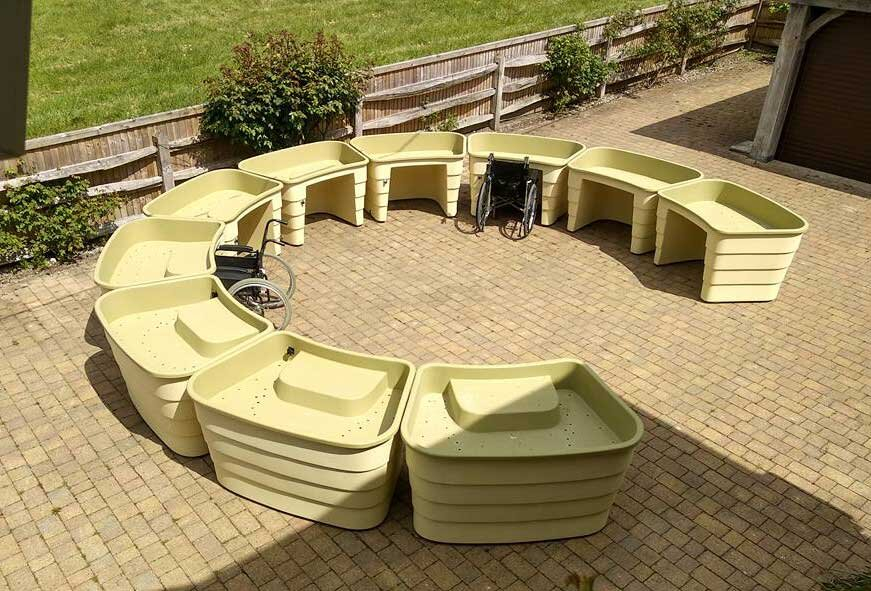
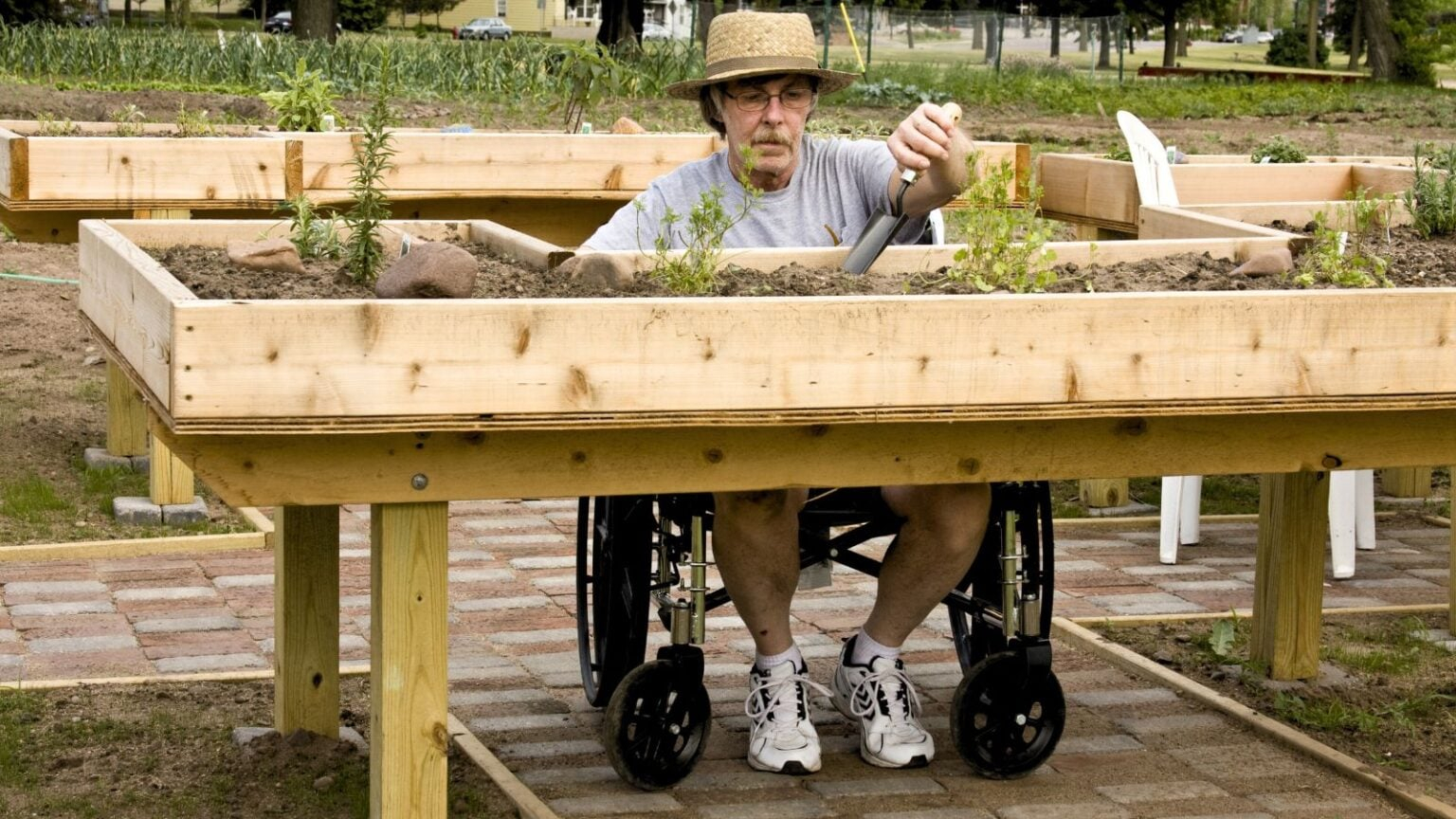
If your paths are less than 2 feet wide, you’re going to hate your garden by July. You’ll be twisting your hips to get through. You’ll drop things. You’ll compact the soil in the paths until it’s concrete. Master gardeners plan their hardscape first. They know that a 3-foot path allows two people to pass each other or a wheelbarrow to roll through smoothly.
It feels wasteful at first. "I’m paying for soil, why waste space on dirt paths?" But think about it. A garden you can’t comfortably work in is a garden you’ll neglect. Accessibility equals consistency. And consistency is what grows food. Plus, wider paths mean better airflow between beds, which reduces fungal issues like powdery mildew. It’s a health feature, not just a convenience.
Soil Depth Isn’t One-Size-Fits-All
You might think filling every bed to the brim is the goal. But different plants have different appetites for depth. A standard 6-inch deep bed is fine for salad greens and herbs. Their roots are shallow and spread out. But try growing carrots or deep-rooted perennials in there, and you’ll get stunted, weirdly shaped veggies.
Masters tailor the depth to the crop group. If you’re building modular beds, consider making one bed 12 inches deep for root vegetables and another 18-24 inches for heavy feeders like tomatoes and squash. Tomatoes send roots down deep to find water and stability. If they hit a barrier too soon, they stress out. Stressed plants produce less fruit and attract more pests.
There’s a hack here too. If you can’t build deep beds, you can double-dig the ground underneath before placing the box. Loosen the subsoil so roots can penetrate deeper even if the box itself is shallow. It’s extra work upfront, but it saves you from buying cubic yards of extra soil mix. Smart, right?
Companion Planting Is About Chemistry, Not Just Color
Beginners often pair plants because they look pretty together. Purple basil next to red tomatoes? Sure, it’s nice. But master gardeners pair for function. They’re thinking about chemical signals released by roots and leaves. Some plants repel specific pests. Others attract beneficial insects. Some even enhance the flavor of their neighbors (though the science on flavor is debated, the pest control part is solid).
For example, planting alliums like garlic and onions near carrots helps deter carrot rust flies. The strong scent masks the smell of the carrot tops. Meanwhile, planting nasturtiums near brassicas (like kale or cabbage) acts as a trap crop. Aphids love nasturtiums more than kale, so they flock there instead. You sacrifice the flowers to save the food.
Don’t just scatter seeds randomly. Group these functional pairs together. Create zones. A "pest-repellent border" around your bed using strong-smelling herbs like rosemary, sage, and thyme can create a barrier that confuses incoming insects. It’s like putting up a no-fly sign.
This is the part nobody talks about until they’re knee-deep in zucchini. How do you harvest? Beginners plant based on what they want to eat. Masters plant based on how they want to pick. If you plant your tallest, densest crops in the middle of the bed, you’ll have to crawl through mud to get to the back.
Design your layout so that high-frequency harvest crops are on the edges. Herbs, cherry tomatoes, snap peas. Things you grab every day while making dinner. Put the low-maintenance, one-time harvest crops (like winter squash or pumpkins) in the back or center where they can sprawl without blocking your daily path.
Also, consider succession. As soon as one crop finishes, what goes in next? Leave gaps or plan interplanting. When your spring radishes are done, your summer pepper plants should be ready to take that space. A master’s bed is never empty. It’s a relay race. By planning the workflow, you reduce the time you spend bending over and searching. You spend more time enjoying the result.
So, look at your beds again. Really look. Are they symmetrical squares fighting for light? Are your paths too narrow? Are you reaching over thorny bushes to get to your basil? Tweak it. Move a bed. Widen a path. Stack a layer. Gardening isn’t about following rules perfectly. It’s about observing what works and adjusting. The best layout is the one that makes you want to go outside.
[sps_html tag=”img” src=”https://cdn.northcarolinafinearchitecture.com/2026/05/accessible-garden-design-15-ideas-for-landscaping-paths-planting-and-inside-designing-accessible-raised-gardens-for-aging-gardeners.jpg” alt=”Accessible Garden Design: 15 Ideas For Landscaping, Paths, Planting And … inside Designing Accessible Raised Gardens for Aging Gardeners” style=”width: 100%; height: auto;”]
[sps_html tag=”img” src=”https://cdn.northcarolinafinearchitecture.com/2026/05/these-raised-gardens-f09faab4-thought-up-by-a-group-of-french-designers-make-intended-for-outdoor-raised-bed-design.jpg” alt=”These Raised Gardens 🪴, Thought Up By A Group Of French Designers, Make … intended for Outdoor Raised Bed Design” style=”width: 100%; height: auto;”]
[sps_html tag=”img” src=”https://cdn.northcarolinafinearchitecture.com/2026/05/accessible-garden-accessible-raised-garden-bed-senior-independent-regarding-designing-accessible-raised-gardens-for-aging-gardeners.jpg” alt=”Accessible Garden | Accessible Raised Garden Bed | Senior Independent … regarding Designing Accessible Raised Gardens for Aging Gardeners” style=”width: 100%; height: auto;”]
[sps_html tag=”img” src=”https://cdn.northcarolinafinearchitecture.com/2026/05/gardening-made-easier-for-everyone-accessible-gardens-regarding-outdoor-raised-bed-design.jpg” alt=”Gardening Made Easier For Everyone! – Accessible Gardens regarding Outdoor Raised Bed Design” style=”width: 100%; height: auto;”]
[sps_html tag=”img” src=”https://cdn.northcarolinafinearchitecture.com/2026/05/wheelchair-accessible-garden-design-using-raised-beds-intended-for-outdoor-raised-bed-design.jpg” alt=”Wheelchair Accessible Garden Design Using Raised Beds intended for Outdoor Raised Bed Design” style=”width: 100%; height: auto;”]