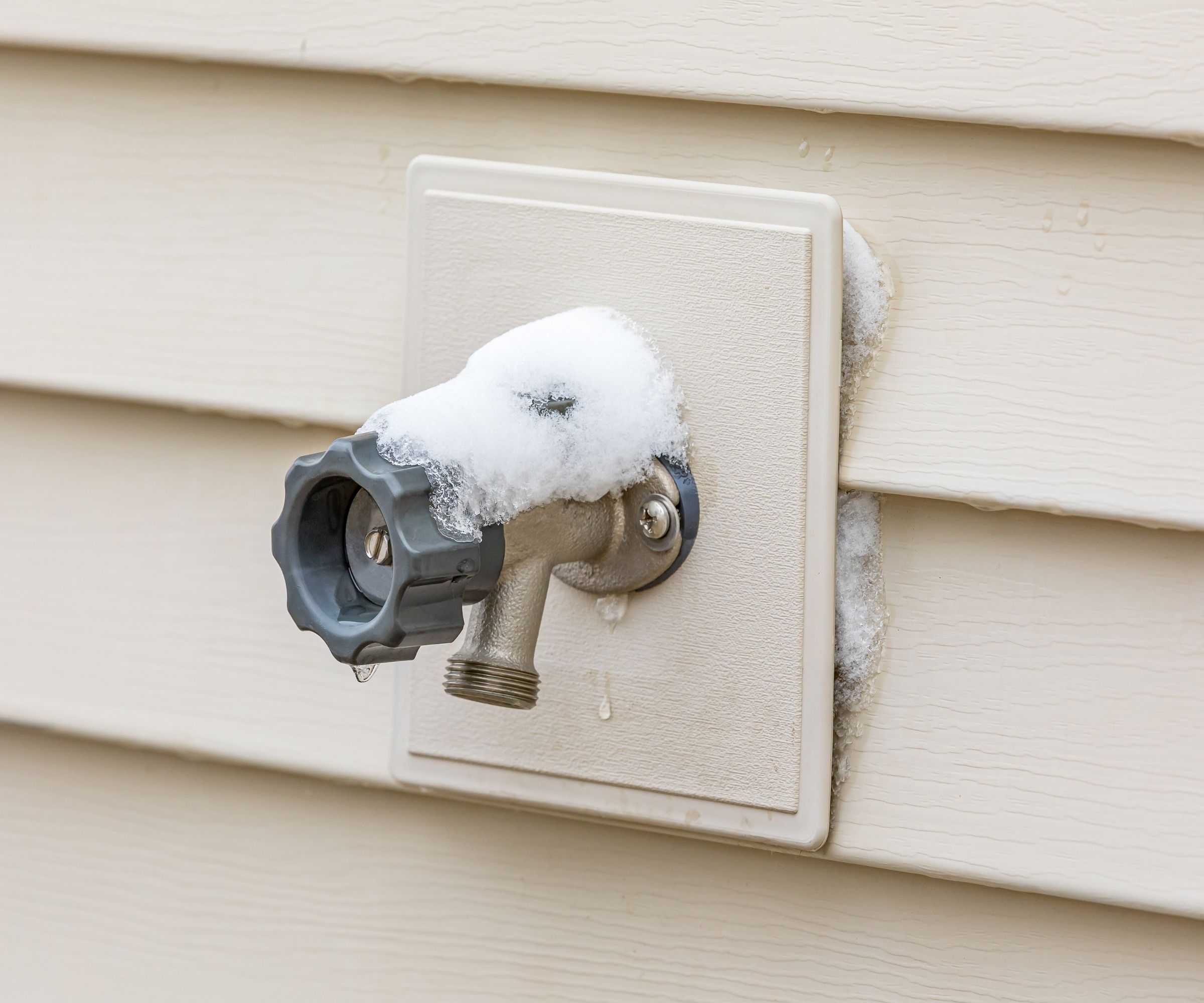
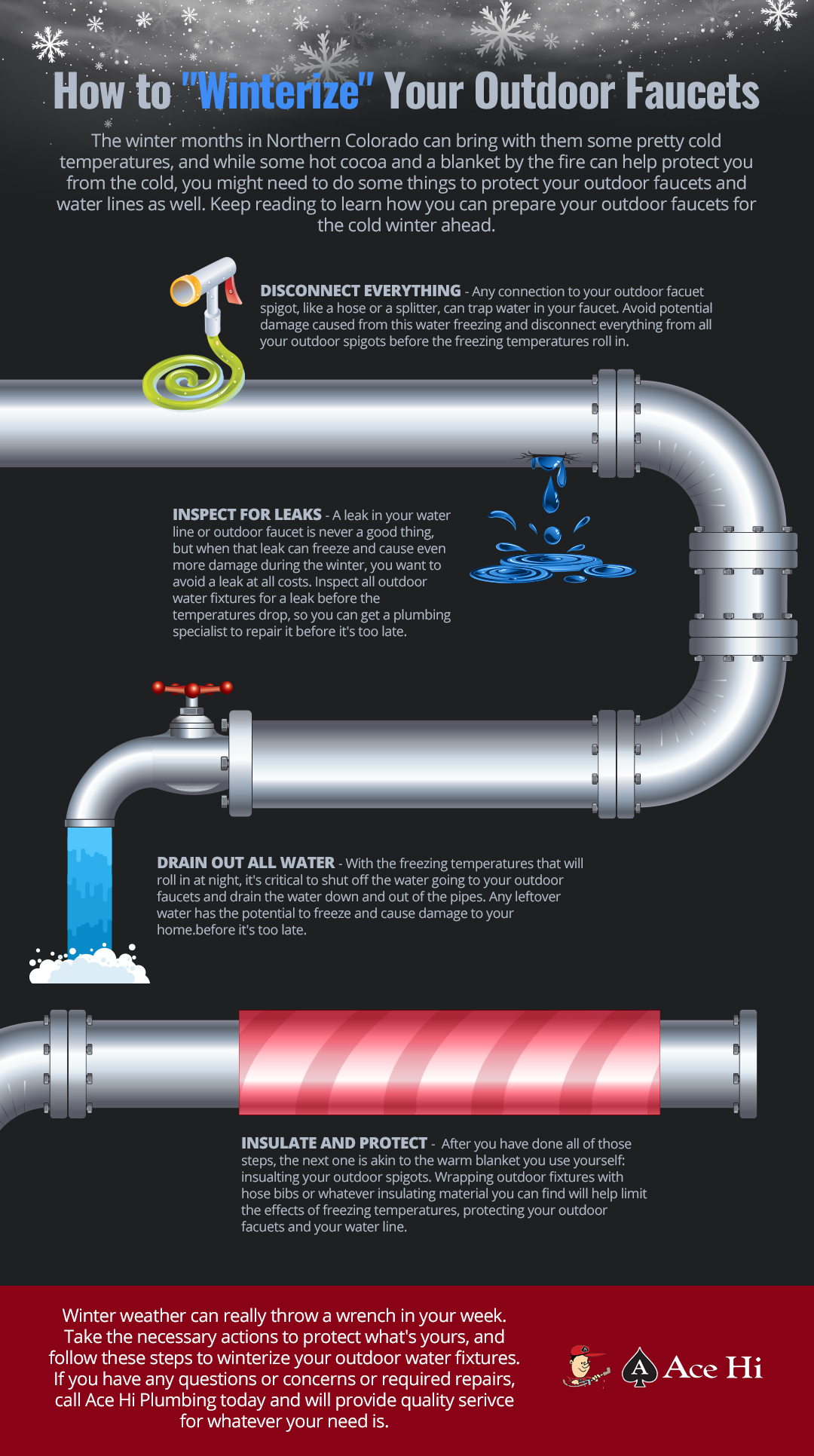
Across most of the United States, the first hard freeze of the season arrives sometime between October and November, and the weeks before it are the deadline for one of the cheapest forms of insurance a homeowner can buy: winterizing outdoor faucets. Water expands when it freezes, and a supply line that holds water through a hard freeze can split inside a wall or under the house, where the leak only announces itself when the thaw returns. The American Red Cross, plumbing contractors, and insurers all publish essentially the same short procedure, and none of it requires special skills.
Disconnect and Store Hoses First
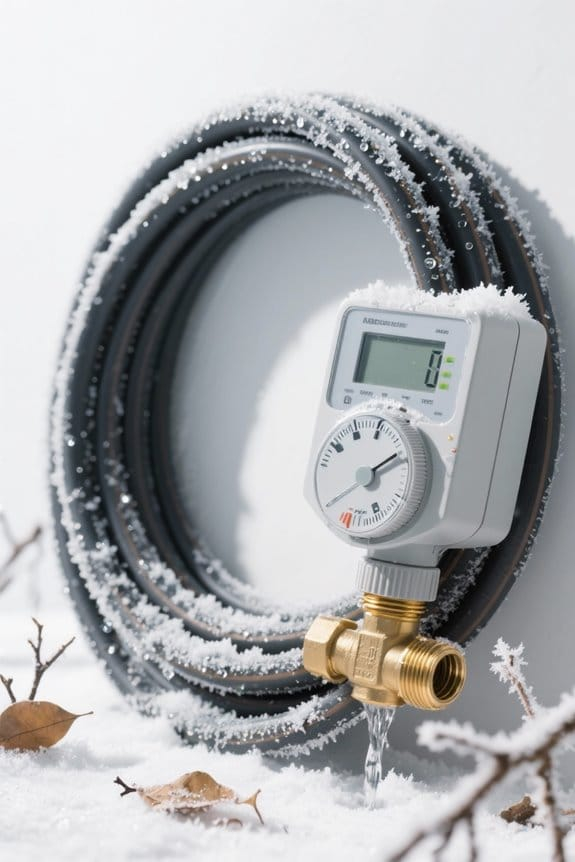
The sequence starts with the hose, not the pipe. The Red Cross’s frozen pipe guidance says it directly: remove, drain, and store hoses used outdoors. A hose left connected to a spigot holds water against the faucet and can trap residual water in the line, which defeats the drainage step that comes next, and a stiff, frozen hose also damages the faucet threads it is left hanging on.
Drain the hose as well as removing it. Coil it after water has run out, store it in a shed or garage, and use the disconnection as your cue to inspect the washer at the coupling, which is far easier to replace in October than in April.
Find and Close the Interior Shut-Off Valve
Most homes have a dedicated interior shut-off valve controlling each outdoor faucet. Wacker Plumbing’s winterization guide notes that this valve is typically located in a basement, crawl space, or mechanical room, usually within a few feet of where the outdoor faucet penetrates the wall. The Red Cross’s recommendation is the same: close inside valves supplying outdoor hose bibs.
Turn the valve fully closed, then confirm it actually controls the faucet by opening the spigot briefly before the next step. If the valve is seized or will not close completely, or if your older home simply has no interior shut-off for the outdoor line, note it now: that is a plumbing repair to schedule, not a reason to skip the rest of the routine.
Drain the Line and Leave the Outside Valve Open
With the interior valve closed, open the outdoor faucet all the way and let the water in the line run out. The Red Cross then gives the step people most often get wrong: keep the outside valve open so that any water remaining in the pipe can expand without causing the pipe to break. A closed faucet leaves a trapped pocket of water with nowhere to go; an open one gives ice room to push outward rather than against the pipe wall.
If your interior shut-off has a small bleed cap, open it after closing the valve to drain residual fluid from the short section between the valve and the faucet, as Wacker’s guide describes, and catch the trickle with a rag or small container. Leave the outside faucet slightly open through the winter to relieve any pressure from residual moisture, and mark the interior valve with a tag so next spring’s re-opening is a one-step job.
Frost-Free Faucets Still Need the Hose Off
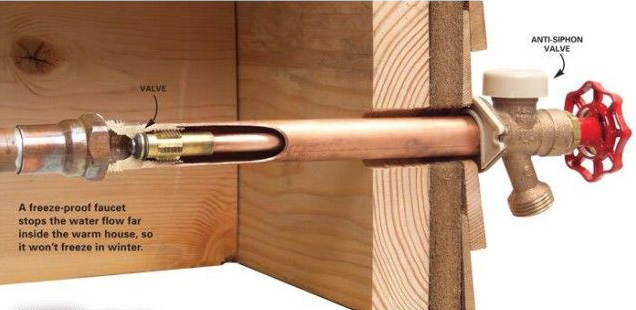
If your spigot is a long-bodied frost-free hose bibb, you have a head start but not an exemption. Frost-free faucets are designed so the shut-off point sits inside the home, keeping the water line protected from freezing conditions, and as West Bend’s guidance notes, these low-maintenance fixtures reduce the risk of freezing and typically do not require draining. The mechanism only works, though, if the faucet can drain outward, and a hose left connected holds water against the seat exactly where it should not be.
So the frost-free routine is the short version: hose off, drained, and stored; faucet checked for drips; cover installed if you want belt and suspenders. If the faucet drips when shut this fall, repair it before winter, because a slow leak keeps the line wet through the coldest nights. Wacker also reminds homeowners that backflow prevention devices such as vacuum breakers are required by code on outdoor faucets and integrated into many frost-free hydrants; if yours has none, ask a plumber whether one should be added when the faucet is next serviced.
Covers, Insurance, and When to Call a Plumber
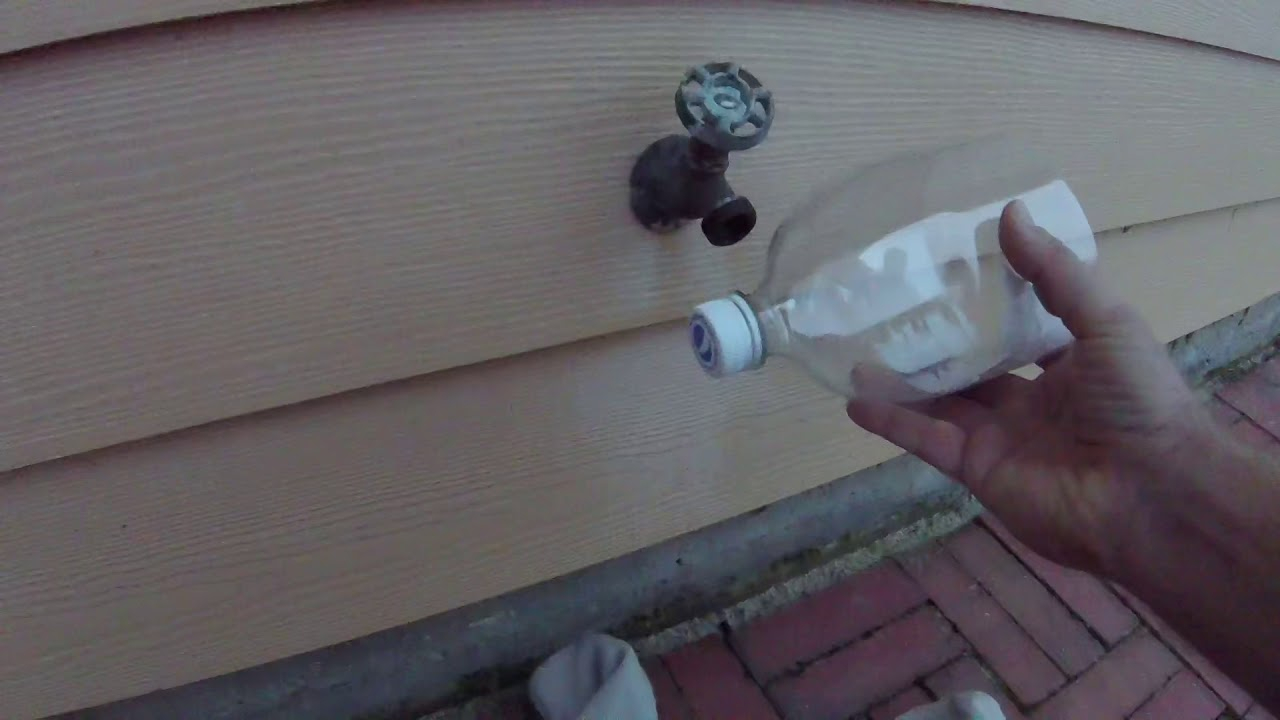
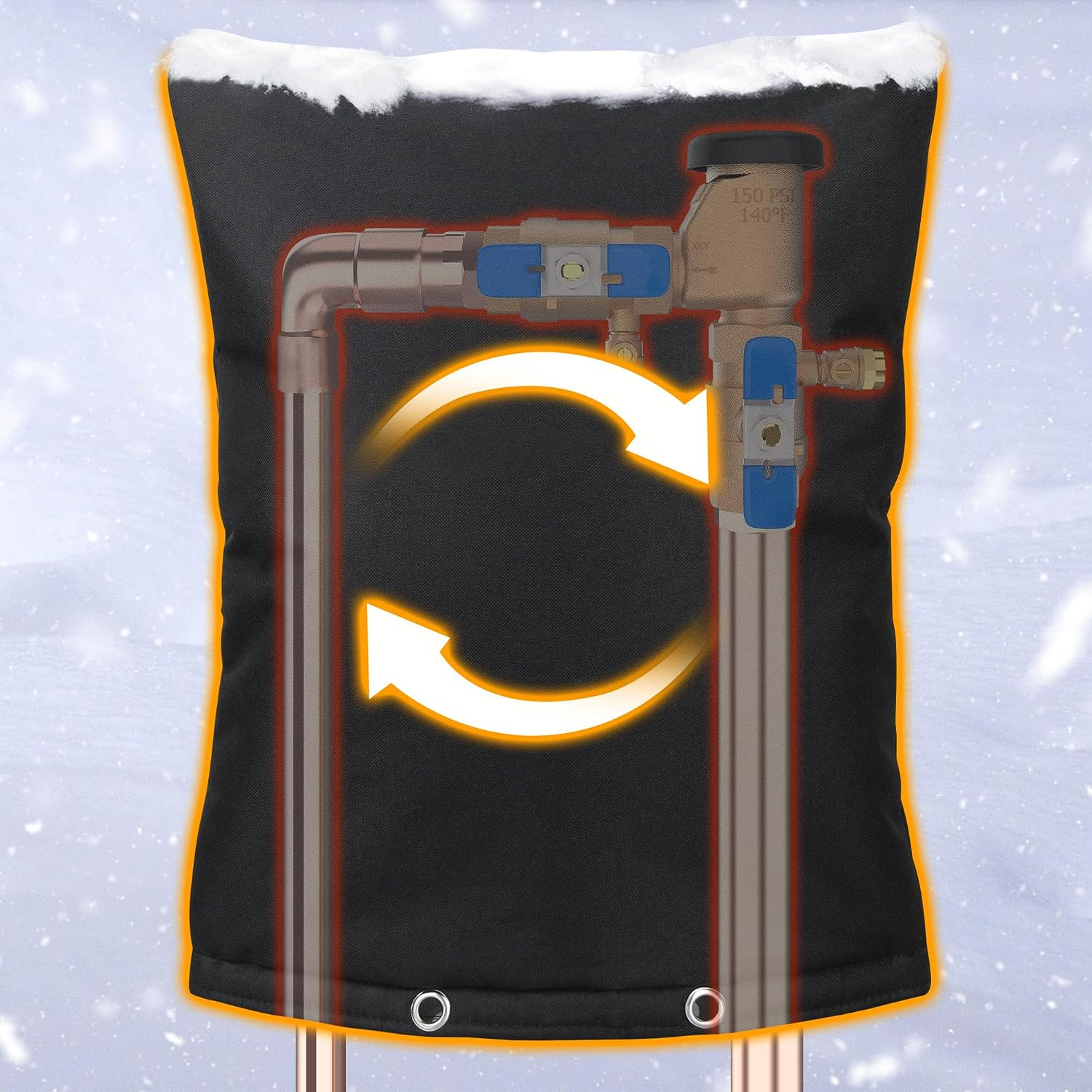
For standard faucets, an insulated hose bib cover is the final layer. West Bend suggests covering exterior faucets as additional protection; the domed covers are cheap, install in a minute, and are worth adding even after full shut-off and drainage, especially on north-facing walls where sun never reaches. Do not substitute automotive antifreeze for any of this: the Red Cross warns against putting antifreeze in lines unless a manufacturer or installer specifically directs it, because antifreeze is environmentally harmful and dangerous to humans, pets, wildlife, and landscaping.
If there is no interior shut-off valve for an outdoor line, the permanent fix is having a plumber install one, ideally alongside upgrading the faucet itself to a frost-free model. Ten minutes on a mild fall weekend, repeated each year, prevents one of the most expensive small failures a house can suffer, and it belongs on the same autumn checklist as shutting down the rain barrel and wrapping young trees for winter.