A window quote can sound precise while leaving the important comparison unfinished. One proposal may promise energy-efficient glass; another lists several decimal ratings without explaining them. Before comparing prices, ask for the energy label and the exact product details behind each proposal. Then put the same information in the same order for every option.
This guide is a reading and recordkeeping checklist for US homeowners, including those comparing windows in North Carolina. It does not choose a universal window specification, predict a utility bill, or establish compliance with local requirements. Its purpose is to help you turn a sales conversation into a set of clear, answerable questions.
Separate the NFRC ratings from ENERGY STAR certification
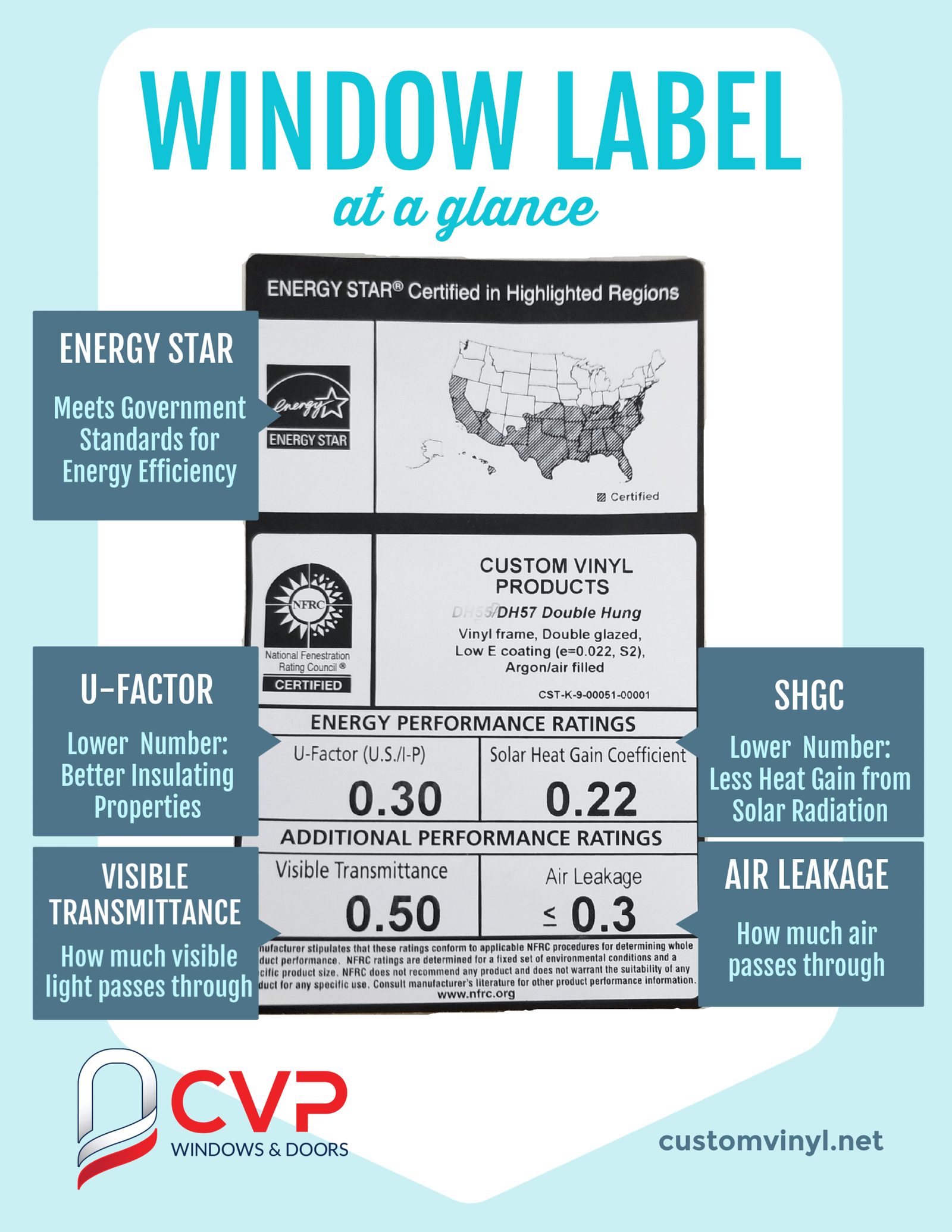
The National Fenestration Rating Council, or NFRC, provides independent energy-performance ratings. ENERGY STAR explains that NFRC ratings help consumers compare products, while ENERGY STAR identifies products meeting its energy-performance criteria. A ratings label and a certification mark therefore answer related but different questions.[3]
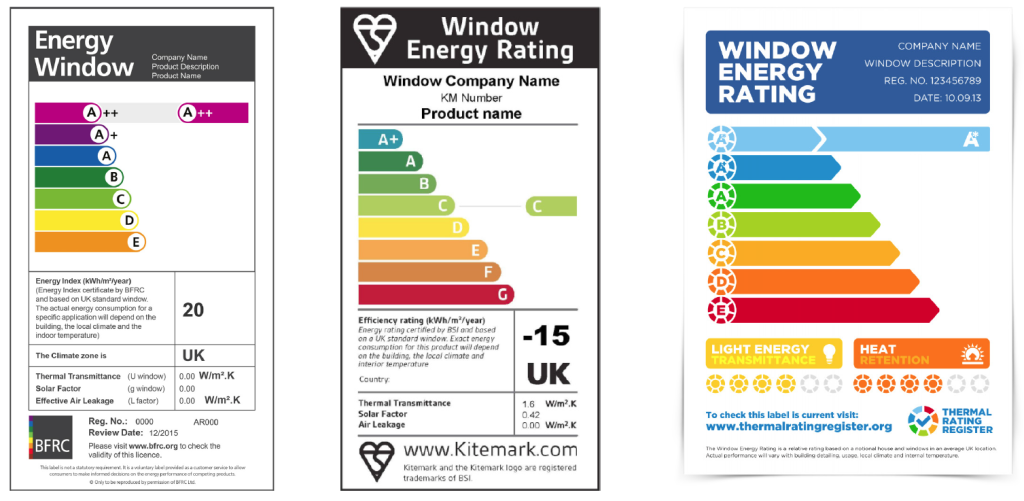
Start your comparison sheet with the manufacturer, product line, operating style, and the glass option named in the quote. Attach a photograph or document showing the label that applies to that option. If the salesperson gives you an example label, mark it “example only” until they confirm that it represents the proposed configuration.
Keep the quote identifier beside the label image. That small step prevents a later revision from being compared with an earlier specification by accident. Ask the seller to explain any change in the ratings when the glass, frame, or other options change; do not carry the original numbers into a revised order without confirmation.
Read the main numbers as separate questions
NFRC describes the following ratings on its label guide. They are not interchangeable scores, so do not add them together or pick a window merely because every number looks small.[10]
- U-factor: how well the product keeps heat from escaping. A lower number indicates better resistance to that heat loss.[10]
- Solar heat gain coefficient, or SHGC: how much solar heat the product allows in. Lower numbers admit less solar heat; higher numbers admit more.[10]
- Visible transmittance, or VT: how much daylight the product admits. A higher number means more transmitted visible light.[10]
- Air leakage: a rating of air entering through the product, rather than another name for heat transfer through its materials.[10]
- Condensation resistance: a measure of resistance to condensation. A higher value indicates better resistance on that rating.[10]
Write the rating name alongside each number, not just a string of decimals. If a value is missing from the information supplied, record “not supplied” and ask for clarification. An empty box is not evidence of zero leakage or perfect performance.
Check the climate qualification instead of guessing from an address
ENERGY STAR’s purchasing guidance tells buyers to determine their climate zone, identify product lines certified for that zone, and ask for the appropriate certification when ordering. It also advises checking the ENERGY STAR label beside the NFRC label when buying off the shelf.[4]
Use the official climate-zone lookup rather than assuming that a product promoted somewhere in the United States is the right certified option for your location. Put the lookup result and the date you checked it in your comparison folder. Ask the dealer to point to the applicable qualification for the exact option in the quote.
Then describe the room in plain language: which windows you are considering, where you notice discomfort, and what you want to preserve about the view or daylight. These are questions for the installer or designer, not a substitute for performance data. Keep observations such as “afternoon glare at the desk” separate from unverified diagnoses such as “the glass is defective.”
Try a side-by-side comparison without inventing a winner
For illustration only, imagine two fictional quotes for the same opening. Quote A lists U-factor 0.24, SHGC 0.30, and VT 0.50. Quote B lists U-factor 0.28, SHGC 0.22, and VT 0.42. These are invented teaching values, not available products or recommended targets.
Using NFRC’s definitions, A shows better resistance to heat loss and admits more visible light; B admits less solar heat. That description is not enough to declare an overall winner. It tells you which tradeoffs need explanation and which additional information to request.[10]
Try this comparison worksheet:
- Are both proposals for the same opening and intended type of operation?
- Which exact product and glass configuration do the supplied ratings describe?
- Is certification for the relevant climate zone documented?
- Which differences matter to the room’s stated goals, and who will explain why?
- What installation work and exclusions are included in each written proposal?
- Which questions remain unanswered before an order can be approved?
Leave the recommendation column blank until those questions are answered. A worksheet that exposes missing information is more useful than a forced ranking based on incomplete numbers. Save the answers with the dated quote rather than relying on a salesperson’s verbal assurance.
Keep installation and existing problems on separate checklists
ENERGY STAR stresses following manufacturer installation instructions and recommends saving the ENERGY STAR and NFRC labels as documentation.[4] Keep installation paperwork alongside those labels, with separate sections for product selection and the work performed.
Ask for a written description of the planned work and the documents you will receive afterward. Request clarification of anything excluded from the proposal before work begins. This article is not an installation method: it does not tell you to remove glazing, alter an opening, or repair a hidden water problem yourself.
If the reason for shopping is fog on the glass, first document what you are seeing. Our guide to condensation inside, outside, or between window panes offers an observation checklist. A new-product ratings comparison should not replace investigation of the particular symptom at your existing window.
Save a final record before the labels disappear
Create one folder for the accepted quote, final product details, label photographs, and installation paperwork. When materials arrive, ask the responsible installer or supplier to resolve any discrepancy between the order and the delivered labels. Record the resolution rather than assuming that a different-looking label is either harmless or proof of a defective product.
Finish with a simple handover sheet: which option was ordered, where its supporting documents are saved, what work was completed, and which questions still need attention. The useful result is not a memorized list of ratings. It is a comparison you can explain, verify, and return to after the sales conversation is over.
Sources
- [3] Independently Tested and Certified Energy Performance | ENERGY STAR
- [4] Residential Windows, Doors, & Skylights | ENERGY STAR
- [10] National Fenestration Rating Council – National Fenestration Rating Council