The alarm goes off, piercing through the quiet dimness of a Tuesday morning. The air outside is brisk, carrying the quiet friction of an inbox waiting to burst and a commute that demands immediate adrenaline. Yet, feet hit the hardwood floor, reach for the heavy, plush garment hanging by the door, and slide arms into the sleeves. Suddenly, a collective exhale ripples through the body. The shoulders drop two inches. The racing thoughts inside the skull slow their frantic cadence.
It is not merely the warmth of the fabric or the luxury of a slow morning that creates this shift. It is physics and neurology working in quiet tandem. That fifteen-pound fleece garment, engineered with thousands of microscopic glass beads tucked into precision-stitched internal channels, is doing something profound to your central nervous system. It is anchoring you.
For years, the therapeutic world obsessed over heavy blankets, transforming how millions approach sleep anxiety and sensory processing disorders. But the engineering has evolved outward. Brands like Thera and Gravity have popularized wearable wellness tools, turning the humble housecoat into a sophisticated somatic instrument. Understanding why that morning wrap delivers such an instant wave of calm requires looking deep beneath the skin, examining how our proprioceptive systems respond to distributed physical load.
The human body is an ancient vessel navigating a hyper-modern environment. Our biological hardware evolved on the savannah, where physical safety was often defined by close proximity, tribe, and tactile containment—the literal embrace of others. When modern life strips away that tactile feedback, the nervous system can interpret the vacuum as low-grade, chronic peril. This manifests as elevated cortisol, jittery focus, and a persistent hum of underlying anxiety that greets us before our morning coffee even brews.
Enter Deep Pressure Stimulation, or DPS. Originally popularized by pioneer Dr. Temple Grandin through her work with autistic individuals, DPS relies on firm, controlled, and evenly distributed pressure applied across the body’s surface. When you pull on a properly constructed weighted robe, millions of mechanoreceptors embedded in your skin—known as Pacinian corpuscles—are activated by the steady surface tension. These receptors send immediate neural signals up the spinal cord to the thalamus and hypothalamus, effectively shifting the autonomic nervous system out of sympathetic "fight or flight" gear and locking it securely into parasympathetic "rest and digest" mode.
The Physics of Balance: Why Pocket Architecture Matters More Than Total Weight
Buying a weighted garment or blanket is rarely just about checking a scale. A twenty-pound mass dumped entirely onto your upper back would feel like a punishment, pulling you forward, pinching nerves, and leaving your trapezius muscles screaming by noon. The magic of modern therapeutic textiles lies entirely in grid geometry and pocket architecture. To achieve that coveted floating-on-air sensation, manufacturers must solve a complex mathematical puzzle regarding how mass responds to gravity while a human body is moving, bending, and breathing.
Micro-glass beads or BPA-free poly pellets are the gold standards of this manufacturing process. Unlike heavy metal shards or shifting sand, uniform micro-beads can be locked into microscopic quilted panels, often measuring two inches by two inches. This precise compartmentalization ensures that when you tie your robe and reach for the kettle, the weight doesn’t pool awkwardly around your waist or sag into the hem. The physical load remains suspended evenly across your shoulders, cascading down your torso like a custom-tailored hug.
When weight distribution fails, the therapeutic illusion shatters instantly. Poorly constructed garments use large, sparse pockets that allow beads to migrate to the bottom corners during sleep or motion. This creates localized pressure points that compress superficial blood vessels and irritate muscle tissue, triggering a stress response rather than alleviating one. True somatic comfort requires architectural precision. Every square inch of the garment must contribute a mathematically balanced fraction of the total mass, mimicking the fluid, adaptable pressure of a living embrace.
Somatic Engineering and the Neurochemical Shift of Morning Routines
The transition from deep sleep to waking consciousness is notoriously volatile. Cortisol levels naturally spike during the final hours of sleep to help rouse the body—a phenomenon known as the cortisol awakening response. For many, this chemical surge feels less like alertness and more like an abrupt, unfiltered jolt of morning dread. Introducing a weighted garment immediately following this window acts as a biochemical buffer, altering the ratio of circulating neurotransmitters before the day’s stressors can take root.
Clinical observations of deep pressure therapy consistently highlight its ability to modulate brain chemistry. When somatic receptors register the steady, uniform pressure of a weighted weave, the brain responds by increasing the synthesis and release of serotonin and dopamine. These neurotransmitters serve as foundational emotional stabilizers. Simultaneously, the parasympathetic activation curbs the excessive production of cortisol and adrenaline. You are literally engineering a chemical reset simply by putting on your morning wear.
This neurochemical shift explains why routine tactile habits stick with such tenacity. The brain is a master of associative learning. When you pair the sensory input of a weighted wrap with your morning coffee, journaling, or meditation, you create a powerful neural loop. Over time, merely touching the heavy fabric triggers a conditioned relaxation response. Your nervous system learns to recognize the garment as a visual and tactile boundary, a protective shield separating your internal peace from the external demands of the world.
Implementing Somadic Wearables for Maximum Neurological Impact
Integrating weighted garments into a daily wellness protocol requires more than simply tossing a heavy robe over your pajamas. To maximize the therapeutic benefits of Deep Pressure Stimulation, users must approach these tools with an understanding of dose, timing, and physiological feedback. The goal is to optimize nervous system regulation without triggering sensory fatigue or muscular strain during active morning routines.
- Select the Appropriate Mass Ratio: Look for a garment that weighs approximately ten percent of your total body weight, typically falling between ten and twenty-five pounds, ensuring the load is explicitly rated for wearable upper-body distribution.
- Inspect the Internal Quilting Grid: Prioritize garments utilizing micro-glass bead technology enclosed within tight, multi-stitched channel grids to prevent the filling from sagging or pooling during movement.
- Time Your Exposure Intentionally: Wear the robe during passive or low-movement morning activities—such as reading, sipping tea, or meditating—for optimal parasympathetic engagement before tackling high-stress tasks.
- Monitor Muscle Adaptation: Start with shorter sessions lasting fifteen to twenty minutes during the first week to allow your postural muscles to adapt seamlessly to the added distributed load.
- Pair with Breathwork Practices: Combine the tactile input of the weighted fabric with slow, diaphragmatic breathing exercises (such as box breathing) to accelerate the transition into a calm, grounded state.
Navigating Structural Flaws and Practitioner Workarounds
Even the most sophisticated wellness products come with inherent design challenges that can disrupt your therapeutic routine if left unmanaged. The most common trap consumers fall into is prioritizing aesthetic plushness over functional engineering, leading to garments that look cozy on a rack but fail miserably under the laws of physics. Recognizing these manufacturing shortcomings saves you from wasted investments and physical discomfort.
- Pitfall: Shifting Bead Clusters: Low-end models feature oversized pockets that allow beads to slide downward. Workaround: Choose garments with double-stitched baffle box construction and heavy-duty reinforcement along the shoulder seams to lock fillings permanently in place.
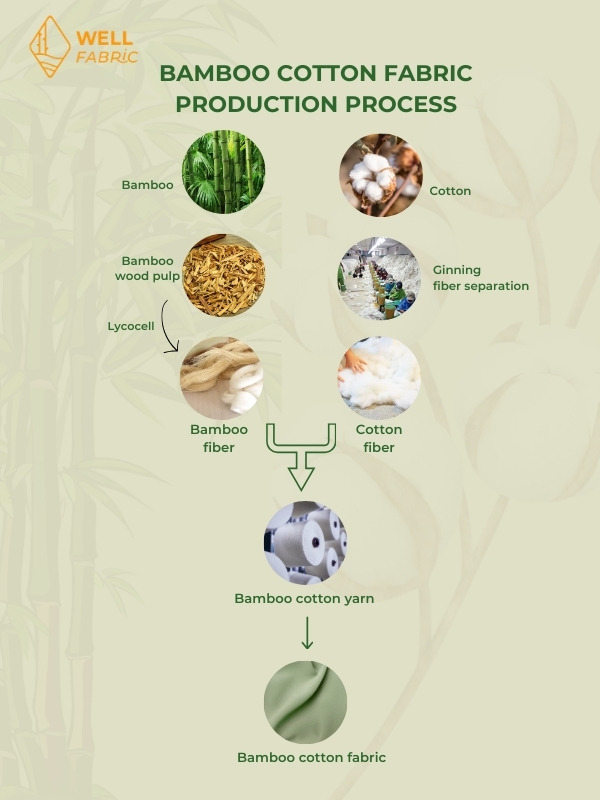
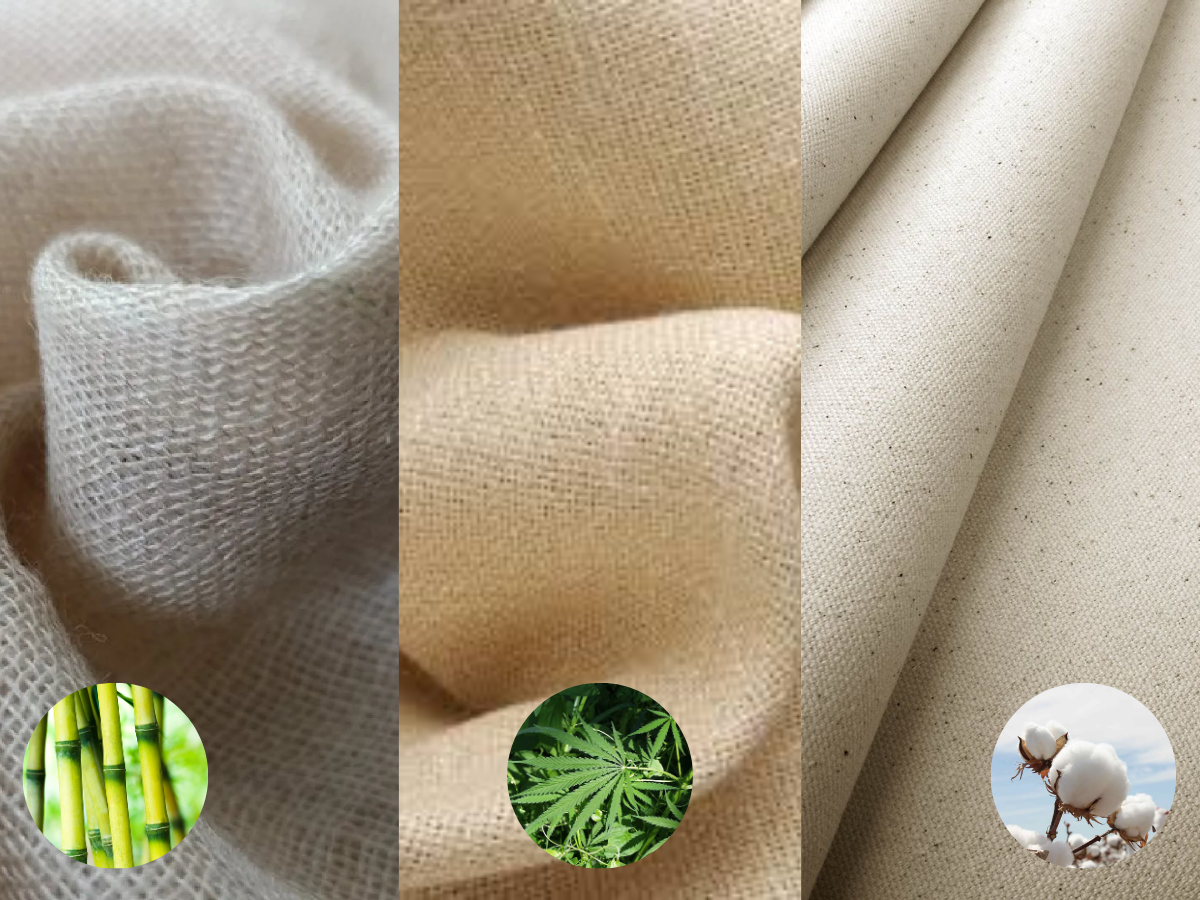
- Pitfall: Trapped Thermal Heat: Heavy fleece combined with dense bead filling can cause overheating during warmer months. Workaround: Invest in dual-season weighted robes that incorporate moisture-wicking bamboo or breathable cotton shell fabrics alongside the weighted core.
- Pitfall: Upper Back Fatigue: Wearing a heavy robe while actively hunching over a laptop can strain the neck. Workaround: Reserve your weighted wrap strictly for upright, relaxed posture moments, removing the garment once active physical labor or computer work begins.
- Pitfall: Improper Cleaning Methods: Tossing a weighted garment into a standard washing machine can rupture internal baffles and ruin your appliance. Workaround: Always check care labels for spot-cleaning instructions or use commercial-grade laundry facilities equipped for heavy loads, opting for removable washable outer covers when available.
- Pitfall: Sizing Discrepancies: A weighted robe that is too large will hang off the shoulders improperly, concentrating mass at the elbows or hem rather than across the core. Workaround: Measure your chest circumference carefully against manufacturer sizing charts, ensuring a snug, contour-hugging fit rather than an oversized lounge aesthetic.
The Broader Landscape of Wearable Wellness and Sensory Ergonomics
The surging popularity of weighted robes and vests is part of a much larger, fascinating cultural pivot toward sensory ergonomics. For decades, ergonomic design focused almost exclusively on mechanical positioning—lumbar support, wrist alignments, and screen heights. We optimized our physical spaces to prevent carpal tunnel and lower back pain, while completely ignoring the neurological tolls of modern sensory overload.
As urban environments grow denser, notifications multiply, and our collective attention spans are fractured by blue-light screens, the human nervous system is crying out for physical boundaries. Wearable weighted technology represents a democratization of occupational therapy techniques that were once confined to clinical settings for individuals with sensory processing differences. Today, busy parents, remote professionals, and creative workers are utilizing these tools to reclaim a sense of bodily sovereignty.
Economically, this shift has transformed sleep and lounge brands into functional wellness innovators. The market is no longer driven solely by thread counts or aesthetic softness; it demands clinical validation, material transparency, and functional efficacy. Consumers want to know how a textile interacts with their vagus nerve, how it lowers heart rate variability, and whether it can genuinely mitigate the physical symptoms of anxiety before they derail a workday.
Strategic Frameworks for Maximizing Daily Grounding
To truly integrate the science of weight distribution into a sustainable lifestyle, you need a coherent framework that aligns your sensory tools with your daily biological rhythms. It is not about buying the most expensive product on the market; it is about intentional engagement with tactile physics. By treating your morning routine as a somatic ritual rather than a mechanical race against the clock, you fundamentally change your relationship with stress.
- Establish a Tactile Anchor Point: Keep your therapeutic garment in a dedicated, visible location that cues your brain to transition immediately into a grounded state the moment you put it on.
- Audit Your Sensory Environment: Combine your weighted wrap with other calming sensory inputs, such as low-warmth lighting, ambient acoustic soundscapes, or scent-based grounding cues like cedar or lavender.
- Rotate Your Wellness Tools: Alternate between weighted blankets during sleep and weighted garments during morning prep to prevent sensory habituation and maintain high neural responsiveness to pressure stimulation.
- Prioritize Material Breathability: Ensure your everyday somatic gear matches your regional climate, selecting cooling modal or linen-blend outer layers for warm-weather use to prevent thermal discomfort.
The comfort found in the folds of a heavy morning robe is a profound reminder that our bodies are deeply physical entities that cannot be intellectualized out of stress. In a world that constantly pulls our attention into intangible digital spaces, tactile feedback acts as an anchor, pulling us back into the undeniable reality of skin, bone, and breath.
Understanding the mechanics behind deep pressure stimulation transforms a simple domestic habit into an intentional act of self-care. It proves that feeling safe, grounded, and held is not a luxury—it is a biological requirement for human flourishing. As wearable wellness continues to evolve, the intersection of textile engineering and neurobiology will only grow deeper, offering new ways to quiet the noise of modern life one thoughtfully engineered thread at a time.