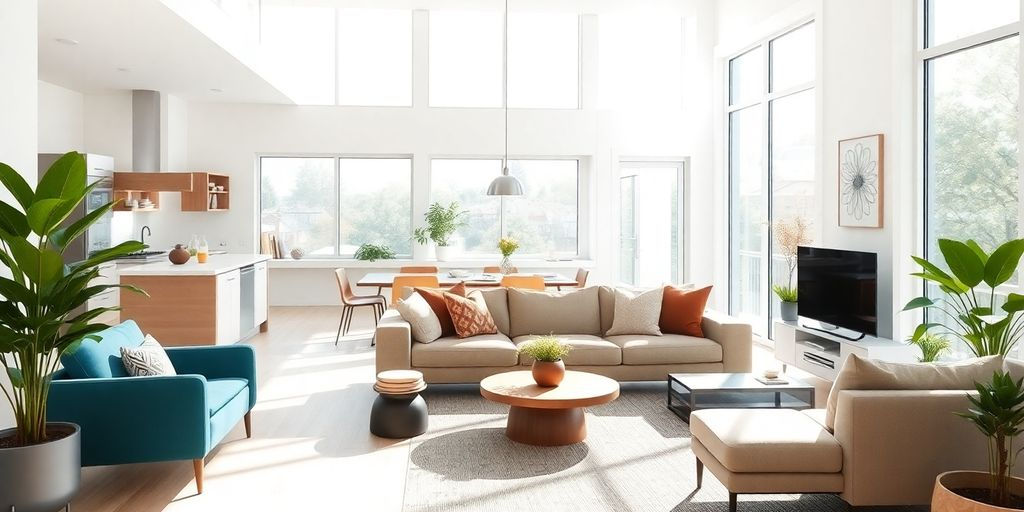
The August afternoon sun hits the asphalt outside with a blistering, shimmering glare, yet inside the living room, the air feels crisp and stable without the central air conditioning system roaring overhead. For years, homeowners have resigned themselves to a cyclical ritual of dread—opening utility statements that climb higher with every seasonal temperature spike. We treat rising electricity, gas, and water bills as an inevitable tax on modern living, a fixed cost we can only manage by sweating through July or turning down the thermostat to a shivering sixty-eight degrees in January.
Yet, a quiet rebellion is reshaping residential and commercial real estate. Architects, builders, and savvy property owners are proving that the most effective way to protect your wallet from volatile utility markets is not by rationing energy, but by redesigning the physical envelope of the space itself. By leaning into sustainable construction methods, smart thermal envelopes, and high-ROI efficiency upgrades, green architecture has pivoted from a luxury aesthetic for environmental purists to the most aggressive financial defense mechanism available to property owners today.
The conversation around sustainable building has matured significantly. Gone are the days when going green meant accepting compromised comfort or aesthetic oddities. Today’s green building integrates cutting-edge materials science, precision engineering, and ancient passive design wisdom into seamless, everyday spaces. Understanding how these elements interact allows you to construct or retrofit an environment that actively works to generate capital back into your pocket month after month.
The 2026 Energy Efficiency Hierarchy and Why Immediate Savings Require Strategy
One of the most persistent financial mistakes property owners make is assuming that all sustainability upgrades deliver equal value. They do not. Dropping thousands of dollars on a state-of-the-art residential wind turbine or a complex geothermal heat pump might generate headlines, but it often carries a payback period stretching decades into the future. Conversely, targeting the foundational weak points of a building’s thermal envelope can slash monthly overhead costs almost immediately.
The modern approach to green building relies on a strict hierarchy of efficiency. At the base of this pyramid sits air sealing and continuous thermal insulation. Before you generate a single kilowatt of renewable energy through rooftop solar arrays or micro-inverters, you must stop the conditioned air inside your building from leaking out into the atmosphere. Thermal bridging—where framing members bypass insulation and conduct heat directly through walls—acts like an open window during peak heating and cooling seasons. Correcting these structural flaws requires relatively modest capital outlays while yielding immediate, compounding drops in monthly HVAC runtimes.
Once the thermal envelope is secured, attention shifts toward mechanical systems optimization. Traditional fossil-fuel boilers and aging central air units devour electricity and gas inefficiently, cycling on and off in wasteful bursts. Modern variable-speed heat pumps, paired with smart multi-zone climate thermostats, modulate their output continuously to match the precise thermal load of the rooms being used. When you combine an airtight structure with hyper-efficient heating and cooling, your baseline energy demand drops by up to sixty percent, fundamentally altering what your monthly utility statement looks like year-round.
Material Science and the Financial Logic of Embodied Performance
When people evaluate building materials, they typically look at two factors: the upfront price tag and the aesthetic finish. Sustainable architecture demands a third, far more critical metric: lifecycle operating cost. Every material chosen during construction or renovation either traps thermal energy inside the living space or bleeds it away, directly influencing the utility bills you will pay for the next thirty years.
Consider advanced framing techniques and structural insulated panels (SIPs). Traditional stick-frame construction leaves massive gaps filled with fiberglass batting that sags, settles, and loses its R-value over time. SIPs consist of an insulating foam core sandwiched between structural structural facings, creating a solid, monolithic barrier against exterior temperature swings. Because these panels eliminate thermal bridges entirely, buildings constructed with them require significantly smaller heating and cooling plants. A smaller HVAC unit costs less to purchase initially, consumes less electricity during operation, and incurs lower maintenance expenses over its lifespan.
On the interior, thermal mass materials like polished concrete floors, rammed earth walls, or high-density adobe bricks act as natural temperature batteries. During the winter months, these materials absorb solar radiation streaming through south-facing windows during the day and slowly release that stored warmth into the rooms long after the sun goes down. In the summer, they absorb ambient indoor heat, keeping peak temperatures comfortable without mechanical intervention. This natural thermodynamic balancing act flattens out the daily energy spikes that trigger peak-hour utility rate pricing.
A Pragmatic Blueprint for Retrofitting Your Space for Maximum Financial Yield
Transforming an existing building into an efficient, low-cost asset does not require a total teardown. By executing upgrades in a disciplined, sequential order, you can maximize your return on investment while taking full advantage of current federal, state, and local financial incentives.
- Step 1 (Comprehensive Energy Audit): Hire a certified energy rater to conduct a blower door test and thermal imaging scan. This identifies your exact air leakage points and insulation voids, ensuring you spend money only where your building bleeds the most energy.
- Step 2 (Thermal Envelope Reinforcement): Seal gaps around penetrations, window frames, and rim joists. Upgrade attic insulation to modern recommended R-values (typically R-49 to R-60 in temperate zones) to prevent the massive stack-effect heat loss.
- Step 3 (HVAC Modernization and Smart Controls): Replace aging fossil-fuel equipment or standard AC units with high-efficiency cold-climate heat pumps. Install smart communicating thermostats that automatically adjust temperatures based on occupancy and real-time utility pricing tiers.
- Step 4 (Water and Fixture Optimization): Install high-efficiency tankless water heaters, low-flow aerators, and greywater diversion systems. Heating water represents the second-largest energy expense in most homes, making domestic hot water efficiency a high-yield target.
- Step 5 (Renewable Integration and Storage): Cap off your efficiency gains by installing appropriately sized rooftop solar photovoltaic arrays paired with modular battery storage, allowing you to shield yourself completely from rising grid tariffs.
Navigating Common Pitfalls and Budgetary Missteps in Green Building
Pursuing a greener, more cost-effective living space is fraught with well-intentioned traps that can easily derail your budget if you lack proper guidance. The most common pitfall is falling for greenwashing—purchasing expensive decorative materials marketed as "eco-friendly" that offer zero tangible impact on your monthly utility bills. Reclaimed barn wood or exotic cork flooring might look stunning on design blogs, but they do nothing to lower your gas or electric consumption. Always prioritize thermodynamic performance over surface aesthetics.
Another major misstep involves over-sizing mechanical equipment. Contractors accustomed to traditional construction methods often install oversized heat pumps or solar arrays, assuming bigger is always better. In reality, an oversized heat pump short-cycles, turning on and off too frequently, which wears out mechanical components prematurely and fails to properly dehumidify the indoor air. Precision load calculations, known as Manual J and Manual S assessments, must guide the sizing of every mechanical upgrade to ensure peak efficiency and longevity.
Failing to account for local climate contexts represents a third hazard. A passive solar design strategy that works brilliantly in the high desert of the Southwest—such as massive thermal walls and deep roof overhangs—will create a cold, dark cave in the Pacific Northwest. Sustainable building is entirely contextual. Copying a design from a different geographical zone without adapting it to local solar angles, humidity levels, and prevailing wind patterns guarantees suboptimal energy performance.
The Broader Economic Horizon: Resilient Asset Value and Future-Proofing
Looking at sustainable building purely through the lens of monthly utility savings misses half the financial equation. Properties featuring verified energy-efficient attributes, low operational carbon footprints, and high-performance envelopes command distinct advantages in the broader real estate market. As municipal building codes tighten and utility companies implement aggressive time-of-use pricing structures, energy-hogging properties face accelerating depreciation.
Financial institutions and mortgage underwriters increasingly recognize this shift, offering green mortgages and favorable lending terms for homes certified under rigorous efficiency standards. When a buyer evaluates two identical homes—one with a monthly utility bill of four hundred dollars and another engineered to run on a fraction of that through passive design and solar integration—the lower operational cost directly increases borrowing power. Lower monthly overhead translates directly into higher resale equity.
Furthermore, building green provides a vital psychological shield against macro-economic volatility. Fuel prices spike, grid failures occur during extreme weather events, and municipal water restrictions tighten with increasing frequency. A resilient, highly efficient building equipped with independent thermal regulation and backup storage operates as a self-sustaining sanctuary. You insulate your household budget from external shocks that leave traditional homeowners scrambling to pay soaring utility tariffs.
Actionable Frameworks for Turning Sustainability Into Monthly Savings
To transform these concepts into tangible reductions in your cost of living, you need a structured operational framework. Start by viewing your utility statements not as static bills, but as diagnostic reports on your building’s physical health. Track your therms and kilowatt-hours month-over-month, normalized against local weather data, to measure the exact return on every improvement you make.
Establish a maintenance calendar dedicated to building performance. Clean or replace your HVAC air filters quarterly, inspect weatherstripping around exterior doors annually, and service your heat pump coils before peak heating and cooling seasons arrive. Neglected mechanical systems lose efficiency rapidly, quietly driving up your monthly energy consumption by ten to twenty percent without any obvious warning signs.
Finally, leverage every available financial incentive to accelerate your payback timeline. Modern tax credits, utility rebates, and performance-based incentives can offset a substantial percentage of upfront equipment and installation costs. By combining these financial catalysts with rigorous structural efficiency, you shorten the investment recovery window, ensuring your green space begins turning a net profit on operational savings faster than you might expect.
The architecture of our living spaces dictates the rhythm of our daily lives and the health of our personal finances. We stand at a unique intersection where advanced material science, economic necessity, and environmental responsibility converge to offer a better way forward. By rejecting the myth that comfort requires high energy consumption, we open the door to spaces that nurture both our well-being and our bank accounts.
Building or retrofitting a greener space is ultimately an act of reclaiming financial independence. Every sealed air leak, every optimized thermal mass wall, and every kilowatt generated on-site represents a permanent vote against rising utility overhead. As we navigate the economic realities of modern homeownership, investing in the thermal integrity of our built environment remains the smartest, most reliable dividend we can pay ourselves.