The smell of hot wax, cooling silica sand, and sulfurized liver of potash fills a cramped Florentine workshop where time seems to slow to a crawl. A master metalworker holds a bronze sconce under the beam of an overhead halogen lamp, slowly turning the heavy casting in scarred palms. Every inch of the surface reveals microscopic undulations—tiny hammer marks, faint traces of the sand mold, and gradients of dark umber and warm ochre built up through successive layers of chemical patination and hand-brushing. This is not the sterile, mirror-smooth perfection rolling off an automated stamping line in an overseas factory. This is a survivor of an ancient lineage, forged with a level of patience that feels almost radical in a culture obsessed with instant gratification and frictionless glass screens.
For decades, interior architecture chased an ethos of absolute slickness. Recessed LED strips vanished into flush drywall pockets; polished chrome and flawless, lacquered brass reflected the glare of open-plan living spaces without holding a shadow. Yet a quiet fatigue has settled over residential design. People are tired of rooms that feel like pristine corporate showrooms or digital renderings brought to life. We crave physical grounding, objects that resist the uniform touch of mass production, and surfaces that catch the failing afternoon light with depth and irregularity. Hand-finished bronze lighting has emerged as an antidote to this digital sterility, serving as both functional illumination and tactile sculpture.
Understanding why these pieces command attention requires looking past the surface gleam and tracing the physical journey of molten metal from raw alloy to finished luminaire. Bronze—an alloy primarily composed of copper alloyed with tin, and occasionally silicon, aluminum, or phosphorus—possesses an extraordinary thermal and structural memory. It accepts texture with remarkable fidelity. When an artisan hammers, chisels, acid-washes, or wire-brushes a bronze casting, they are not merely decorating a light fixture; they are engaging in a dialogue with a material that has shaped human civilization since the Bronze Age. The resulting textures do more than look visually interesting—they fundamentally alter how a room feels, turning raw electricity into a soft, layered, and human experience.
The Alchemy of the Foundry: Casting and Direct-Hand Manipulation
The life of a hand-finished bronze light fixture begins long before any electrical wiring enters the equation, deep within the fiery chaos of the foundry. Most high-end artisan workshops still rely on the lost-wax casting method (cire perdue) or sand-casting techniques that have remained virtually unchanged for centuries. In lost-wax casting, a detailed model is sculpted in wax, encased in a ceramic slurry, and fired in a kiln where the wax melts away, leaving a hollow cavity. Molten bronze, heated to over 1,000 degrees Celsius, is poured into the void. Once cooled and broken free from its ceramic shell, the raw casting retains every nuance of the original handmade model, including the subtle fingerprints of the artisan.
This initial casting phase is only the beginning of the textural narrative. Unlike industrial stamping, where metal surfaces emerge uniform, a raw bronze casting requires extensive manual cleanup. Artisans use files, angle grinders, and burin tools to remove sprues, gates, and casting seams. Crucially, this is the stage where direct-hand manipulation takes over. Metalworkers will often hand-hammer sections of the bronze while it is cold or annealed, creating faceted surfaces that disperse light in unpredictable, organic directions. These hammer strikes create micro-planes that catch ambient daylight even when the fixture is turned off, ensuring the object maintains a sculptural presence throughout the day.
The density of bronze also allows for intricate chasing and repoussé work, where designs are pushed from the back or chiseled from the front to create low-relief patterns. In contemporary lighting design, studios frequently collaborate with historic ateliers—such as Florentine workshops operating since the mid-20th century or specialized French metal-spinning studios—to achieve these complex surface topographies. By embracing the natural imperfections of the pour, such as minor pitting or flow lines, artisans turn structural flaws into distinct aesthetic signatures. These nuances prove that the object was born from human labor rather than algorithmic optimization.
Patination as Painting: The Chemistry of Color and Time
If casting provides the skeleton and texture of a bronze light fixture, patination provides its skin and soul. Pure, freshly polished bronze is a bright, golden-pink metal that oxidizes rapidly when exposed to air and human touch. To bypass the awkward, uneven tarnishing phase and achieve a rich, museum-quality finish, artisans apply chemical patinas. This process is part science, part alchemy, requiring an intimate understanding of how copper reacts with acids, sulfur compounds, heat, and moisture. The metal is typically warmed using a torch, and chemical solutions—such as cupric nitrate, ferric nitrate, or potassium sulfide—are brushed, sponged, or sprayed onto the bronze surface.
The chemical reaction is immediate and dramatic. Ferric nitrate yields warm tans, rusts, and golden browns, while sulfur compounds push the metal into deep, moody blacks, petrol blues, and antique greens. However, the true artistry lies in what happens after the chemical application. Once the reaction stabilizes, the artisan uses fine steel wool, abrasive pads, and pumice stones to physically wear back the patina in high-touch or protruding areas. This technique, known as relieving or burnishing, reveals highlights of the underlying bronze alloy against the dark recesses of the texture. It simulates decades of natural handling, giving a brand-new custom sconce or chandelier an immediate sense of inherited history.
This layered approach to surface finishing explains why hand-finished bronze interacts so profoundly with artificial and natural light. A uniform, machine-plated surface bounces light back uniformly, creating harsh hot spots and flat reflections. A hand-patinated, textured bronze surface scatters light photons across a multifaceted landscape of peaks and valleys. The light appears to emanate from within the metal itself, casting a soft, honeyed glow that softens interior harshness. In an era where smart bulbs and LED arrays can sometimes feel clinical and blue-shifted, a textured bronze fixture acts as an optical filter, warming the color temperature and enriching the psychological comfort of the space.
Methodical Workflow for Sourcing and Integrating Artisan Bronze Lighting
Integrating hand-finished bronze lighting into a residential or commercial project requires a departure from standard catalog shopping. Because these pieces are handmade, lead times can stretch from eight to sixteen weeks, and dimensional tolerances may vary slightly by a fraction of an inch. Architects and interior designers must approach specification with a deep respect for the craft’s realities. The following methodology provides a structured framework for successfully selecting, installing, and maintaining artisan bronze fixtures.
- Step 1 (Material and Finish Audit): Evaluate the existing hardware, stone, and wood tones in the space. Determine whether you need a living finish (an unlacquered bronze that will continue to evolve and darken with touch over the years) or a sealed finish (protected with microcrystalline wax or a clear coat to lock in a specific patinated state).
- Step 2 (Scale and Proportion Verification): Consult directly with the artisan or studio regarding weight limits and structural backing. Hand-cast bronze is exceptionally dense and heavy; large chandeliers or multi-arm sconces often require concealed steel reinforcement plates behind the drywall or plaster rather than standard electrical box mounting.
- Step 3 (Lighting Output and Lamping Strategy): Consider how the fixture’s texture will diffuse light. Select warm color temperatures (between 2400K and 2700K) with high Color Rendering Index (CRI) ratings above 95. This ensures that the intricate undertones of the bronze patina and the warmth of the metal are accurately rendered without looking muddy.
- Step 4 (Installation and Handling Protocol): Ensure installers wear clean cotton gloves during mounting. Oils from human skin can react instantly with unsealed or freshly patinated bronze, leaving permanent fingerprints that take months to blend back into the finish naturally.
- Step 5 (Long-Term Maintenance Regimen): Avoid harsh chemical cleaners, ammonia, or abrasive scouring pads. Dust the fixtures regularly with a soft, dry microfiber cloth, and apply a very light coat of neutral Renaissance microcrystalline wax once a year if the manufacturer recommends preserving a sealed finish.
Navigating the Traps: Common Pitfalls and Practitioner Workarounds
Even experienced designers occasionally misstep when incorporating artisanal metalwork into modern interiors. Because hand-finished bronze does not behave like mass-produced aluminum or steel, ignoring its unique physical properties can lead to costly installation errors, aesthetic mismatches, or client dissatisfaction. Recognizing these common pitfalls helps bridge the gap between abstract design intent and physical reality.
- Pitfall 1 (Assuming Finish Uniformity): Expecting every sconce in a multi-piece order to look identical. Hand-patination is an organic process; variations in ambient humidity, torch temperature, and alloy composition mean no two castings are exact twins. Workaround: Educate clients early about the inherent beauty of batch variation, and request that the manufacturer finish all items for a single room from the same production run to maintain harmonious tonal families.
- Pitfall 2 (Underestimating Fixture Weight): Hanging a solid cast-bronze chandelier from a standard ceiling electrical box rated only for lightweight fixtures. Workaround: Always coordinate with structural engineers and electricians during the framing stage to install dedicated blocking and heavy-duty rated joist hangers capable of supporting three to four times the fixture’s dead weight.
- Pitfall 3 (Ignoring Environmental Exposure): Specifying interior-grade lacquered bronze for damp or coastal environments, leading to premature bubbling and flaking of the protective topcoat from salt air. Workaround: For bathrooms, outdoor covered patios, or coastal properties, specify marine-grade silicon bronze with a living, unlacquered finish that gracefully absorbs the local atmosphere without failing.
- Pitfall 4 (Over-Lighting the Textured Surface): Pairing a deeply textured, hand-hammered bronze fixture with high-lumen, glaring flood bulbs that wash out the subtle shadows and tactile depth of the metal. Workaround: Use frosted lamps, tubular T-bulbs with visible filaments dimmed to low levels, or indirect bounce lighting that allows the shadow play of the texture to take center stage.
- Pitfall 5 (Aggressive Post-Installation Cleaning): Using chemical brass polish on an antiqued bronze patina, which strips away the chemical color layers and exposes bright, raw copper underneath. Workaround: Clearly label maintenance manuals for homeowners and cleaning staff, emphasizing dry-dusting only and strictly prohibiting liquid chemical metal polishes.
The Biophilic Imperative: Why Texture Matters in Modern Architecture
The resurgence of artisan bronze lighting is not merely a stylistic nod to nostalgia; it is a direct response to our growing psychological need for biophilic connection. Biophilia—the innate human tendency to seek connections with nature and other forms of life—underscores much of contemporary architectural theory. While biophilic design is often associated with indoor plants, natural light, and untreated timber, tactile metals play an equally vital role. Solid bronze is an earth-derived material extracted from copper and tin ores; when shaped by human hands and left with visible tool marks, it carries an organic narrative that resonates with our sensory systems.
In spaces saturated with slick plastic laminates, tempered glass, and matte-painted drywall, our tactile sense is chronically understimulated. When a hand touches a heavy, textured bronze door pull or adjusts a faceted sconce, the nervous system registers micro-variations in temperature, roughness, and weight. This tactile feedback anchors us to the physical present. Furthermore, because bronze responds to its environment—absorbing the oils of our hands, the moisture in the air, and the shifting angles of seasonal sunlight—it becomes an active participant in the room’s ecosystem rather than a static piece of inventory.
This living quality aligns with the broader architectural shift away from disposable consumerism toward heirloom longevity. A stamped steel fixture from a big-box retailer has a finite lifespan, both structurally and stylistically, ending up in a landfill within a decade. Conversely, a solid cast-bronze luminaire can be re-wired, repaired, and passed down through generations. Its surface scars and patina accumulation tell the chronicle of the space it inhabits. In an era marked by rapid technological obsolescence, investing in hand-finished metalwork is a quiet act of permanence—a declaration that objects should improve with age rather than deteriorate.
Practical Frameworks for Specifying Artisan Bronze in Contemporary Spaces
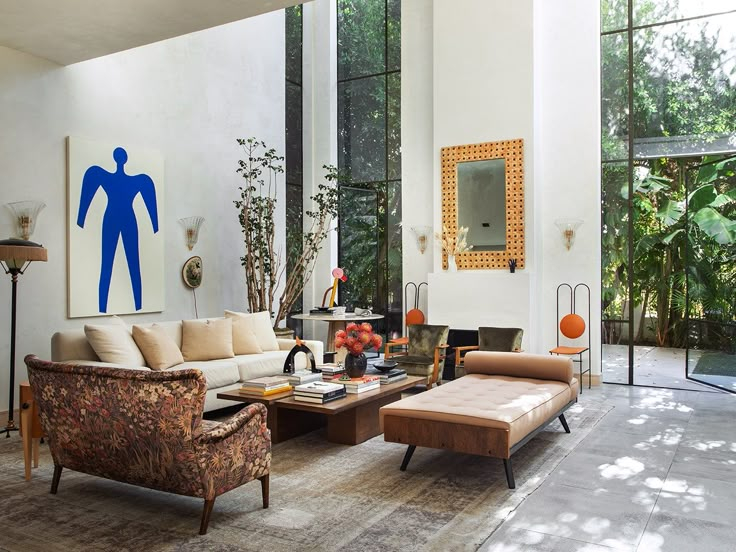
Successfully blending heavy, textured artisan lighting into modern, minimalist, or transitional interiors requires a delicate balancing act. Too much rustic metalwork can make a room feel heavy and suffocating, while a single misplaced piece can look like an isolated museum artifact. The key lies in strategic contrast and proportional restraint. Designers working with hand-finished bronze must master the interplay between negative space, minimalist architecture, and tactile focal points.
- The Principle of Architectural Contrast: Pair heavy, hand-hammered bronze fixtures against ultra-clean, minimalist backdrops such as smooth Venetian plaster, board-formed concrete, or crisp white drywall. The stark opposition highlights the intricate texture of the metal without creating visual clutter.
- The Rule of Scale and Solitude: Let significant artisan pieces breathe. A massive, sculptural bronze chandelier with a rough, patinated surface should serve as the undisputed visual anchor of a double-height foyer or dining room, surrounded by restrained, understated architectural lighting.
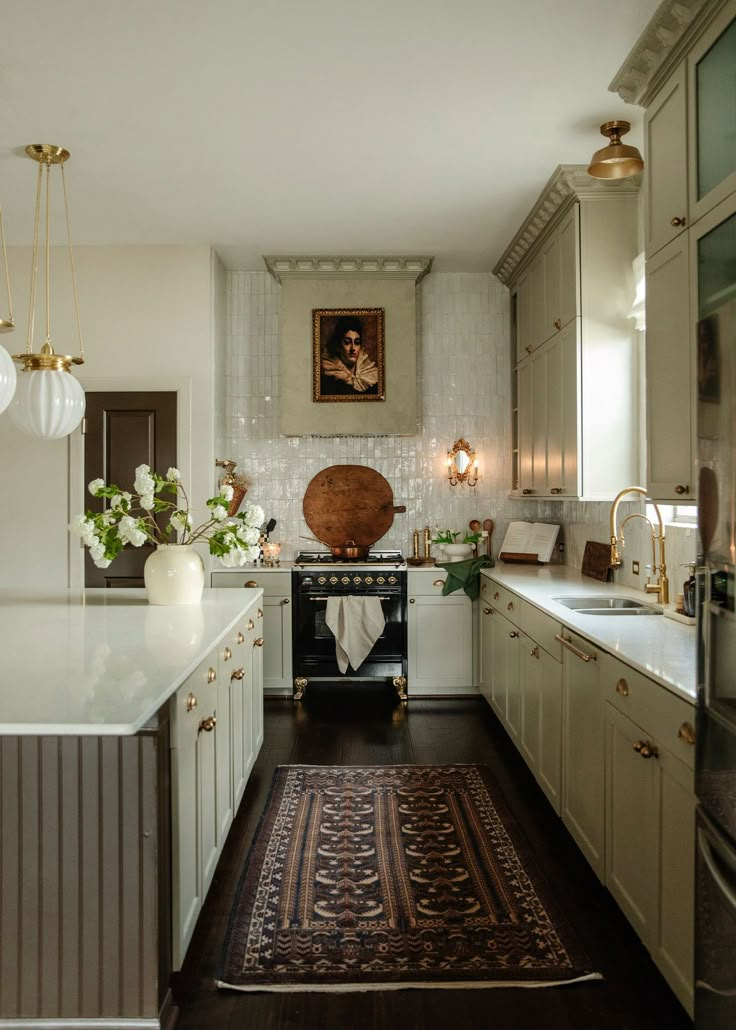
- Material Echoes: Connect the bronze lighting to other tactile elements within the room—such as unlacquered brass cabinet pulls, bronze-framed interior doors, or ceramic accessories with similar earthy glazes—to create a cohesive material vocabulary throughout the floor plan.
The enduring appeal of hand-finished bronze lighting reminds us that true luxury is defined by time, human touch, and material honesty. While algorithms and automated manufacturing continue to accelerate the production of consumer goods, the artisan workshop remains a sanctuary of deliberate slowness. Every hammer strike, every controlled chemical burn, and every microscopic imperfection represents a refusal to surrender the built environment to faceless uniformity.
As we look toward the future of interior design, the value of textured, handcrafted objects will only intensify. We are living through a digital saturation point where the boundaries between real and virtual grow increasingly blurred. In such a climate, the heavy, cooling weight of solid bronze and the intricate topography of a hand-patinated surface offer a vital sensory anchor. They invite us to reach out, touch our surroundings, and reconnect with the physical world. By choosing lighting crafted by human hands, we do more than illuminate a room—we sustain living traditions, honor material integrity, and invite quiet poetry into our everyday lives.