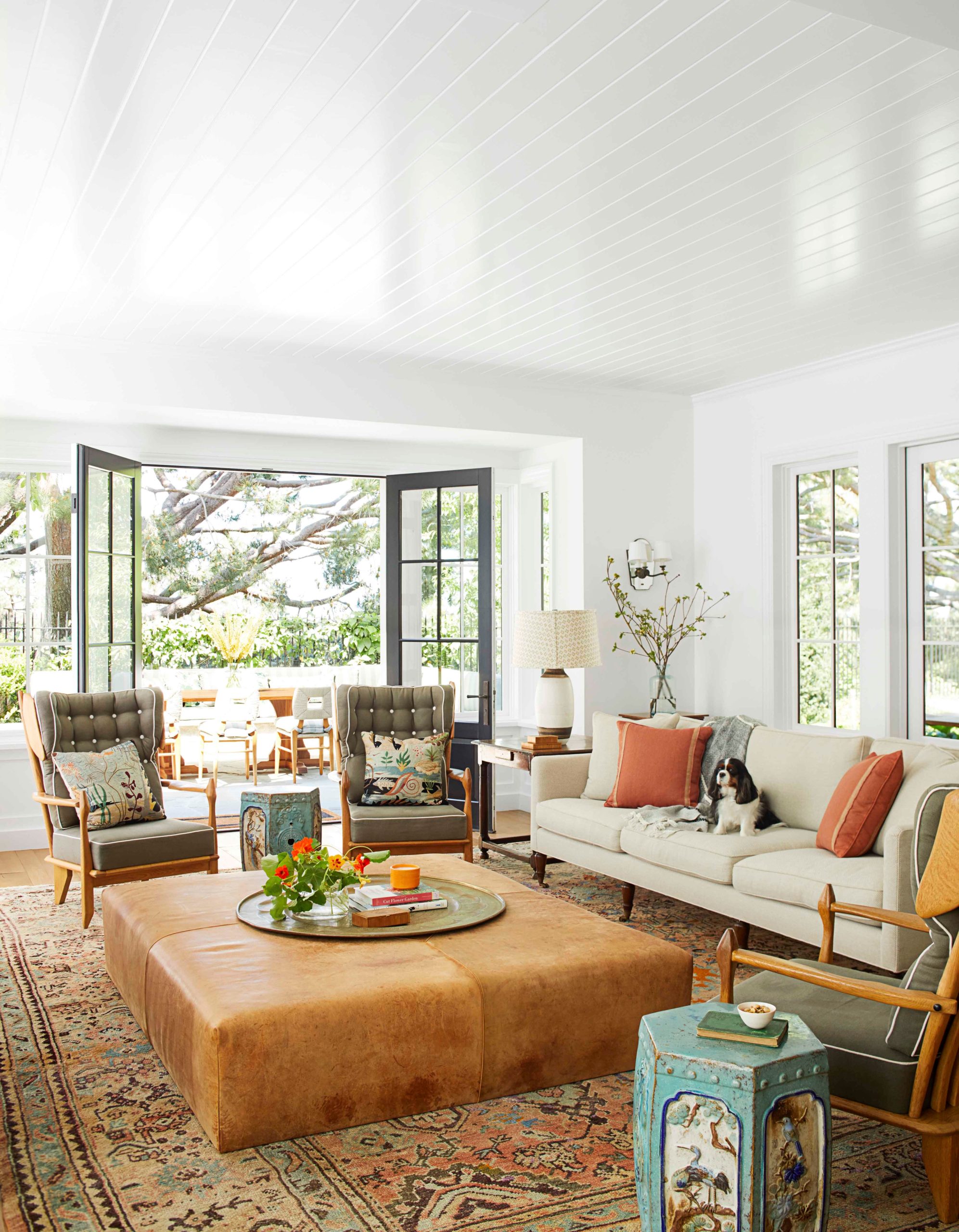
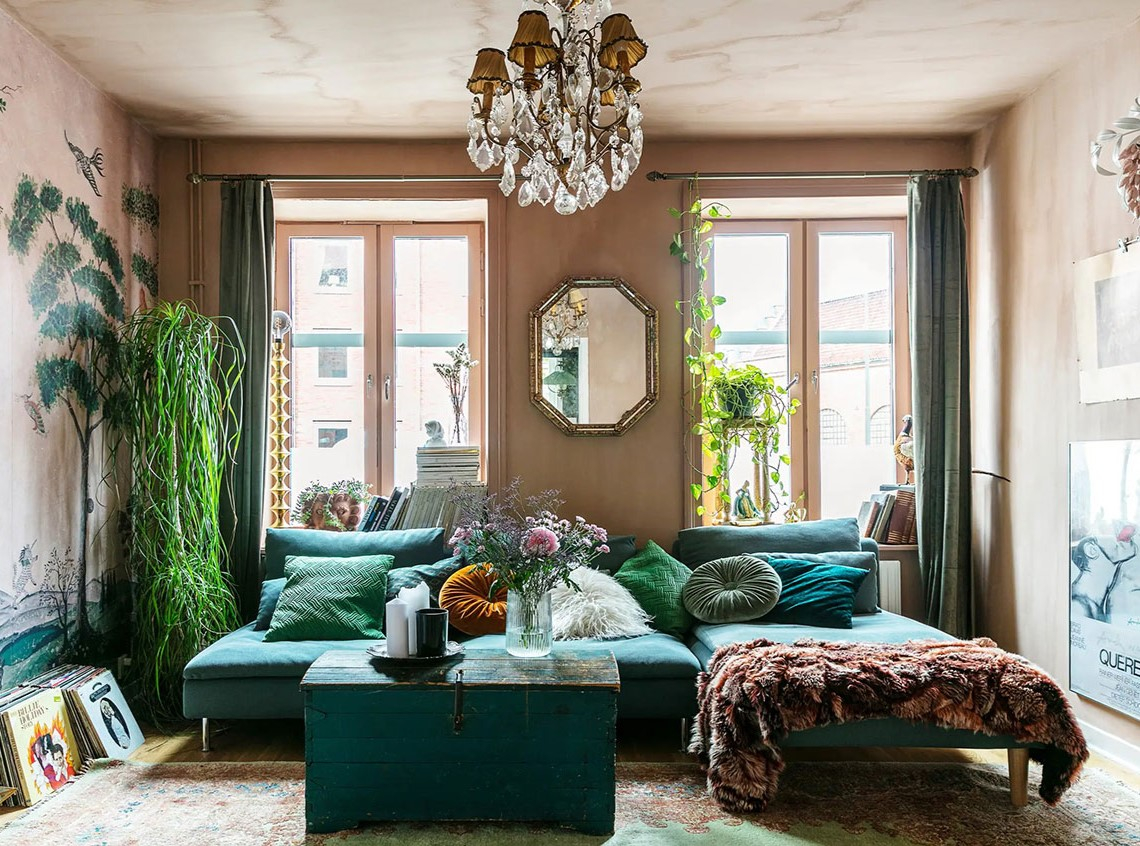
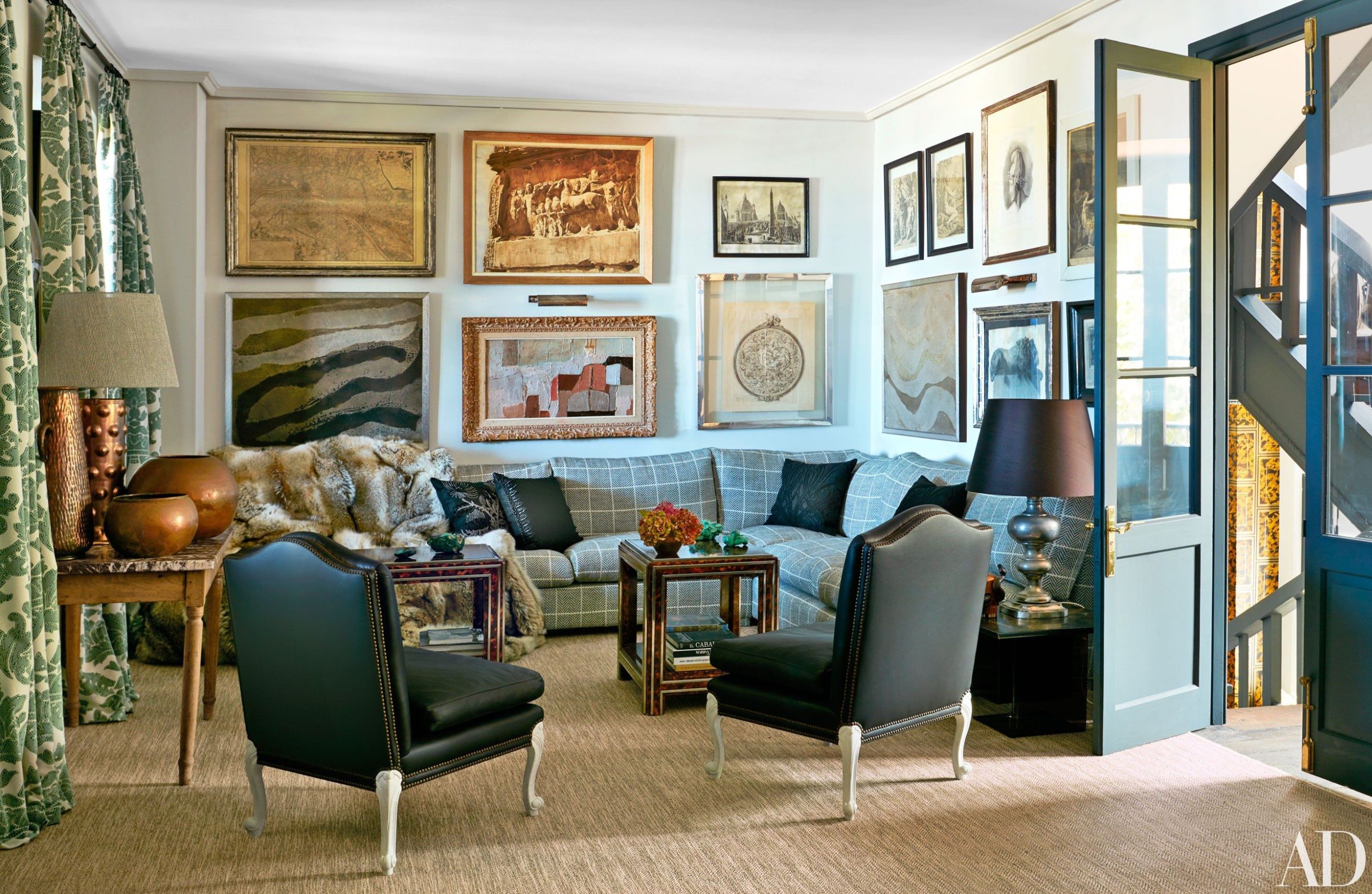
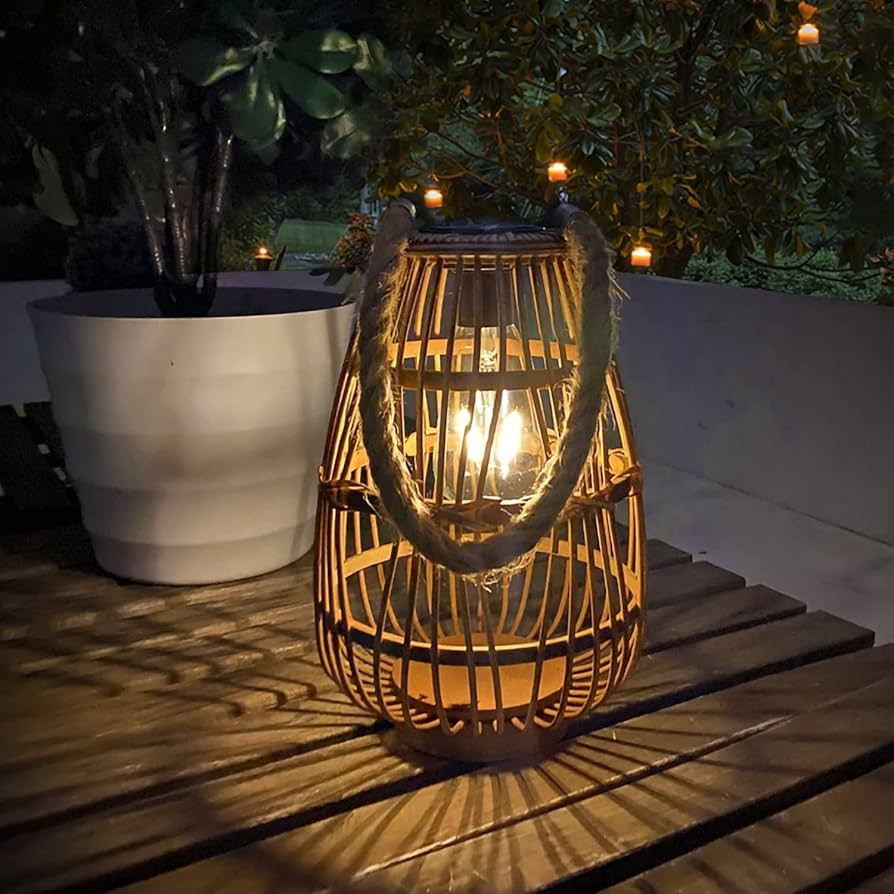
Step into a newly renovated brownstone or a minimalist penthouse at dusk, and notice what happens the moment the main switch flips. The room does not merely brighten; it breathes. For decades, illumination was treated as an afterthought—a recessed utility hidden in the ceiling or a generic flush-mount installed to satisfy building codes. Yet, the architectural landscape has shifted dramatically. Today, light fixtures no longer just fill dark corners; they anchor grand spatial volumes and dictate the emotional cadence of a home.
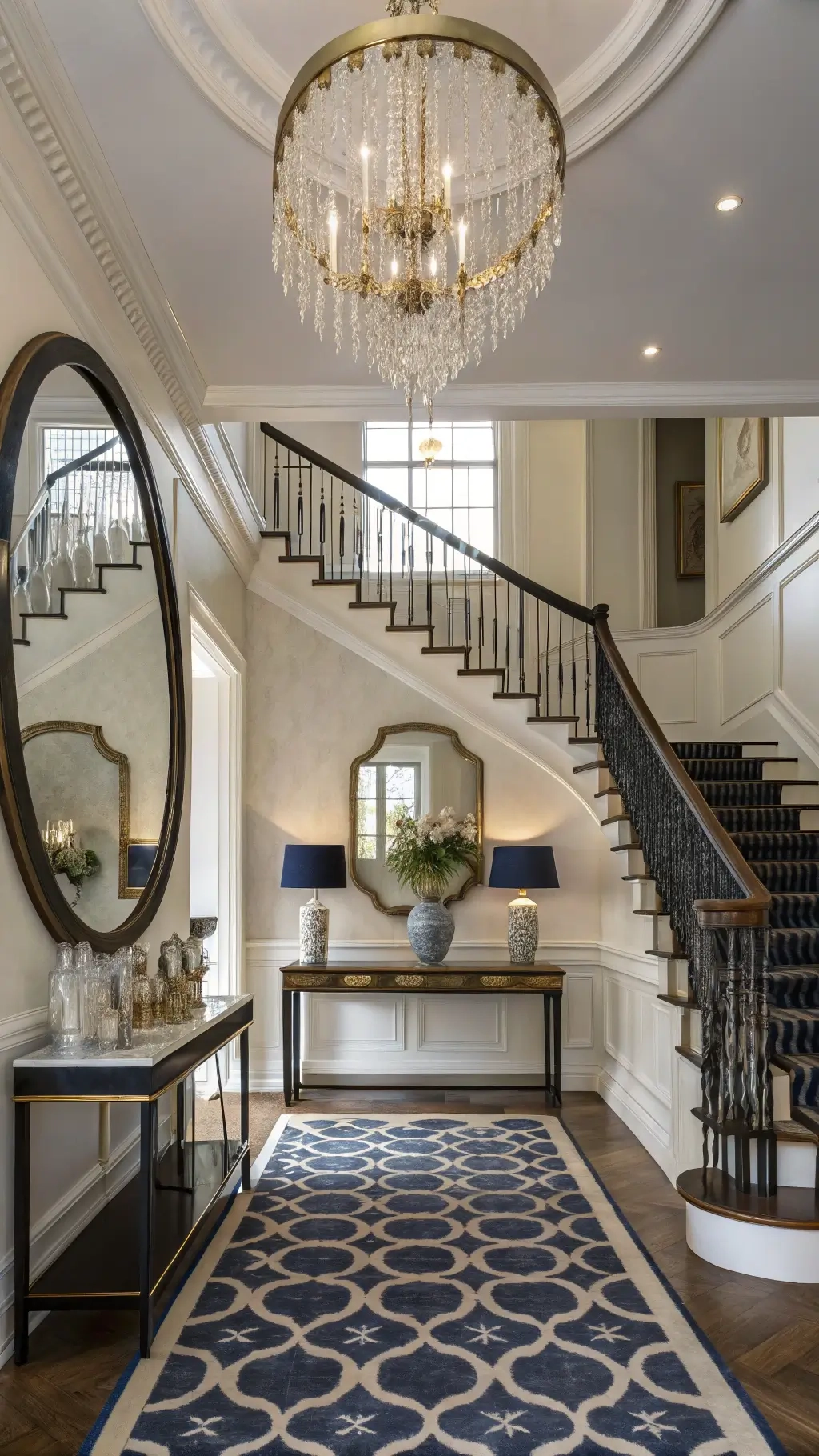
Consider the modern obsession with form and material. Walk through any high-end residential gallery or flip through contemporary design reports, and a clear narrative emerges. Lighting has evolved into structural art. Whether it is a weighty, patinated brass chandelier commanding a double-height foyer or a delicate, paper-thin alabaster sconce casting a warm amber glow across a bedroom wall, these pieces carry a heavy visual weight. They demand attention, subverting our expectations of how a room should be structured.
This shift away from utilitarian brightness toward intentional, sculptural design reflects a broader cultural craving for permanence. In an era dominated by fleeting digital consumption, homeowners seek tangible permanence. They want objects with historical weight, organic warmth, and human fingerprints baked into their creation. Statement lighting delivers this tactile counter-balance, serving as the ultimate intersection of fine art and functional engineering.
Why Scale and Silhouette Defy the Ordinary in Contemporary Interiors
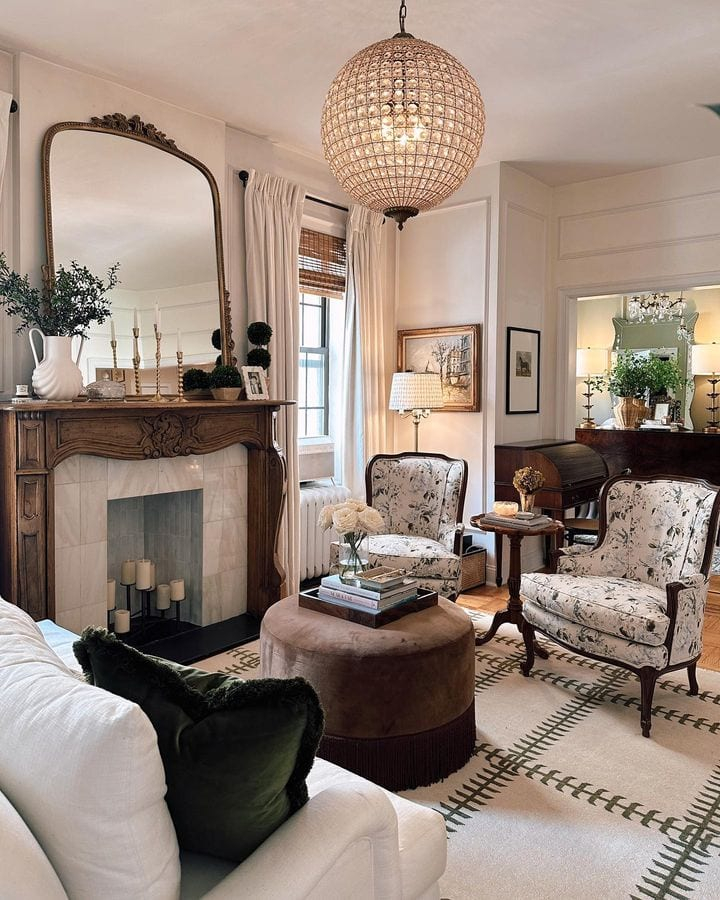
The defining characteristic of contemporary interior architecture is the rejection of the timid. Designers are no longer asking if a light fixture is "too big" for a room; instead, they are experimenting with oversized proportions to completely recalibrate spatial perception. A massive, cascading ring fixture or an expansive sputnik pendant placed inside a modest-sized dining room creates an intentional, dramatic tension. This deliberate manipulation of scale tricks the eye, making compact rooms feel thoughtfully curated rather than cramped.
Beyond sheer dimensions, the silhouette of the fixture acts as the primary visual anchor. Traditional teardrop crystals and uniform drum shades have given way to daring, asymmetrical arrangements. Think of it as an off-balanced vignette where linear elements clash playfully with organic curves. Thin-stemmed floor lamps, curving arc structures, and multi-tiered glass bubbles mimic the unpredictable geometries found in nature. This departure from strict symmetry invites the eye to wander, ensuring that the room reveals new focal points depending on the time of day and the angle of view.
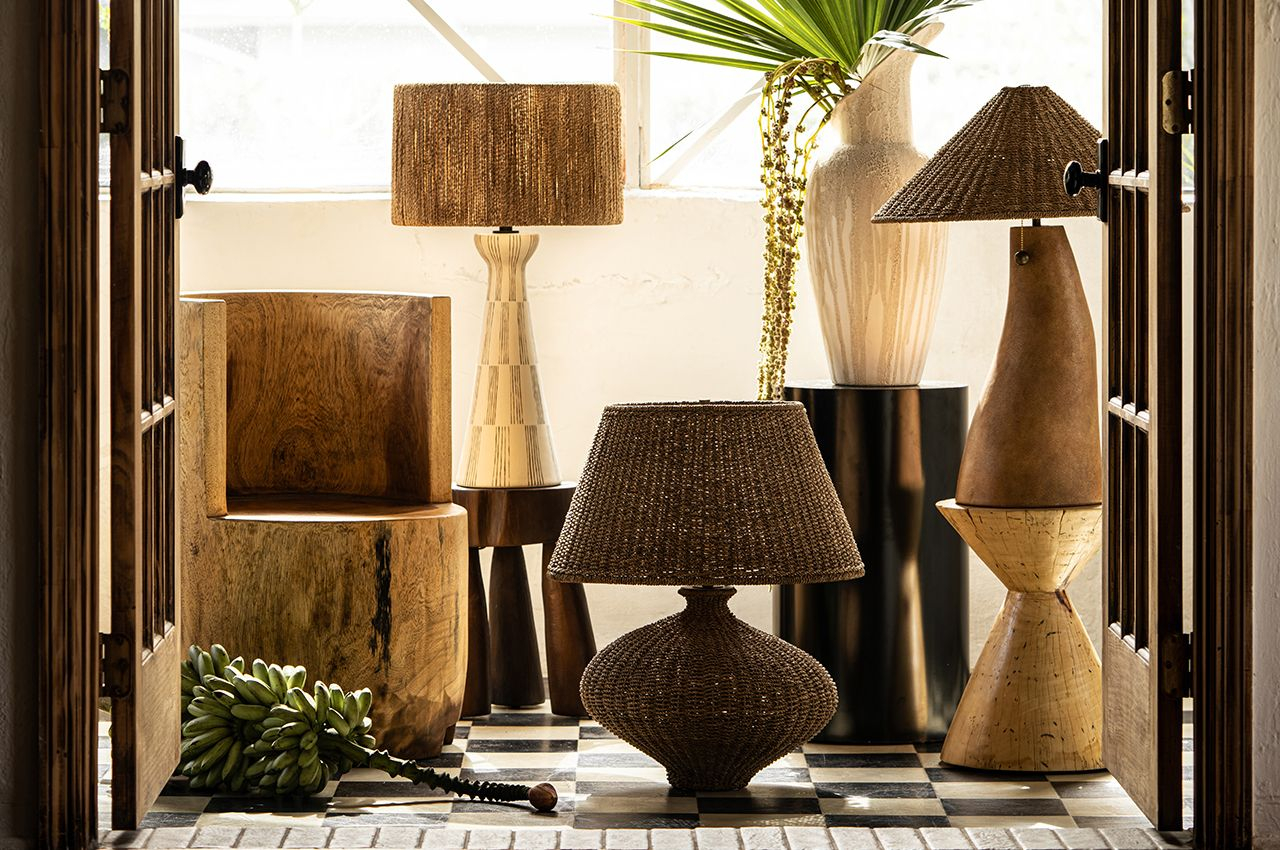
Materiality plays an equally vital role in this evolution. The market has seen a massive surge in the popularity of living finishes—metals like unlacquered brass, verdigris, and blackened steel that age gracefully alongside the inhabitants of the home. Alongside these metals, natural stones such as translucent alabaster and hand-blown, imperfections-heavy glass celebrate the human hand. These materials do not try to look mass-produced; they wear their manufacturing scars with pride, offering rich textures that catch shifting daylight even when the bulbs remain unpowered.
The Anatomy of a Spatial Anchor: Choosing the Right Fixture for Your Volume
Selecting a piece of statement lighting requires moving beyond standard wattage calculations and diving deep into spatial physics. A fixture must converse with the architecture surrounding it. For instance, a vaulted ceiling demands a piece with vertical momentum—think tiered chandeliers or cascading pendant arrays that draw the gaze upward. Conversely, a room with low, intimate ceiling heights benefits from semi-flush fixtures or ultra-slim profile sconces that project horizontal width without intruding on physical headroom.
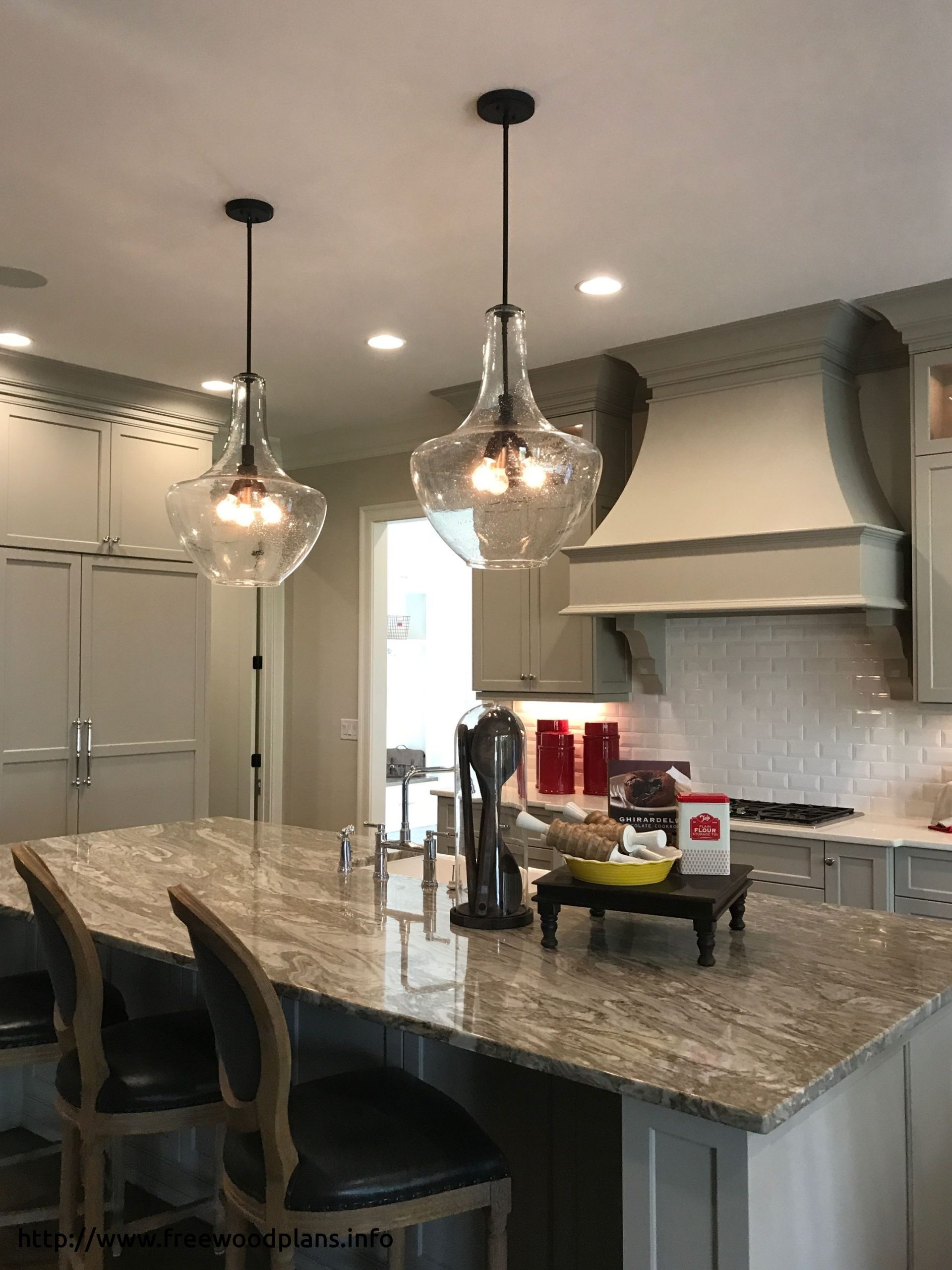
The dialogue between furniture and lighting is equally critical. A sculptural arc lamp should not compete with a heavily detailed sofa; rather, it should frame it, tracing an invisible boundary that defines a conversational zone. When evaluating a pendant over a dining table, the rule of thumb extends beyond hanging height to physical mass. A delicate, feather-weight glass shade will dissolve into a room with heavy, dark wood furniture, whereas a bold, weighty metal armature will provide the necessary visual anchor to balance the heavy elements below.
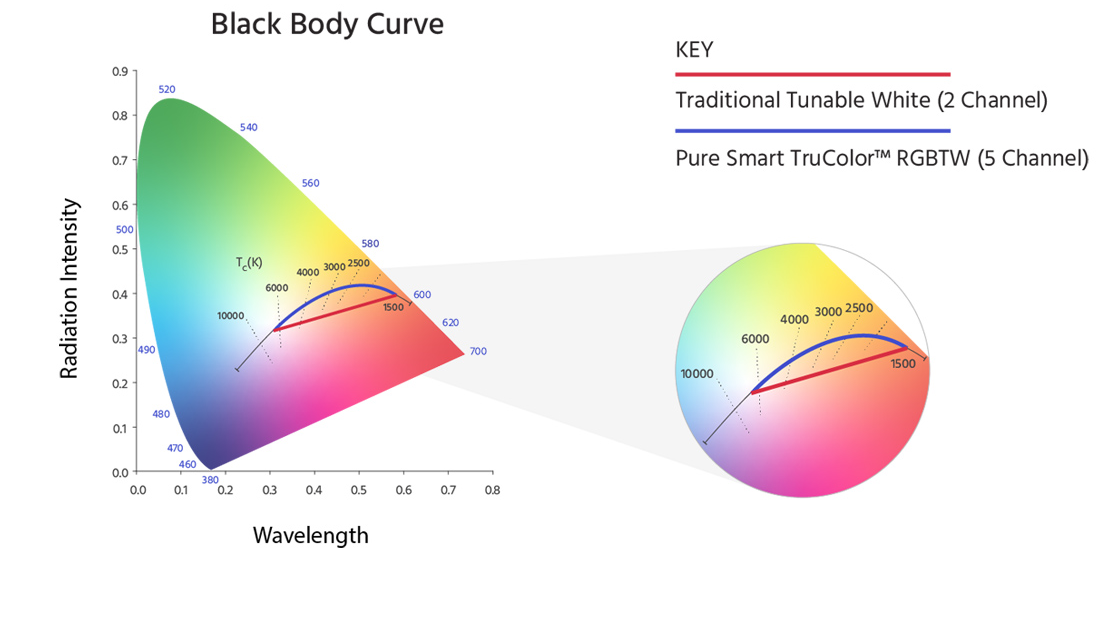
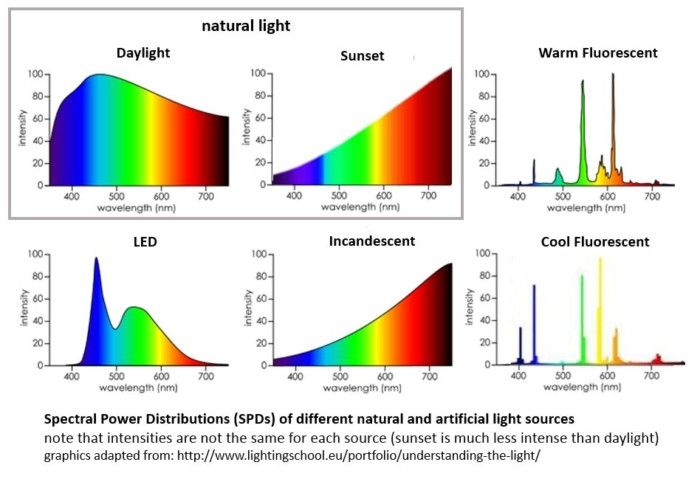
Furthermore, consider the quality of the light emitted, which is just as vital as the physical frame. The best designer pieces use diffusers, etched glass, or indirect bouncing mechanisms to eliminate harsh glares. In 2026, the emphasis is heavily placed on mood-driven illumination. Warm color temperatures—typically ranging between 2200K and 2700K—are essential for transforming a house into a sanctuary. The light should flatter skin tones, soften architectural edges, and create deep, dramatic shadows that give a room its soul.
A Step-by-Step Methodology for Curating and Installing Statement Lighting
Integrating a major design element into your home requires a disciplined, methodical approach to avoid costly mistakes and installation headaches.
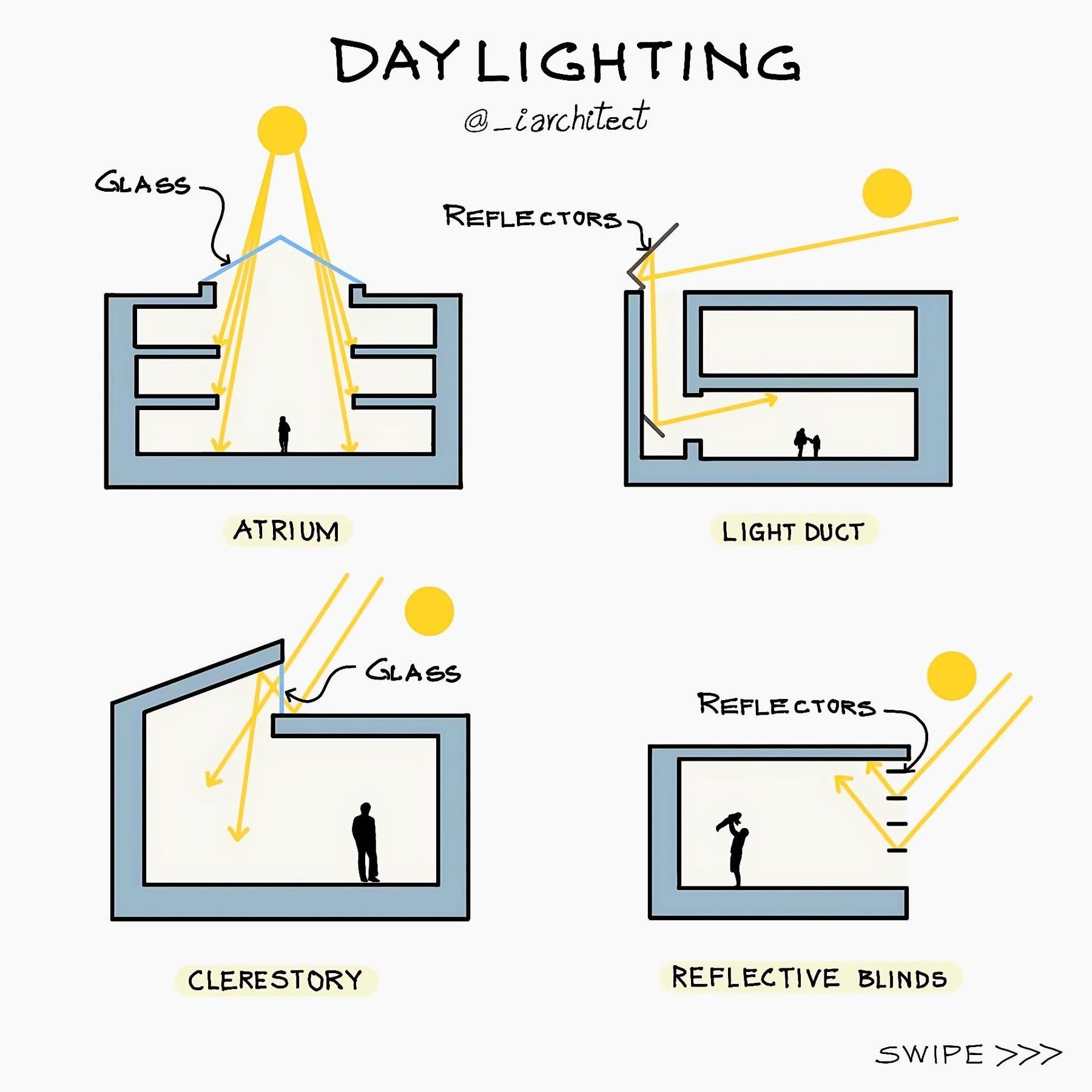
- Step 1 (Spatial Audit and Focal Point Identification): Walk through your home during different times of the day to map natural light patterns. Identify the dead zones or architectural features that scream for a visual anchor, such as a stark entryway or an uninspired dining nook.
- Step 2 (Proportion and Scale Calculation): Measure the room’s length and width in feet, add those two numbers together, and convert the sum into inches to find the ideal diameter for a central chandelier. For instance, a 12-by-14-foot room calls for a fixture roughly 26 inches in diameter.
- Step 3 (Material and Palette Harmonization): Audit your existing hardware, textiles, and wood tones. Choose a lighting metal and finish that either complements your current palette or introduces a deliberate, high-contrast accent, such as pairing warm brass with cool charcoal walls.
- Step 4 (Professional Electrical and Structural Assessment): Consult a licensed electrician early in the process. Statement fixtures often weigh significantly more than standard builder-grade lights, requiring heavy-duty electrical boxes and secure ceiling joist reinforcement.
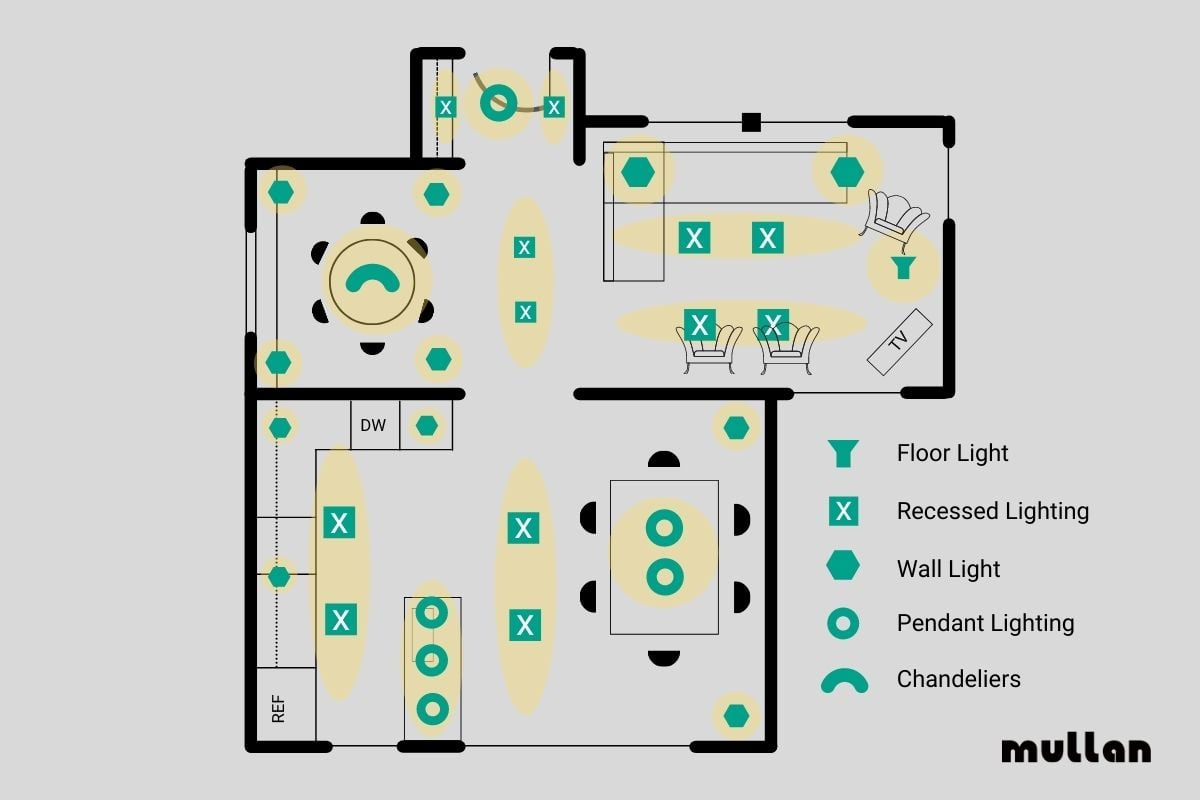
- Step 5 (Layering and Dimmer Integration): Install multi-zone dimming controls for every statement fixture. Ensure the piece is paired with complementary secondary lighting—like low-profile wall sconces or slim-stem floor lamps—to create a balanced, adaptable lighting scheme.
Navigating Common Pitfalls and Field-Tested Workarounds
Even experienced designers occasionally miscalculate the complex dynamics of installing large-scale, high-impact light fixtures. Recognizing these traps early saves time, money, and structural integrity.
- Pitfall 1 (Ignoring Ceiling Height Clearance): Hanging a grand chandelier too low over a high-traffic pathway or dining table creates a physical hazard and visual clutter. Workaround: Maintain a minimum clearance of 7 feet from the floor to the bottom of the fixture in open walk-through spaces, and 30 to 34 inches above a dining table surface.
- Pitfall 2 (Overlooking Weight and Structural Support): Attaching a 60-pound alabaster or iron chandelier to a standard plastic junction box risks catastrophic failure. Workaround: Always install a fan-rated or heavy-duty structural brace directly into the ceiling framing before hanging any fixture exceeding 35 pounds.
- Pitfall 3 (Creating Light Pollution and Glare): Exposing high-lumen, naked LED bulbs within a glass or open-cage fixture blinds occupants and ruins the ambiance. Workaround: Specify frosted bulbs, integrated diffusers, or dim-to-warm LED technologies that soften the output while preserving the fixture’s aesthetic silhouette.
- Pitfall 4 (Clashing Finishes and Metals): Mixing too many competing metal finishes (e.g., polished chrome, brushed nickel, and unlacquered brass) within a single sightline creates visual chaos. Workaround: Limit your palette to a dominant metal and one curated accent finish, ensuring a cohesive thread throughout adjacent rooms.
- Pitfall 5 (Failing to Plan for Scale Transitions): Selecting a tiny, delicate sconce for a massive, double-height stone fireplace wall makes the fixture look lost and insignificant. Workaround: Use mock-ups made of cardboard or painter’s tape on the wall to test visual weight and scale before purchasing high-ticket designer pieces.
The Evolution of Craft: Sustainability, Bespoke Artistry, and Future-Proofing
The conversation surrounding residential design has matured past superficial aesthetics into a deeper inquiry about provenance and environmental impact. Today’s statement lighting movement rejects disposable consumerism. Homeowners increasingly invest in bespoke, handcrafted pieces commissioned from local artisans and independent glassblowers. This hyper-local approach reduces carbon footprints associated with mass shipping while injecting genuine human history into the built environment.
At the same time, technological integration has evolved to become completely invisible. Smart home ecosystems no longer require clunky plastic switches or harsh, clinical interfaces. Instead, cutting-edge fixtures feature integrated, low-profile LED arrays that mimic the natural circadian rhythm, shifting color temperatures seamlessly from crisp daylight to warm fireside glow as hours pass. This invisible technology supports human biology without sacrificing the artisanal beauty of hand-forged iron, spun brass, or mouth-blown Murano glass.
Investing in high-caliber lighting also makes profound economic sense. While mass-market fixtures depreciate rapidly and end up in landfills within a few years, iconic sculptural lighting retains its value as functional art. A well-chosen brass pendant or alabaster wall sconce transcends seasonal design cycles. It anchors a home through decades of evolving interior trends, proving that true style is rooted in uncompromising craftsmanship rather than fleeting fads.
Strategic Recommendations for Transforming Your Living Space Today
Translating these high-level design principles into an actionable plan requires a focus on impact points. You do not need to gut-renovate your entire house to reap the psychological and aesthetic benefits of statement lighting. Begin by auditing the spaces where you spend the most time entertaining or relaxing.
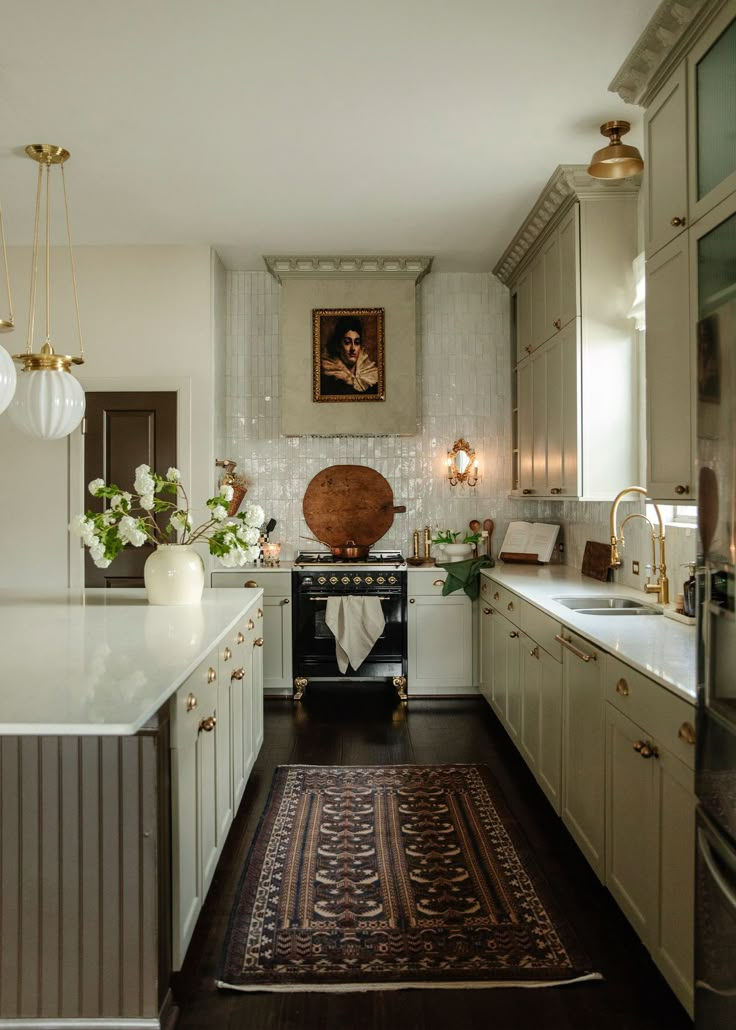
First, focus your budget on the primary gathering zone—typically the living room or dining area. A single, show-stopping sculptural chandelier or an architectural arc floor lamp can completely elevate an otherwise neutral room, making basic furniture look high-end and intentional.
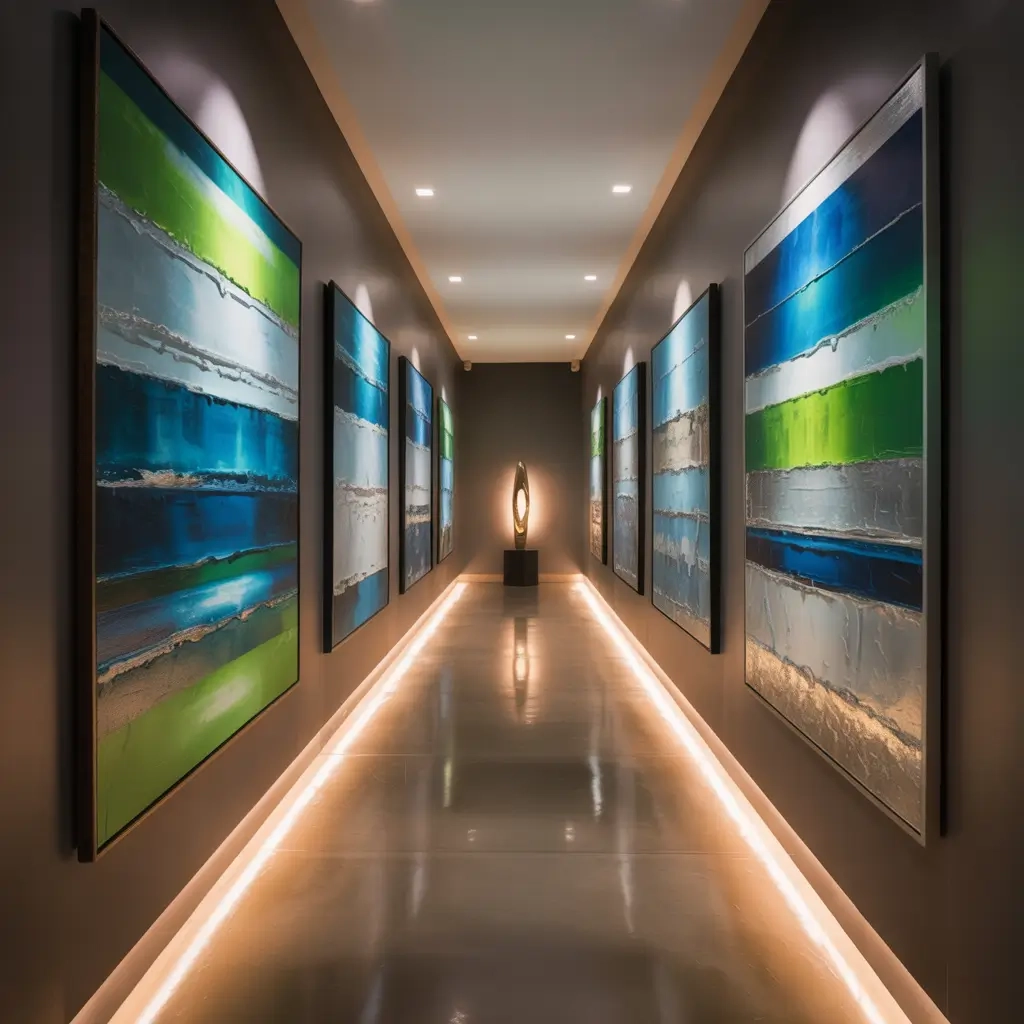
Second, embrace asymmetry and texture in secondary spaces. Swap out generic hallway flush-mounts for sculptural wall sconces that cast grazing light across textured plaster or exposed brick walls. By transforming transitional zones into galleries of light and shadow, you create a dynamic flow that carries the eye effortlessly through the home.
Finally, prioritize quality over quantity. One exceptional, hand-crafted designer fixture will always command more presence and bring more daily joy than a dozen generic, mass-produced lamps. Let your lighting choices tell a story of intentionality, craftsmanship, and timeless elegance.
The fixtures we choose to live beneath do more than simply banish darkness; they shape our memories, set our moods, and reflect our values. By treating lighting as a core structural element rather than an afterthought, we transform our houses into deeply personal sanctuaries. The emphasis on heavy patinas, sculptural silhouettes, and artisanal imperfection proves that we are hungering for authenticity in our built environments.
As we look toward the future of interior design, the mandate is clear: build spaces that endure. Investing in timeless, statement-making illumination is an investment in the emotional architecture of your daily life. When you flip the switch on a fixture that speaks to your aesthetic soul, you are not just turning on a bulb. You are illuminating a lifestyle defined by craftsmanship, proportion, and quiet confidence.