The smoke detector hanging above the entryway didn’t just beep; it shrieked. Every time the cast-iron skillet hit a high enough heat to sear a ribeye or blister shishito peppers, the household alarm transformed into an unwelcome dinner guest, setting off a scramble involving waving dish towels, slamming windows open against winter drafts, and frantically silencing electronics.
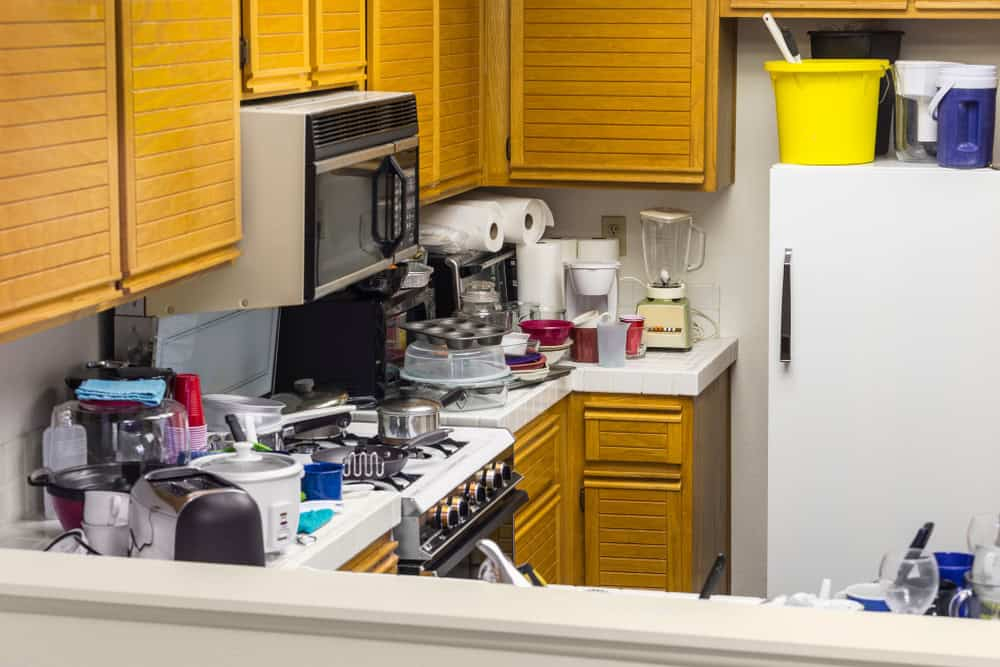
For years, many families accept this chaotic dance as an inevitable side effect of cooking at home. They live under the quiet tyranny of underpowered, recirculating microwave hoods that merely push greasy air through a pathetic mesh filter before recycling it right back into the breathing zone.
Nobody ever puts "install an exterior-vented hood" at the very top of a dream renovation checklist. Homeowners obsess over quartz countertops, waterfall islands, custom shaker cabinetry, and designer handmade tile backsplashes. Yet, once the dust settles and they actually start cooking in their brand-new, Pinterest-worthy spaces, a harsh reality sets in. The grease film settles on top of the upper cabinets, the lingering scent of last night’s fried fish greets them at breakfast, and the air feels heavy. This is the story of how ordinary homeowners finally woke up to the invisible crisis hovering right above their stoves, rethinking their kitchen ventilation and completely changing the way they live.
The Invisible Engine That Dictates How We Live and Cook
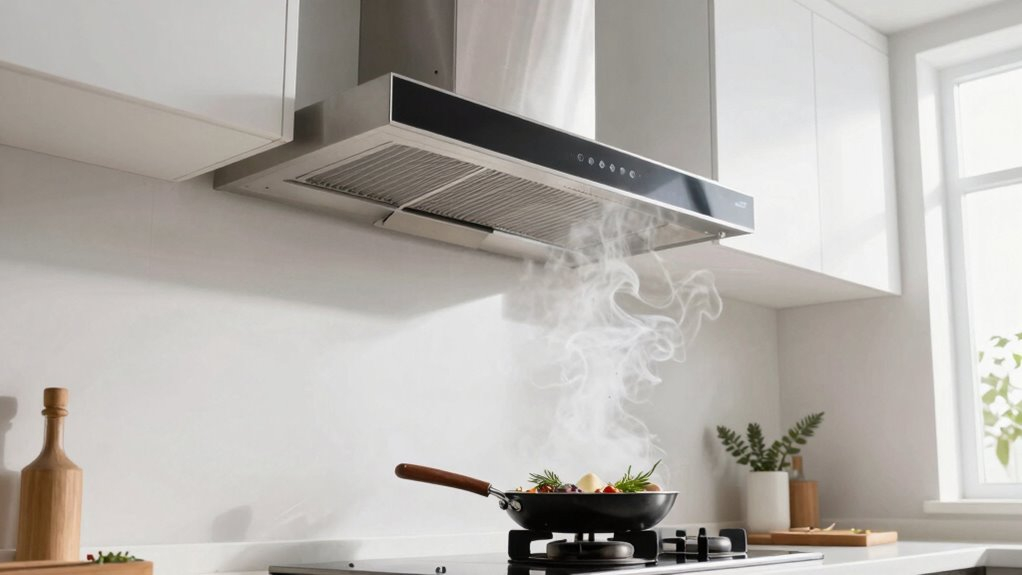
Kitchen ventilation is rarely treated as a design centerpiece, yet it functions as the absolute mechanical heart of a healthy home. For decades, home builders slapped standard 200-CFM (cubic feet per minute) micro-hoods over gas and electric ranges without giving a second thought to fluid dynamics, thermal plumes, or makeup air requirements. A thermal plume—the rising column of hot air, moisture, aerosolized grease, and combustion byproducts like carbon monoxide and nitrogen dioxide—moves upward at a surprising velocity. If a ventilation hood is too narrow to capture that expanding column, or too weak to pull it through ductwork, those pollutants escape straight into the living space.
When homeowners finally decide to rethink this system, they are rarely chasing pure technical specs. They are chasing a sensory experience: the ability to brown garlic without wearing a winter coat indoors, or the peace of mind knowing that combustion gases aren’t settling on their children’s toys in the adjoining open-plan family room. Upgrading kitchen ventilation often requires ripping open drywall, running rigid metal ducting through attic spaces, and penetrating exterior walls or roofs. It is messy, disruptive, and structurally invasive work.
Yet, conversations with contractors and real estate designers reveal a striking consensus. Once a household transitions from a recirculating dummy hood to a high-capacity, externally vented system moving 600 to 1,200 CFM of air, their entire cooking behavior shifts. They stop avoiding searing meats indoors. They stop dreading the cleanup of sticky yellow residue from their polished surfaces. The kitchen ceases to be a functional hazard zone and reclaims its status as the warm, welcoming hub of the house.
From Smoky Kitchen Nightmares to Professional-Grade Airflow
Take the case of a mid-century modern home in suburban Ohio, where a young family of four faced a daily culinary gridlock. The original kitchen featured a downdraft cooktop ventilation system installed in the 1980s—a mechanical dinosaur that fought against the laws of physics by trying to pull rising steam and smoke downward against its natural thermal momentum. Frying bacon required opening every sliding glass door in the house, even when the thermometer outside dipped below freezing. The kitchen was perpetually coated in a subtle, sticky patina, and the smoke alarm was practically a member of the family.
The turning point arrived during a Thanksgiving dinner preparation that filled the entire house with a blue haze so dense the guests thought a grease fire had broken out. Fed up, the homeowners hired an HVAC specialist and a kitchen designer to perform a radical surgical intervention on their layout. They abandoned the inefficient downdraft setup entirely, relocated the cooking zone to an exterior wall, and installed a custom-built, professional-grade wall-mounted canopy hood paired with an external roof-mounted blower motor.
The structural transformation was staggering. By venting directly outside through an 8-inch rigid galvanized steel duct, they eliminated backpressure and reduced motor noise inside the kitchen. More importantly, the capture area of the new hood extended three inches past the edges of the burners on all sides, ensuring that every wisp of steam and particulate matter was intercepted before it could drift into the living room. The homeowners noted that the air felt noticeably lighter within seconds of firing up the burners. Cooking went from being a calculated risk management exercise back into a pure, unadulterated pleasure.
Step-by-Step Practical Blueprint for Upgrading Your Ventilation
If your current setup leaves your eyes stinging and your cabinets greasy, planning a ventilation overhaul requires a methodical approach that respects both building codes and thermodynamic reality. Here is the field-tested blueprint for executing a successful ventilation upgrade:
- Step 1 (Assess Your BTU Load and Capture Needs): Calculate the total British Thermal Units (BTUs) of your cooktop. For gas ranges, the general rule of thumb requires 100 CFM of ventilation for every 10,000 BTUs of burner output. If your cooktop puts out 60,000 BTUs, your target minimum is a 600-CFM hood, though larger setups often demand more to account for duct runs.
- Step 2 (Plan the Ductwork Route Before Buying Equipment): Trace the path from your hood location to the exterior wall or roof. Prioritize short, straight runs using smooth rigid metal ductwork. Avoid flexible foil ducting completely, as its interior ridges trap grease and create massive airflow friction that starves the blower of its rated efficiency.
- Step 3 (Calculate Makeup Air Requirements): Check local building codes regarding high-CFM hoods (typically anything over 400 CFM). Sucking large volumes of air out of a sealed modern home creates negative pressure, which can pull carbon monoxide back down your water heater or furnace flue. Install a motorized makeup air damper linked to your hood switch if required.
- Step 4 (Select the Right Blower Configuration): Decide whether you need an internal blower (motor inside the hood, which can be noisy at high speeds), an external blower (mounted on the roof or exterior wall for ultra-quiet operation), or an in-line blower (housed inside the attic or crawlspace along the duct run).
- Step 5 (Execute Professional Installation and Sealing): Ensure all duct joints are sealed with aluminum foil mastic tape—never duct tape, which degrades over time. Verify that the exterior wall cap includes a backdraft damper to keep out cold air, pests, and moisture when the system is idle.
Common Pitfalls and Field-Tested Workarounds During Ventilation Remodels
Remodeling kitchen ventilation rarely goes without encountering unexpected structural obstacles. Historic framing, hidden plumbing stacks, and electrical runs frequently stand in the way of a straight, clean duct path. Understanding these hazards ahead of time saves thousands of dollars in botched change orders and ensures your system performs at its peak rating.
- Pitfall 1 (Using Undersized or Flexible Ducting): Homeowners often try to squeeze a high-powered 8-inch hood collar down into an existing 4-inch wall penetration to save labor costs. This chokes the airflow, strains the motor, and creates a deafening jet-engine whine. Workaround: Always match or exceed the manufacturer’s recommended duct diameter using rigid metal pipe all the way to the exterior vent cap.
- Pitfall 2 (Ignoring the Makeup Air Code Mandate): Installing a powerful 1,200-CFM commercial-style hood in a tightly sealed newer home without a makeup air source can extinguish pilot lights or cause backdrafting in gas appliances. Workaround: Consult a certified HVAC technician to calculate your home’s air exchange rate and install an interlocked makeup air system that opens an inlet flap whenever the hood turns on.
- Pitfall 3 (Mounting the Hood at the Wrong Height): Hanging a hood too high above the cooktop reduces its capture efficiency, allowing thermal plumes to escape into the room. Conversely, hanging it too low creates a fire hazard and blocks the cook’s line of sight. Workaround: Follow the manufacturer’s exact specifications, typically keeping canopy hoods between 28 and 36 inches above the cooking surface.
- Pitfall 4 (Neglecting Sound Ratings and Sone Levels): Buying a cheap high-CFM hood that sounds like a lawnmower inside the kitchen means you will constantly turn it off because the noise is unbearable. Workaround: Look for hoods with remote or external blowers, or invest in variable-speed multi-stage blowers that run quietly at low settings during everyday cooking.
- Pitfall 5 (Failing to Plan for Exterior Vent Placement): Venting kitchen exhaust right next to a patio seating area or bedroom window ensures that cooking odors get sucked right back inside or annoy your neighbors. Workaround: Position the exterior exhaust cap at least three to four feet away from any operable windows, doors, or property lines, and always install a louvered cap with a mesh screen to keep out birds and large insects.
The Broader Impact on Indoor Air Quality and Home Comfort
We spend nearly ninety percent of our lives indoors, yet residential indoor air quality remains largely unregulated and poorly understood. Cooking—particularly with gas ranges—releases significant quantities of nitrogen dioxide, ultrafine particulate matter (PM2.5), formaldehyde, and carbon monoxide. Studies by public health researchers consistently link unvented or poorly vented cooking environments to increased rates of childhood asthma, respiratory irritation, and chronic indoor pollutant buildup. When homeowners rethink their kitchen ventilation, they are not merely upgrading a kitchen appliance; they are actively investing in the long-term respiratory health of everyone living under their roof.
Furthermore, balancing a home’s airflow prevents unintended moisture migration. Cooking a large family meal generates gallons of water vapor through boiling, steaming, and simmering. Without adequate extraction, that humidity migrates into wall cavities, promoting mold growth, warping wood trim, and degrading insulation values over time. Modern ventilation acts as a moisture defense barrier, protecting the structural integrity of the home itself.
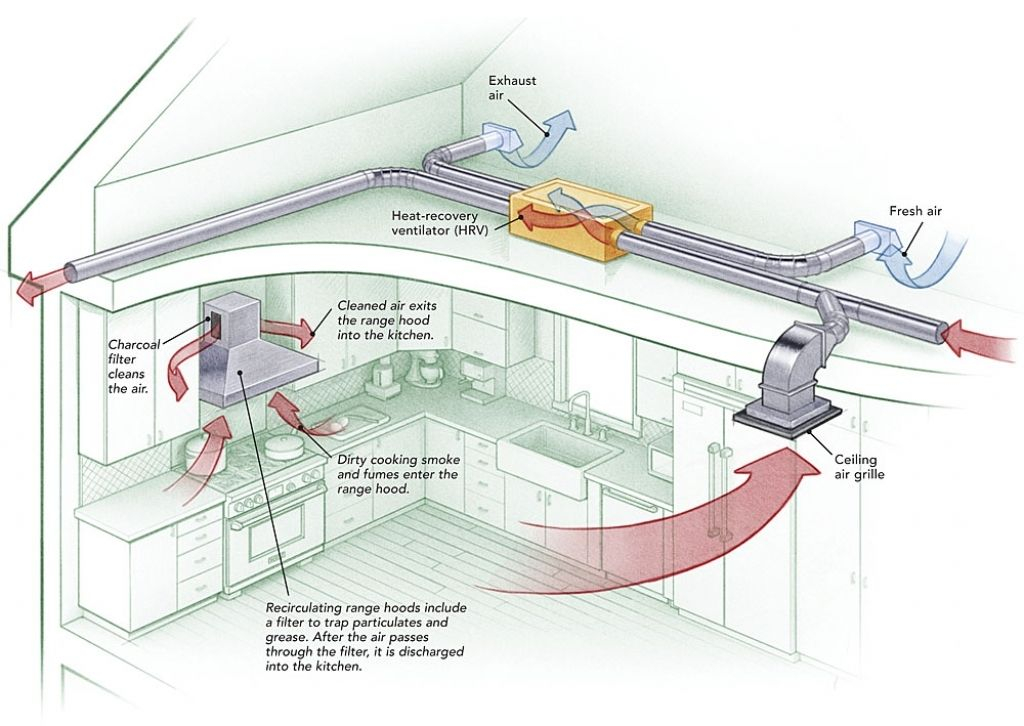
When integrated with heat recovery ventilators (HRVs) or energy recovery ventilators (ERVs), high-performance kitchen ventilation systems can even achieve a delicate balance where stale indoor air is continuously exchanged for fresh, filtered outdoor air without sacrificing home heating or cooling energy efficiency. This holistic approach bridges the gap between airtight construction standards and the biological necessity of breathing clean indoor air.
Actionable Frameworks for Evaluating Your Kitchen’s Airflow Health
To determine whether your current kitchen ventilation requires an immediate upgrade, use this practical evaluation framework during your next cooking session:
- The Steam Test: Boil a large pot of water on your front burner on high heat for three minutes without turning on the ventilation hood. Observe whether the steam rolls outward into the room or rises cleanly toward the ceiling. Turn the hood on its lowest setting; it should capture the rising vapor almost instantly without letting it billow outward.
- The Odor Persistence Check: Cook a pungent meal featuring onions, garlic, or searing spices. Leave the kitchen and return thirty minutes later after the meal has concluded. If the scent remains trapped in your fabrics, curtains, and living spaces long after you have finished eating, your ventilation system is failing to exhaust airborne grease and odor particulates.
- The Cabinet Inspection: Run your hand along the tops of your upper kitchen cabinets or the sides of the hood housing itself. If your fingers encounter a sticky, tacky film of residue, your system is failing to capture aerosolized grease, depositing it instead across your expensive millwork.
- The Smoke Capture Benchmark: Sear a steak on high heat in a cast-iron skillet. If the smoke reaches eye level or triggers the smoke detector before the hood can intercept it, your CFM rating is inadequate, your capture area is too small, or your ductwork is obstructed.
Rethinking kitchen ventilation forces us to confront the hidden mechanics of our homes. For too long, the industry treated the range hood as an afterthought—a decorative box designed to check a building code requirement rather than a vital piece of environmental machinery. Yet, as the real-world experiences of countless homeowners demonstrate, upgrading this single system changes everything. It breathes literal life back into the kitchen, turning a smoky, stressful chore zone into a space of culinary creativity and gathering.
As we look toward the future of residential design in 2026 and beyond, smart ventilation systems that automatically adjust speed based on real-time air quality sensors are becoming the new standard. Whether you are planning a complete gut renovation or simply looking to replace an inadequate under-cabinet micro-hood, prioritizing your kitchen’s airflow is an investment that pays dividends every single day. Clear the air, protect your health, and reclaim the joy of cooking in a home that breathes as well as it looks.