Saturday morning was supposed to be for sleeping in, sipping hot coffee on the patio, and listening to the local birds shake off the morning dew. Instead, you find yourself on your hands and knees in the blistering sun, armed with a scraper, a gallon of chemical wood stripper, and a roller brush filled with toxic stain. Your traditional redwood or pressure-treated deck, which looked so warm and inviting when you bought the house, is splintering, fading to a chalky gray, and quietly demanding its annual tribute of sweat, money, and time.
The traditional American backyard dream has long been tethered to a grueling cycle of seasonal maintenance. We built our outdoor extensions out of organic lumber because it felt authentic, ignoring the harsh reality of rot, warping, splintering insects, and relentless UV radiation. Every spring brings a mandatory penalty tax of sanding, power washing, and chemical sealing. If you miss a season, nature begins reclaiming the wood with frightening speed. For busy homeowners trying to carve out moments of genuine restoration between demanding work weeks and family obligations, the backyard has paradoxically morphed from a peaceful sanctuary into an exterior chore list.
Yet, stepping into an authentic outdoor retreat does not require signing up for a second job in property management. Material science and intentional landscape layout have evolved radically over the last few years, offering durable alternatives that eliminate the rot-and-seal cycle entirely. By rethinking how we construct decks, pathways, and seating areas, it is entirely possible to build a high-performance sanctuary that looks organically connected to nature while requiring nothing more than a casual rinse with a garden hose.
The Anatomy of Effortless Outdoor Living and Material Science
The foundation of a genuinely maintenance-free outdoor living space begins long before you select a single patio chair or plant. It starts at the molecular level with material selection. Traditional wood is hygroscopic, meaning it absorbs and releases moisture from the surrounding atmosphere, causing it to swell, shrink, crack, and rot. When you pivot away from organic lumber, you are shifting toward engineering stability. Modern polymer-capped composite decking, high-density polyethylene (HDPE) site furnishings, and architectural-grade aluminum framing have entirely transformed what is possible in residential backyard design.
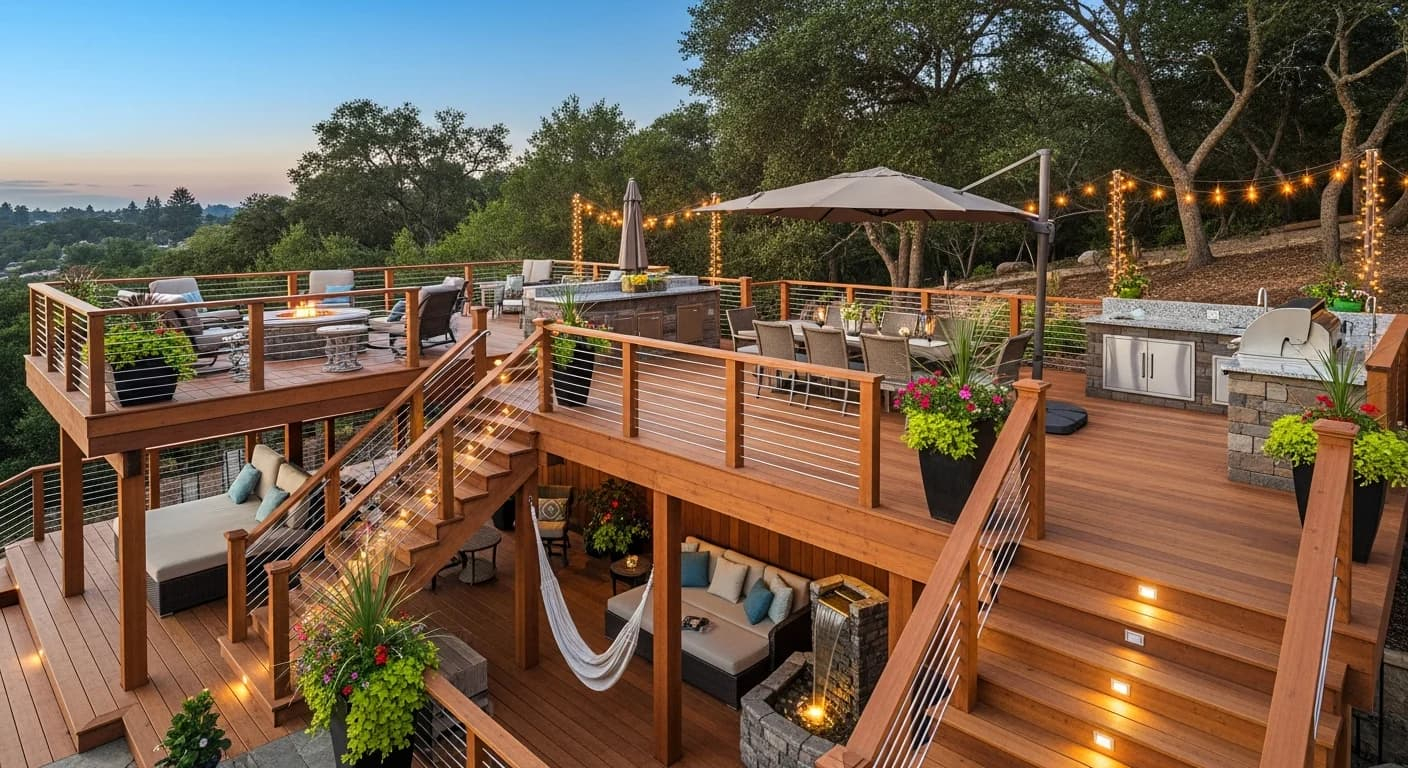
Capped composite boards, manufactured from a precise blend of recycled polymers and wood fibers encased in a protective plastic shell, offer the rich visual texture of exotic hardwoods without any of the structural vulnerability. Unlike early-generation composites from decades past that warped in high heat or stained easily from dropped barbecue grease, modern iterations feature advanced moisture shields and fade-resistant pigments. They do not splinter under bare feet, they never require staining, and their thermal expansion is carefully engineered to withstand extreme seasonal temperature swings.
Beneath the surface deck boards, structural integrity dictates long-term freedom from maintenance. Replacing traditional wooden joists with galvanized steel framing systems eliminates the rotting footers and sagging substructures that plague older patios. Steel framing is dimensionally stable, completely fireproof, impervious to carpenter ants and termites, and boasts a lifespan that easily exceeds half a century. When you couple a steel substructure with capped composite decking, you build a permanent platform for relaxation that completely bypasses the decay cycle of organic timber.
Beyond horizontal decking surfaces, the vertical elements of your oasis require an equally disciplined material strategy. Natural stone, porcelain pavers, and weathered corten steel or powder-coated aluminum planters replace porous terracotta pots and high-maintenance wooden retaining walls. Porcelain pavers, in particular, have surged in popularity due to their zero-porosity surface. They resist moss growth, do not crack during winter freeze-thaw cycles, and require no periodic sealing. By substituting organic decay-prone materials with engineered architectural elements, the physical environment stops demanding your weekend labor.
Spatial Flow and Strategic Zoning for Maximum Serenity
A peaceful environment is rarely born from sprawling, open-ended lawns or cluttered patios packed with mismatched furniture. True tranquility relies heavily on intentional spatial design and psychological breathing room. If an outdoor area is difficult to navigate or forces constant repositioning of gear, cushions, and tools, it creates cognitive fatigue rather than peace. Thoughtful zone planning ensures every square foot serves a distinct purpose, eliminating the wasted effort and visual chaos that breed stress.
Dividing your backyard into purposeful micro-environments allows you to scale maintenance down to localized patches rather than managing a monolithic yard. Consider establishing three core zones: a contemplative lounge area for reading and resting, an intimate dining or gathering space, and a low-impact sensory zone featuring textured gravel or ornamental grasses. By separating these areas with clean hardscape borders—such as steel edging or flush stone pavers—you prevent grass from creeping into flower beds and keep mulch from washing across walking paths during heavy downpours.
Circulation paths play a massive role in reducing everyday friction. When pathways are too narrow or constructed from shifting stepping stones embedded in high-traffic turf, they become muddy ruts that track dirt into the house and require constant weeding. Wide, stable pathways made from permeable pavers, crushed granite stabilized with organic binders, or large-format porcelain slabs create effortless flow. These surfaces guide the eye and the foot naturally through the landscape, allowing you to move from the back door to a secluded hammock nook without dodging puddles or tripping over unkempt roots.
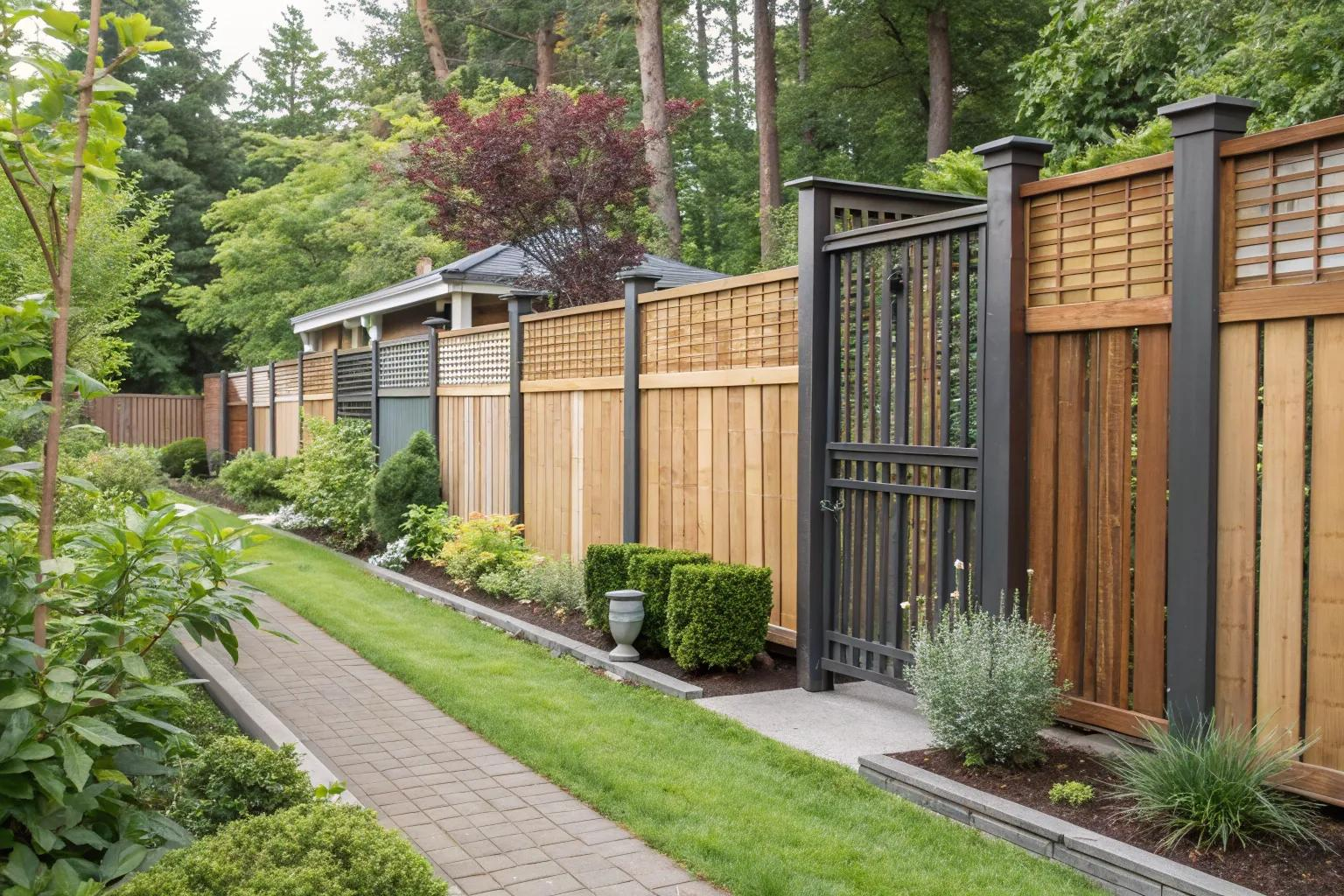
Furthermore, minimizing complex architectural shapes in favor of clean geometric lines drastically reduces upkeep overhead. Intricate railing balusters, multi-tiered steps with tight corners, and elaborate decorative wood lattice work trap leaves, collect windblown debris, and require tedious hand-cleaning with specialized tools. Simple cantilevered benches, flush-to-grade platforms, and minimalist privacy screens constructed from powder-coated aluminum slats offer modern elegance while providing zero crannies for organic debris and mold spores to colonize.
Implementing Your Low-Upkeep Sanctuary Step by Step
Transforming an exhausting, high-maintenance backyard into a serene, wood-free oasis requires a systematic, phased execution plan. Skipping ahead to cosmetic decoration before resolving structural foundations is a recipe for long-term frustration. Approach the transition as a methodical engineering and design project that systematically eliminates every single source of future labor.
- Step 1 (Audit and Demolition): Strip away failing wooden structures, rotting planter boxes, and high-maintenance turf grass. Safely remove old treated lumber, ensuring all toxic post-consumer fasteners and concrete footings that are no longer structurally sound are completely excavated from the soil.
- Step 2 (Subsurface Preparation and Drainage): Grade the earth away from your home’s foundation, install professional-grade geotextile weed barrier fabric, and lay down compacted crushed stone sub-bases. Proper drainage prevents shifting, pooling water, and weed breakthrough beneath your new hardscape and decking surfaces.
- Step 3 (Engineered Substructure Installation): Construct your support system using corrosion-resistant galvanized steel joists or heavy-duty concrete piers. Ensure all ledger boards are properly flashed and isolated from the home’s exterior wall to prevent moisture intrusion and structural rot at the house interface.
- Step 4 (Surface Material Deployment): Lay your capped composite decking boards using hidden fastener systems for a clean, screw-free surface. Surround the deck perimeter with large-format porcelain pavers or angular gravel beds edged with heavy-gauge steel strips to create a crisp transition between zones.
- Step 5 (Minimalist, Self-Sustaining Flora and Accents): Install a localized drip irrigation system beneath thick layers of inorganic rock mulch or premium dark river stone. Plant ultra-hardy, drought-tolerant perennials, ornamental grasses, and structural evergreens that require minimal pruning and zero seasonal replanting.
Navigating Common Pitfalls and Practitioner Workarounds
Even with the best intentions and advanced modern materials, homeowners frequently fall into several classic traps when attempting to eliminate backyard maintenance. Understanding these pitfalls ahead of time saves thousands of dollars in costly retrofits and rescues your weekends from unexpected structural failures.
- Pitfall 1 (Choosing Cheap First-Generation Composites): Purchasing budget-tier, uncapped wood-plastic composite boards often results in severe fading, mold absorption, and structural sagging within three years. Workaround: Invest strictly in co-extruded capped composites featuring a 25-to-50-year fade and stain warranty, ensuring the polymer shell completely encapsulates the core board.
- Pitfall 2 (Neglecting Proper Sub-Surface Weed Barriers): Laying gravel or pavers directly over bare earth guarantees stubborn weeds and invasive grasses will punch through within a single growing season. Workaround: Install a commercial-grade, heavy-woven geotextile fabric beneath all aggregate layers, topped with a thick layer of crushed angular stone that locks together better than rounded pea gravel.
- Pitfall 3 (Ignoring Thermal Heat Retention): Selecting dark-colored composite decking or black porcelain pavers in sunny southern climates can cause surface temperatures to skyrocket, making bare-foot walking unbearable during mid-summer afternoons. Workaround: Choose lighter, heat-reflecting color palettes (such as warm grays, light tans, or cool taupes) and incorporate strategic shade sails or pergolas.
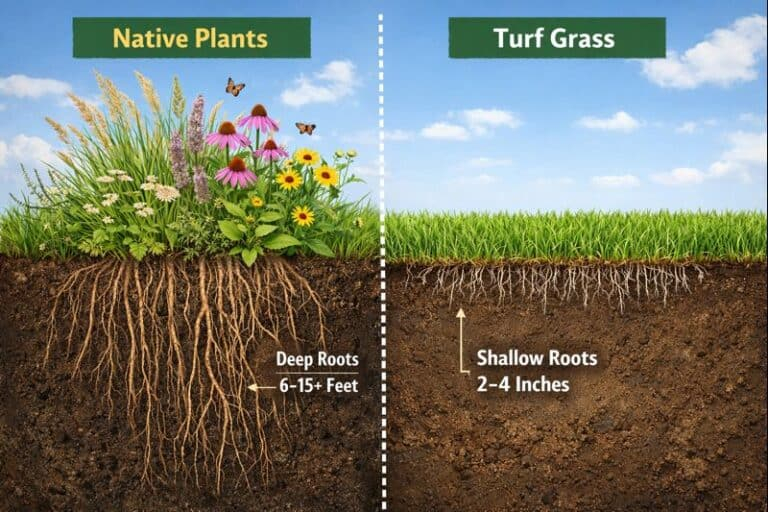
- Pitfall 4 (Overcrowding with High-Water Plants): Designing lush tropical garden beds that require daily hand-watering, bi-weekly pruning, and constant pest control defeats the entire purpose of an oasis. Workaround: Shift to xeriscaping principles utilizing native, drought-tolerant perennials, ornamental sedges, and dwarf conifers that thrive on natural rainfall cycles.
- Pitfall 5 (Inadequate Drainage Around Hardscapes): Paving over large swathes of the backyard without accounting for stormwater runoff can create massive puddles, basement seepage, and soil erosion along property lines. Workaround: Integrate permeable paver joints filled with fine aggregate or slope solid surfaces at a minimum quarter-inch per foot toward designated rain gardens or French drain systems.
The Broader Economic and Environmental Impact of Sustainable Outdoor Design
Stepping away from traditional wood and high-maintenance landscaping touches upon much larger economic and ecological realities. For generations, suburban and urban yards operated as resource-intensive micro-farms, requiring heavy weekly doses of municipal water, synthetic fertilizers, gasoline-powered lawnmowers, and chemical wood preservatives. These practices exact a heavy toll not only on the homeowner’s personal free time but also on local watershed health and pollinator ecosystems.
From a financial perspective, investing in high-end, maintenance-free materials flips the traditional cost-of-ownership model on its head. While composite decking, steel framing, and professional stone masonry carry a higher upfront capital expenditure than pressure-treated pine and standard turf, the long-term arithmetic strongly favors durability. When you factor in the cost of annual stains, sealants, replacement boards, contractor labor, and power-washing equipment rental over a fifteen-year horizon, low-maintenance installations effectively pay for themselves. More importantly, they protect the resale value of your home by eliminating the deferred maintenance headaches that often deter prospective buyers during property inspections.
Environmentally, modern outdoor design shifts the backyard paradigm from a carbon-emitting chore zone to a sustainable, self-regulating micro-ecosystem. By replacing thirsty, chemical-dependent lawns with native drought-tolerant planting beds and permeable hardscapes, you drastically reduce municipal water consumption and eliminate toxic runoff into local storm drains. Furthermore, the use of high-recycled-content composite decking and locally quarried stone minimizes virgin timber harvesting and lowers the carbon footprint associated with repeated material replacements.
Ultimately, building a peaceful outdoor retreat without traditional wood is an exercise in honoring your own time. When the environment around you is engineered for stability, resilience, and quiet self-sufficiency, the backyard ceases to be an unending project list. It returns to its original, sacred purpose: a quiet room under the open sky where you can disconnect from the noise of the world and simply breathe.
Actionable Recommendations and Key Takeaways
To crystallize your backyard transformation plan, adhere to a strict set of design and material guardrails. Keeping these core principles front and center ensures your outdoor project remains a source of enduring relaxation rather than a hidden chore factory.
- Prioritize Material Permanence: Commit to capped composites, porcelain, natural stone, and aluminum or steel framing to completely eradicate the rot, stain, and seal cycle.
- Embrace Radical Simplicity: Eliminate intricate decorative woodwork, complex multi-tiered staircases, and convoluted landscape borders that trap leaves and demand meticulous hand-labor.
- Design for Drainage First: Ensure all hardscapes and decking platforms feature proper grading and permeable sub-bases to prevent pooling water, ice heaving, and sub-surface erosion.
- Automate Plant Survival: Install automated drip irrigation under dense layers of inorganic mulch or stone to keep resilient native flora thriving with zero manual watering required.
- Select Mid-Tone Palettes: Avoid extremely dark decking and paving surfaces in direct sunlight to maintain comfortable bare-foot temperatures during peak summer months.
The modern landscape of residential outdoor design is experiencing a quiet revolution. As our daily lives grow increasingly digital, fast-paced, and digitally tethered, the physical sanctuary of the backyard has evolved from a status symbol of suburban labor into a vital psychological refuge. We no longer have the luxury of spending our precious weekends scrubbing mildew off rotting redwood or chasing weed growth through sprawling, thirsty lawns.
By making deliberate, forward-thinking choices in material science, spatial zoning, and resilient planting, you reclaim your weekends and restore the sacred boundary between home maintenance and genuine leisure. The outdoor oasis you build today should stand ready to welcome you home every single evening, asking for nothing in return except your presence. Step away from the endless upkeep, embrace the quiet intelligence of modern low-maintenance design, and let your backyard finally become the peaceful retreat you have always deserved.