Have you ever stood outside your house on a quiet morning in 2026, sipped your coffee, and noticed a jagged line slicing right across your exterior wall? It feels personal, right. Your home is your shelter, your safe space, yet it seems to be wearing its age right out in the open.
Stucco has been a favorite finish for generations because it looks solid and timeless. But beneath that tough exterior, your walls are constantly moving. They breathe, shift, and react to every single degree change in the weather.
The Hidden Life of Your Exterior Walls
Buildings are not static statues. They expand when the summer sun beats down and they shrink when winter winds freeze the air. Stucco is hard, but it is not totally inflexible. When the wood framing or concrete backing behind it shifts faster than the outer skin can handle, something has to give.
That giving usually results in a fracture. Think of it like stretching a piece of dried clay. If you push it too hard or heat one side faster than the other, it splits. Understanding this hidden movement is the first real step toward keeping your home looking great.
How Heat and Cold Play Tug of War
Thermal stress is just a fancy way of saying your walls are fighting a constant battle with temperature. When the sun hits a south-facing wall at noon, that surface gets blazing hot while the shady side stays cool. This creates uneven tension inside the materials.
As parts of the wall expand at different rates, invisible forces pull against each other. By the time evening rolls around and things cool down, the material has fatigued. Over months and years, this daily cycle creates stress lines that show up right on the surface.
Reading the Signs Through Crack Patterns
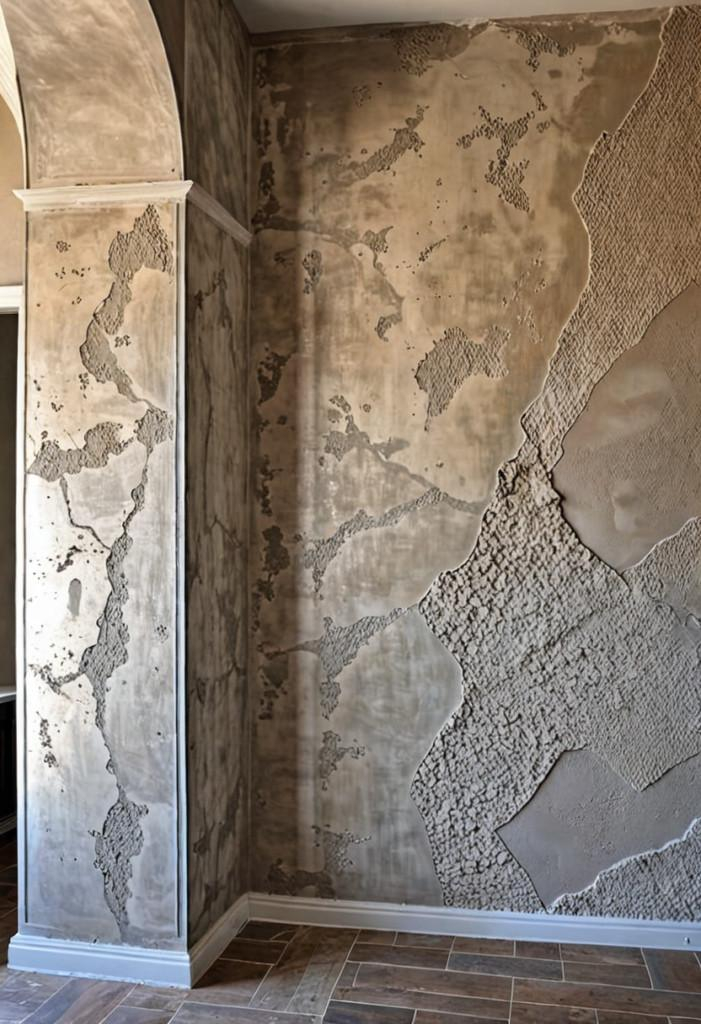
Not all fissures are created equal. The shape and direction of a break can actually tell you a whole story about what is happening underneath. Hairline fractures that look like a spiderweb are usually just harmless shrinking during the drying process.
On the other hand, wide gaps running diagonally near windows and doors usually point to structural shifting or heavy thermal pressure. If a crack is wider at the top than the bottom, your foundation might be settling. Paying attention to these clues saves you from guessing.
Moisture and Movement A Dangerous Mix
Movement on its own is manageable, but water changes the whole game. When rain finds its way into a tiny split, it gets trapped behind the surface. If freezing temperatures hit, that water turns to ice and expands with incredible force, blowing the stucco apart from the inside.
This freeze-thaw cycle turns minor blemishes into major damage very quickly. Keeping water out is just as important as dealing with the expansion of the building materials themselves. Sealing up gaps early stops moisture from turning a cosmetic annoyance into a rotting structural nightmare.
The Role of Control Joints
Builders do not just slap stucco on a wall and hope for the best. They install intentional weak points called control joints. These metal or vinyl strips divide large walls into smaller panels so the material has a safe place to shift without breaking randomly.
When a structure lacks enough of these relief lines, the surface will make its own joints—which always appear as ugly, jagged splits. Checking your home for these built-in relief areas helps you see if the original installation was set up to handle natural movement.
You cannot stop the sun from shining or the weather from changing, but you can manage how your home reacts. Regularly walking around your property to inspect the exterior is a great habit to build. Catching minor flaws before they widen makes maintenance much easier and cheaper.
When you do find a gap, patching it quickly with the right elastomeric sealant keeps water out. For larger structural issues, bringing in a professional to assess the framing movement ensures you fix the root cause instead of just painting over the symptoms.
Your home tells a story through its exterior surfaces, and cracks are just part of that dialogue. By learning how thermal stress and natural shifting work, you can stop stressing over every little line and take practical steps to protect your property for years to come.
Keeping an eye on your walls ensures small cosmetic issues never turn into expensive repairs. A little attention today goes a very long way in keeping your home strong, safe, and beautiful.