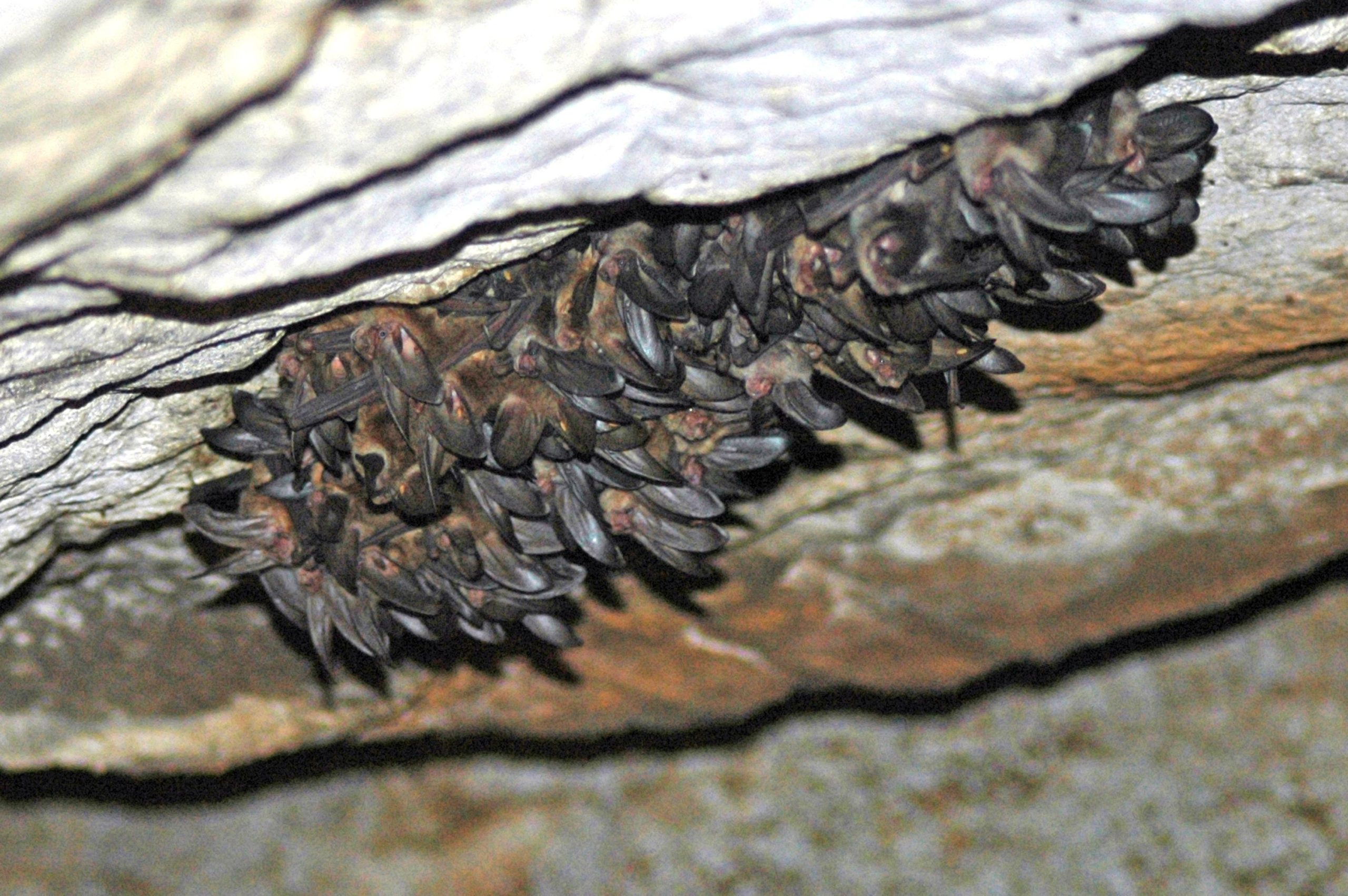
Have you ever looked out at your summer evening garden and wished those annoying bugs would just vanish. Most folks reach for chemical sprays or bug zappers, but there is a much cooler, totally natural way to handle things. By welcoming our flying mammalian friends, you can turn your yard into a balanced sanctuary.
Building a safe haven for winged mammals is more than just a fun weekend hobby. It is about helping local nature thrive right outside your back door. When you understand what these animals need to feel secure, you can craft a wooden shelter that stands the test of time and keeps your outdoor space buzzing with life instead of pests.
Why Your Yard Needs a Flying Mammal Roost
Woodworking is the ancient craft of turning raw lumber into durable, useful objects, whether you are building a simple sea chest or a backyard roost. A bat house takes this passion to an eco friendly level. According to data from Bat Conservation International, a single animal can devour up to 1,000 mosquitoes per hour. That makes your handmade shelter a fantastic natural pesticide alternative.
Setting up a cozy habitat means you rely less on harsh yard chemicals. Families love spending warm evenings outside without getting bitten up. Plus, knowing you are supporting declining wildlife populations gives you a great sense of accomplishment.
Selecting the Right Lumber and Materials
When you start planning your build, picking out the right wood matters immensely. Cedar planking is famous for its natural rot resistance and durability against harsh weather. You want to avoid using pressure treated lumber because the chemical treatments can harm delicate wildlife.
Grab some exterior grade screws and heavy duty staples to hold everything together. Plywood or rough cut boards work wonders for the interior partitions. Giving the inner wood some grooved tracks helps the animals grip onto the surfaces easily when they crawl inside to sleep.
Step by Step Construction Basics
Putting together a simple shelter does not require a fancy workshop. You just need basic tools like a saw, a drill, and some waterproof wood glue. Measure twice and cut your pieces carefully to ensure there are no wide gaps where cold drafts can sneak through.
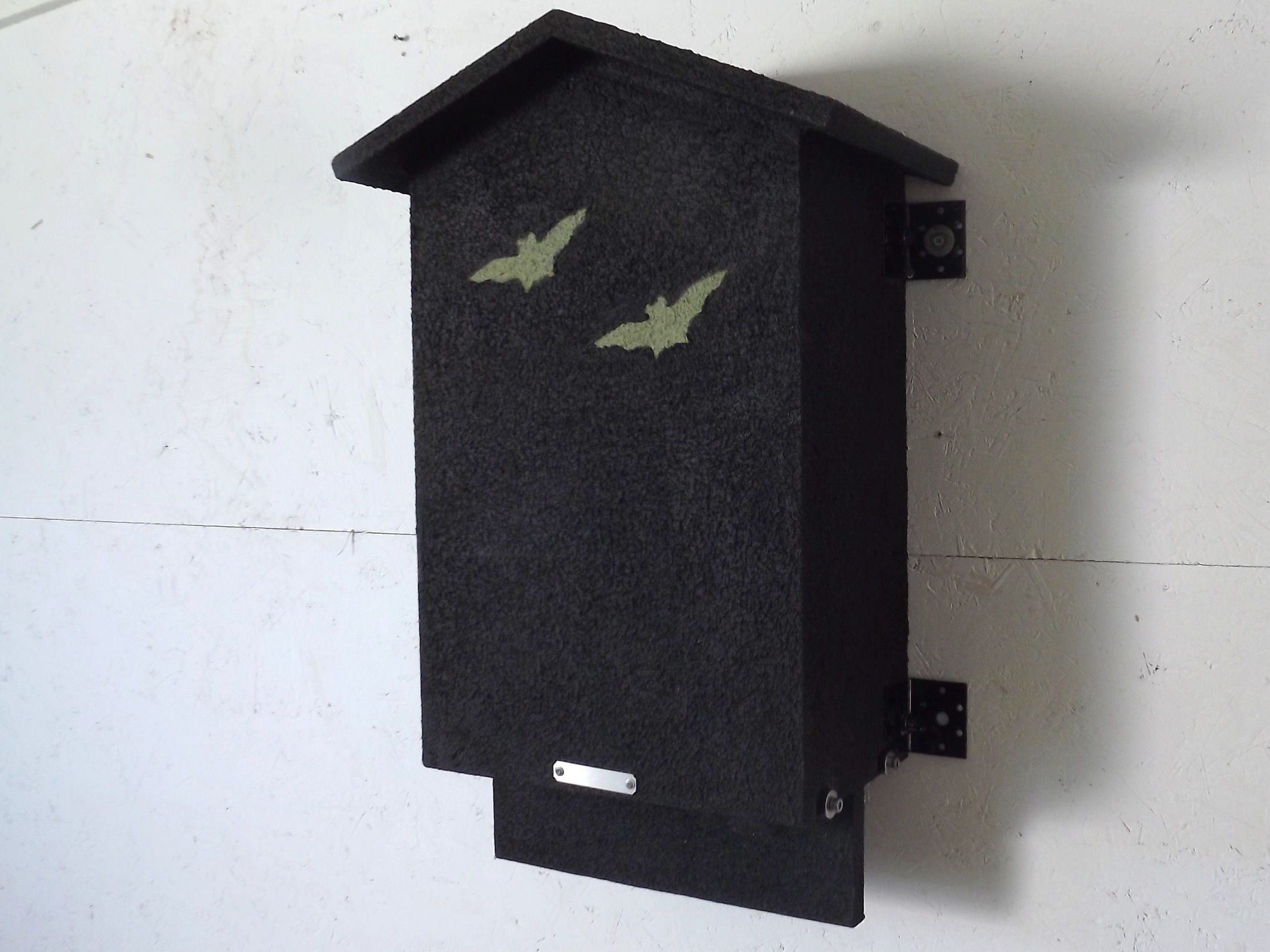
Make sure the interior chambers are about three quarters of an inch wide. If the gaps are too big, predators might get in. If they are too tight, the animals will not squeeze inside. Adding a landing pad that extends a few inches below the bottom opening gives them an easy spot to drop into.
Painting and Sun Exposure Secrets
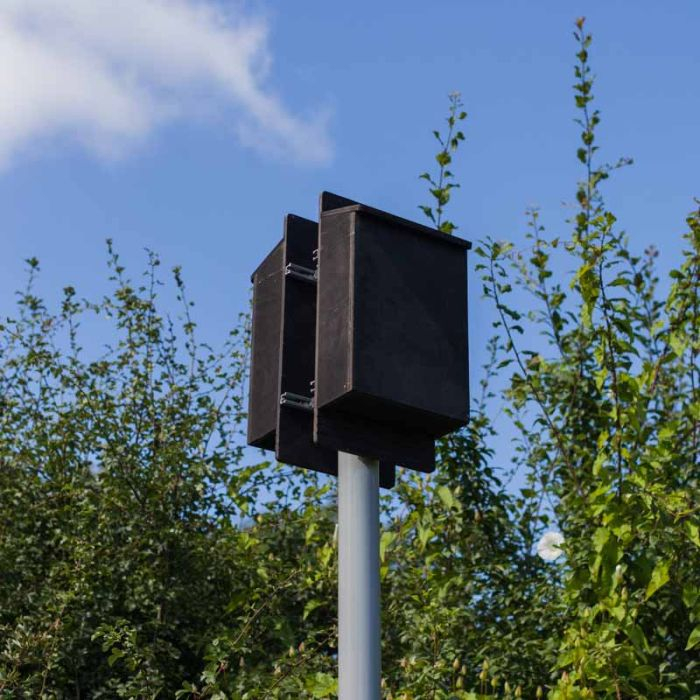
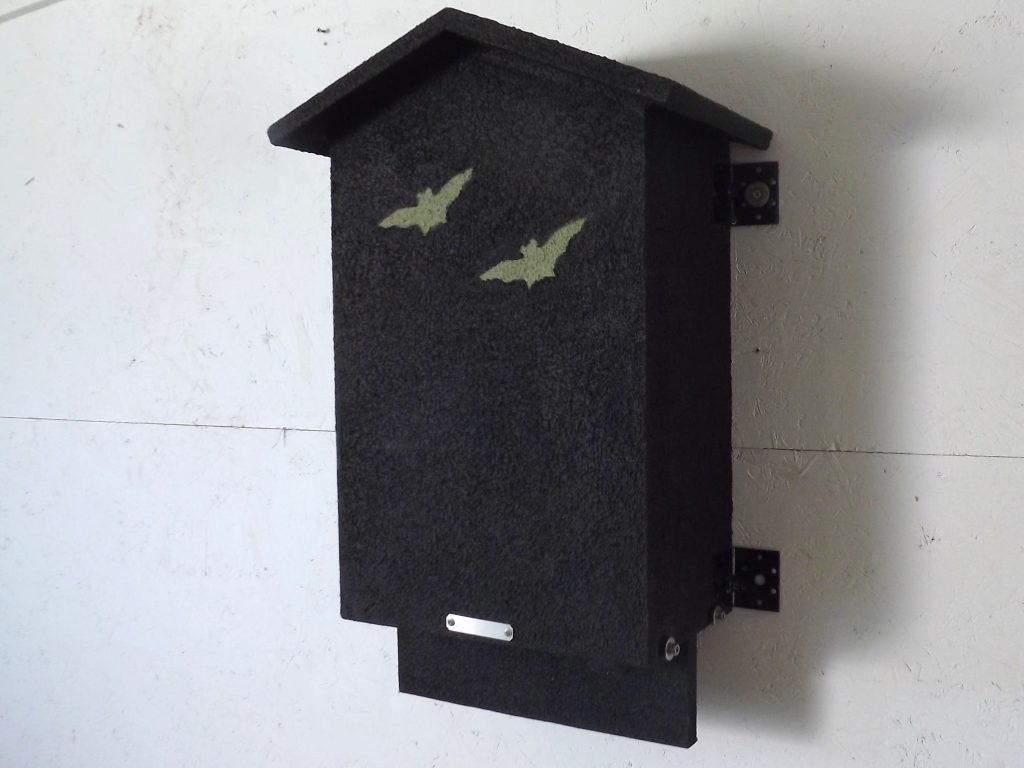
Color choice plays a massive role in whether your wooden box gets rented out. Since these flying mammals love warmth, painting the exterior a dark shade helps absorb sunlight during the day. If you live in a super hot southern climate, a medium brown or tan color works better so it does not overheat.
Mounting the structure on a tall wooden pole or the side of a building gives the best results. It needs at least six hours of direct sunlight daily. Keeping it elevated high off the ground also protects the residents from neighborhood cats and climbing predators.
Smart Placement and Installation Tips
Location is everything when setting up your new backyard addition. Hang your shelter at least twelve to fifteen feet high in an open area clear of dense tree branches. This gives them a clear flight path when they swoop out for their nightly hunt.
Be careful never to work on an occupied structure. Doing so might cause the residents to panic and fly out at the wrong time, which poses a risk for the installer and disturbs them while they are roosting. Always do your installation work during the winter months when the boxes are completely empty.
Once your project is securely mounted, you do not have to fuss over it too much. Checking on it once a year during late autumn or winter is usually enough. Look for any loose screws, peeling paint, or unwanted wasp nests that might have moved in.
If a bit of weather wear happens, touch up the exterior paint using non toxic exterior grade formulas. Keeping the shelter in good shape ensures it remains a safe and welcoming home for many seasons to come. Your backyard will thank you for the extra effort.
Creating a welcoming backyard habitat is a rewarding journey that connects you deeply with the natural world. By putting together a sturdy, well placed shelter, you help local ecosystems flourish while keeping pesky insects under control.
Whether you are a seasoned carpenter or a weekend hobbyist, taking on this eco friendly project brings a unique joy. Grab your tools, pick out some nice cedar boards, and get ready to make your outdoor space a sanctuary for wildlife.