Have you ever rubbed your tired eyes after a long day staring at a screen, wondering why they feel so dry and scratchy. You are not alone. Most of us spend countless hours tethered to a desk, staring at monitors under harsh office glow or dim living room bulbs. By the time evening rolls around, your vision feels blurry and your head throbs.
We often blame the computer screen for all our visual fatigue. But the real culprit is usually hiding right above you or sitting right next to your keyboard. Poor illumination sets off a chain reaction in your visual system, forcing your delicate eye muscles to work overtime. Let us dive into why your current setup is failing you and how to create a more comfortable environment for 2026.
The Hidden Trap of Overhead Glare
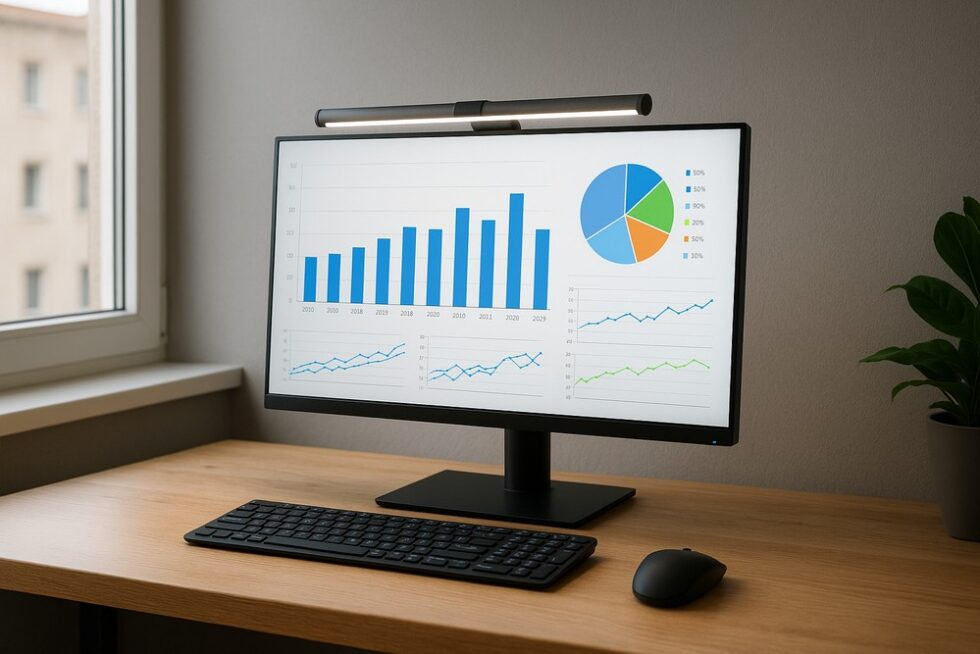
Overhead lights in most offices and home studies are designed to light up an entire room, not a focused work area. When bright bulbs reflect directly off your monitor glass, they create an invisible haze. Your brain has to work harder to filter out that annoying reflection so you can see your text clearly.
This constant struggle causes your blink rate to drop dramatically. Normally, we blink about fifteen times every minute, but staring into a glaring workspace cuts that number in half. Without enough moisture spreading across the surface, your eyes quickly become irritated and red.
Why Darkness and Brightness Do Not Mix
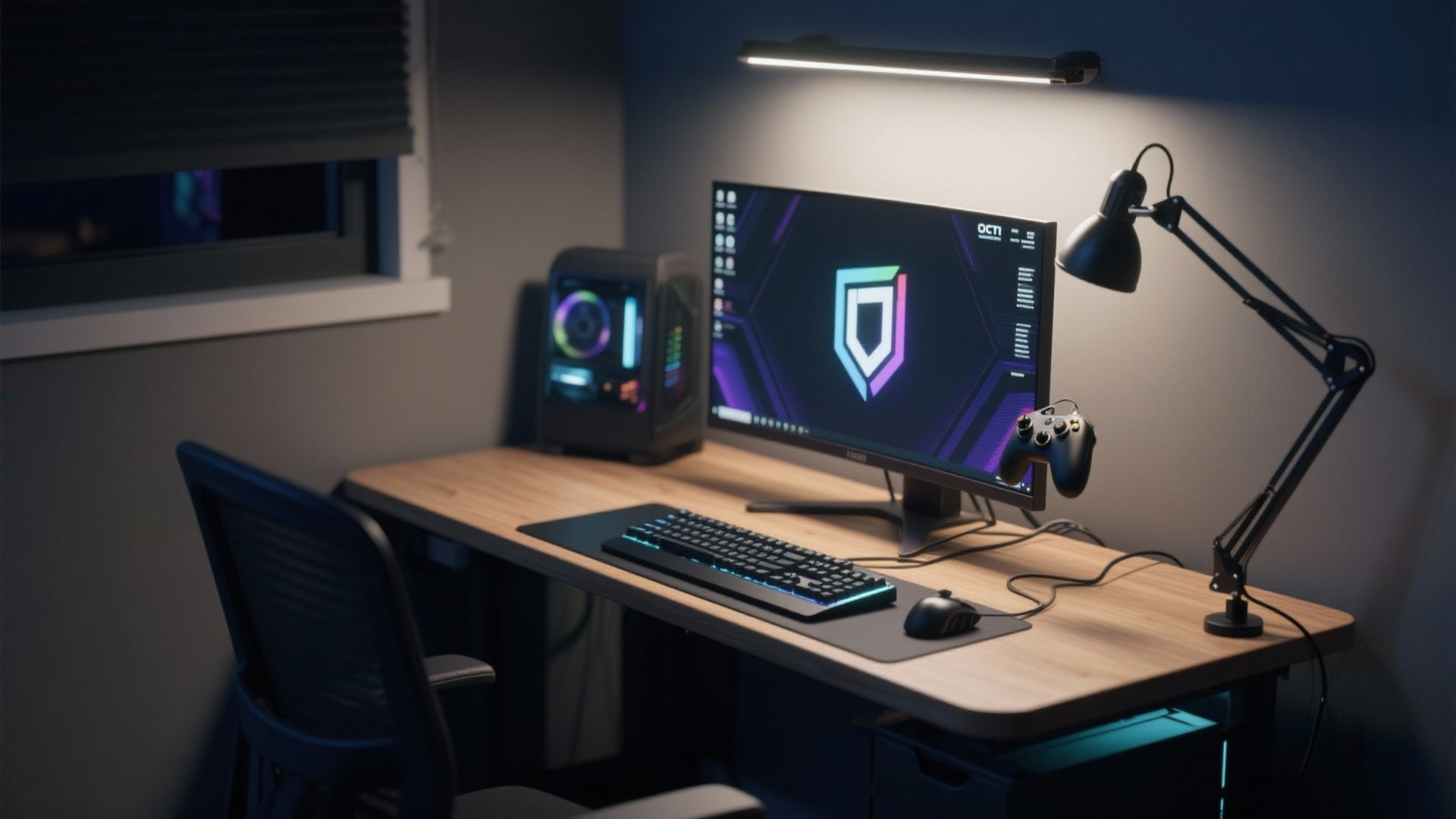
Working in a pitch-black room with only the bright glow of your monitor is a recipe for disaster. Your pupils constantly have to adjust every time you look away from the screen to glance at a dark desk or a paper notepad. That rapid dilation and contraction wears out the iris muscles in no time.
To fix this, you need balanced ambient light in your room. Putting a soft lamp behind your monitor helps bridge the gap between dark and bright spaces. It reduces the harsh contrast that makes your poor eyes ache by five o’clock.
The Trouble With Old Bulbs
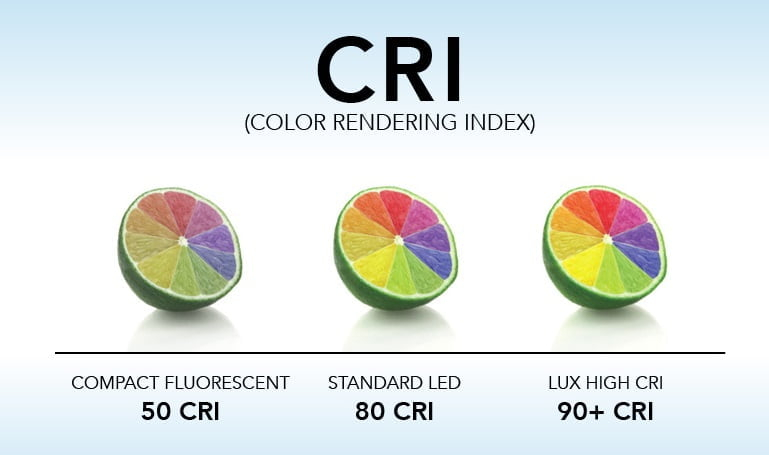
Many people still use flickering fluorescent tubes or outdated incandescent bulbs without realizing the damage they cause. Even if you cannot see the flicker with your naked eye, your visual cortex registers it constantly. This microscopic stuttering forces your brain to process thousands of tiny adjustments every single second.
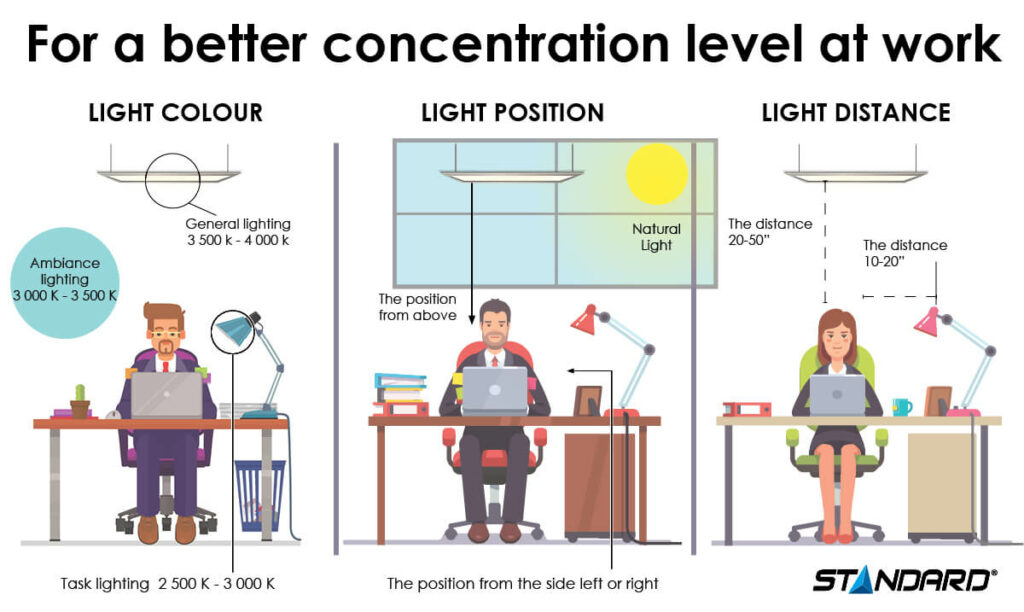
Upgrading to modern LED solutions that offer stable, flicker-free illumination makes a huge difference. Look for bulbs with adjustable color temperatures so you can match the natural rhythm of daylight. Warm white light in the evening helps your mind wind down while keeping harsh glares at bay.
Finding the Right Angle for Your Desk Lamp
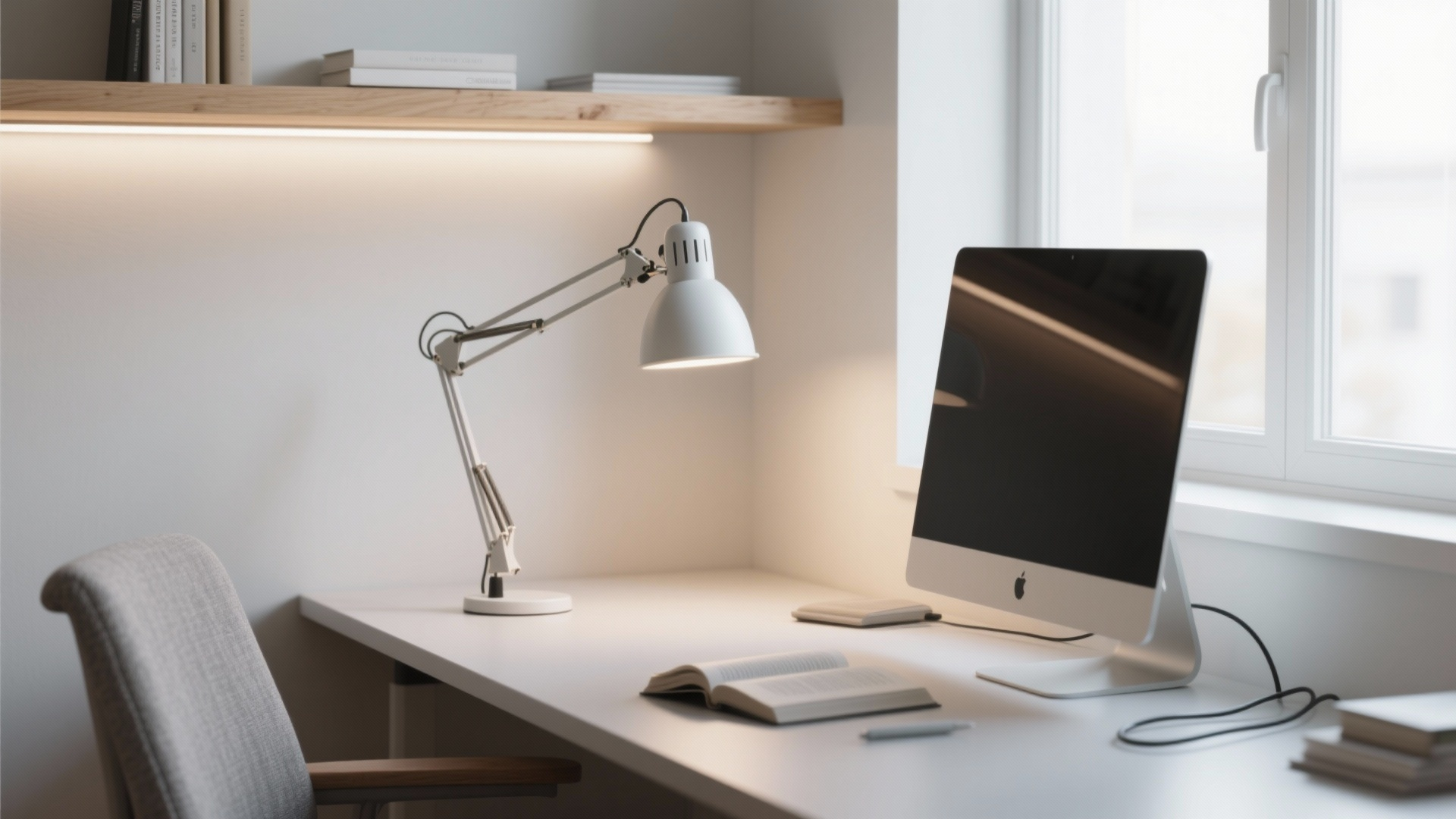
Where you put your light source matters just as much as the bulb you choose. If a desk lamp sits right in front of you, it shoots light straight into your field of view and creates terrible hot spots. Placing it off to the side, opposite your writing hand, stops annoying shadows from blocking your notepad.
Adjusting the height also prevents direct beams from hitting your retinas. The goal is to illuminate your workspace evenly without creating blinding reflections on your screen. A simple repositioning can instantly melt away that afternoon tension headache.
Color Temperature and Your Daily Rhythm
Did you know that the color of your light changes how awake you feel. Blue-tinted white light mimics the midday sun, which boosts alertness during morning hours. But keeping that same harsh blue tone glowing on your desk late at night tricks your brain into staying wired.
Switching to a softer, warmer hue as the sun goes down supports your natural sleep cycle. It stops your body from getting confused by artificial brightness. Your eyes will feel less strained when the room lighting matches the natural time of day.
Even the best lighting setup cannot save you if you never look away from your work. Staring at pixels for hours locks your focusing muscles into a rigid position. That stiffness is a major reason why distance vision gets temporarily blurry after a long session.
Try following the twenty rule every twenty minutes to relax your internal lenses. Just gaze at something twenty feet away for twenty seconds to reset your focus. Combined with proper illumination, these tiny pauses keep your vision feeling fresh all day long.
Taking care of your vision does not require a complete office renovation or expensive gadgets. By understanding how light interacts with your workspace, you can easily tweak your environment for maximum comfort. Small adjustments to bulb placement and ambient brightness go a long way in protecting your long-term eye health.
Remember to listen to what your body is telling you. If your vision feels strained or your temples start to ache, take it as a sign to step away and adjust your surroundings. A little bit of awareness today keeps those stubborn headaches away tomorrow.